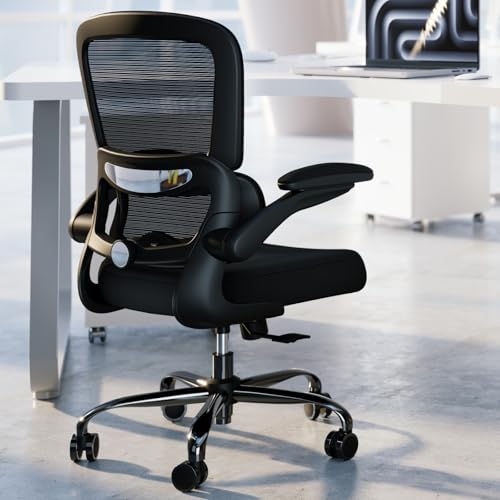
Best Affordable Office Chairs: A Buying Guide for 2026
Disclosure: We may earn a commission when you buy through links on this page, at no extra cost to you. As an Amazon Associate I earn from qualifying purchases. Learn more
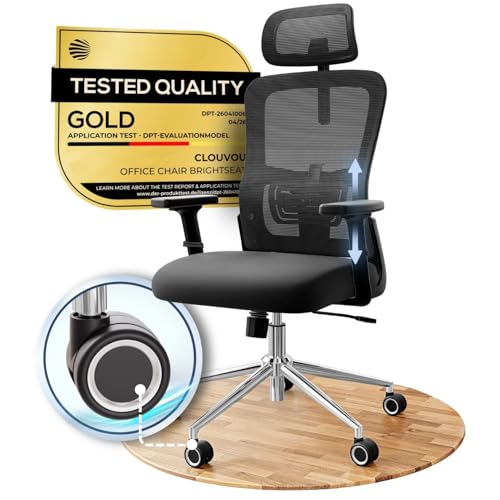
Choose the best affordable office chairs by adjustment, capacity and warranty, with honest price bands, under 80 limits and tips for buying several at once.
Office chairs at low prices all promise comfort, yet the difference between a chair that serves a small office for years and one that wobbles by spring sits in a handful of plain details. This guide judges best affordable office chairs the way a careful office buyer would, by adjustment range, stated capacity, parts quality and warranty length, so a tight budget buys service instead of surprises. The product table after this intro gathers the main contenders before the detail begins.
Expect no miracles at this money, and expect real value when you know where it hides. The sections ahead move from price bands to the buying guide itself, then to chair types, the truth about the lowest band, buying several chairs at once, upkeep, and answers to the questions offices ask most.
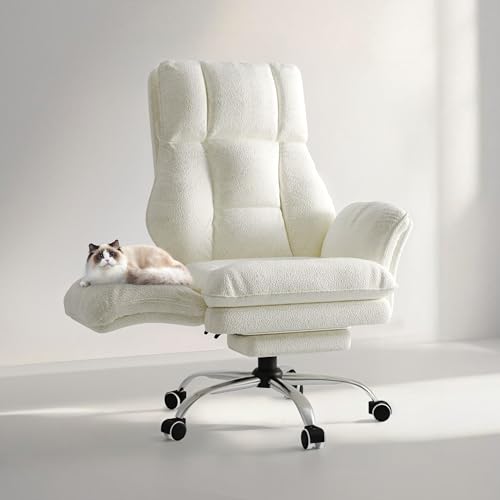
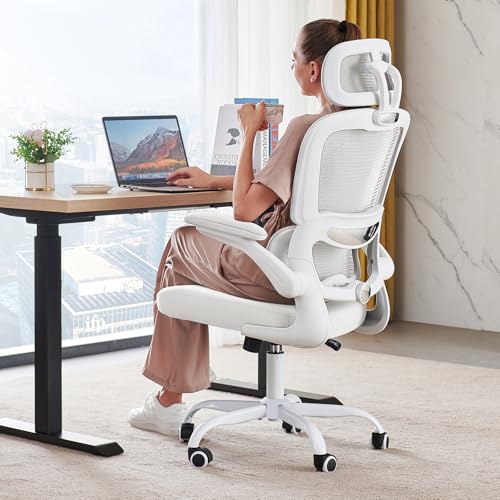

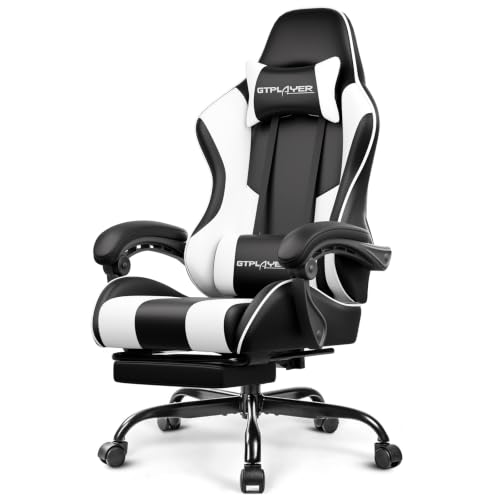
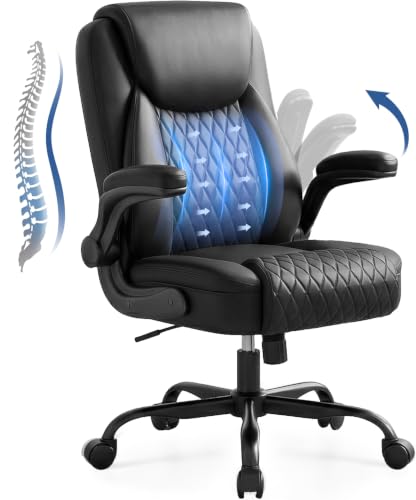
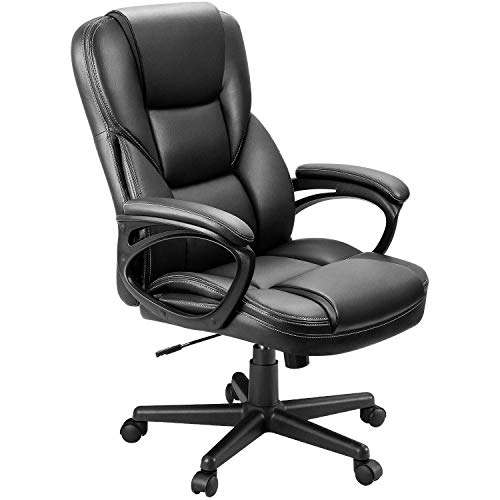
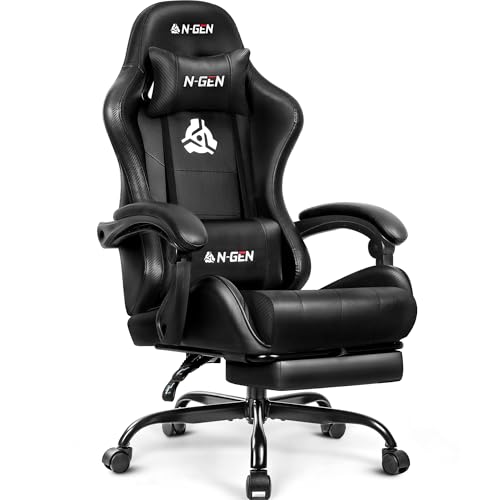
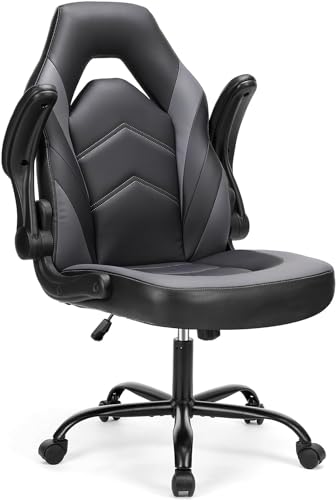


Best Affordable Office Chairs by Price Band
Set one expectation plainly before any prices appear. An office chair is seating furniture, nothing more, and it cannot treat, prevent or cure back pain or any other condition, whatever words like ergonomic or relief on a listing may suggest. What decides how a workday feels is whether the chair fits the person sitting in it, whether its settings can change through the day, and whether the person also stands and moves often. Pain that persists, spreads or comes with numbness or weakness in a leg belongs in a conversation with a doctor, not in a bigger chair budget.
Star ratings deserve the same plain treatment. At these prices, high scores and huge review counts mostly reward a low price, fast delivery and sheer sales volume, so a chair can look celebrated while its lift and casters are ordinary. Use ratings only to screen out the worst listings, then judge by the adjustment list, the maker stated weight capacity and the warranty term. Our guide to best reviewed office chairs looks at how those ratings are built, which is useful background before trusting any average.
The Bare Bones Band: Under About $80
Chairs under about $80 cover the essentials for light duty: a padded seat, a simple back, one height lever and a basic tilt that may or may not lock. Padding is thin, armrests are usually fixed or absent, and the warranty is short, often about one year on parts. This band suits a spare chair for visitors, a reception corner or a few hours of paperwork a day. It struggles honestly with full time daily sitting, where thin foam and light parts are asked to do heavy work every single week.
The Working Middle: About $80 to $160
Most small offices should shop here first. Seats gain thicker foam, backs gain a shaped lumbar area or an adjustable pad, mesh backs appear, and armrests begin to move up and down or pivot. Warranties lengthen to about two or three years, and stated capacities rise, which signals stronger lifts and bases across the model range. Readers furnishing a single home workspace can also browse our guide to best affordable chairs to see how general seating prices compare with chairs built for desk work.
The Stretch Band: About $160 to $280
The top of the affordable range buys endurance rather than luxury. Foam holds its shape through longer days, cylinders and bases come from stronger classes, fabrics resist wear better, and warranties on frames can reach about five years. Headrests and deeper recline appear here, and they are pleasant extras rather than the reason to stretch. Choose this band for full time staff chairs that must survive daily use by different people, where one early replacement would erase the saving from a cheaper model.
How to Choose Office Chairs That Earn Their Keep
What You Can Realistically Get on a Budget
A realistic budget chair gives you height adjustment, a back that supports an upright working posture, a stable five point base and materials that tolerate daily contact. What it will not give you is the dense molded foam, the wide adjustment range and the decade long parts support of chairs costing several times more. Accept that trade openly and shop for the strongest version of the basics. Money saved by skipping decorative stitching, glossy shells and novelty extras can go toward the seat and the lift, which is where daily value lives.
Ergonomics and Adjustability
The adjustments that matter at work are seat height, back tilt with a lock, lumbar support that meets the lower back, and armrests that can move out of the way of the desk. Seat height should let each user sit with feet supported and thighs level, and a range of about 17 to 21 inches covers most adults at standard desks. A tilt lock matters during calls and reading, when a held recline beats constant small rocking. Shoppers who want adjustment to lead the decision can compare models in our guide to best affordable ergonomic office chairs, where those features carry the whole budget.
Comfort and Cushioning
Comfort over a full shift comes from foam density more than foam thickness. A thick seat of soft low density foam feels plush for ten minutes and then compresses until you sit on the hard shell beneath, while a thinner seat of high density foam keeps its support through the afternoon. Press a thumb firmly into a showroom seat if you can, and favor the one that pushes back steadily. Waterfall front edges, where the seat curves downward, reduce pressure behind the knees and are worth seeking at any price in this guide.
Size, Dimensions, and Weight Capacity
Measure the desk opening, the floor space and the doorway before ordering, because office chairs ship in large boxes and occupy more room than their photos suggest. Seat width and depth should match the user group rather than an average, and shared offices with varied staff should favor the more generous standard size. Treat the weight capacity on a listing as a maker figure, and choose a model rated comfortably above the heaviest regular user. A chair run near its limit daily will wear its lift, base and casters far sooner than the same chair used well within it.
Warranty and Return Policy
Read the warranty as a map of what the maker expects to wear out. Frame cover of about five years with only about one year on the cylinder and casters tells you exactly where the weak points sit. For an office, also ask how a claim works in practice: whether a single part ships free, whether a photo of the fault is enough, and whether one contact handles several chairs bought together. Keep invoices and delivery dates in one file per order, because a claim on chair four of six goes faster when the paperwork is already gathered.
Materials and Upholstery
Mesh backs breathe well in warm offices and shed the stuffy feeling of long meetings, but the mesh should feel taut and evenly woven. Fabric seats remain the practical default for shared chairs, since they hide scuffs, grip clothing and clean up well with a vacuum and a damp cloth. PU leather looks formal for client facing rooms and wipes clean after spills, yet on budget models the coating tends to crack at the front edge and arm pads first. Bases in steel or aluminum suit heavy daily use, while sound nylon bases serve lighter users within the stated capacity.
Style and Room Fit
An office chair is large furniture that clients and staff see all day, so its shape should suit the room rather than fight it. Slim mesh models keep a small office feeling open, padded executive shapes suit a private office with a big desk, and bright colors date faster than neutral tones in a workplace setting. Check the chair footprint against walkways and filing cabinets, since a wide base in a narrow room becomes an obstacle course. When chairs must store away, models with flip up arms slide closer to the desk and stack the room tidier.
Types of Office Chairs
Compact and Space Saving Models
Compact models trade padding and width for a small footprint, often with flip up arms or no arms and a mid height back. They fit home offices in spare bedrooms and coworking corners where the chair must vanish under the desk at night. The plain task chair belongs to this family, and our guide to best office task chairs covers that everyday class on its own. Choose compact only when space truly demands it, because full time users feel the thinner seat by midweek.
Ergonomic Models
Ergonomic models in this price class add an adjustable lumbar pad, more armrest movement and sometimes a seat depth slider to a familiar task chair frame. They suit staff who sit longest and managers standardizing one chair across different body sizes, since each added adjustment widens the range of people the chair fits. The label alone proves nothing, so count the actual adjustments before paying the premium. Readers comparing labels can also see our guide to best ergo office chairs for how makers use the term across price bands.
Executive Models
Executive models bring a tall padded back, wide seat and formal look borrowed from boardrooms, usually in PU leather or thick fabric. They suit a private office where appearance matters and one person uses the chair all day. Their weakness at budget prices is hidden: the padding looks deep but can be soft foam that flattens, and the tall back adds cost without adding adjustment. Judge an executive model by foam firmness and warranty, not by how imposing the photograph looks.
Budget Models
Budget models are the simplest chairs in the guide: fixed arms or none, basic foam, short warranties and the lowest prices outside the under 80 band discussed below. They serve well as training room seating, hot desk spares and short task chairs where sitting stretches stay brief. Their honest role is coverage, giving every desk a seat today while the main staff chairs come from the working middle band. Bought knowingly for that role, a budget model is a sensible tool rather than a false economy.
Office Chairs for Specific Needs
Best Affordable Office Chairs under 80
Shopping this lowest band means accepting a clear list of compromises and checking the few things that still separate a usable chair from a poor one. Under about $80 you get a seat, a back, a height lever and casters, with fixed arms at best and a warranty near one year. What wears first follows a predictable order: the casters roughen and stop rolling cleanly, then the lift cylinder begins to sink, and then the thin foam packs down until the seat feels board like.
Within that honesty, still choose carefully. Prefer a steel or sound nylon base over a flimsy one, a back with some lumbar curve over a flat board, and a seller whose return terms let you send back a chair that squeaks or leans. This band fits spare desks, brief daily use and temporary staff far better than it fits a full time workstation. Plan on a shorter service life, keep the receipt, and the low price becomes a fair trade instead of a disappointment.
Buying Several Chairs for a Small Office
Buying six chairs at once is a different job from buying one, and the differences favor buyers who plan for parts and paperwork. Order a single sample first, let the tallest and shortest staff members sit in it through a real workday, and only then place the full order for the same model. One shared model means one set of spare casters, one cylinder type and one instruction sheet, so a fault in any chair can often be fixed from the spares box the same morning.
Ask about spare parts before the order, not after the first failure. Makers who sell replacement casters, cylinders and arm pads separately extend the life of the whole set, while a maker who offers only full chair replacement turns every small fault into a large bill. Record each chair delivery date and keep one assembled spare if the room allows it, since a spare in the corner keeps a new hire working while a claim is processed. Volume pricing at this level is usually modest, so a strong parts policy is worth more than a small discount.
Care and Maintenance Tips
- Reset the height for each regular user. Shared chairs drift as people adjust them, so set the seat so feet rest flat whenever a new person takes the chair for the day.
- Tighten bolts every few months. Back brackets and armrest fixings loosen with daily rocking, and a brief check with the supplied key stops squeaks before they become wobbles.
- Vacuum or wipe upholstery on a schedule. Dust ground into fabric and mesh shortens its life, and a weekly pass keeps shared chairs presentable for clients.
- Keep coated finishes out of direct sunlight. Sun through an office window dries PU leather and fades fabric, so angle chairs away from the brightest glass where the layout allows.
- Clean the casters. Hair and grit wound around caster axles are the main reason budget wheels stop rolling, and a monthly pick and wipe restores most of them.
Office Chair FAQs: Questions Answered
What features matter most for long hours in an office chair?
Dense seat foam, a lumbar shape that meets the lower back, and a tilt lock that holds a relaxed angle matter most for long hours. One addition the feature lists never mention is a small set of spare casters kept in the office cupboard, because a single grit jammed wheel can make a good chair feel broken for weeks. Movement breaks through the day still matter more than any single feature, so pair the chair with a routine of standing for calls and short walks.
How do I choose the right office chair size for different staff members?
Start with the extremes rather than the average, since a chair that fits the tallest and shortest regular users will serve everyone between them. Check that the seat can drop low enough for shorter users to rest their feet, rise high enough for taller users at the desk, and offer enough depth for long legs without crowding shorter ones. Where sizes vary widely, one model with seat depth adjustment solves more problems than two different basic models bought in haste.
Is an expensive office chair worth it for a small office?
Sometimes, and the deciding factor is hours rather than status. A chair used eight hours a day by the same person repays better foam and a longer warranty, because early replacement plus lost comfort costs more than the upgrade. For spare desks and part time seats, that same spending buys little. A mixed approach works well in practice: stretch the budget for the few full time seats, and let the working middle band cover the rest of the room.
How long should a good affordable office chair last in daily service?
Expect about three to five years from the working middle band in daily office service, and less from the cheapest models. Offices can stretch that span by rotating chairs between heavy use and light use desks every few months, which evens out foam and caster wear across the set. Keep purchase dates recorded per chair, because a set bought together tends to wear out together, and a planned replacement year is cheaper than a month of emergency orders.
Can spare parts really extend the life of a low priced office chair?
Yes, because the parts that fail first are also the parts that swap fastest. A fresh set of casters takes minutes to fit, a replacement cylinder restores a sinking chair with basic tools, and new arm pads cover the most visible wear in a client facing room. Ask for the parts list and prices before buying the chairs, and keep one set of casters and one cylinder in storage. That small stock turns most failures into a same day fix instead of a replacement order.
The Bottom Line
Three checks decide most purchases in this class: an adjustment list that fits real bodies, foam and parts strong enough for the hours the chair will work, and a warranty whose fine print you have actually read. Ratings and photographs can start the search, but those checks should finish it. The product table gathers the main contenders so you can compare each one against the same short list.
For a single desk or a whole small office, the best affordable office chairs are the ones whose limits you understand before the boxes arrive. Buy with the wear order, the parts policy and the return window in view, and a modest budget will furnish a room that keeps working long after the delivery day is forgotten.