
Best Astronomy Binoculars for Beginners: Which Type Is Right?
Disclosure: We may earn a commission when you buy through links on this page, at no extra cost to you. As an Amazon Associate I earn from qualifying purchases. Learn more

Compare astronomy binocular types and learn which magnification, lens size, and eye relief suit the best astronomy binoculars for beginners.
Choosing your first pair for the night sky can feel confusing, because the numbers on the box seem similar while the viewing experience is not. The best astronomy binoculars for beginners gather enough light to show faint targets, stay steady in your hands, and feel simple enough that you use them often. This guide compares types, not models, so you can match a style to your sky and budget.
Start with the type that fits your habits, then check the details that shape every session, such as lens size, eye comfort, and weight. The product table gives a quick overview, and the sections that follow explain each specification in plain language.


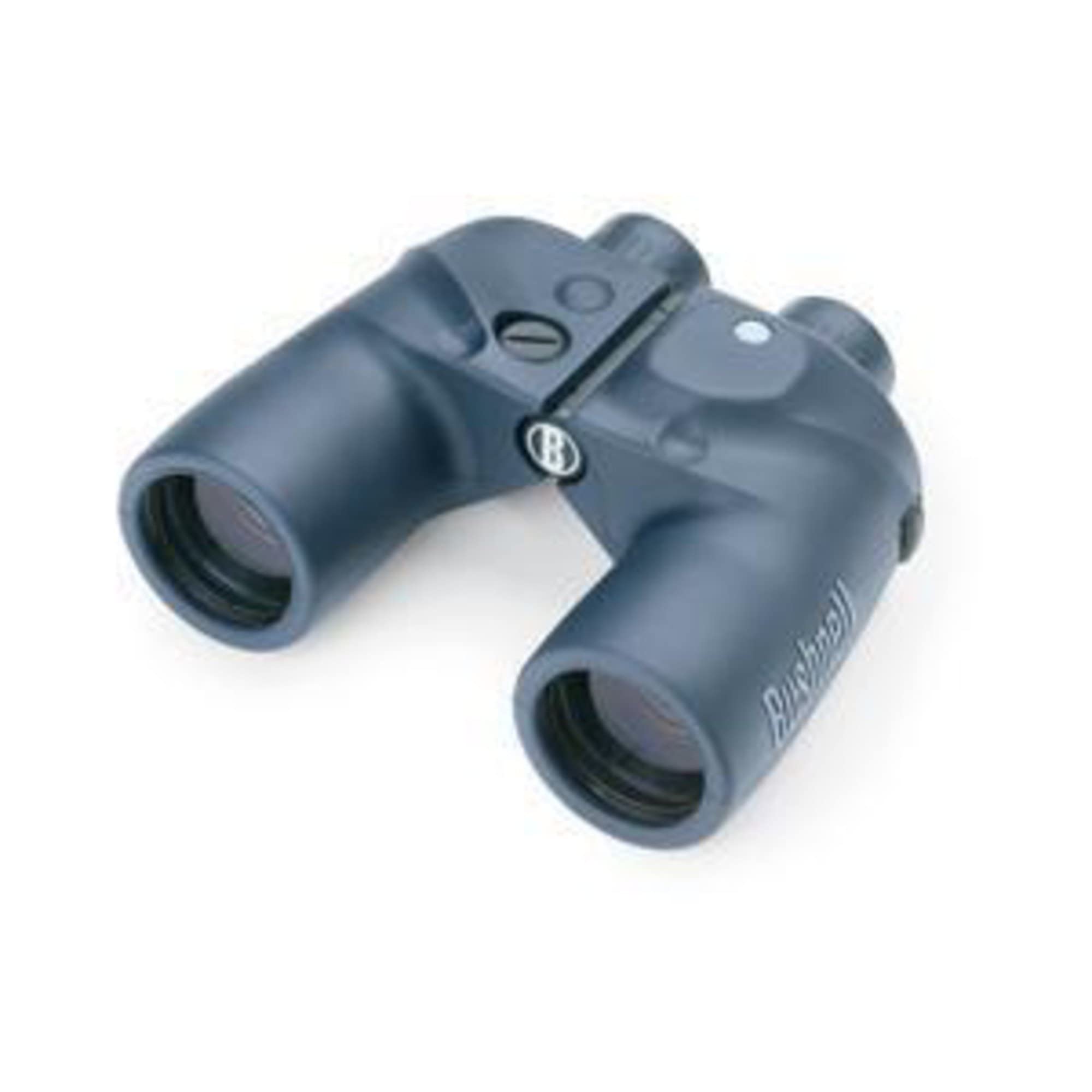


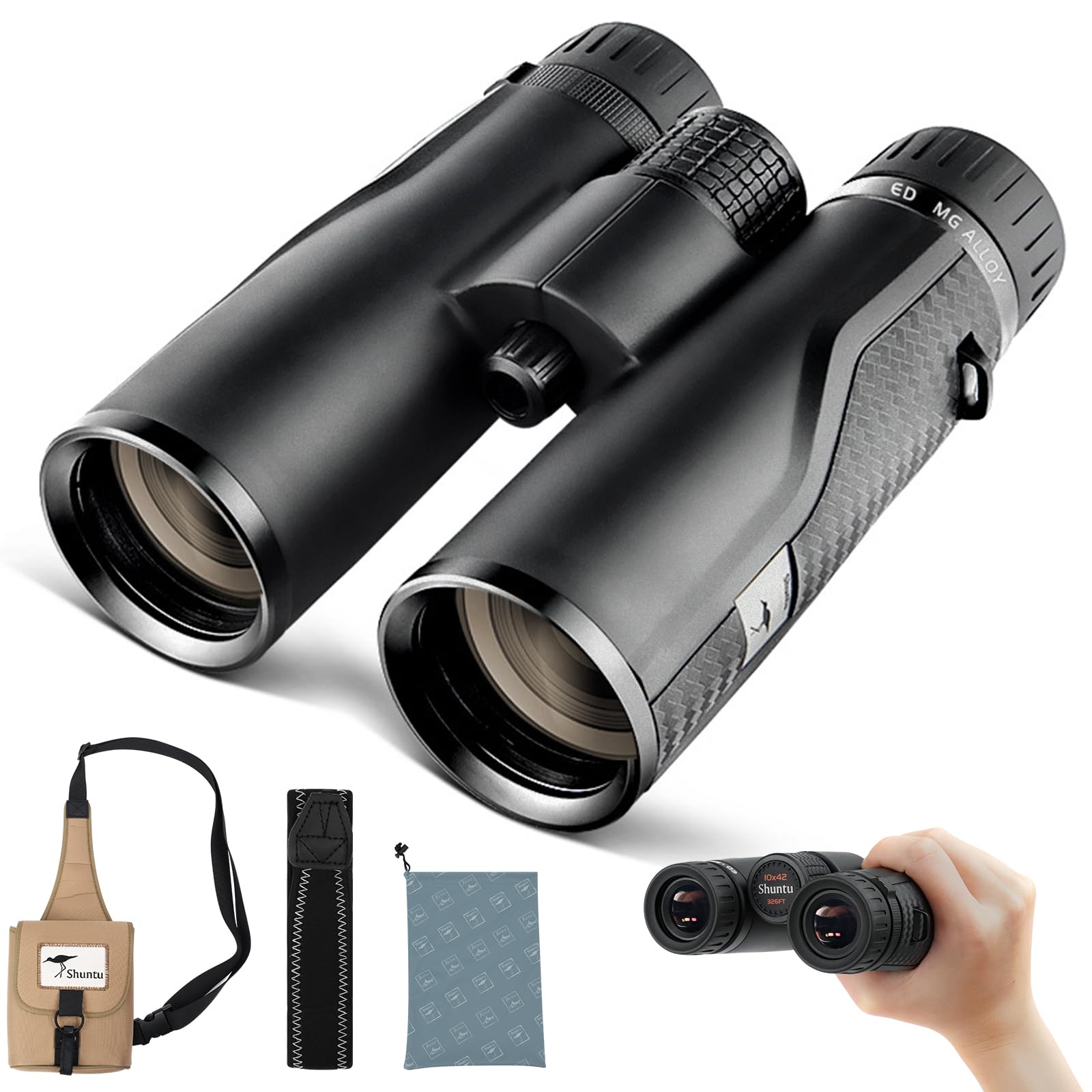

Types of Astronomy Binoculars Compared
Astronomy binoculars fall into a few broad types, each trading light gathering, size, and steadiness in a different way. Most beginner pairs cost about $60 to $250. Across all three types, the best astronomy binoculars for beginners favor bright, steady views over extreme power.
Full Size Binoculars with Porro Prisms
Full size pairs such as 7x50 and 10x50 use Porro prisms, the design with offset barrels and a wide body. The 50 mm objective lenses pull in plenty of light, so the Moon, open clusters, and bright nebulae look rich even from a suburban yard. They give a wide, relaxed view at a fair price, but they are bulky and can feel heavy during long sessions. Choose this type if you mostly observe from home.
Mid Size Roof Prism Binoculars
Roof prism pairs such as 8x42 and 10x42 have straight barrels and a slimmer shape for their lens size. The 42 mm lenses gather less light than a 50 mm pair, yet good coatings keep the view bright enough for most beginner targets, and the smaller body travels more easily. Prices run higher for the same optical quality, because this design costs more to make well. Choose this type for one pair that serves trips and home use.
Compact Binoculars for Quick Looks
Compact pairs use small objective lenses, often around 25 to 32 mm, and fold down to fit a jacket pocket. That small glass is their limit at night, because faint galaxies and dim clusters stay hard to see even under a dark sky. They still suit beginners who hike or travel light and want to sweep the Milky Way without carrying a full size pair. Choose this type only when portability matters most.
Who Should Buy Which Astronomy Binoculars?
Beginners Who Mostly Watch the Moon and Planets from Home
If your sessions happen on a porch or in a yard, a full size 7x50 or 10x50 pair gives the brightest view for your money and forgives unsteady hands at 7x. Comfort and light gathering should lead, since you never pack the pair small. Our broader roundup of the best binoculars astronomy models shows how home focused pairs compare.
Beginners Learning Star Clusters and the Milky Way
If you are learning to find clusters, double stars, and the Milky Way, a mid size 8x42 or a 10x50 pair balances reach with a wide enough field to locate targets. More reference stars stay in view, so following a chart or an app feels less frustrating. If you hold your pair for whole sessions, see our guide to the best handheld astronomy binoculars for steadiness tips by size.
Beginners Who Observe While Traveling or Camping
If your sky time happens away from home, weight and packed size decide whether the binoculars come along at all. A roof prism 8x42 pair is a sensible compromise, and a compact pair works when every ounce counts. Readers comparing general starter pairs may also like our guide to the best beginner binoculars, which covers shared basics like focus wheels and strap comfort.
Key Features to Compare
Magnification, Objective Lens Size, and Field of View
The two numbers in a name like 10x50 describe magnification first and objective lens size in millimeters second. Bigger lenses gather more light, while higher magnification enlarges the image but also magnifies hand shake and narrows the field of view, the width of sky visible at once. Around 6 to 8 degrees suits beginners, because more stars stay in view while you search. Most new observers do best with 7x to 10x and 42 to 50 mm lenses. If one size keeps coming up in your research, our guide to the best 10x50 binoculars for astronomy explains who that balance suits.
Exit Pupil and Brightness in Low Light
Exit pupil is the width of the light beam reaching your eye, found by dividing lens size by magnification, so a 7x50 pair gives about 7 mm and a 10x50 gives 5 mm. A larger exit pupil feels brighter and is easier to line up, which helps new observers learning to hold a steady view. Younger eyes under a dark sky use a large exit pupil fully, while older eyes or bright suburban skies often suit around 5 mm.
Prism Type and Lens Coatings
Prisms fold the light path inside the body, and glass grade matters, with BaK 4 glass generally giving a cleaner, brighter edge than BK 7 glass in this price range. Coatings cut reflections that would otherwise wash out faint stars, so look for fully multicoated optics rather than a single coated surface. Porro pairs often deliver this quality for less money, while roof prism pairs need phase coating for high contrast. These details explain much of the price gap between pairs with identical numbers.
Eye Relief and Comfort for Longer Sessions
Eye relief is the distance your eyes can sit behind the eyepieces while still seeing the whole field, and around 15 mm or more suits most people. If you wear glasses, look for about 17 mm or more plus twist up eyecups that stop at the right height. Also check the interpupillary distance range, because the barrels must fold to match your eye spacing. A well fitting pair causes less strain on long sessions.
Weight, Grip, and Using a Tripod Adapter
Weight decides how long you can hold a pair steady, and many 50 mm pairs weigh about 28 to 36 ounces, which tired arms feel within ten minutes. Rubber armor improves grip with gloves, and a shaped body rests securely in your palms. Most full size pairs hide a threaded socket under a front cap for a simple tripod adapter, giving rock steady Moon views. Budget for that adapter if you plan long sessions.
Common Mistakes to Avoid
- Buying the highest magnification on the shelf, so hand shake blurs stars and the narrow field hides targets.
- Choosing a compact travel pair as your only sky binoculars, so small lenses leave faint clusters and galaxies nearly invisible.
- Ignoring eye relief while wearing glasses, so you see only the center of the field you paid for.
- Skipping the tripod socket on a heavy 10x50 pair, so arm fatigue cuts every session short.
- Judging brightness by lens size alone, so poor coatings dim the view despite large glass.
- Storing binoculars in a damp garage, so moisture fogs the optics and invites fungus.
Setup and Care Tips for Astronomy Binoculars
Before your first session, set the interpupillary distance so the two circles merge into one, then focus the center wheel on a distant object and adjust the diopter ring until both eyes see equally sharp stars. Clean lenses only with a soft lens cloth or a blower, never your shirt, because grit scratches coatings. Store the pair in a dry, padded bag with caps on, and let it dry at room temperature after a dewy night.
Astronomy Binoculars: Your Questions Answered
What makes astronomy binoculars for beginners different from regular binoculars?
Astronomy pairs differ mainly in their larger objective lenses and brightness focused design. Daytime pairs often use 32 mm or smaller lenses that look fine in daylight but starve faint night targets of light. Beginner sky pairs also favor simple center focus wheels and generous eye relief over extras like rangefinders, and most include a tripod socket.
How much should a beginner spend on a first pair of astronomy binoculars?
Most beginners do well spending about $60 to $150 on a first pair. Below that range, coatings and prism glass often cut corners that dim the view, while about $150 to $250 mainly buys a smoother focus wheel and a sturdier build. Keep some budget aside for a padded case and a tripod adapter.
Which type of astronomy binoculars is better for low light for a beginner?
A full size 7x50 pair is usually the easiest low light choice for a beginner. Its wide exit pupil delivers a bright, forgiving image, and the modest power keeps the view steady. Under bright suburban skies, though, a 10x50 can show better contrast because the background sky looks darker at higher power.
What does 8x42 or 10x50 mean on astronomy binoculars?
The first number is magnification and the second is the objective lens diameter in millimeters. An 8x42 pair magnifies eight times with 42 mm front lenses, while a 10x50 magnifies ten times with 50 mm lenses. The numbers also predict handling, since the bigger lens usually means a heavier body. Divide lens size by magnification to estimate exit pupil.
What specs matter most when beginners choose astronomy binoculars?
Lens size, coatings, and eye relief matter most for beginners. Magnification gets the headlines, but clean coated glass and a comfortable fit change every session, while extreme power mostly adds shake. Also weigh the focus wheel, because a large center wheel you can turn with gloves makes winter observing far easier.
Is a smartphone enough instead of astronomy binoculars for a beginner?
No, a smartphone is not a substitute for astronomy binoculars. A phone can capture a bright Moon photo, but the live eyepiece view through real glass shows far more stars, with depth your eyes adjust to naturally. Binoculars also work instantly, with no screen glare ruining your night vision.
Wrapping Up
Pick the type first, then confirm lens size, exit pupil, and eye relief. Full size pairs suit home observers, roof prism pairs travel well, and compact pairs earn a place only when space is tight. The best astronomy binoculars for beginners are the ones you carry outside often, so favor comfort over extreme specifications. Compare your shortlist in the product table, then get out under the next clear sky.


