
Best Backing Fabric for Quilts: Buying Guide for 2026
Disclosure: We may earn a commission when you buy through links on this page, at no extra cost to you. As an Amazon Associate I earn from qualifying purchases. Learn more

Pick the best backing fabric for quilts by weight, width, fiber, and care so the finished quilt drapes softly and holds up to washing.
The back of a quilt gets as much wear as the top, yet it is often chosen last. A good backing should feel pleasant against the skin, drape the way you want, and survive repeated washing without shrinking into a stiff sheet. This guide explains how to pick best backing fabric for quilts for your project, from everyday bed quilts to lighter lap quilts, and the product table lays out options to compare.
Start with the finished size and how the quilt will be used. A bed quilt washed often needs a sturdy, easy care fabric in a wide width, while a wall hanging can use a lighter fabric chosen mainly for color and print. Measuring first prevents coming up short and having to piece the back from many small cuts.



Spending Levels for Quilt Backing
Backing fabric is usually sold by the yard, so the total cost depends on both the price per yard and the width you choose. A wide backing can cost more per yard but need fewer yards, which sometimes makes the total lower. Compare the full project cost, not only the shelf price, and remember that prewashing can shrink some cottons, so buy a little extra.
Lower Spending Level
At this level, look for plain cotton quilting fabric or muslin in a width that fits your quilt with as few seams as possible. These fabrics are easy to sew and wash, and come in many solid colors. They may feel thinner than premium options, but for a first quilt or heavy everyday use, a simple cotton back is sensible.
Expect to pay about $8 to $14 per yard for standard width cotton, with wide backing often priced a little higher per yard.
Middle Spending Level
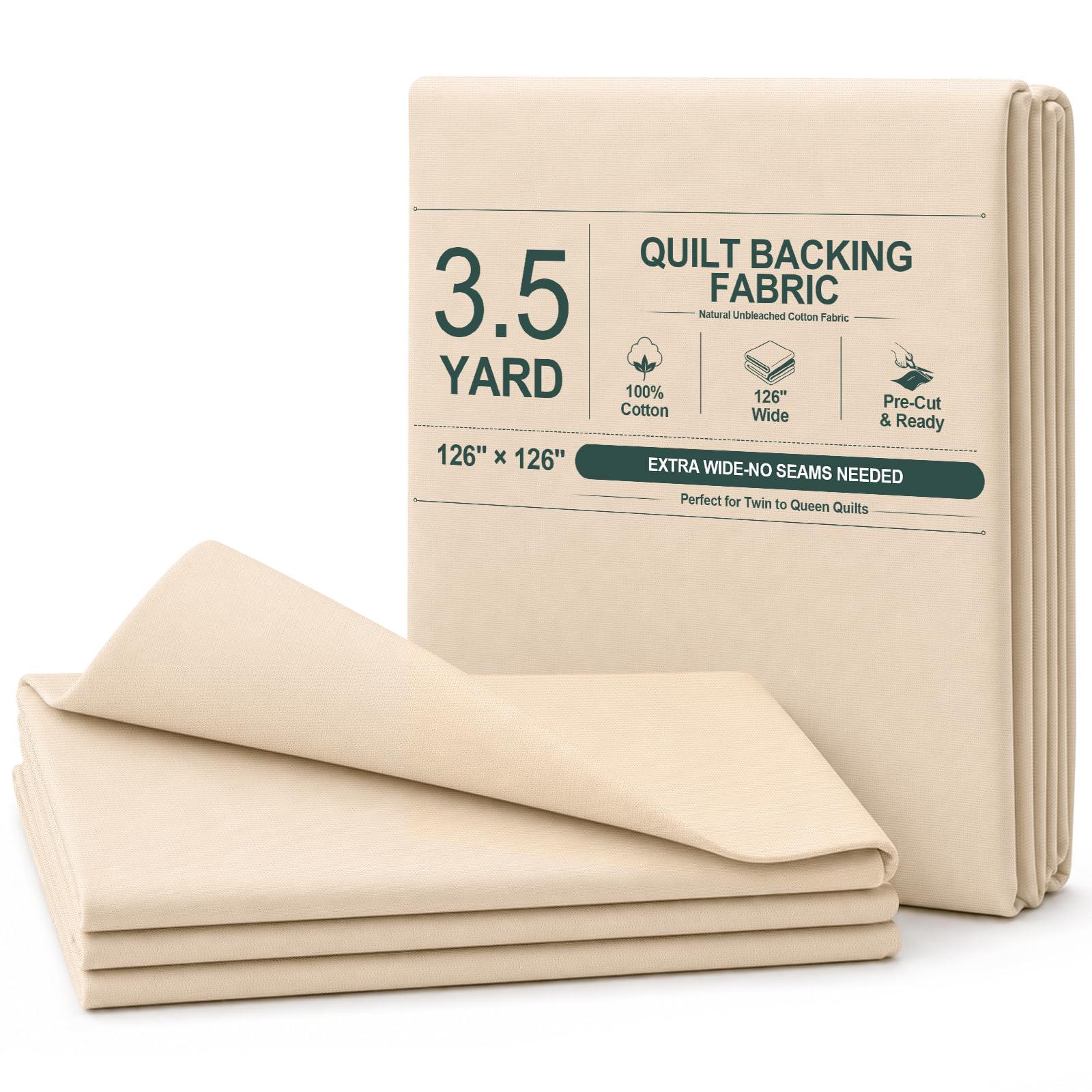
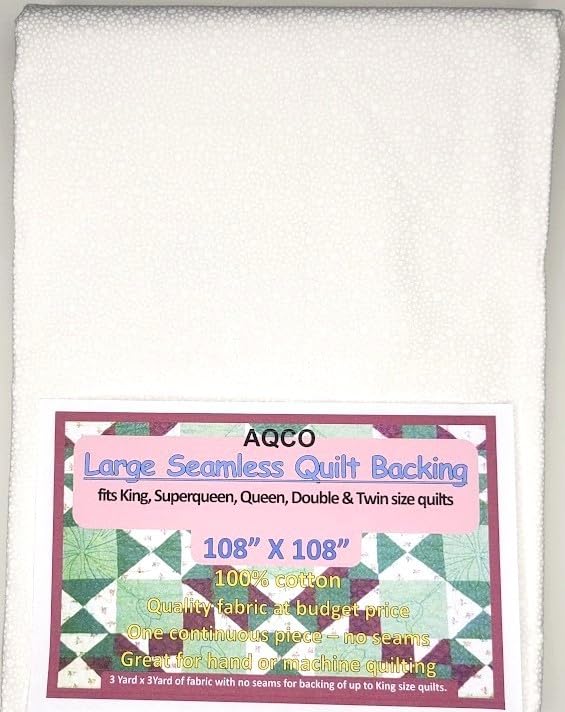
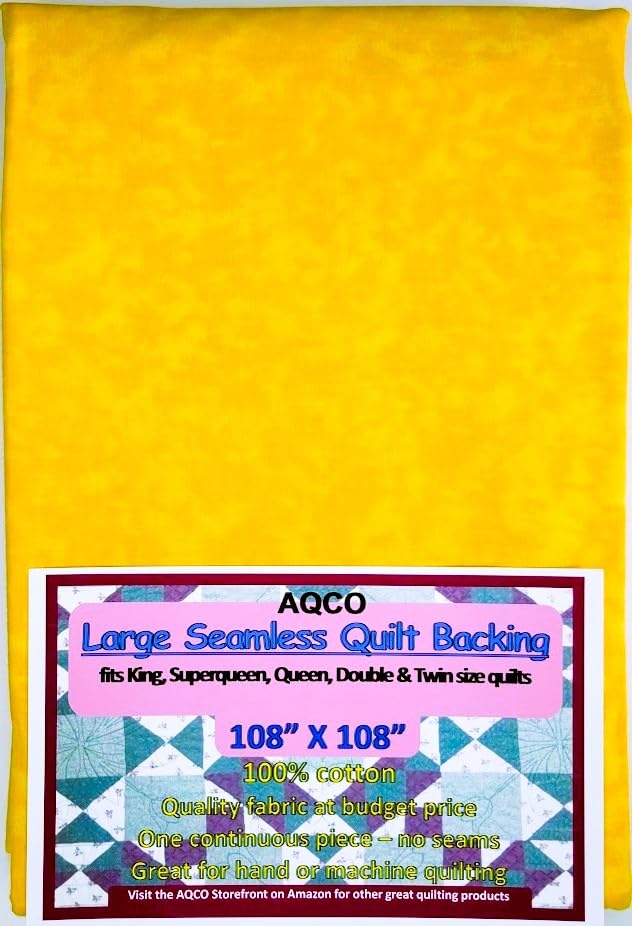
This level opens up wide backing fabric, which is made specifically for quilt backs and comes in widths such as 108 inches. Wide backing removes the need for a center seam on most bed quilts, giving a cleaner look and a stronger back. You will also find softer sateen, flannel for winter quilts, and more prints. Expect to pay about $14 to $22 per yard, and check whether the fabric has been preshrunk, since that affects how much extra you should buy.
Higher Spending Level
At the higher level, you are paying for specialty fibers, denser weaves, organic cotton, or a distinctive print that matches the quilt top exactly. Minky and other plush backings also sit here, and they add warmth and a soft hand feel that many people love for lap quilts.
These fabrics may need gentler washing, so read the care label before you commit. Expect to pay about $22 to $35 per yard, and allow extra for directional prints and shrinkage.
How to Choose the Best Backing Fabric for Quilts
Choosing a backing is simpler once you focus on the factors that matter for fabric. A high thread count alone does not guarantee a good quilt back. Look at fiber, weight, weave, width, color, and care, and hold a swatch against the quilt top before buying the full amount. If you are still deciding on the back itself, see our guide to best backing for quilts for a broader look at backing choices.
Features That Matter for Quilts
For quilts, the key features are drape, durability, and washability. Drape describes how the fabric falls and folds; a stiff fabric makes a quilt feel board like, while a soft fabric settles over a bed or lap. Durability means the weave holds up to washing and quilting stitches. Choose a fabric that can be machine washed and dried gently without heavy fading.
Material and Fill
Cotton is the most common backing fiber because it is breathable, easy to sew, and widely available in quilt widths. Flannel, which is brushed cotton, adds warmth and a soft nap that suits winter quilts. Muslin is a plain, lower cost cotton that works well for practice quilts and for backs that will rarely be seen. Polyester blends can add wrinkle resistance and lower cost, but they may feel less breathable in warm weather.
Batting, the layer inside a quilt, is separate from backing fabric, so choose batting weight and backing fiber as two different decisions. For a related look at fabric for rag quilts, see our guide to best fabric for rag quilts, which covers scrap friendly fabrics that suit a different style of quilt.
Durability and Care
A durable backing has a tight, even weave with no thin spots or pulled threads, and it should not fray badly when cut. Prewash the fabric as you plan to wash the finished quilt, then measure again, since cotton can shrink by several percent. If the quilt will be washed weekly, choose a fabric that can be machine washed and dried rather than one that needs dry cleaning.
Cooling and Breathability
Breathability in a quilt back comes mainly from fiber and weave. A light cotton percale breathes well and suits warm sleepers, while a dense sateen feels smoother but can trap a little more warmth. Flannel and plush fabrics are warmer choices for cold rooms. If you sleep hot, pair a light backing with a light batting rather than trying to fix warmth with the backing alone.
Certifications
Some fabric labels carry certifications such as OEKO TEX Standard 100, which relate to the substances found in the fabric rather than comfort or durability. These labels can be reassuring if you are sensitive to finishes, but they do not tell you how the fabric will drape or wash. Read fiber content and care first, and treat certification as a bonus.
Drape and Noise
A quilt back should move quietly and fold softly. Some coated or very stiff fabrics can rustle when the quilt moves, which is annoying on a bed quilt even if the fabric looks good. Hold the fabric in your hands, scrunch it gently, and listen. A soft cotton or flannel will stay quiet, while a stiff synthetic may crackle.
Drape also affects quilting: a fabric that is too stiff can pucker around stitches, while a fabric with a little give feeds more evenly under the needle.
Types of Backing Fabric
No single type is the best backing fabric for quilts of every size, so match the type to the quilt size, the season, and how often it will be washed. When in doubt, a medium weight cotton is the safest starting point.
Cooling Fabrics
Light cotton lawn and cotton percale are the closest thing to a cooling backing fabric. They are thin, breathable, and smooth, which suits summer quilts and warm rooms. Their drawback is that very light fabrics can show batting texture more and may wear faster on a heavily used bed quilt. Pair them with a light batting for the coolest result.
Blended Fabrics
Blended backing combines cotton with polyester or another fiber to balance softness, durability, and price. Blends often wrinkle less than pure cotton and may shrink less, which helps a quilt that will be laundered often. The trade off is breathability, since a high polyester share can feel warmer. Favor blends with a cotton majority for bed quilts.
Cotton Percale and Sateen
Percale is a plain weave cotton with a crisp, matte feel and good breathability, while sateen uses a satin weave that feels smoother and looks slightly shinier. Percale suits everyday quilts and warm sleepers, and sateen suits quilts where a soft, smooth back is the priority. Sateen can show quilting stitches a little less clearly, so if you want your quilting pattern to stand out on the back, percale is usually the better pick.
Plush and Specialty Backing
Plush fabrics such as minky give a soft, fuzzy back that many people love for baby quilts and lap quilts. They add warmth, but they can be slippery to sew and may shed in the first wash, so prewash and use a walking foot if your machine has one. Reserve plush backing for gently used quilts, and keep everyday bed quilts in cotton for easier care.
Care and Maintenance Tips
- Prewash backing fabric before cutting, using the same settings you plan for the finished quilt, so shrinkage happens before assembly.
- Wash finished quilts on a gentle cycle with mild detergent, and dry on low heat, since high heat can fade prints and stiffen fibers.
- Use a color catcher sheet on the first wash of a strongly colored backing, and wash dark backs separately until you know the dye is stable.
- Fold quilts for storage rather than hanging them long term, since hanging can stretch the backing and distort the shape.
- Press seams with a warm iron and a pressing cloth for delicate prints, and avoid high steam on plush fabrics, which can flatten the nap. If you label your quilt, see our guide to best fabric pens for quilts for marking tools that suit fabric, and see our guide to best printable fabric for quilts if you plan to print a label or photo panel for the back.
- Inspect the back after each wash for loose stitches or fraying seams, and repair small problems early before they spread.
Frequently Asked Questions
What features matter most in backing fabric for quilts?
Fiber, weight, width, and care matter most, in that order. Fiber decides breathability and feel, weight decides drape and warmth, width decides how many seams the back will need, and care decides whether the quilt stays usable after many washes. A backing that is strong but hard to wash will disappoint faster than a lighter fabric that launders well. Always check the width on the product page, since a fabric that looks wide in a photo may be standard width.
Are light backing fabrics worth it for hot sleepers?
Yes, a light cotton percale or lawn backing can help a summer quilt feel cooler, but the batting matters just as much. A heavy batting under a light backing will still trap warmth, so pair light backing with light batting and a simple quilting pattern that leaves the quilt flexible. Avoid plush or flannel backs for hot sleepers, and wash the quilt before first use so any factory finish is removed.
How do I wash backing fabric safely?
Prewash yardage before cutting, then wash the finished quilt on a gentle cycle in cool or warm water with mild detergent. Dry on low heat or line dry, and skip fabric softener on the first few washes, since softener can coat fibers and reduce absorbency. For plush fabrics, wash them inside out in a laundry bag to reduce shedding. Keep a small swatch with your care notes to try a new detergent before using it on the whole quilt.
What backing works best for a quilt used every night?
A medium weight cotton in a wide width is the most reliable choice for nightly use. It handles frequent washing, resists fraying at seams, and stays comfortable across seasons when paired with a medium batting. Wide backing also avoids a center seam, which is often the first place a heavily used quilt shows wear. Choose a solid or small print in a color that hides light lint.
How often should I replace quilt backing?
Backing rarely needs replacing on its own, since it is sewn into the quilt as one layer. Instead, watch for thinning fabric, fraying along seams, or quilting stitches pulling through the weave, which signal that the quilt as a whole is wearing out. A well made cotton backed quilt used nightly may last many years with gentle washing, while a quilt stored damp or washed hot will wear faster. Repair a torn seam early rather than replacing the back, which would mean taking the quilt apart.
Is a higher thread count always better for quilt backing?
No, thread count alone does not decide quality for quilt backing. A very high thread count can mean a dense, stiff fabric that drapes poorly and is hard to needle by hand, while a moderate count cotton can quilt smoothly and wash well. What matters more is even weaving, good fiber, and a weight that suits the quilt.
Hold the fabric, check for thin spots against the light, and sew a small sample square before buying yards of an unfamiliar fabric. That sample tells you more than any single number on a label.
Wrapping Up
Pick the backing by weight and width first, then by color and care, and prewash before you cut. A medium weight cotton in a wide width is the safest choice for a first quilt, while flannel suits winter quilts and plush fabrics suit gentle use lap quilts. Check the product table above once more, buy a little extra for shrinkage and seams, and you will have the best backing fabric for quilts you are making, ready to support the quilt top for years of washing and use.


