Best Arch Support Work Boots in 2026: Which Type Is Right for You?
Disclosure: We may earn a commission when you buy through links on this page, at no extra cost to you. As an Amazon Associate I earn from qualifying purchases. Learn more

Best arch support work boots for long shifts on hard floors: compare types, fit, cushioning, traction, and durability.
Long shifts on concrete, gravel, and ladders can leave your feet tired, and the wrong pair can make every step feel harder than it should. The best arch support work boots for you depend on your job, your foot shape, and how many hours you spend standing, walking, or climbing each day. Use the product table and the type comparison below to see the main options side by side before you read the detail.
This guide compares boot types rather than describing individual products. It explains how arch support works inside a work boot, what to check during fitting, and which trade offs matter most for your daily routine.


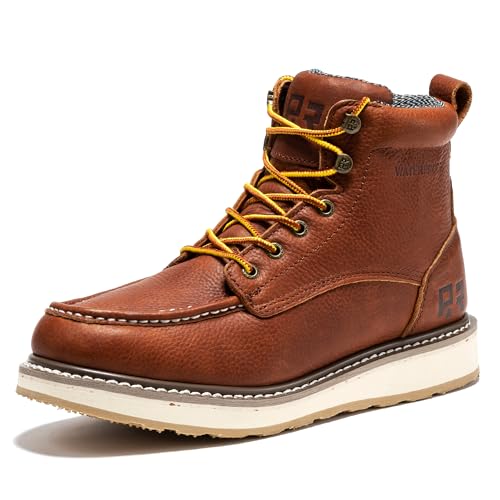


Types of Arch Support Work Boots Compared
Arch support in a work boot comes from the shape of the footbed, the firmness of the midsole, and the way the boot holds the heel steady. Some boots build support into a shaped insole, while others use a firmer midsole that resists rolling inward. The right choice keeps your foot aligned without pressing hard into the arch or forcing your stride into an unnatural pattern. Check your employer rules first, since some sites require a specific toe style, sole rating, or boot height, and no boot can guarantee protection against every workplace hazard.
| Type | Best For | Pros | Cons | Typical Price |
|---|---|---|---|---|
| Stability and support work boots | Long shifts on hard floors | Steady heel, firm arch shape | Heavier, needs break in time | around $120 to $200 |
| Waterproof work boots | Wet yards, washdown areas, mud | Keeps feet dry, sealed seams | Warmer, slower to dry inside | around $130 to $220 |
| Lightweight work boots | Fast paced indoor work | Less leg fatigue, flexible feel | Less rugged for rough ground | around $90 to $170 |
| Cushioned work boots for long shifts | Standing in one place for hours | Soft step in feel, shock absorption | Foam can flatten with heavy use | around $110 to $190 |
Stability and Support Work Boots
These boots use a firm midsole and a shaped footbed to keep the foot from rolling too far inward during each step. A structured heel counter helps the heel land in the same place again and again, which matters on long walks across a warehouse or yard. They often feel stiff at first, so allow a short break in period before judging comfort on a full shift. Workers who stand on concrete all day often prefer this steady feel, provided the arch shape matches their own foot rather than pressing into it.
Waterproof Work Boots
Waterproof work boots use sealed seams and a waterproof membrane to keep rain, puddles, and washdown water out of the boot. That protection matters most for outdoor crews, food plant staff, and anyone who crosses wet ground often. The trade off is warmth, since a sealed boot traps more heat than a ventilated one, and a soaked lining takes longer to dry. Look for a gusseted tongue that blocks water at the ankle and a sole pattern that sheds mud rather than packing it into the tread.
Lightweight Work Boots
Lightweight work boots trade some bulk for speed and flexibility, which suits indoor trades, delivery work, and jobs with frequent stair climbs. Composite toe versions often weigh less than steel toe versions, but always confirm which toe style your site requires before choosing by weight alone. A lighter boot still needs a stable heel and a firm enough midsole to support the arch, or the weight saving will cost you comfort by midday. Check that the sole grips the floors you actually walk on, from polished concrete to dusty ramps.
Cushioned Work Boots for Long Shifts
Cushioned boots focus on soft foam under the heel and forefoot, which can ease the ache of standing in one place for hours. The cushion should still sit on a stable base, or the foot will sink and roll as the foam compresses. This type suits assembly work, retail stockrooms, and inspection roles where walking distance is short but standing time is long. Expect the foam to lose some spring over months of daily use, so track how the boots feel at the end of a shift rather than only when they are new.
Stability and Support Work Boots Compared With Cushioned Work Boots
Stability boots control motion, while cushioned boots soften impact, and many workers need a blend of both. If your feet roll inward or your arches feel tired after walking long distances, the firmer structure of a stability boot usually helps more. If your main problem is sore heels from standing still, softer cushioning may matter more than strict motion control.
Try both styles late in the day when your feet are slightly swollen, and walk on a hard surface for several minutes before deciding. A boot that feels supportive in the store but pinches the arch after an hour is not the right match.
How to Choose the Right Arch Support Work Boot
Start with the demands of your job, then narrow by fit, and only then compare prices. A boot that meets your site rules and fits your foot shape will serve you better than a cheaper pair that rubs, slips, or leaves your arches aching. The picks in the table can help you shortlist, but the final check is always how the boots feel after real work.
Durability and Expected Lifespan
Work boots wear out from the sole up, so check stitching, sole bonding, and heel wear before looking at cosmetic details. Daily wear on rough ground shortens life compared with indoor use, and heavy loads add stress to the midsole. Many workers replace daily wear boots about once a year, but the honest signal is change: flatter cushioning, a leaning heel, or new foot soreness. Replace a pair when support fades, even if the upper still looks fine.
Outsole Traction and Terrain
Sole patterns should match your ground. Deep, widely spaced lugs shed mud and grip loose soil, while a flatter pattern grips smooth concrete and oily floors better. Oil resistant and slip resistant ratings help, but they describe set rating conditions, not every surface you will meet. Walk the boots on your usual surfaces during the return window and note any sliding on ramps, wet tile, or metal plates.
Cushioning and Support
Cushioning softens each step, while support shapes how the foot moves through that step, and you need both in balance. A very soft footbed can feel pleasant at first yet let the arch collapse under load, while a very firm footbed can feel harsh if it does not match your arch height. The heel to toe drop, meaning the height difference between heel and forefoot, also changes how pressure spreads across the foot. If you have reduced feeling in your feet, a circulation condition, diabetes, or an ongoing foot problem, talk with a clinician about suitable support and footwear before relying on any boot for comfort.
Fit, Sizing, and Toe Box
Measure and try boots in the afternoon, when feet are at their largest, and wear the socks you use at work. The toe box should let your toes spread without pressing the sides, and the heel should stay seated when you walk uphill. A removable insole is useful because it lets you swap in a different insole without changing boot size, and our guide to the best arch support insoles for work boots explains that option in detail. If one foot is larger, fit the larger foot and adjust lacing on the other side.
Break In Period and Comfort Out of the Box
Full leather boots often need a week or two of shorter wear to soften, while fabric and composite designs may feel comfortable on day one. Break in should mean mild stiffness that eases, not blisters, numb toes, or sharp pressure on the arch. Wear new boots for a few hours at home or on light duties first, then build up to a full shift. If pain grows worse rather than easing, the fit or support shape is wrong, and a clinician can advise when foot pain persists.
Tips to Get the Most From Your Arch Support Work Boot
Rotate two pairs when you can, since a rest day lets foam rebound and linings dry fully. Air dry wet boots away from direct heat, which can crack leather and warp insoles. Replace insoles when they flatten or tilt, because worn insoles change arch support long before the outer boot fails.
Keep laces snug across the midfoot without cutting off circulation, and check sole wear monthly if you walk on abrasive ground. For a simpler boot without built in arch shaping, our guide to the best boots with arch support covers the same fitting checks in a shorter form.
Arch Support Work Boots: Your Questions Answered
How should arch support work boots fit?
They should hold the heel firmly, leave a thumb width of room ahead of the longest toe, and let the arch rest on the footbed without a hard ridge pressing upward. Lace tension should feel even across the midfoot, with no numbness or slipping when you climb stairs. Try them with work socks and walk on a hard floor for at least ten minutes, since carpet hides fit problems that concrete reveals quickly.
Are expensive arch support work boots worth it?
A higher price often buys better leather, stronger stitching, and longer lasting foam, but price alone does not guarantee the right arch shape for your foot. Compare the footbed shape, midsole firmness, and sole durability at each price level, and weigh how many hours you wear the boots each week. A mid priced pair that fits well usually beats a costly pair with the wrong arch profile or toe style for your site.
Can I wear arch support work boots all day?
Yes, provided the fit is right and the support matches your foot, since many work boots are made for full shifts. Soreness in the first few days can come from break in, but sharp pain, numbness, or blisters signal a fit problem rather than normal adjustment. Rotate pairs when possible, and if discomfort persists or worsens, seek clinician advice rather than pushing through a full week in painful boots.
How long is the break in period?
Most work boots break in within a few days to two weeks of regular wear, depending on leather thickness and construction. Fabric boots often need only a few shifts, while heavy leather may need longer and benefits from shorter initial wear. The boots should grow more comfortable over that period, and any pressure point that stays sharp after two weeks points to a sizing or shape mismatch worth exchanging.
Do I need waterproof work boots?
You need them when your job regularly involves rain, mud, standing water, or washdown areas, since wet feet chill quickly and blister more easily. For dry indoor work, a ventilated boot keeps feet cooler and dries faster after sweating. A waterproof membrane adds warmth, so outdoor winter crews gain more from it than indoor summer workers, and sealed seams matter as much as the membrane itself.
How often should I replace my arch support work boots?
Replace them when cushioning flattens, the heel leans, the sole loses grip, or new foot soreness appears, rather than on a fixed calendar date. Daily wearers often reach that point within about a year, while occasional wearers may get several years from the same pair. Inspect the footbed and midsole every few months, since support can fade while the upper still looks presentable and sturdy.
Our Verdict on the Best Arch Support Work Boots
The best arch support work boots for you are the pair that matches your site rules, fits your arch shape, and still feels steady at the end of a long shift. Prioritize fit and support shape over brand claims, check traction on your real surfaces, and replace insoles or boots when support fades. If ankle support matters as much as arch support for your job, compare the options in our guide to the best work boots for ankle support before you decide, and use the picks in the table to revisit the options that fit your work best.