
Best Asics Neutral Running Shoes 2026: A Buying Guide
Disclosure: We may earn a commission when you buy through links on this page, at no extra cost to you. As an Amazon Associate I earn from qualifying purchases. Learn more

Asics neutral running shoes suit runners without strong overpronation. Learn how to check gait, cushioning, drop, and fit before you buy. Shop confidently.
The best asics neutral running shoes suit runners whose feet do not roll excessively inward, offering cushioning without heavy stability correction. This guide explains how to tell if you are a neutral runner, which cushioning suits your distance, and how fit should feel. The product table lists neutral ASICS models so you can compare them side by side.
Neutral shoes suit runners with a neutral gait, normal arches, and no history of overpronation. They are a poor fit for runners who overpronate strongly, because a neutral shoe lacks the support that keeps the foot aligned over many miles.
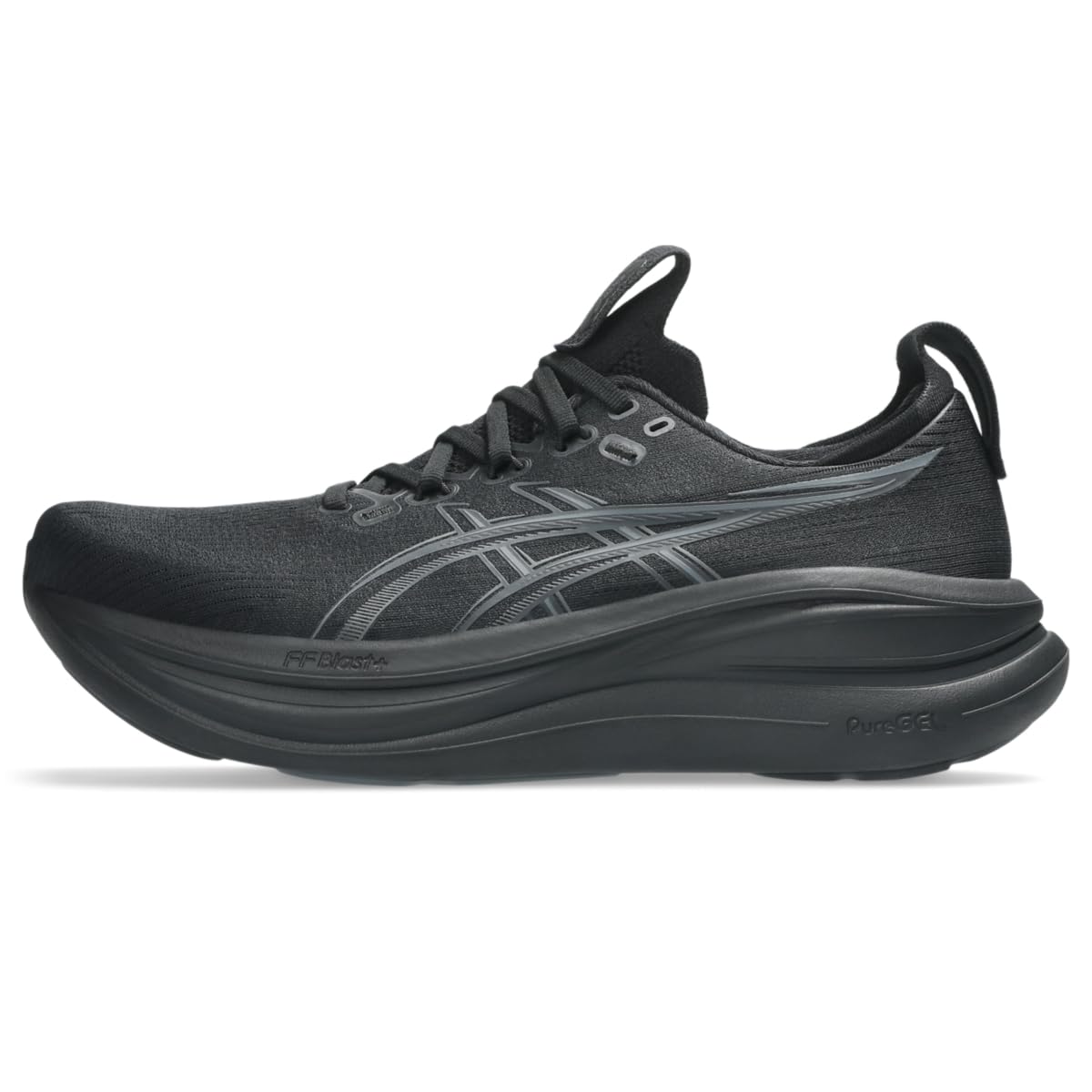

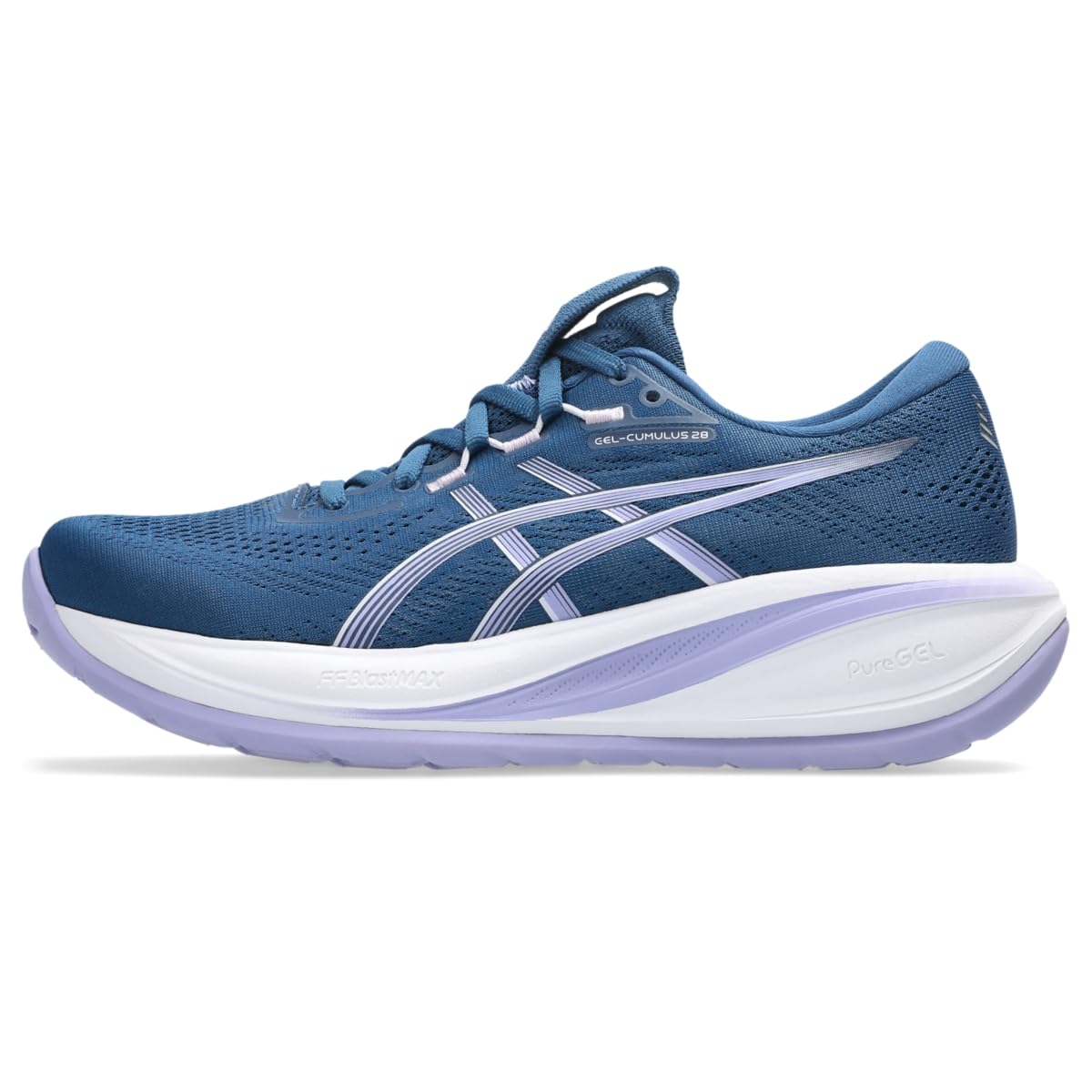
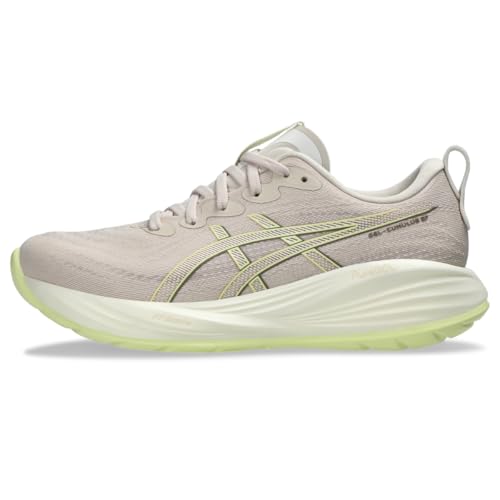
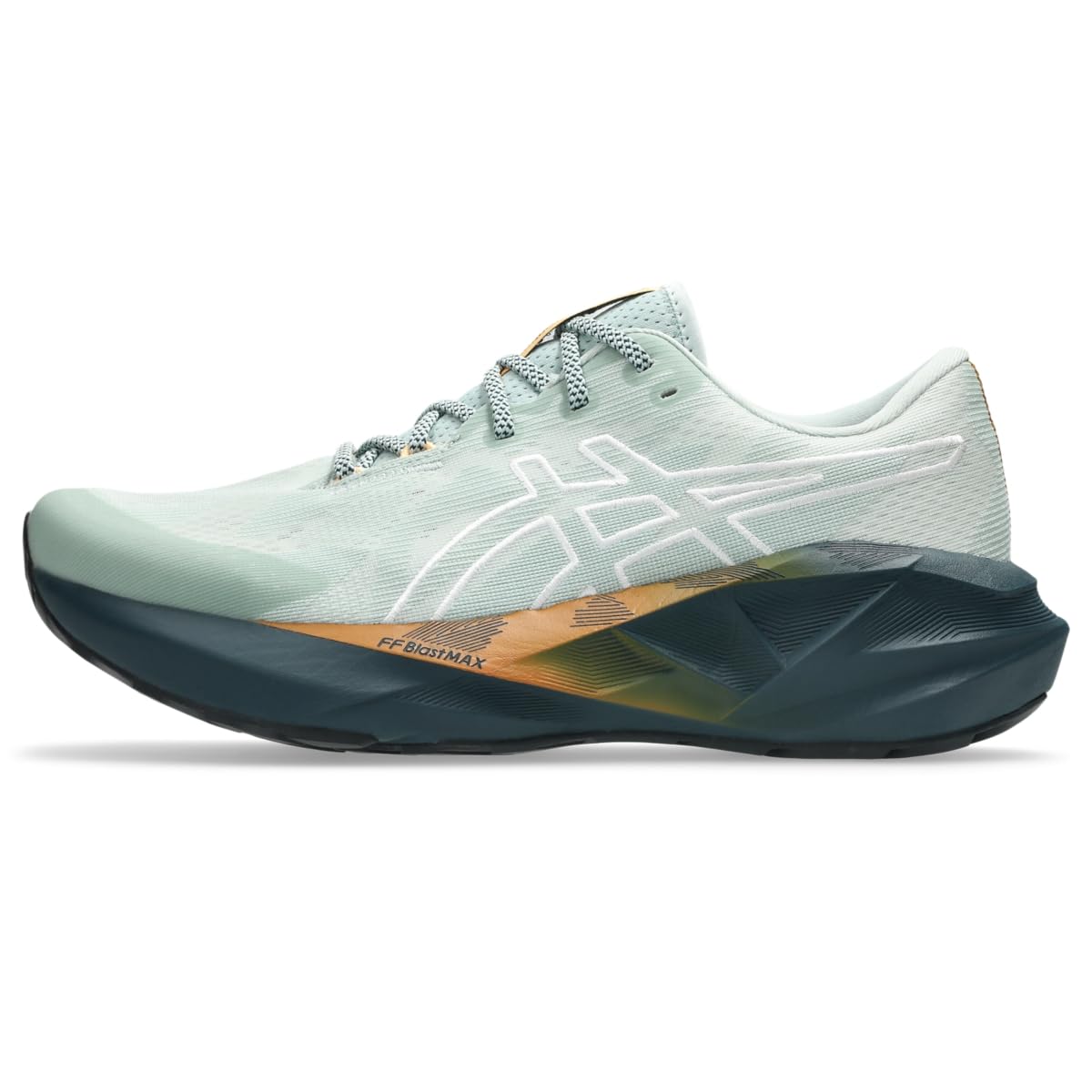

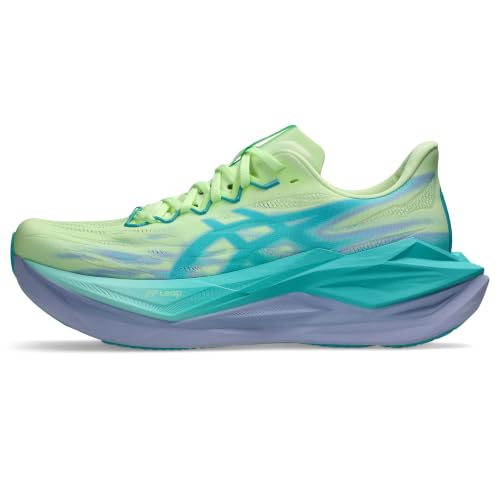
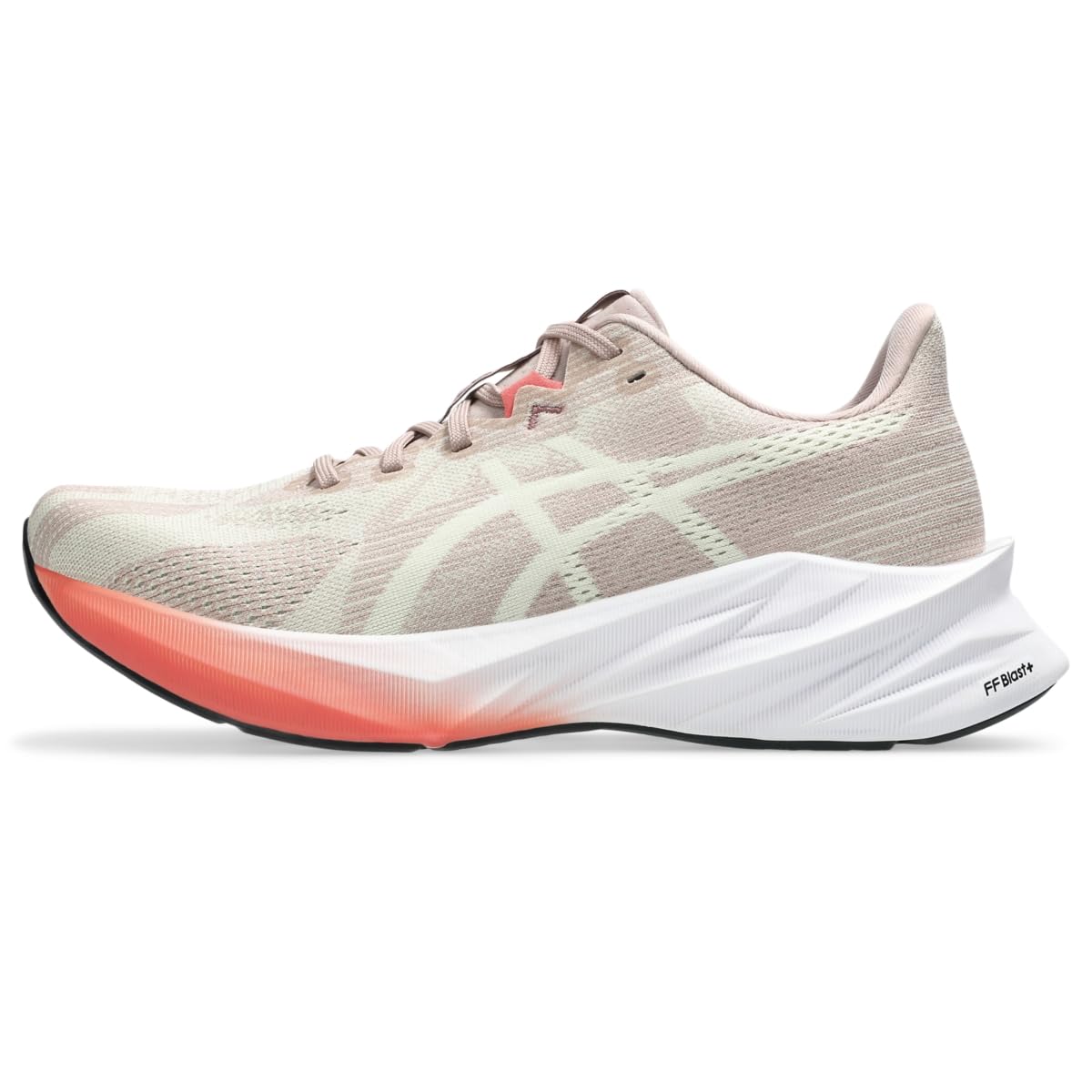
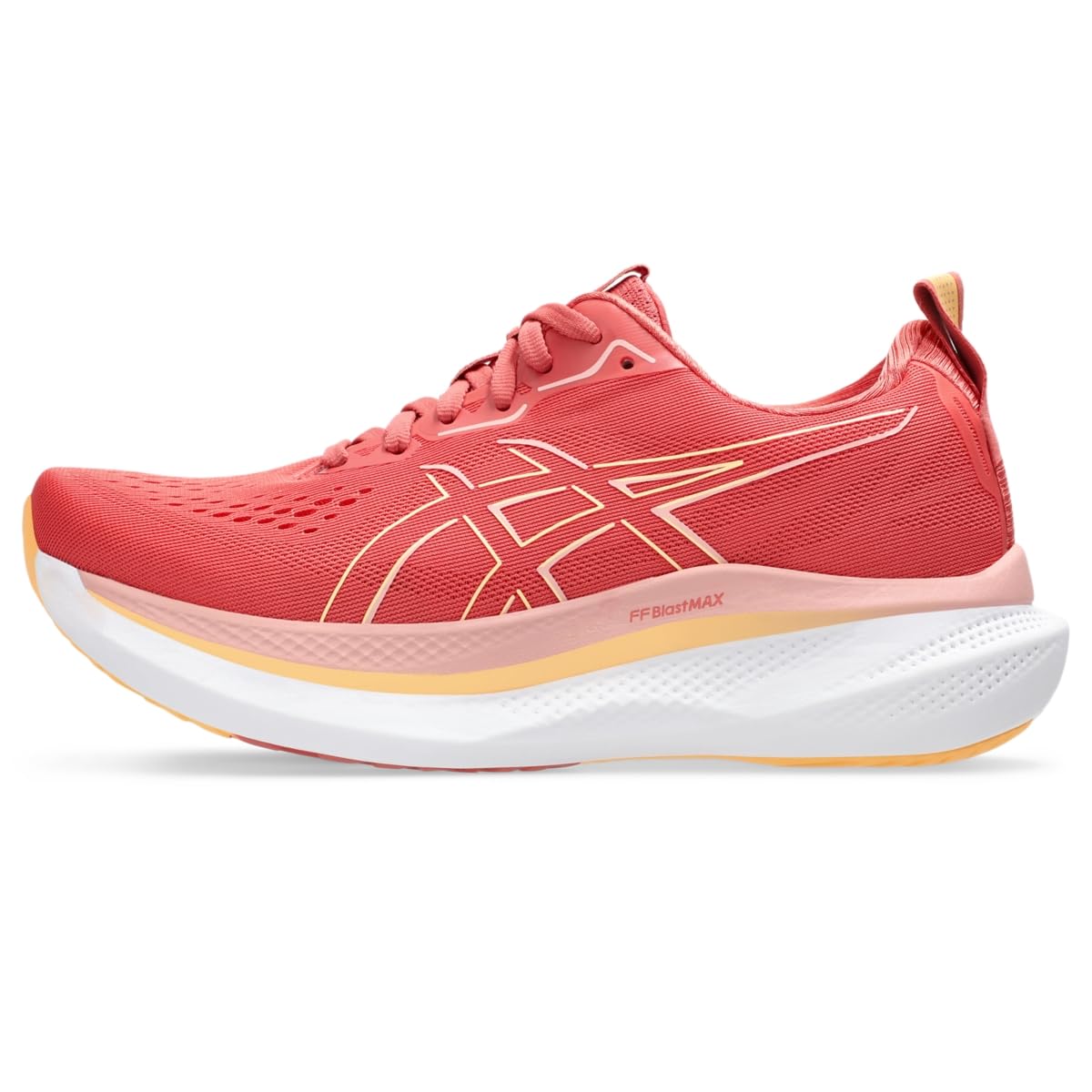
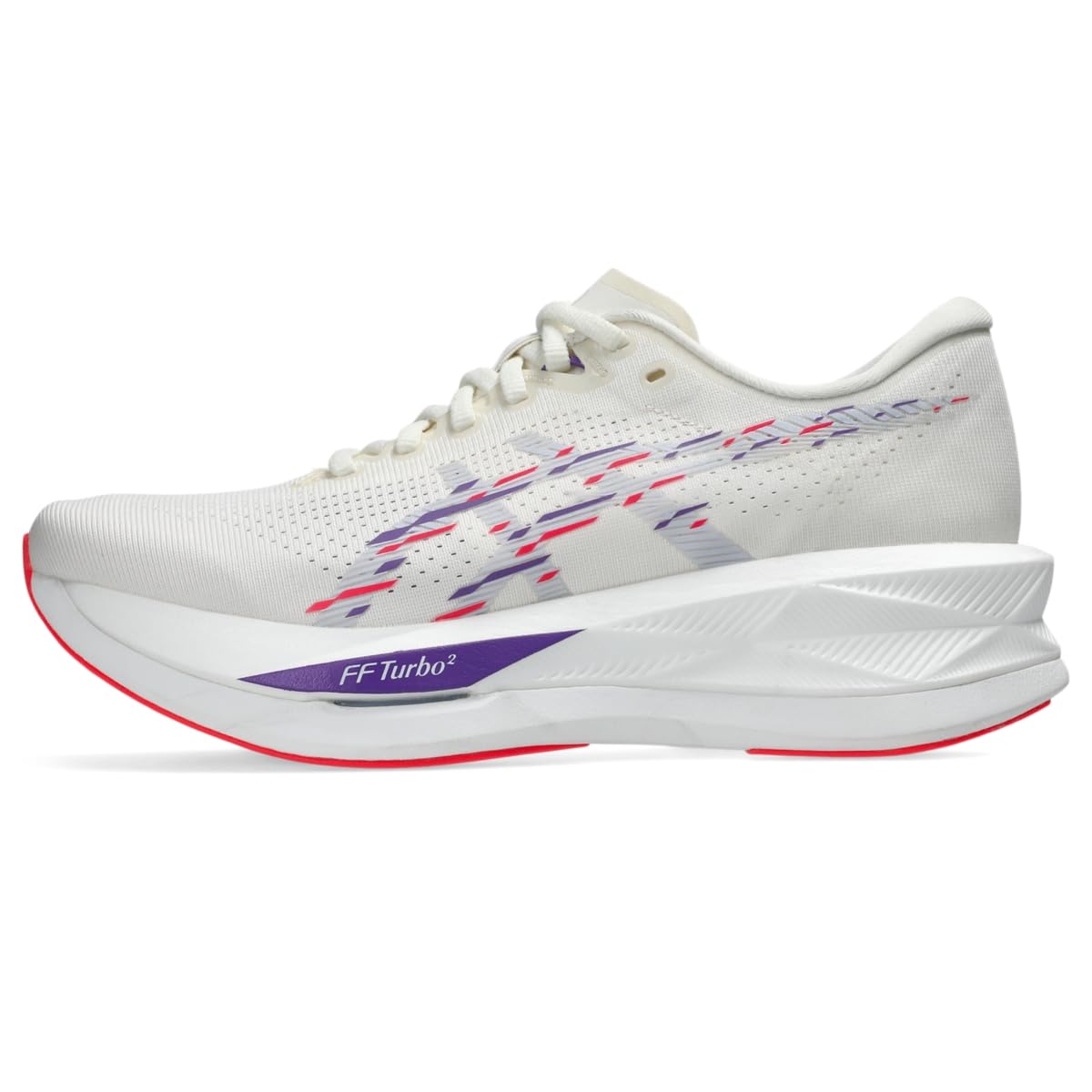
Who Should Buy These and Who Should Skip Them
Start with how you run most days, not with the longest feature list. A product that matches your main use will feel right quickly, while a product chosen for rare extras often disappoints in daily use.
Think about your space, your budget, and how long you expect the product to last. The product table summarizes the main choices, and the sections below explain each factor so you can weigh trade offs with confidence.
Types to Compare
Different types of asics neutral running shoes suit different routines, so compare them by how you will actually use the product. The descriptions below focus on practical differences you will notice in daily use.
Daily neutral trainers
Daily trainers balance cushioning, weight, and durability for regular road running. They suit most neutral runners for easy runs and long runs, as long as the fit matches your foot shape.
Lightweight neutral shoes
Light shoes suit faster runs and races, with less cushioning and a lower weight. They feel lively, but they wear faster and offer less protection on long runs, so rotate them with a daily trainer.
Max cushion neutral shoes
Max cushion shoes add thick foam for comfort on long runs and recovery days. They suit heavier runners and long distance runners, but the high stack can feel less stable on uneven ground.
Neutral trail shoes
Trail versions add grip and protection for off road running. They suit neutral runners who run on trails, but they feel heavier and stiffer on roads, so keep road shoes for pavement.
Neutral shoes for wide feet
Wide versions give extra room in the forefoot without changing the neutral ride. If your toes feel cramped in a standard width, a wide version is better than sizing up in length, which can cause heel slip.
Key Features Explained in Plain Language
Feature lists can hide what matters, so this section explains each key feature in plain language. Use it to shortlist products that meet your needs, then check the remaining details before you order.
Gait and pronation check
A running shop gait analysis or a wet footprint test can hint at neutral running, but neither is perfect. Look at wear on old shoes too, since even wear across the heel and forefoot suggests a neutral gait.
Cushioning type
Soft foam feels plush but can feel unstable, while firmer foam feels responsive and lasts longer. Try both on a short run if possible, because cushioning preference is personal and changes with distance.
Drop and stack height
Drop is the height difference between heel and forefoot, usually 8 to 12 mm for daily trainers. A lower drop suits forefoot runners, while a higher drop suits heel strikers, but change drop gradually to avoid calf strain.
Fit and toe room
Your toes need room to spread, with about a thumb width between your longest toe and the shoe end. Check fit in the afternoon, when feet swell slightly, and wear the socks you run in.
Durability and replacement
Most running shoes last 300 to 500 miles, depending on weight, surface, and gait. Replace them when cushioning feels flat or the outsole wears through, even if the upper still looks new.
Mistakes to Avoid
Most disappointing purchases come from a few common mistakes, not from a single bad product. Avoiding them saves time, money, and the hassle of a return.
- Choosing a neutral shoe when you actually overpronate strongly.
- Sizing up in length to fix a narrow forefoot, which causes heel slip.
- Judging cushioning only by pressing foam in the shop, not by running.
- Keeping shoes long past 500 miles because the upper still looks fine.
Care and Mileage
Rotate two pairs if you run often, so foam recovers between runs. Air dry shoes after wet runs, never use a hot dryer, and keep a mileage log so you know when cushioning is likely worn. Talk with a clinician if foot, knee, or shin pain persists despite good shoes.
Related Guides Worth Reading
If you are still comparing options, these related guides cover nearby choices that readers often consider alongside best asics neutral running shoes: best running shoes, best asics running shoes, best neutral running shoes, best asics women's running shoes and best asics running shoes for men. Each guide focuses on a different use or audience, so you can narrow your shortlist without starting your research again.
Frequently Asked Questions
How do I know if I need neutral running shoes?
A neutral gait shows even wear across the heel and forefoot, with the foot rolling slightly inward on landing but not collapsing. A running shop gait analysis can help, though it is not perfect, so combine it with how old shoes wore and how your feet feel. If you overpronate strongly, a stability shoe may suit you better.
What is the difference between neutral and stability shoes?
Neutral shoes offer cushioning without extra support to correct inward rolling, while stability shoes add firmer foam or a post on the inner side to limit overpronation. Neutral shoes feel freer for neutral runners, while stability shoes help overpronators stay aligned. Wearing the wrong type can cause discomfort over long distances.
How should neutral running shoes fit?
They should fit snugly at the heel and midfoot, with room for toes to spread and about a thumb width ahead of your longest toe. Try them in the afternoon with running socks, and walk and jog in the shop if possible. A shoe that feels tight in the shop will not stretch enough on the road to fix the problem.
How long do Asics neutral shoes last?
Most last 300 to 500 miles, depending on your weight, running surface, and gait. Heavier runners and rough surfaces wear foam faster, while rotating two pairs extends the life of each pair. Replace shoes when cushioning feels flat, the outsole wears through, or new aches appear that were absent before.
Can I use neutral running shoes for walking?
Yes, neutral running shoes work well for walking, because they offer cushioning and a comfortable fit. Walking puts less stress on shoes than running, so they last longer for walking use. If you walk mainly for exercise, a running shoe is fine, but a dedicated walking shoe may offer a more flexible forefoot for a natural walking roll.
Final Thoughts
The right choice among the best asics neutral running shoes is the one that matches your stride, your distance, and your budget, not the one with the longest feature list. Compare the models in the product table and give new shoes a few easy runs before judging them.
If you are still unsure, shortlist two options that meet your core needs and compare them on the factors in this guide. A careful choice now will serve you better than a rushed order. Talk with a clinician if foot, knee, or shin pain persists.


