Best Automatic Chess Sets for 2026: Our Checklist and Buying Guide
Disclosure: We may earn a commission when you buy through links on this page, at no extra cost to you. As an Amazon Associate I earn from qualifying purchases. Learn more

Learn how to choose the best automatic chess sets with a clear checklist on piece sensing, board size, app play, build quality, and fair pricing today.
An automatic chess set promises a physical board that plays back: pieces are sensed as you move them, and the board answers with its own move, shown by lights or carried out by the pieces themselves. It is a lovely idea that can disappoint if sensing is slow or the software is clumsy. This checklist first approach to the best automatic chess sets shows you exactly what to verify before you spend. Each criterion below comes with a simple good and poor threshold you can apply to any listing.
Start with the comparison table below for a fast scan, then work through the evaluation criteria in order. By the checklist section you will be able to score a set in minutes. Keep your playing level, your space, and your patience for apps in mind as you read, because the right board for a club player differs from the right board for a child learning moves.
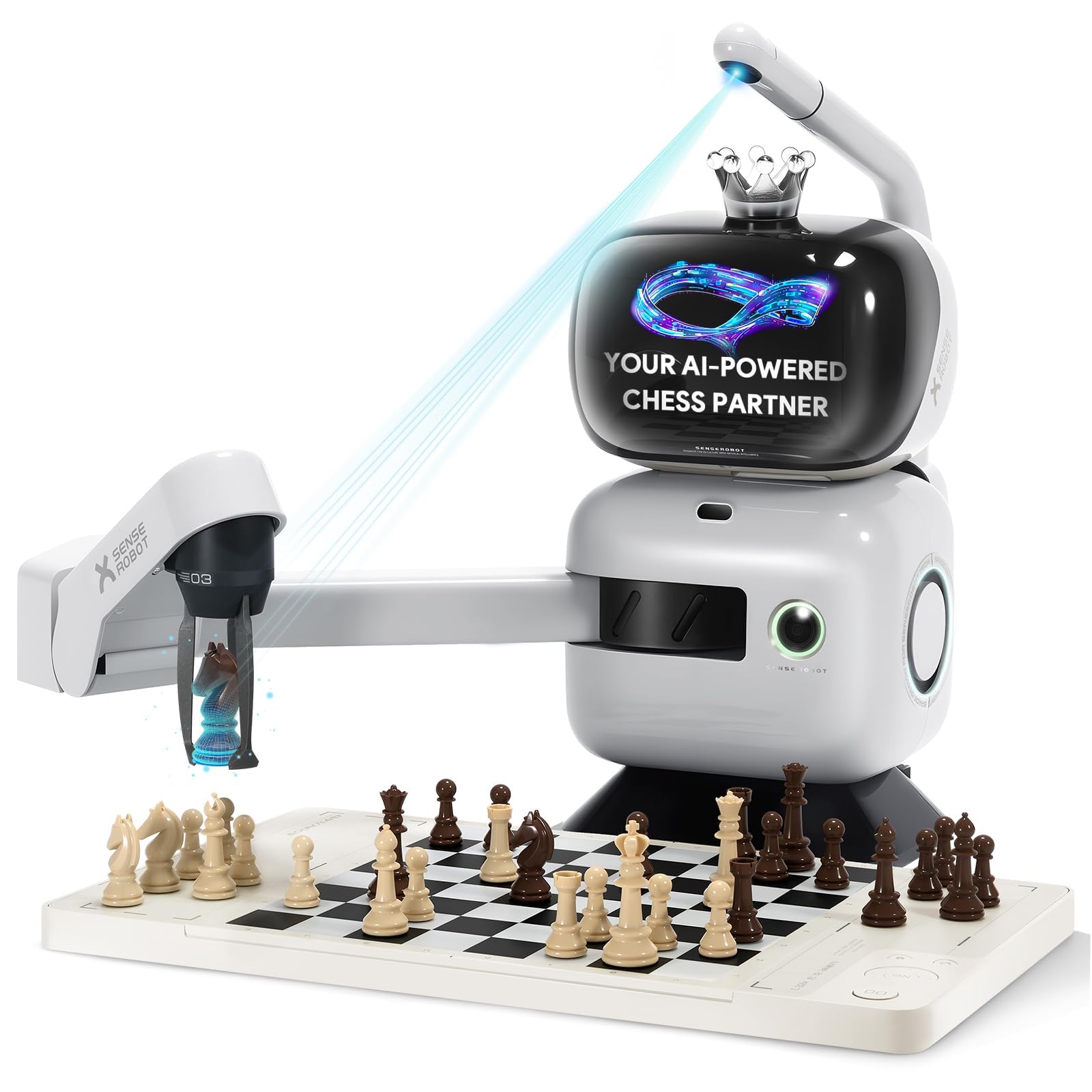
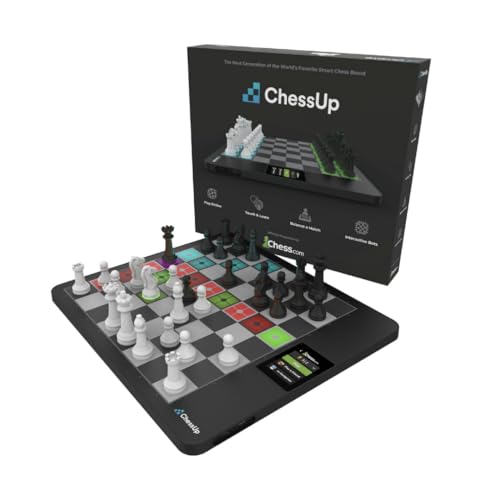
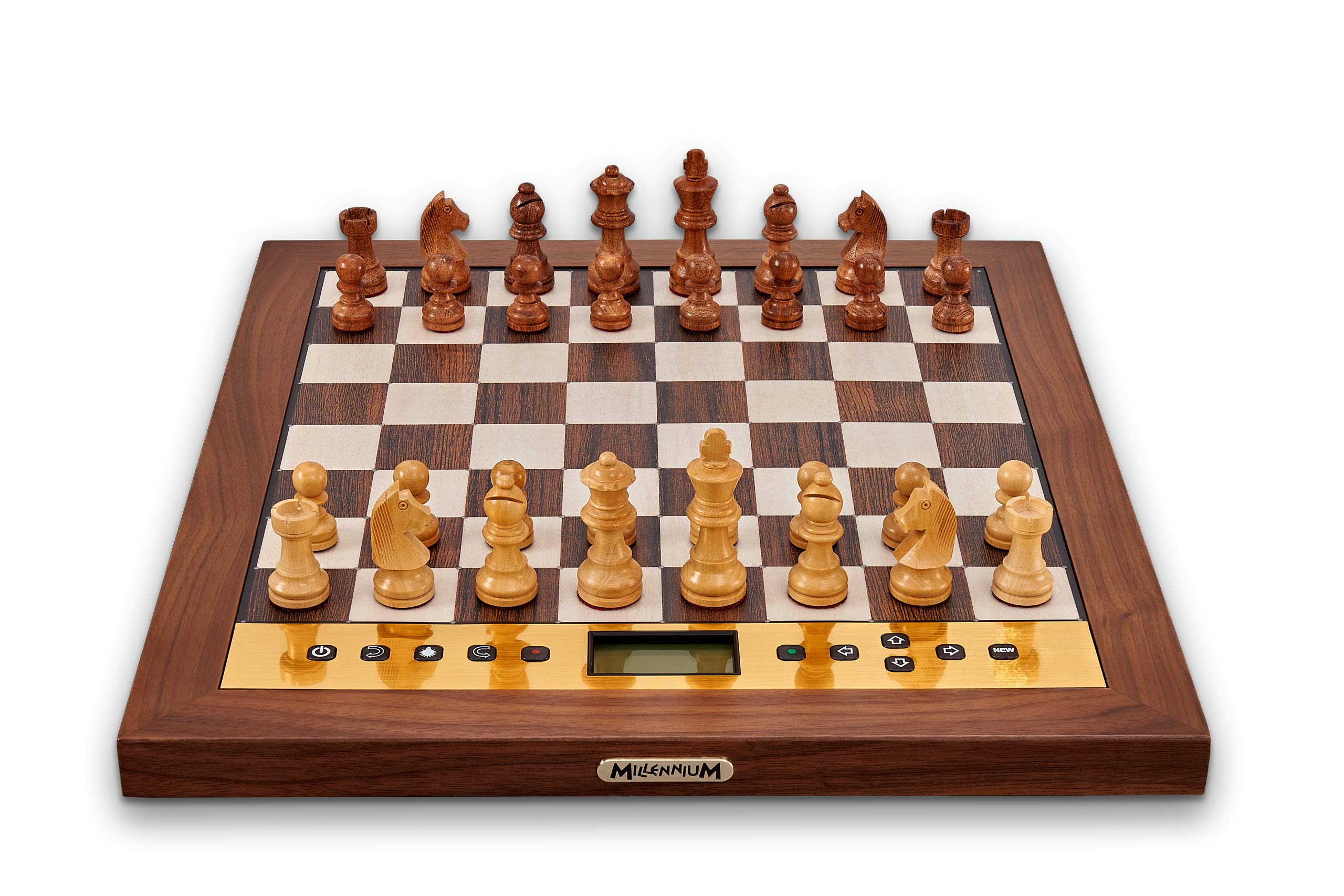


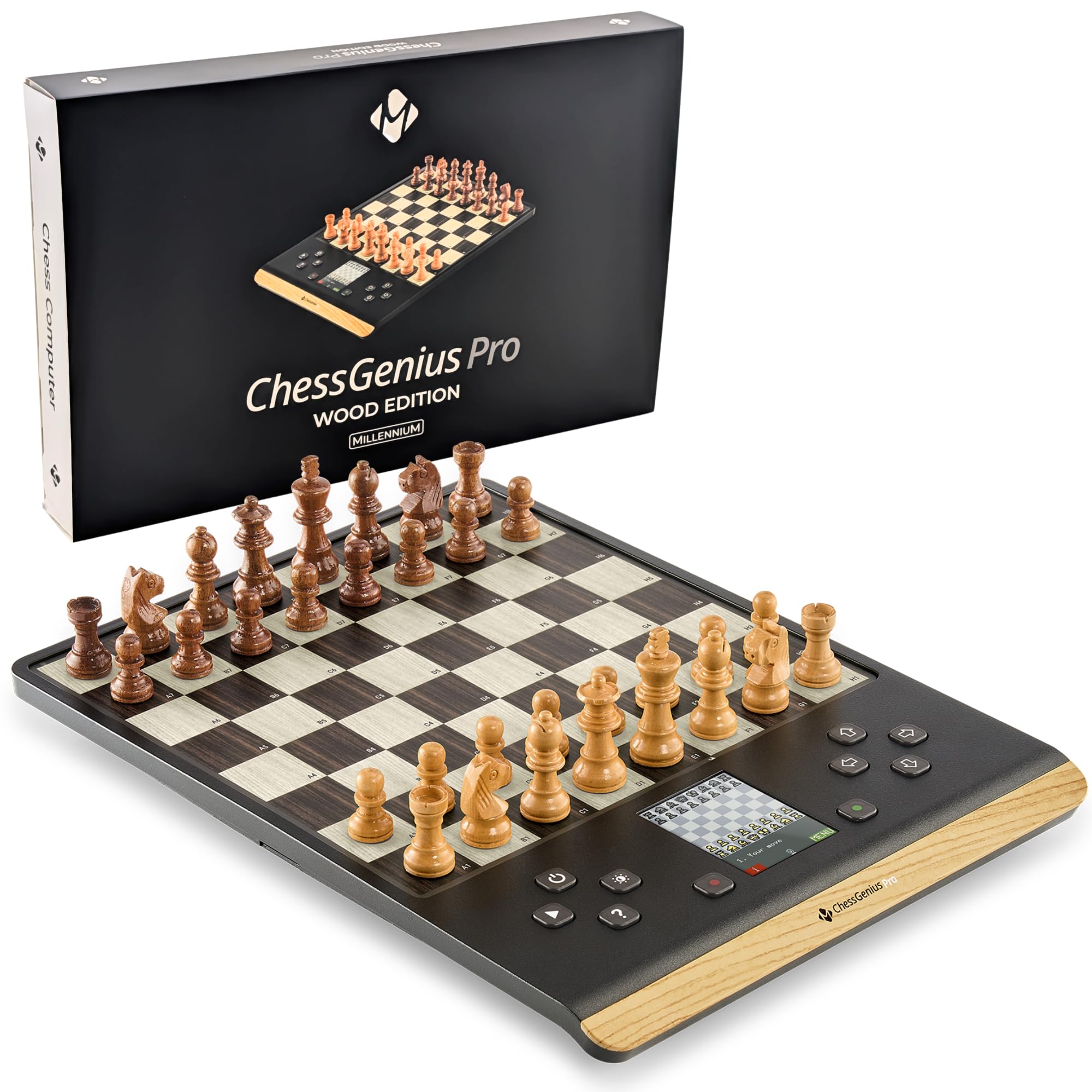


How We Evaluate Automatic Chess Sets
Intended Use and Who It Is For
Begin with the main player and the main purpose. A solo learner needs clear move guidance, forgiving undo, and training modes that explain mistakes. A club player needs accurate sensing, fast response, and a link to online play or game export. A family board needs sturdy pieces and simple controls that survive small hands. Write your primary use in one sentence before shopping. If a listing cannot say who the set suits, treat that vagueness as a warning. Boards that try to please everyone often bury the features you need under menus.
Price vs Value
Expect three broad tiers. Budget sets, around $100 to $250, usually sense pieces and show engine moves with lights, and you move the opposing pieces yourself. Mid range sets, about $250 to $600, add faster sensing, stronger apps, and on some models self moving pieces. Premium sets, above about $600, focus on smooth piece movement, fine materials, and polished software. Value lives in sensing reliability at every tier, not in decoration. A plain board that never misreads a move beats a handsome one that argues with you mid game.
Build Quality and Materials
Look at the board surface, the piece bases, and the moving parts. Pieces should glide or sit without rocking, with felt or smooth bases that protect the surface. The sensing field under each square must align with the printed or inlaid squares, so test diagrams and clear photos matter. Wooden boards look warm and age well, while synthetic boards are lighter and shrug off spills. If you love natural materials, our guide to the best wooden chess sets explains grades and care, even though those sets are manual. Avoid hollow, feather light pieces that tip when the board moves them.
Key Performance Specs
Sensing accuracy is the headline spec: the board should register every move, including captures and castling, without a second attempt. Response time matters next, since a pause after every move breaks your thinking rhythm. Engine strength should adjust down to true beginner levels, not just a weakened master setting that still crushes new players. Battery life of at least several full games keeps the board portable, and a clear low battery warning prevents a dead board mid game. Finally, check how the board shows the engine move: lights under squares are simple and robust, while self moving pieces add magic and more parts to maintain.
Size, Weight, and Fit for Your Space
Measure the table before you fall for a big board. Playing boards range from compact travel sizes around 10 inches square to full boards of 18 inches or more, and the king height should match the square size so pieces look and feel right. A set that lives out on a side table can be larger and heavier. A set that gets packed away needs a case, a modest weight, and pieces that store inside the board. Leave a few inches around the board for captured pieces and a scoresheet or phone. Crowded boards knock pieces over and confuse sensing.
Maintenance and Long Term Costs
Long term costs are mostly time and small parts. Sensor boards need an occasional recalibration and a clean, dry surface. Self moving boards add belts or mechanisms that can wear, so ask about spare parts and service before you buy. Apps create a hidden cost: a board that depends on a phone app is only as durable as that app support, so favor makers that update software and offer a desktop or on board mode. Replacement pieces should be sold singly, because losing one knight should not retire the whole set. Budget a little for a storage case if one is not included.
Safety and Certifications
These boards are electrical goods, so look for a recognized safety listing on the charger and battery, and charge only with the supplied adapter. Lithium batteries should never be charged on soft bedding or left charging overnight as a habit. For children, check the stated age grade, because small pieces are a choking hazard for toddlers and the moving mechanism can pinch curious fingers on some designs. Keep the board away from drinks, since liquid inside a sensing board ruins it and can damage the battery. Sensible placement on a stable table solves most risks before they start.
What Each Tier Looks Like When It Passes the Checklist
The Overall Tier
A set that leads overall pairs near flawless sensing with an engine that scales from beginner to strong club play. Moves register once, every time, and the board answers within a couple of seconds. The app or on board controls export games in standard notation so you can study them later. Pieces feel weighted and quiet in motion. Expect mid range to premium pricing, about $300 to $700, and judge the premium by software polish rather than wood alone. This tier suits a committed learner who will use the board several times a week.
The Value Tier
The value pattern gives up self moving pieces and keeps the essentials: light guided engine moves, reliable sensing, and simple controls. You move the opposing pieces by hand, which many players barely notice after a game or two. Prices around $120 to $300 make this the sensible entry point. The limitation to accept is a plainer cabinet and a smaller training feature set. If the sensing is honest and the engine levels are truly graded, this tier delivers most of the joy for a fraction of the cost. Compare it against plain boards in our guide to the best chess sets to see what the electronics add.
The Compact Tier
A compact automatic set trades board size for portability: a board around 10 to 13 inches, pieces that store inside, and battery play for travel or small desks. Sensing and engine quality should match the larger tiers, so reject any model that asks you to excuse misreads because it is small. Run time becomes the key spec here, so look for enough charge for a weekend of games. This tier suits students, commuters with a desk at the far end, and anyone whose chess corner is also the dining table.
Quick Buyer Checklist
- Does the board sense captures, castling, and promotion correctly without retries?
- Can the engine play weakly enough for a true beginner and strongly enough for you in a year?
- Does the board fit your table with room for captured pieces on both sides?
- Can you export finished games in a standard file format for later study?
- Are spare pieces and a replacement charger sold on their own?
- Does the set work without a phone, or is the app support record reassuring?
- Is the warranty at least one full year, with a clear service route?
- Does the return window let you play several full games before you commit?
Red Flags to Watch For
- Vague sensing claims. Words like smart or magic with no statement on sensing method or accuracy hide the detail that matters most.
- No stated battery or charging details. Missing run time and charger information suggests corners cut in design or support.
- A very short warranty. A board full of electronics with only a few months of cover leaves you exposed to early failures.
- Oddly uniform praise. Listings where every comment sounds alike and no one mentions a single drawback deserve extra caution.
- No spare parts path. If one lost piece cannot be replaced, the whole set has a built in expiry date.
Luxury finish is not a red flag by itself, but it should never be the whole story. Our guide to the best luxury chess sets shows how fine materials present on manual sets; on an automatic board, demand the same finish plus proven electronics.
Setup and Care Tips
Read the manual before first use, because the initial calibration step decides how well sensing works later. Set every piece exactly in the center of its square during setup, charge the board fully, and play one slow practice game to learn the lights or movement cues. Clean and inspect the board regularly: wipe the surface with a dry cloth, check piece bases for grit, and keep magnets and metal objects away from the sensing field. Store the set in a dry place, ideally in its case, with the battery partly charged rather than flat if it will rest for months.
Frequently Asked Questions
How long does an automatic chess set last?
A well kept set should last many years, because the board itself has few parts that wear quickly. The battery is the usual first casualty, losing capacity after a few years of regular charging. Self moving mechanisms add wear points, so gentle handling and clean surfaces extend their life. Software support sets the other limit: a board that still plays a full offline game stays useful even after app updates end. Ask about battery replacement before you buy.
How much should I spend on an automatic chess set?
Spend in line with how often you will play. Around $120 to $300 buys a light guided sensing board that covers learning and casual games well. Committed players who want self moving pieces and strong study tools should plan about $300 to $700. Above that, you are paying mainly for materials and finish, which is fine if you value them. Never stretch the budget by skipping the return window; the first three games tell you more than any listing can.
What features matter most when buying automatic chess sets?
Sensing accuracy matters most, then engine levels that truly reach down to beginner strength, then response speed. After those come game export, battery life, and spare piece availability. Display style is a preference, not a quality marker: lights are simple and reliable, while self moving pieces feel special but add upkeep. If a board gets the first three right, it will satisfy most players. If it misses sensing, no other feature can rescue the experience.
Are expensive automatic chess sets worth it?
They can be, when the extra money buys sensing reliability, smoother piece movement, and software that keeps improving. Expensive finish alone does not improve your chess. Players who use training modes and online play weekly will feel the difference daily. Occasional players usually get the same pleasure from the value tier. A useful test: read the feature list and mark what you will use in the first month. If half the list stays untouched, step down a tier. Collectors may also browse our guide to the best chess sets ever for design context.
How do I maintain an automatic chess set?
Maintenance is light but steady. Keep the surface clean and dry, wipe piece bases so grit does not scratch or block sensors, and rerun calibration if the board starts misreading squares. Charge calmly and avoid leaving the battery flat for long periods. Store pieces in their slots or a case so none go missing. Once or twice a year, check for software updates and inspect the cable and adapter for damage, replacing the adapter if the cord frays.
Final Thoughts
Score every candidate on sensing, engine range, and fit for your space before you look at finish or price tier. Those three decide whether the board becomes a daily habit or a shelf ornament. The best automatic chess sets choice is the one that reads every move you make and answers at your level. Work through the buyer checklist against the product table above, and let your first three games inside the return window confirm the decision.