
Best Art Pen Sets: Buying Guide for 2026
Disclosure: We may earn a commission when you buy through links on this page, at no extra cost to you. As an Amazon Associate I earn from qualifying purchases. Learn more
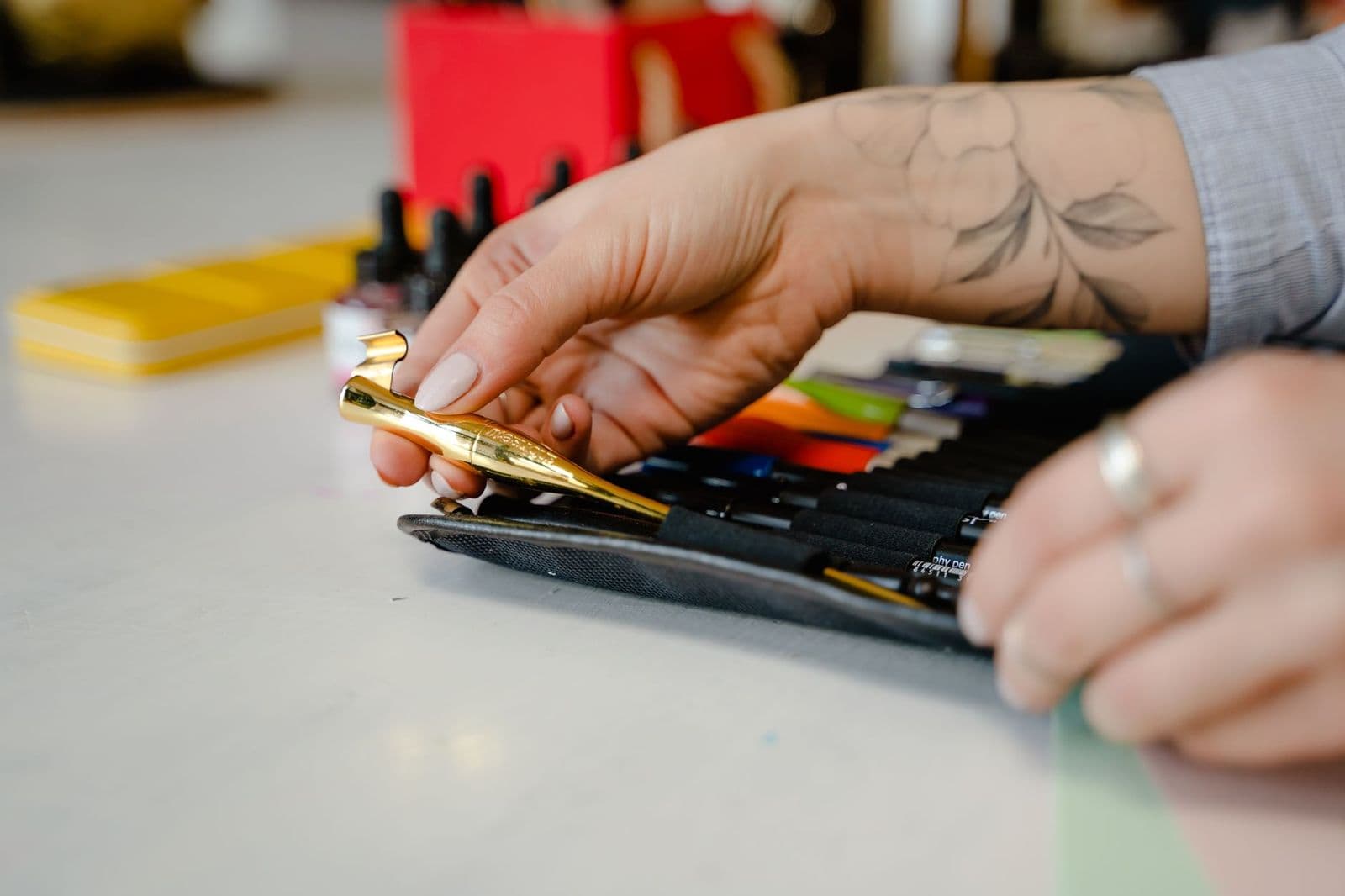
A buying guide to the best art pen sets covering nib sizes, ink flow, grip comfort, paper match and refills.
A pen set can look complete on the shelf and still frustrate you on the page, with scratchy nibs, ink that skips, or line widths that do not match the work you do. This guide helps you judge best art pen sets by nib range, ink behavior, and comfort, so you can match a set to sketching, inking, lettering, or journaling. Use the buying guide below to check each option against your paper and your habits.
The right set feels boring in the best way. Lines land where you expect, caps stay put, and you stop thinking about the tool and start thinking about the drawing.
Three Price Tiers at a Glance
Rather than naming specific products, this section shows what each price tier usually delivers. Use it to judge any set with clear eyes, because a higher price should buy you specific gains in line control, ink quality, or refill access, not just a nicer box.
Best Overall
The overall tier, usually about $25 to $50, suits most drawers. Expect a useful spread of nib sizes, from very fine lines for detail to a bold size for filling small areas, plus smooth ink flow that does not skip on standard drawing paper. Barrels feel balanced, caps seal well, and the ink resists water once dry, which matters if you add watercolor washes later. The limit at this level is that refills are uncommon, so a favorite size may need a full replacement pen when it runs out.
Best Value
Value sets, often under $25, work well for students, journaling, and daily sketch practice. You still get several nib sizes and decent line consistency, but ink may be less deep in tone and barrels may feel lighter and less sturdy. This tier is a smart way to learn which nib sizes you actually use before spending more. The trade off shows up over time. Heavy daily use wears these pens faster, and once the ink is gone the pen is usually thrown away rather than refilled.
Best Upgrade Pick
Upgrade sets, often about $50 to $100, target serious hobbyists and working illustrators. Gains include finer and more consistent nibs, archival quality ink that resists fading, and in some lines refillable barrels or replaceable nibs. Sets at this level often add brush pens with flexible tips for expressive line work. The cost is real, and the benefit only shows if you ink finished pieces or sell your work. For casual sketching, this tier adds expense without adding much pleasure.
How to Choose the Best Art Pen Sets: Buying Guide
This is the core of the decision. The best art pen sets for you depend on seven points, and each one below gives you a concrete way to judge it. Read the sections that match your main use first, then check the rest before you order.
Purpose and Who It Is For
Comic and manga work needs fine nibs that hold a steady line and ink that stays black over pencil lines you later erase. Lettering calls for brush tips and a medium size for even strokes. Journaling and planners need pens that write on thin paper without heavy bleed. Urban sketchers want a small set that travels well and includes a brush pen for shading. If you buy for a child, favor washable or low odor options and larger barrels that small hands can hold without squeezing hard.
Materials and Build Quality
Nib material shapes the feel of every line. Fiber tips are common and affordable, but they soften with heavy pressure. Firmer nibs hold a point longer for precise work. Barrels should feel solid, with caps that post securely on the back while you draw so they do not get lost. Check that nib sizes are printed clearly on each pen, because hunting for a size mark mid drawing breaks your flow. A case or wallet that holds each pen in its own slot also protects nibs from crushing in a bag.
Durability and Care
Pens last longest when you use light pressure and let the ink do the work. Pressing hard bends fiber nibs and makes lines widen unevenly over time. Store pens flat or as the maker directs, keep them out of heat, and cap them right after use, since pen ink dries at the tip quickly. If a tip clogs with paper dust, a gentle wipe on scrap paper usually clears it. Expect a well kept fineliner to serve through many sketchbooks, while brush tips wear faster under daily use.
Size and Design
Nib size labels can confuse new buyers. Sizes are often given in millimeters, such as 0.1, 0.3, 0.5, and 0.8, or in codes that vary by maker, so compare actual line width when you can. A practical starter range is four to six sizes, which covers detail, main lines, and bold accents. Grip shape matters during long sessions. A slightly triangular or textured barrel can reduce finger strain, while a very slim pen may cramp your hand after twenty minutes of steady inking.
Price and Value
Judge value by cost per pen and by how many pens in the set you will truly use. A large set with many sizes you never touch is worse value than a small set matched to your style. Around $15 to $30 covers solid student sets, while about $30 to $60 buys better ink and nibs for regular artists. Also think about replacement. If one size does most of your work, check whether that size is sold singly, because replacing one pen beats replacing a whole set.
Key Features That Matter
Water resistance after drying is the feature artists ask about most, because it decides whether you can paint over your lines. Pigment based ink usually resists water and fading better than dye based ink, which can be brighter but less stable. Archival labeling matters for work you plan to keep or sell. Also check ink dry time. Very fast drying ink suits left handed drawers who drag a hand across fresh lines, while slower ink can smear on glossy or coated paper.
If you are building a wider kit for drawing and coloring, see our guide to the best art sets for how pen sets fit with pencils, markers, and paper.
Ease of Use
A good pen set needs no setup beyond a quick test page. Swatch every nib on your usual paper when the set arrives, and note which sizes skip or bleed, because paper match changes everything. Keep one scrap sheet in your sketchbook for these tests. Sets that include a brush pen ask for a little practice, so spend ten minutes on stroke drills before judging the tip. Pens should also start reliably after a week in a drawer. A set that needs shaking or scribbling every time will slow you down.
Types of Art Pen Sets
Most sets fall into one of these broad types. Knowing the type helps you read listings quickly and ignore extras that do not serve your work.
Premium Picks
Premium sets focus on archival ink, precise nibs, and consistent quality from pen to pen. They suit illustrators who ink finished art, keep sketchbooks for years, or layer watercolor over lines. You pay more per pen, and you gain reliability that shows up on deadline work. For a gift to a serious artist, this type is the safest choice.
Mid Range Picks
Mid range sets balance ink quality and price for regular hobby use. They cover sketching, comics practice, and journaling with a good spread of sizes. Most buyers land here and stay happy, because the step up from budget pens is easy to feel in line smoothness. The main limit is fewer refill options and slightly less durable brush tips.
Budget Picks
Budget sets suit classrooms, beginners testing their interest, and travel kits you would not grieve over losing. Lines are good enough for practice and notes, though ink depth and nib life vary more. Buy these with clear eyes, enjoy them fully, and upgrade the sizes you use most once you know your habits. For group activities, the low cost per pen is a genuine advantage.
Gift Picks
Gift sets add presentation, such as a wallet case, a sketch pad, or a mix of pens and pencils in one box. They suit birthdays and holidays when the wrapping matters as much as the tools. Check that the pen sizes inside are still practical, because some gift sets pad the count with tools the person may never use. Pairing a modest set with a good sketchbook often pleases more than a huge set alone.
For a wider view of pen only kits beyond art focused sets, our guide to the best pen sets covers writing and mixed sets as well.
Care and Maintenance Tips
- Cap every pen right after use, because exposed tips dry and clog faster than most people expect.
- Use light pressure and let the nib glide, which keeps fiber tips firm and lines even.
- Store the set flat in its case, away from heat and direct sun, to keep ink flowing evenly.
- Keep a scrap sheet for clearing a dusty tip before you touch a finished drawing.
- Note the nib sizes you use weekly, so replacements and future sets match your real habits.
- Check any warranty or return terms and test every pen during the first week.
Art Pen Sets: Your Questions Answered
What features matter most in an art pen set?
Nib range, ink behavior, and comfort matter most. A useful set covers fine detail through bold lines, lays ink without skipping, and feels good during a long session. Water resistance matters if you paint over lines. One point buyers often miss is size labeling. Clear marks on every pen save time and keep your drawing flow steady, especially when you switch sizes often.
Is an art pen set a good gift?
Yes, an art pen set makes a good gift because it is complete, tidy, and ready to use with any sketchbook. It suits teens, students, and adults who draw or journal. Choose a mid range set with a case for the best balance of quality and presentation. Adding a small pad of smooth paper makes the gift feel thoughtful, and it lets the person start drawing the same day.
How long does an art pen set last?
A set used a few times a week can last many months to over a year, depending on nib size and how much you draw. Fine nibs hold less ink and often run out first if you use them for filling areas, which they are not built for. Brush tips wear fastest under heavy pressure. Capping pens and storing them well are the two habits that extend life the most.
Is it worth paying more for an art pen set?
Paying more is worth it when you ink finished work, need water resistant archival ink, or draw daily. It is less worth it for notes and casual doodles, where basic sets perform well. A smart path is to start mid range, learn your favorite nib sizes, then upgrade only those sizes. That way your money follows your actual habits instead of a guess about them.
Our Verdict
Pick by nib range first, ink behavior second, and comfort third, and most sets will sort themselves quickly. Match the tier to how often you draw, test the pens on your own paper during the return window, and keep the sizes you love in mind for replacements. Weigh the best art pen sets you find against those points, and you will choose with confidence.
Adults putting together a complete drawing kit can also see our guide to the best art sets for adults for pencils, paper, and storage that pair well with pens.


