Best Artist Sets: What Actually Matters Before You Buy in 2026
Disclosure: We may earn a commission when you buy through links on this page, at no extra cost to you. As an Amazon Associate I earn from qualifying purchases. Learn more

Judge the best artist sets by media quality, pigment load, paper, case, and value, not piece count, to find a set that fits your goals and budget.
Artist sets look like bargains by the numbers. A case holding 100 pieces sounds better than one holding 48, until you open it and find that half the pieces are near duplicates, the pencils feel scratchy, and the paper cannot take a wet wash. Piece count is the easiest number to print on a box and the least useful number for judging what you will actually enjoy using.
This guide gives you a clear checklist for judging the best artist sets on the things that decide real use: media quality, useful range, build, and value for the way you draw or paint. Work through the criteria below, compare your shortlist with the product table, and you will know exactly what your money buys.
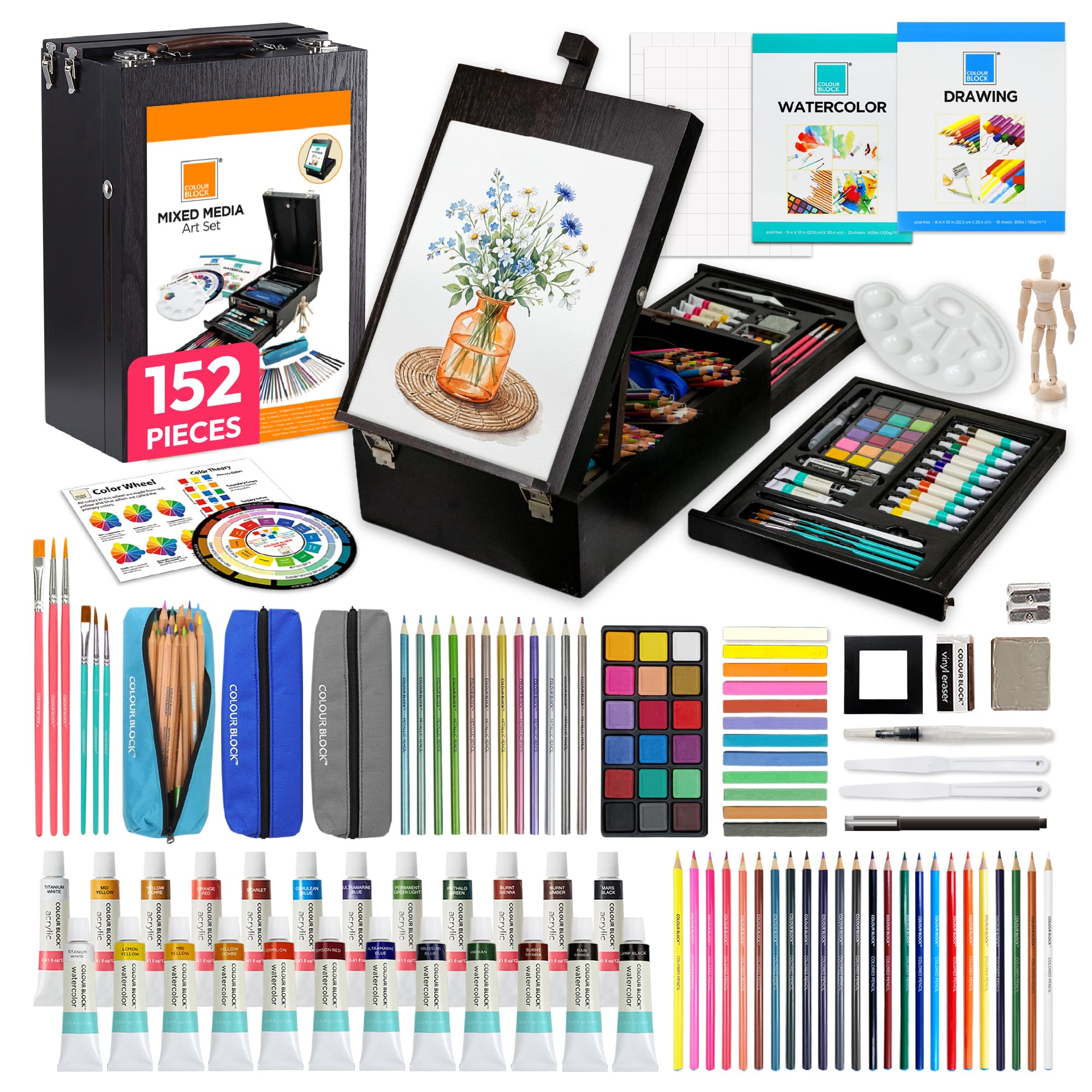
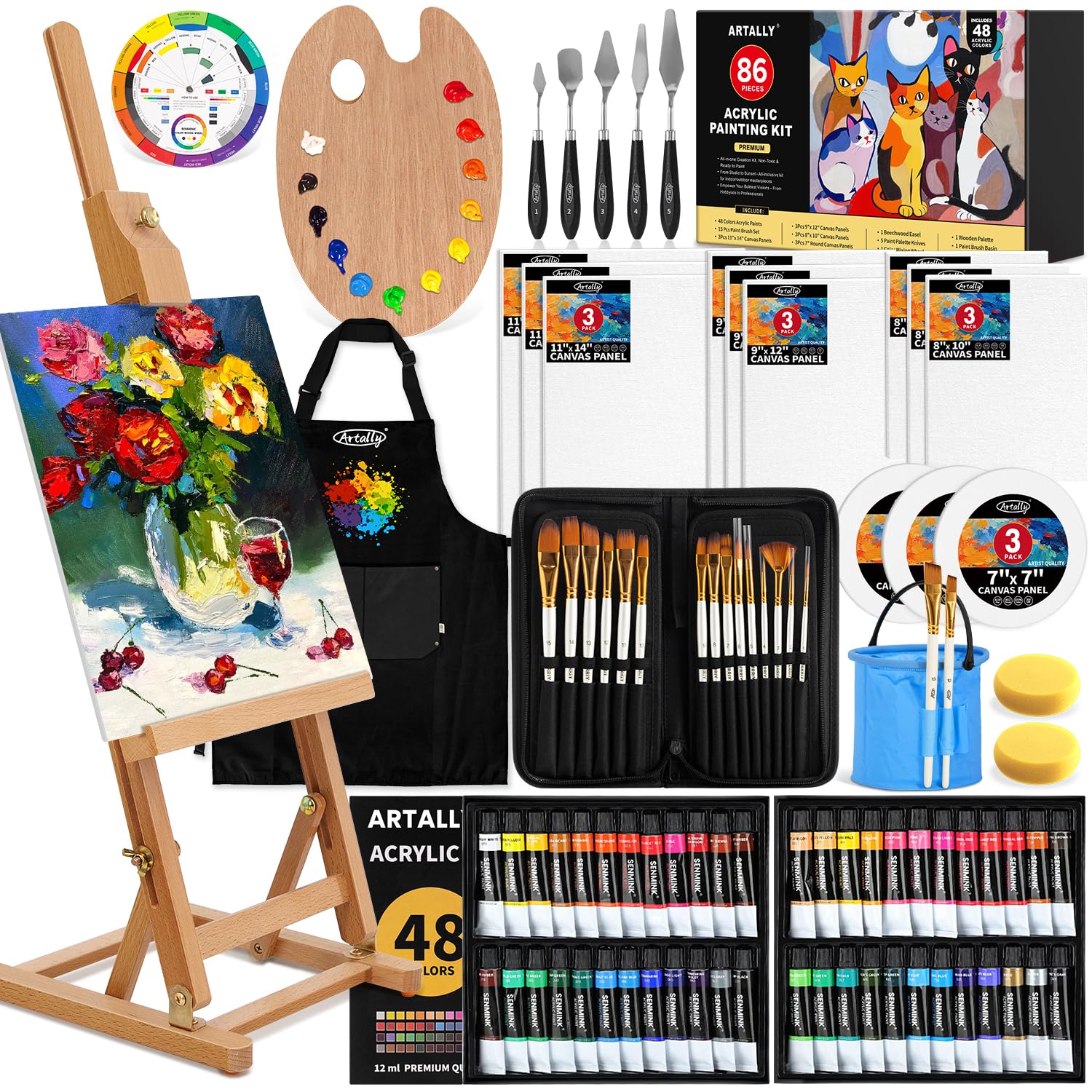
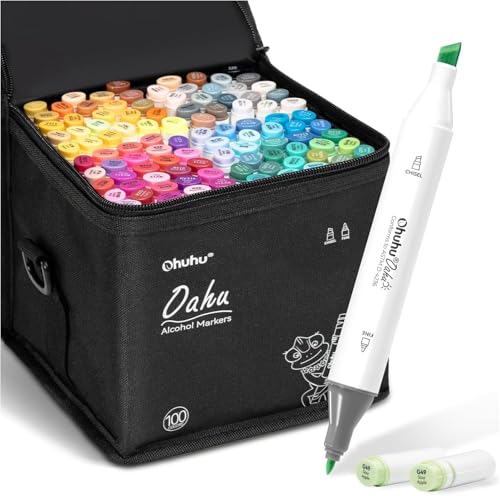
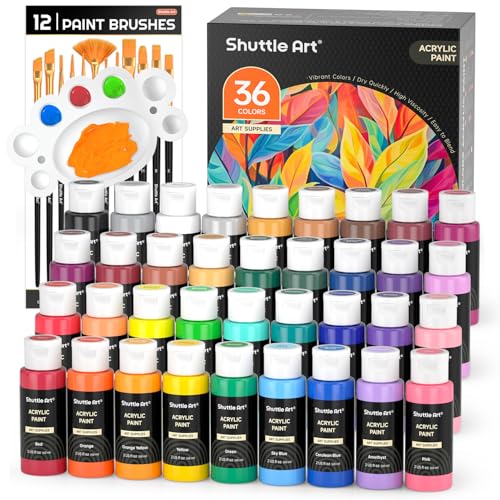


How to Evaluate Artist Sets
Think of evaluation as six questions. Who is the set for, how well does the media perform, how is it supported, does it fit your space and habits, how well is it built, and what will it cost you over time. A set that answers most of these well for your situation beats a larger set that answers them poorly. The thresholds below give you concrete pass and fail marks to use while you shop.
Intended Use and Who It Is For
Decide the main user first, because a set for a child, a student, and a hobbyist painter should contain different things. Sets for children should carry clear nontoxic labeling, chunky tools that small hands grip easily, and washable media where possible. Student sets should favor one or two media in depth, such as pencils in a full hardness range, over a shallow mix of everything. Hobbyist and gift sets can range wider, but even then, a set built around drawing suits a sketcher better than a mixed case where painting tools go untouched for years.
Key Performance Specs
For pencils, look for smooth laydown, cores that do not snap under normal pressure, and a stated range of grades or colors that are genuinely distinct. For paints, pigment load is the spec that matters: rich color from a small amount of paint beats pale color no matter how many pans the case holds. For markers, check whether tips are replaceable or at least firm, and whether colors blend or simply stripe. A good sign across all media is honest labeling of lightfastness or permanence, because sets that hide these details usually have something to hide.
Warranty and Customer Support
Sets rarely carry long warranties, but decent makers replace cases with broken latches and respond when pieces arrive damaged or dried out. Check whether the seller lists a contact route and a return window, and whether replacement refills for the main media are sold at all. A set you can refill keeps its value for years, while a sealed bargain set becomes waste the moment your favorite colors run down. Keep receipts for gift purchases too, since dried paint pans and cracked cases usually show themselves in the first week of use.
Size, Weight, and Storage
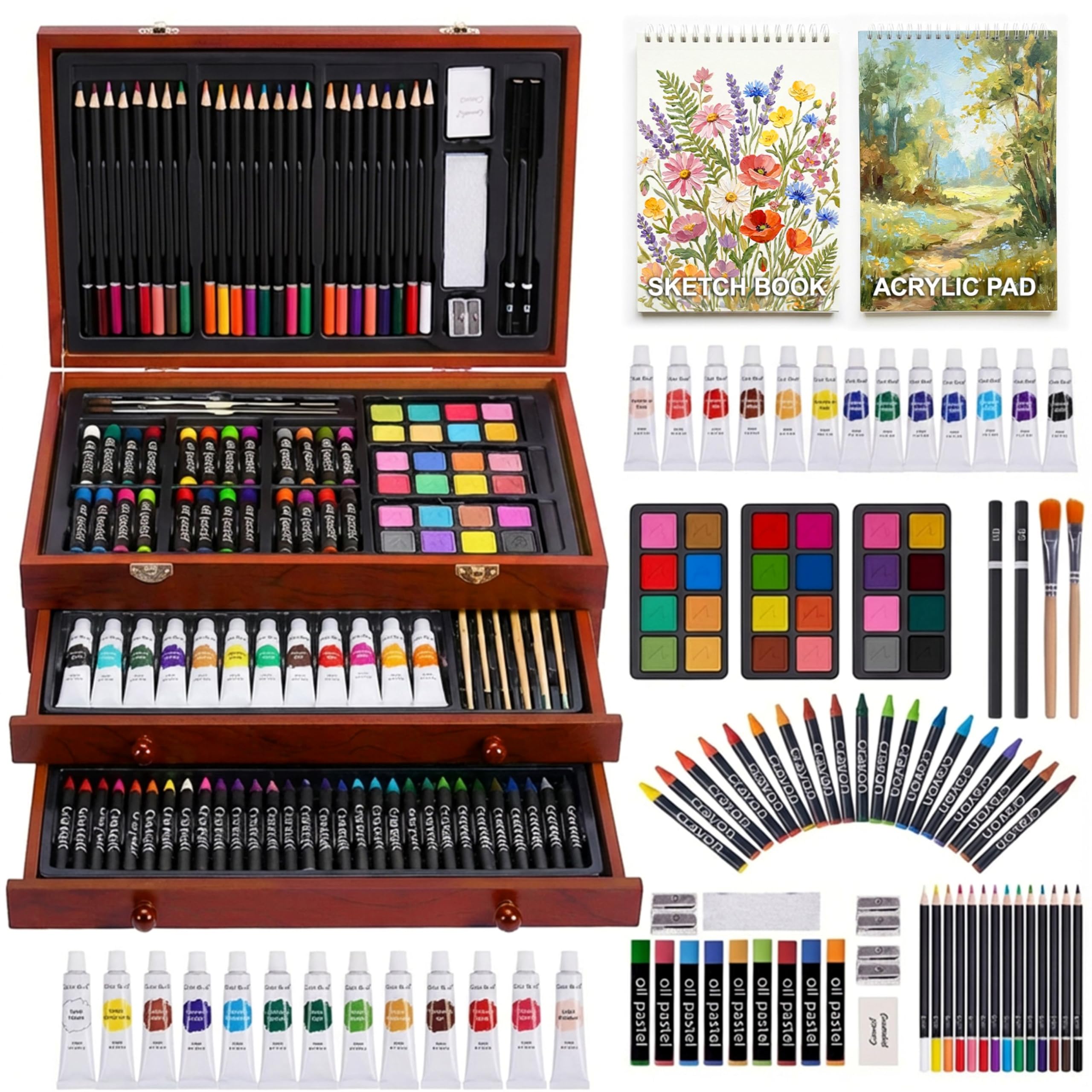
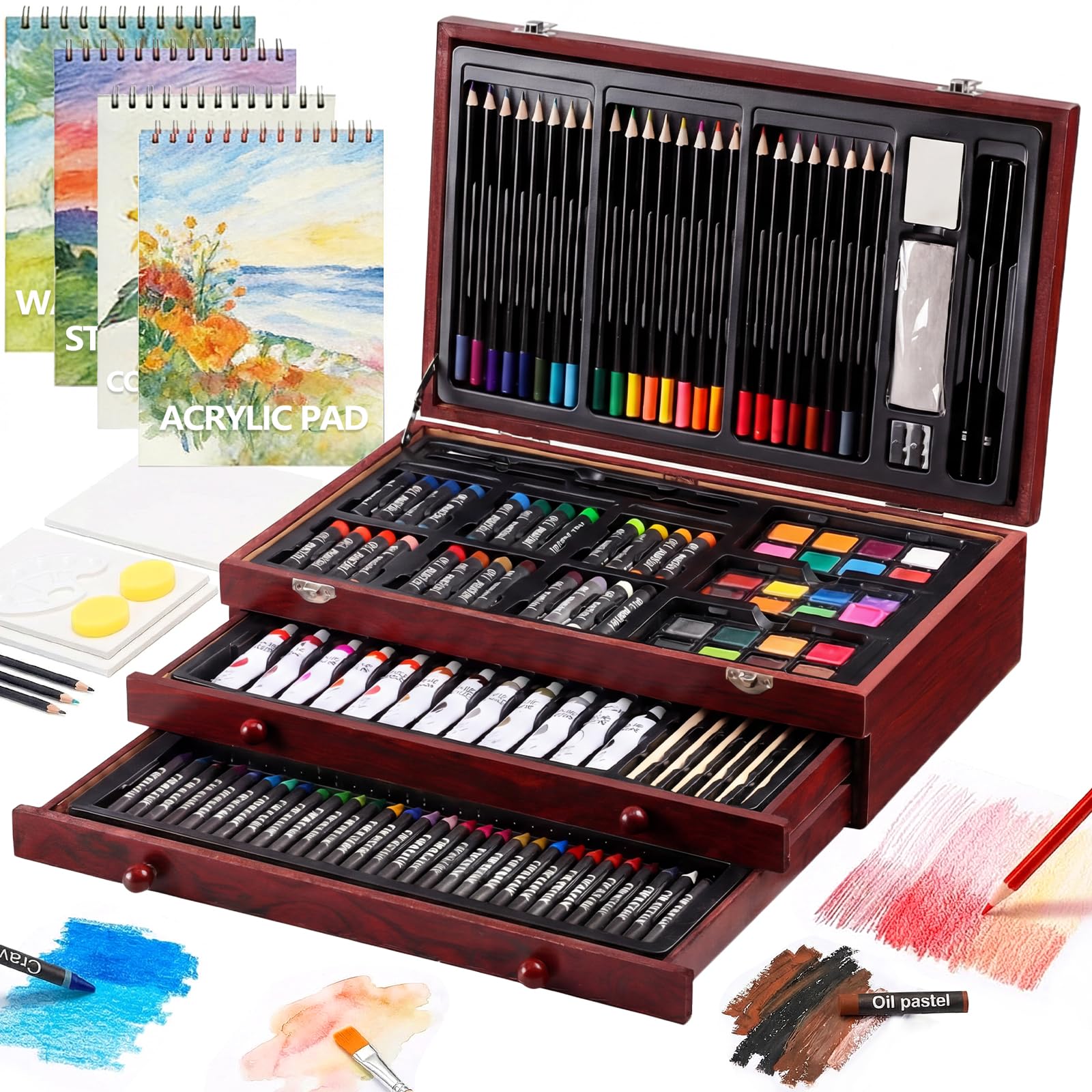
A big wooden case looks impressive and then lives on a shelf because it is heavy, awkward, and slow to open. If you draw at a desk, a flat case that opens fully and stays open is worth more than extra pieces. If you sketch outdoors or travel to classes, weight under about three pounds and a case that latches securely matter most. Measure your storage spot as well. Sets that fit where you work get used daily, while sets stored in a closet become occasional tools no matter how good the media inside them is.
Build Quality and Materials
Judge the case by its hinges, latch, and trays, because those parts fail first. Wooden cases should feel rigid with smooth edges, plastic cases should flex slightly rather than creak, and inner trays should hold each piece firmly without forcing it. On the media side, pencil barrels should be evenly painted with centered cores, paint pans should sit flat, and brushes should have ferrules that do not wobble. One practical check: if product photos only show the case closed or from far away, the maker is selling the box, not the tools.
Maintenance and Long Term Costs
Ownership costs are mostly refills and replacements. Pencils wear down at different rates, so a set with open stock refills for individual colors costs less over time than one you must replace whole. Paints last longer when pans can be swapped as they empty. Budget roughly a quarter of the set price per year for an active hobbyist, less for occasional use. Storage costs nothing but matters: heat and damp ruin media quietly, so a set that lives in a cool dry drawer keeps its quality far longer than one left in a garage.
Three Set Profiles That Pass the Checklist
The Balanced All Purpose Profile
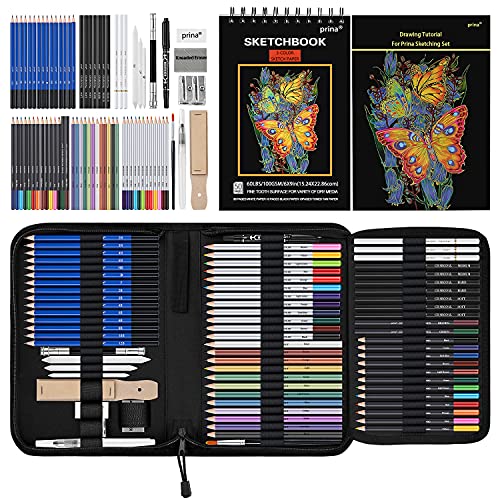
A balanced set that passes the checklist holds a focused drawing range, one paint medium in usable depth, paper suited to both, and a few tools such as a sharpener, eraser, and blending aids. Prices usually run around $35 to $70. This profile suits students, returning hobbyists, and gift buyers who do not know the recipient specialty, because nothing inside is filler and every medium included can produce a finished piece. Its limit is depth: a dedicated watercolor painter will outgrow the paint section within a year, which is fine if drawing remains the main activity.
The Strong Value Profile
A strong value set, usually around $20 to $35, trims the case and the piece count while keeping media quality honest. Expect fewer colors but better pencils, simple packaging, and paper that handles dry media well even if wet washes buckle it. This profile suits beginners testing whether art becomes a habit, parents buying for keen children, and classrooms stretching a budget. The trade off is growth room: you will buy supplementary colors sooner. That is still cheaper than paying premium prices for a first set that a beginner uses twice and shelves.
The Premium Profile
A premium set, around $70 to $150 or more, earns its price through pigment quality, lightfast ratings, refill availability, and a case built to last decades. Colors stay true on the page for years, pencils sharpen to a point without crumbling, and every slot in the case serves the main medium rather than padding the count. This profile suits committed hobbyists, art students building a long term kit, and gift buyers marking an occasion. Its weakness is waste for the undecided: premium media cannot make a casual user more committed, so buy this tier when the habit already exists.
Quick Buyer Checklist
- Can you name the main user and the main medium the set must serve?
- Are at least two thirds of the pieces media you will use weekly?
- Does the maker state pigment, lightfastness, or grade information honestly?
- Can you buy refills or replacements for the pieces that wear out first?
- Does the case open flat, latch firmly, and fit where you actually work?
- Is the included paper suited to the wettest medium in the case?
- For a child user, does the packaging carry clear nontoxic labeling?
- Does the price per usable piece beat buying the same media separately?
Red Flags to Watch For
Walk away from sets that advertise a huge piece count while hiding what the pieces are, since counting erasers, sharpeners, and near duplicate colors inflates the number cheaply. Be wary of media with no stated grades, pigments, or safety labeling, and of brushes shown only in packaging because loose ferrules and shedding hairs are common at the cheap end. Extremely low prices for wooden case sets usually mean thin wood and weak hinges. Finally, treat listings full of glowing but vague praise and no specifics about contents as a warning sign, because good sets sell on details. If a set is meant for a young child and lacks any safety labeling at all, skip it regardless of price.
Setup and Care Tips
Before first use, swatch every color on a spare sheet and label the chart with the set layout, so you can judge true colors instead of barrel paint or pan appearance. Sharpen new pencils gently with a fresh blade, since cheap sharpeners chew soft cores. Store paint sets with the lid open for a few hours after a wet session so pans dry and do not mold. Keep the whole case in a dry place away from radiators and sunny windows, and wipe brush ferrules dry after washing so water does not loosen the glue inside. A small habit that pays off: return each piece to its own slot as you work, because mixed up trays are how favorite colors get lost and lids get forced shut on raised pieces.
FAQs
How much should I spend on an artist set?
Most buyers do well between around $25 and $70. Below that range, media quality and case build usually suffer, though simple drawing sets can still serve beginners. Above it, you pay for pigment quality, lightfastness, and refill support that committed artists use and casual users rarely notice. Set your budget by how often the set will be used each week, not by piece count.
Are expensive artist sets worth it?
They are worth it for regular artists, because better pigment, steadier pencil cores, and available refills lower the cost per finished piece over years of use. They are not worth it as a motivational gift for someone who has not yet formed the habit. A mid priced set that gets used daily delivers far more value than a premium case that stays closed in a drawer.
How do I maintain an artist set?
Keep media dry, clean, and stored in its own slots. Let paint pans dry before closing the lid, wash brushes with mild soap and reshape the tips, and sharpen pencils only as needed to save core length. Every few months, check for dried paint tubes, cracked pans, or loose case hinges and deal with them early, since small repairs prevent the slow decline that makes a good set feel shabby.
How long does an artist set last?
The case and tools can last many years, while the media lasts in proportion to use. A hobbyist drawing weekly might work through favorite pencil colors in a year, while paints often last two years or more because a little pigment goes far. Sets with refill options effectively last indefinitely, since you replace only what runs out instead of retiring the whole case at once.
What features matter most when buying artist sets?
Media quality matters most, then useful range, then refill availability. Rich pigment and smooth, break resistant cores make art satisfying from the first session, and a range built around one or two media beats a shallow mix of everything. A sturdy case and paper matched to the media complete the picture. Piece count, gift style packaging, and novelty extras matter least of all.
Wrapping Up
Judge any set by its media quality, its fit for the main user, and whether you can refill what wears out. Run your shortlist through the checklist, compare it with the product table above, and ignore piece count theater. Chosen that way, the best artist sets for your desk will be the ones still in weekly use a year from now, not the ones that merely looked impressive in the box.