The Best Art Sets for 3 Year Olds: Buying Guide for 2026
Disclosure: We may earn a commission when you buy through links on this page, at no extra cost to you. As an Amazon Associate I earn from qualifying purchases. Learn more

A buying guide to the best art sets for 3 year olds: safety, chunky tools, washable media and storage.
Buying art supplies for a three year old is really a safety and cleanup decision dressed up as a fun one. Tools must be chunky enough for small hands, nontoxic if they end up in a mouth, and washable when the paper runs out and the table looks more interesting. This guide to the best art sets for 3 year olds walks you through what matters, using the comparison table below as your starting point and the sections that follow as your checklist.
At this age, success looks simple. Your child can open the set, make bold marks, and finish without tears from either of you.



Three Price Tiers at a Glance
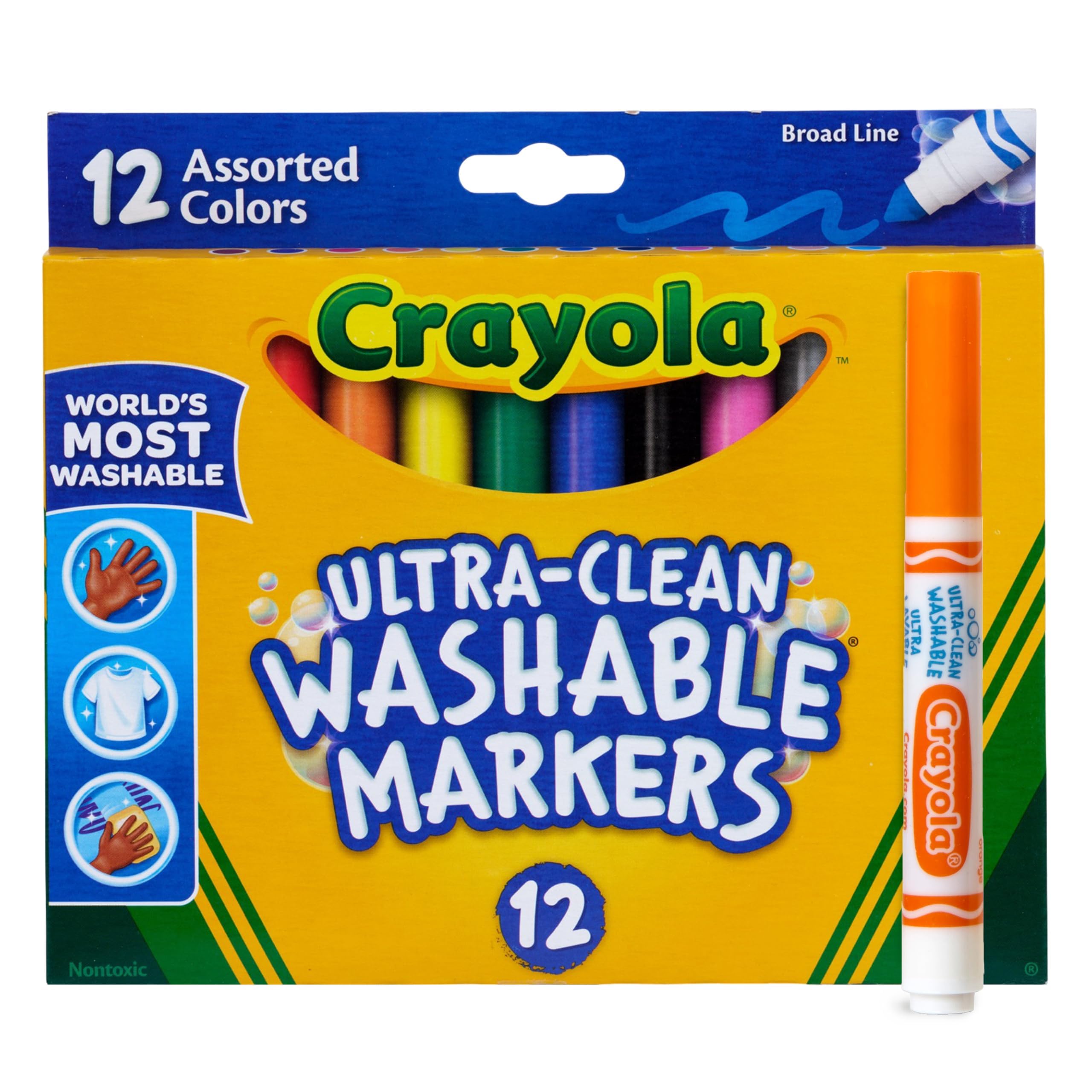
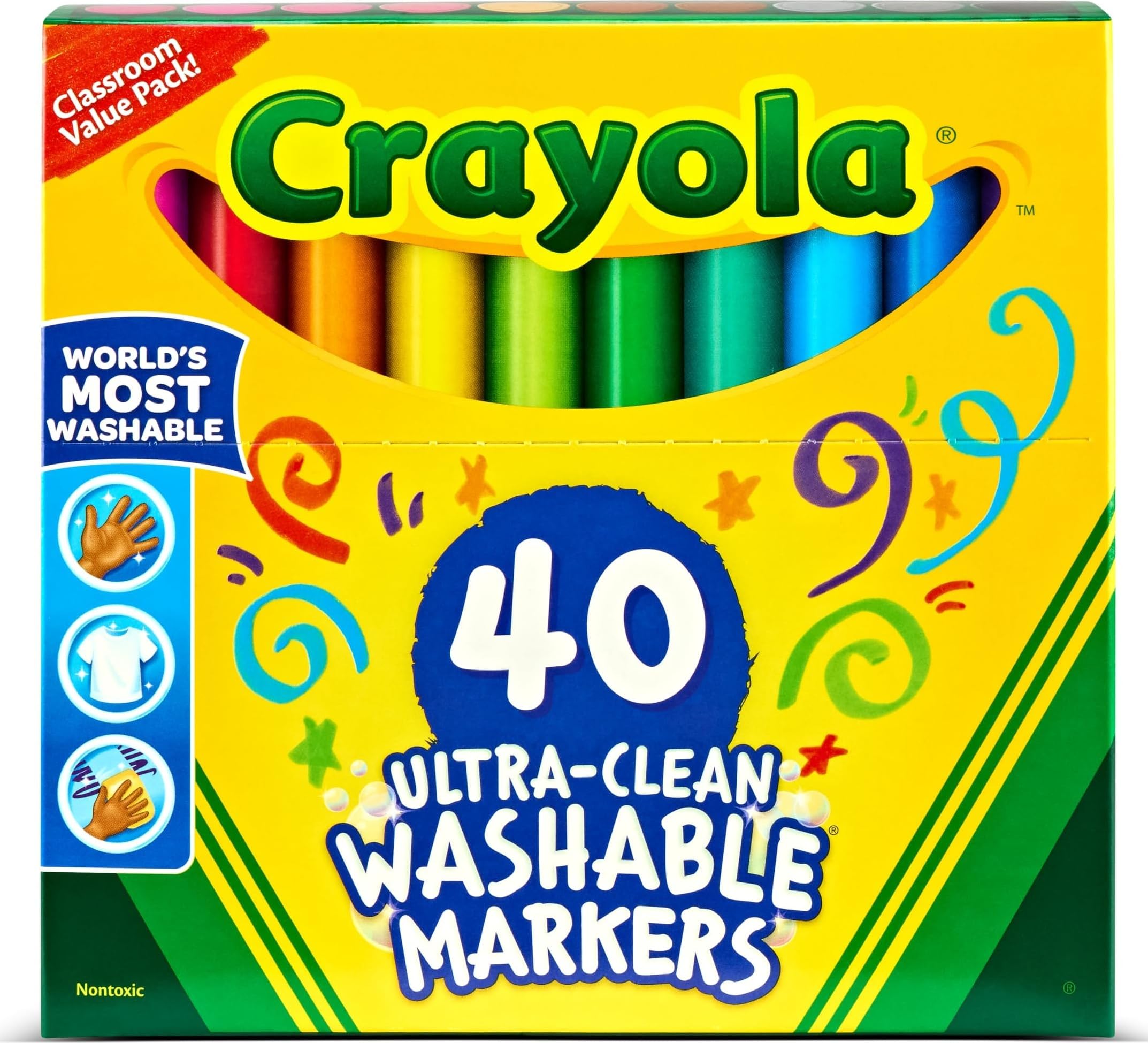
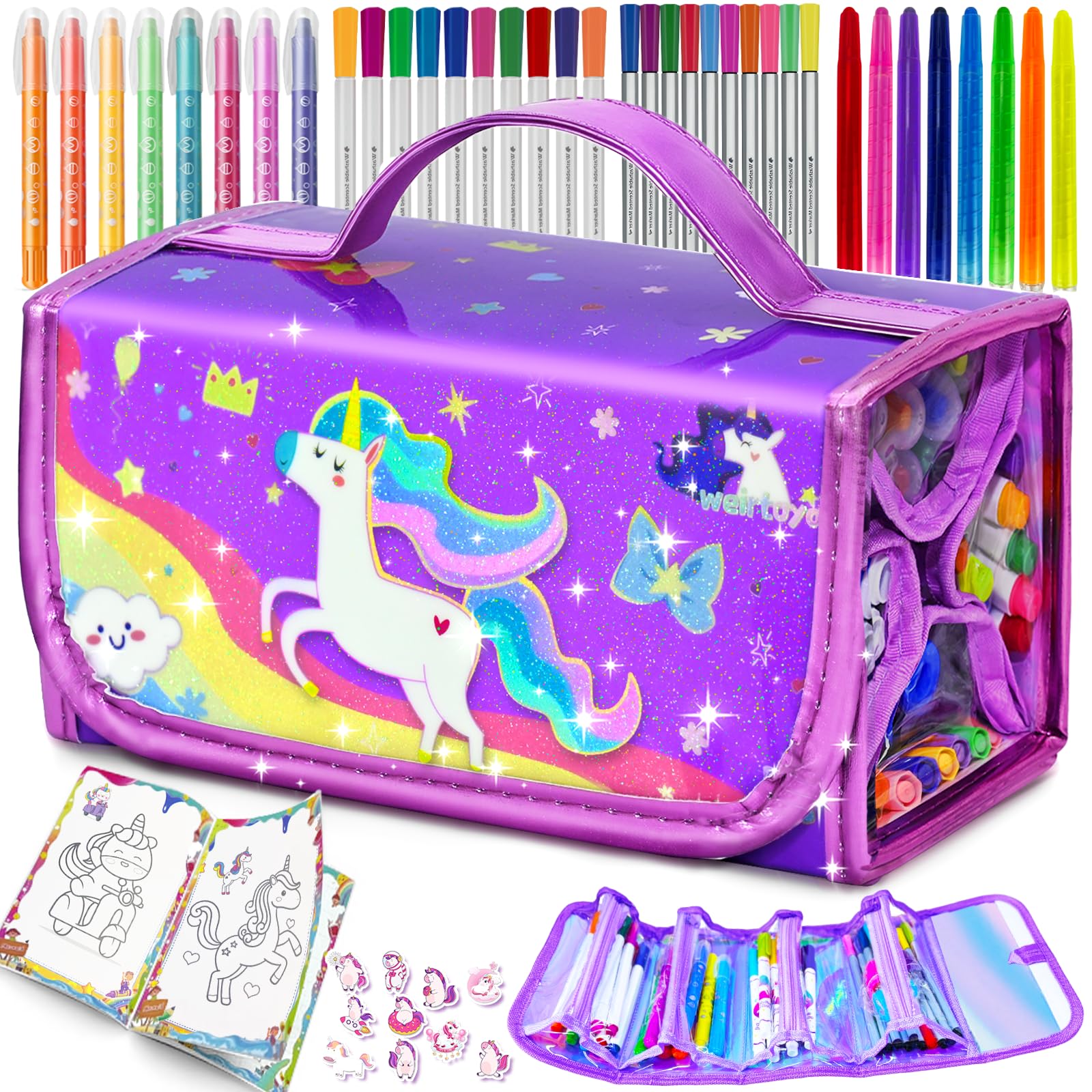
Instead of naming specific products, use these tiers to judge the sets in the product table above. Price matters far less than safety and washability at this age, so read each tier with those two points in mind.
Best Overall
The overall tier, usually about $20 to $40, combines washable markers or crayons, finger paint or watercolor with large pans, chunky brushes, and a sturdy case or tray. Pieces are sized for a full hand grip, caps if any are large, and every item is labeled nontoxic. This tier suits most families for daily art at the kitchen table. The limit is media range. You will not get fine pencils or small tools here, and that is by design, because three year olds do not need them yet.
Best Value
Value sets, often under $20, cover the basics such as a small group of washable crayons, a pad, and a few paints. They suit grandparents' homes, travel, and testing whether your child enjoys messy play before you buy more. Check washable claims carefully, because value sets vary the most here. The trade off is lifespan and cleanup. Thin paper, small paint pans, and markers that dry faster are common, and a color that claims to wash out may still mark light fabric.
Best Upgrade Pick
Upgrade sets, often about $40 to $70, add a tabletop easel, a smock, larger refillable paint cups, or a rolling case built to survive years of use. They suit families with several young children or a child who paints daily. The gains are storage, durability, and easier cleanup rather than fancier art results. Be honest about space before you choose this tier. An easel that lives folded in a closet gets used far less than a simple tray set that is always within reach.
How to Choose the Best Art Sets: Buying Guide
Features That Matter for 3 Year Olds
Three year olds grip with their whole fist, press hard, and explore with their mouths, so every feature should answer that reality. Choose crayons and markers thick enough not to snap under hard pressure, paints in large pans or cups that will not tip at a touch, and brushes with short thick handles. Piece counts should stay modest, around 10 to 30 pieces, because a huge set overwhelms a toddler and scatters across the floor. Paper should be large and thick, since small thin sheets tear and soak through in minutes.
Intended Use and Who It Is For
Most sets at this age serve short, supervised art sessions at home, in childcare, or at a grandparents' table. If you need supplies for a childcare setting, washability and quick cleanup matter even more, and individual trays help each child keep their own tools. For a gift, favor a self contained set with paper included so parents need nothing extra on the day. Avoid sets built around glitter, small beads, or tiny parts, which belong to older age groups no matter how cheerful the box looks.
Safety and Certifications
Safety comes first for this age group, with no close second. Buy only sets labeled nontoxic and conforming to ASTM D 4236, and check that the stated age starts at three or lower. Avoid small detachable caps, tiny parts, and long cords, all of which raise choking or tangling risks. Always supervise art time, and put supplies away when you cannot watch. Warning signs that need prompt medical advice include choking or gagging, a rash or swelling, eye pain after contact, vomiting, or unusual sleepiness after a supply is chewed or swallowed. Call your clinician or local poison service right away in those cases, and talk with your clinician in advance if your child has eczema, allergies, or asthma that art materials could affect.
Warranty and Customer Support
Warranties matter less here than clear labeling and an easy return if a set arrives with dried paint or broken pieces. Check that the maker names itself and gives a contact route, because anonymous sets are harder to trust on safety claims. Test washability on a hidden patch of fabric during the first use, within the return window. Keep the packaging until you are satisfied, since the age grading and safety marks printed on it are the ones you may need to refer back to later.
Ease of Use and Setup
A toddler set should open in seconds and need no adult assembly beyond laying out paper. Lids should be easy for an adult but not so loose that paint spills in storage. Look for trays that hold each item in a visible spot, because putting tools back in their place is a skill three year olds can learn and enjoy. Paint cups with wide bases and lids, washable glue sticks with large caps, and crayons that need no sharpening all reduce the adult workload during a session.
Maintenance and Long Term Costs
Costs stay low if you plan for paper and paint refills, which run out long before crayons do. Washable supplies also protect your real budget, which is clothing and furniture. Store the set in one closed box up high between uses, both for safety and to keep markers from drying in a toy pile. Expect to replace a toddler set every six to twelve months as skills grow, rather than buying one giant set now. That pattern is normal and cheaper than it first appears.
Build Quality and Materials
Look for thick crayons that survive being dropped on hard floors, marker barrels that do not crack when stepped on, and cases with hinges that flex rather than snap. Paint should feel creamy, not gritty, and paper should be heavy enough for wet media. Smocks or aprons included in a set should fasten simply and wipe clean. Weak build quality at this age is not just annoying. A crayon or cap that breaks into small pieces becomes a safety issue, which is another reason to favor sturdy simple tools.
For the next stage after toddler art, our guide to the best art sets for 5 year olds shows when thinner pencils and scissors start to make sense.
Types of Art Sets
Premium Options
Premium toddler sets spend money on durability, storage, and cleanup help such as easels, trays, and washable formulas that truly wash out. They suit daily painters and families passing a set down to younger siblings. Results on paper look similar to cheaper sets, so buy premium for the easier life it gives adults, not for better toddler art.
Compact Options
Compact sets pack a few washable tools and a small pad into a case with a handle. They suit car rides, waiting rooms, and grandparents' homes where a full art box is too much. Keep compact sets dry media only if you travel, because paint and car seats are a poor mix. A compact crayon and sticker free drawing set is the safest travel choice.
Mid Range Options
Mid range sets are the daily drivers for most homes. They mix crayons, washable markers, and one paint type in a box or tray that lives on a shelf. Quality is steady, refills are easy to find, and the price feels fair for a year of use. If you buy only one set for a three year old, this is the type to choose.
Budget Options
Budget sets work for party favors, spare kits, and short trials. Keep expectations modest, check the nontoxic label with extra care, and test washability before the set meets a favorite shirt. A small budget set with few pieces can be safer than a huge cheap set, because there are fewer small parts to track during cleanup.
Toddlers who love stacking and building between art sessions may also enjoy our guide to the best building sets for 3 year olds, which covers chunky and safe construction toys for this age.
Care and Maintenance Tips
- Read the safety leaflet before first use, and store the set out of reach between supervised sessions.
- Wipe brushes, cups, and trays right after painting, while paint is still wet and easy to rinse.
- Recap markers and close paint lids tightly, because toddler supplies dry out fast once left open.
- Store the set in a dry place, and check monthly for broken crayons or cracked caps to remove.
- Wash hands and faces after art time, even with nontoxic supplies, as a simple daily habit.
- Keep the box or case so every piece has a home and cleanup stays quick and calm.
Art Sets: Your Questions Answered
What features matter most in art sets for 3 year olds?
Chunky grips, washable media, and a short piece list matter most. Thick crayons and markers match a fist grip, washable formulas protect clothes and tables, and few pieces keep cleanup calm. When comparing art sets for 3 year olds, also check that paper is included and thick, because toddlers soak thin pages in seconds.
What features matter most when buying art sets?
A clear nontoxic label, a stated age grade, and sturdy tools matter most at any young age. You can test two things fast at home. Press a crayon hard on paper to see if it snaps, and scribble then wash a fabric scrap to check the washable claim. Sets that pass both small tests rarely disappoint on the bigger points either.
Are expensive art sets worth it?
For three year olds, expensive sets are worth it only when the extra money buys easier cleanup, sturdier storage, or supplies for several children. It never buys better art at this age, because toddlers explore process, not results. Most families get full value from a mid range set and a steady supply of large paper, which is where the real fun happens.
How long does an art set last?
A toddler set typically lasts six to twelve months before paints run out, markers dry, or your child outgrows the chunky tools. Paper goes first, often within weeks, so keep a refill pad on hand. Sets stored closed and up high last far longer than sets left open in a play area, where caps vanish and crayons break underfoot.
How do I maintain an art set?
Maintain the set with a simple routine. Close every lid, rinse paint tools the same day, and return pieces to the case after each session. A quick monthly check lets you toss broken pieces before they become a hazard and note what needs replacing. Washing the smock and tray weekly also keeps dried paint smells and stains from building up.
How much should I spend on an art set?
About $15 to $40 covers a safe and complete toddler set for most homes. Under $15, check labels and washability with extra care. Above $40, you are paying for easels, storage, or multi child quantities, which are worth it only if you will use them weekly. Keep some budget aside for paper, because a three year old can fill a pad faster than you expect.
Our Verdict
Put safety first, washability second, and chunky easy grips third, and the right choice becomes clear fast. Match the tier to how often you will paint and how many children will share the set. Compare the best art sets for 3 year olds in the product table above with those points, and talk with your clinician about any allergy or skin concerns before you settle on a set for daily use.
When your child is ready for a step up, our guide to the best art sets for 10 year olds shows what a school age kit looks like a few years from now.