
Best Art Projectors for Artists 2026: What Actually Matters Before You Buy
Disclosure: We may earn a commission when you buy through links on this page, at no extra cost to you. As an Amazon Associate I earn from qualifying purchases. Learn more

Compare the best art projectors for artists by throw distance, brightness, light source and price, with a buyer checklist and red flags worth skipping.
Spec sheets for projectors are written for movie nights, not for studio work, so this guide judges best art projectors for artists candidates against an artist first checklist instead. The checklist asks five things: how far the projector sits from the wall, how bright the image stays in a working room, which light source it uses, how the image adjusts, and how it connects to your files.
Run any model you are considering through those five checks and most weak options fall away quickly. The comparison table below lines up the main classes side by side, and the sections after it explain how each check works in practice.


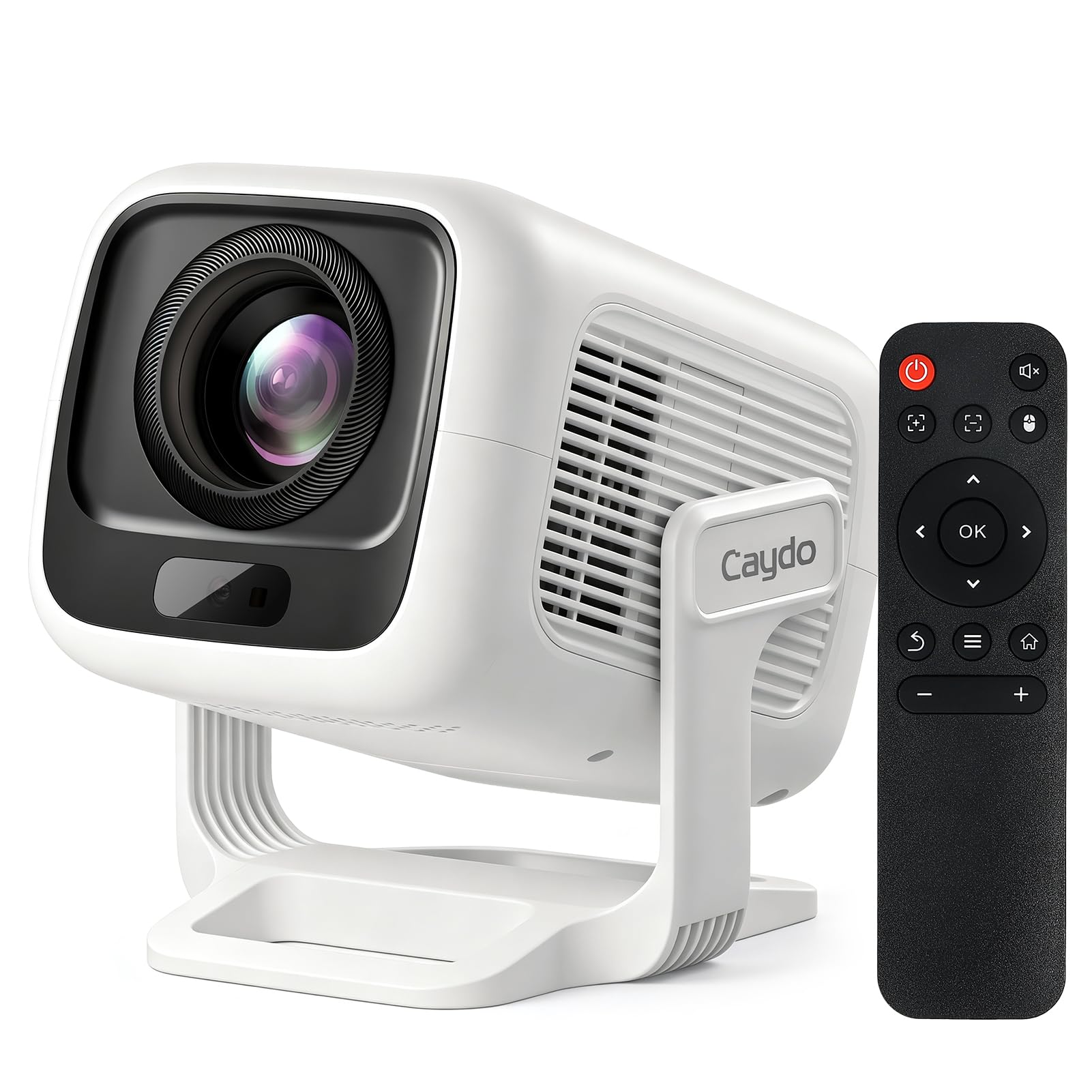
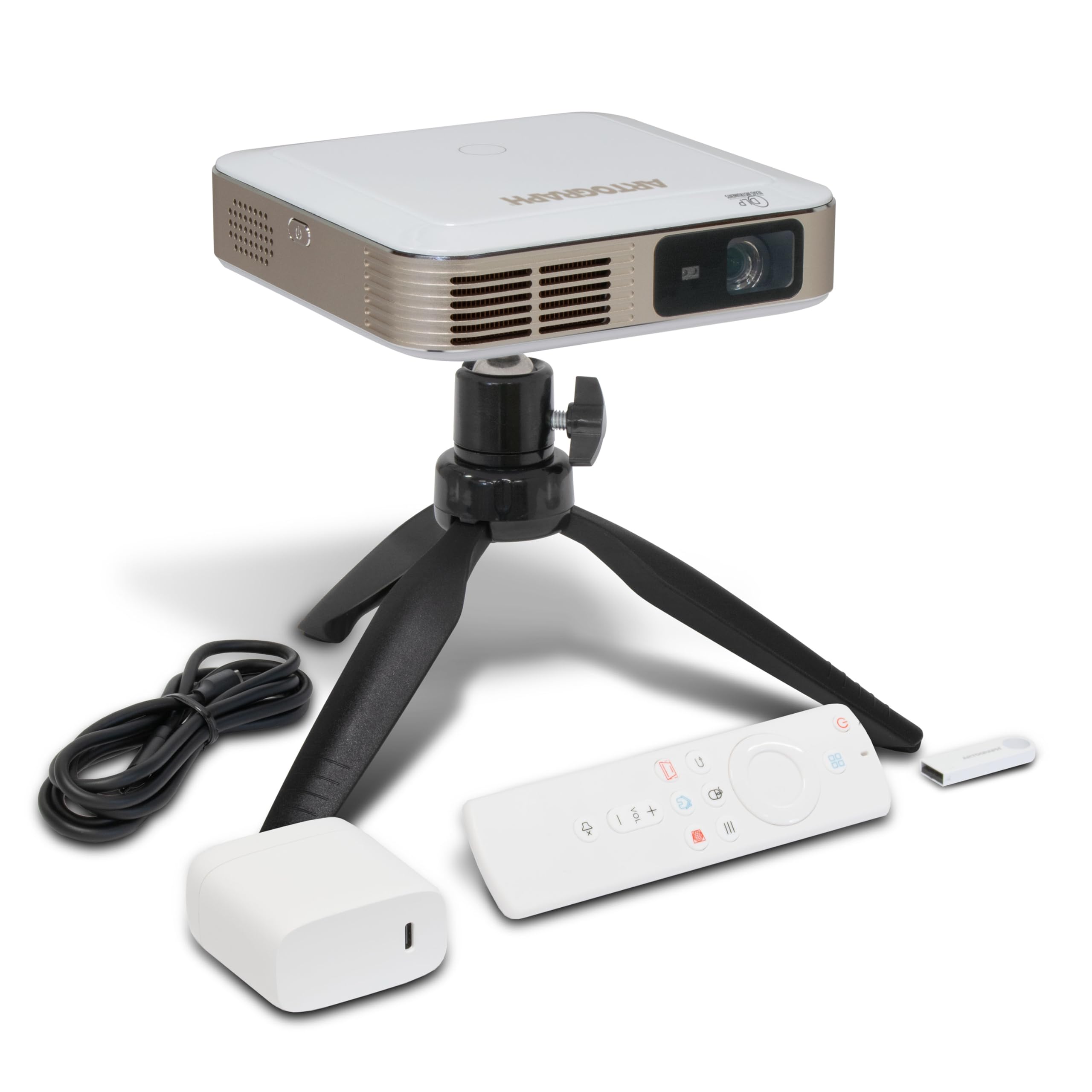
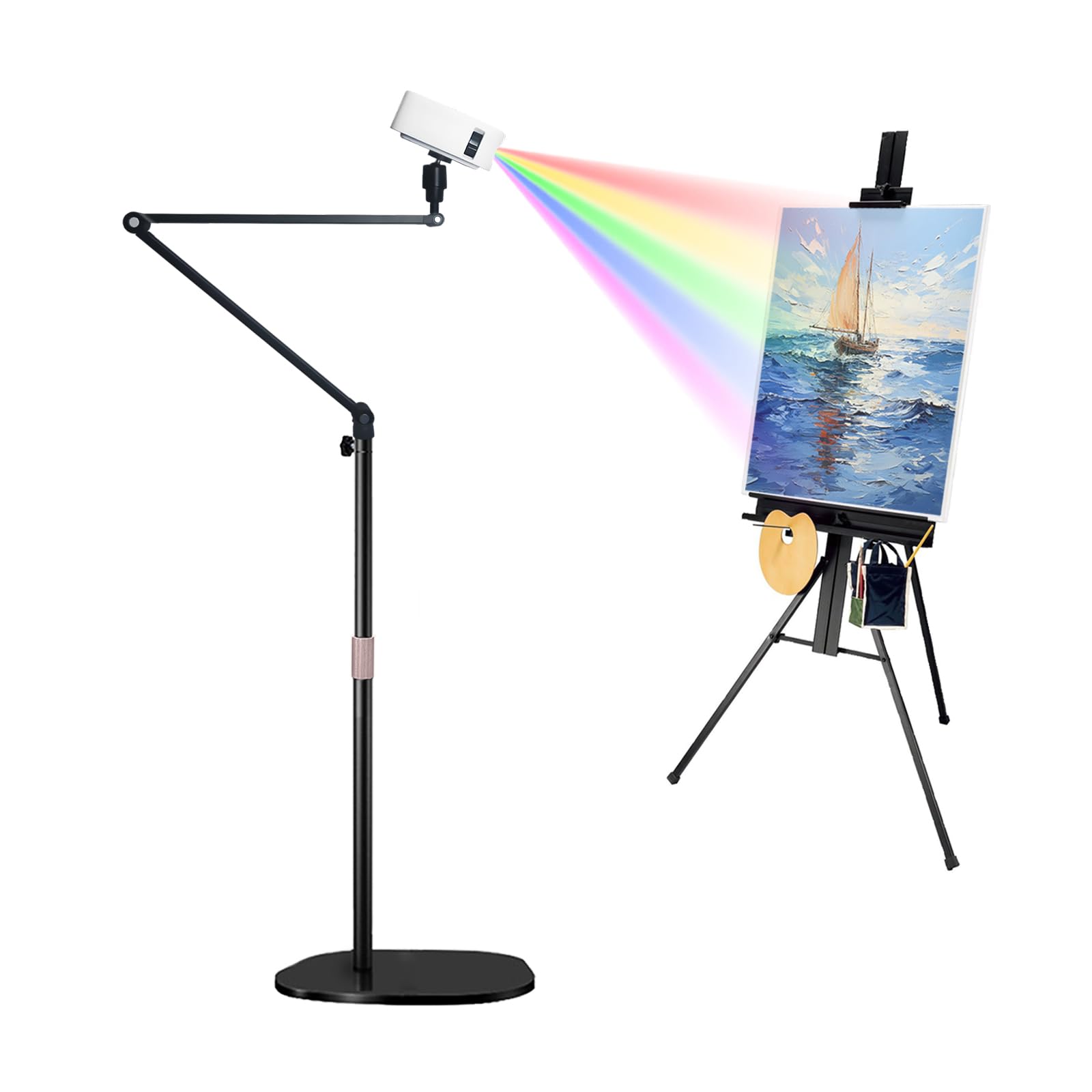
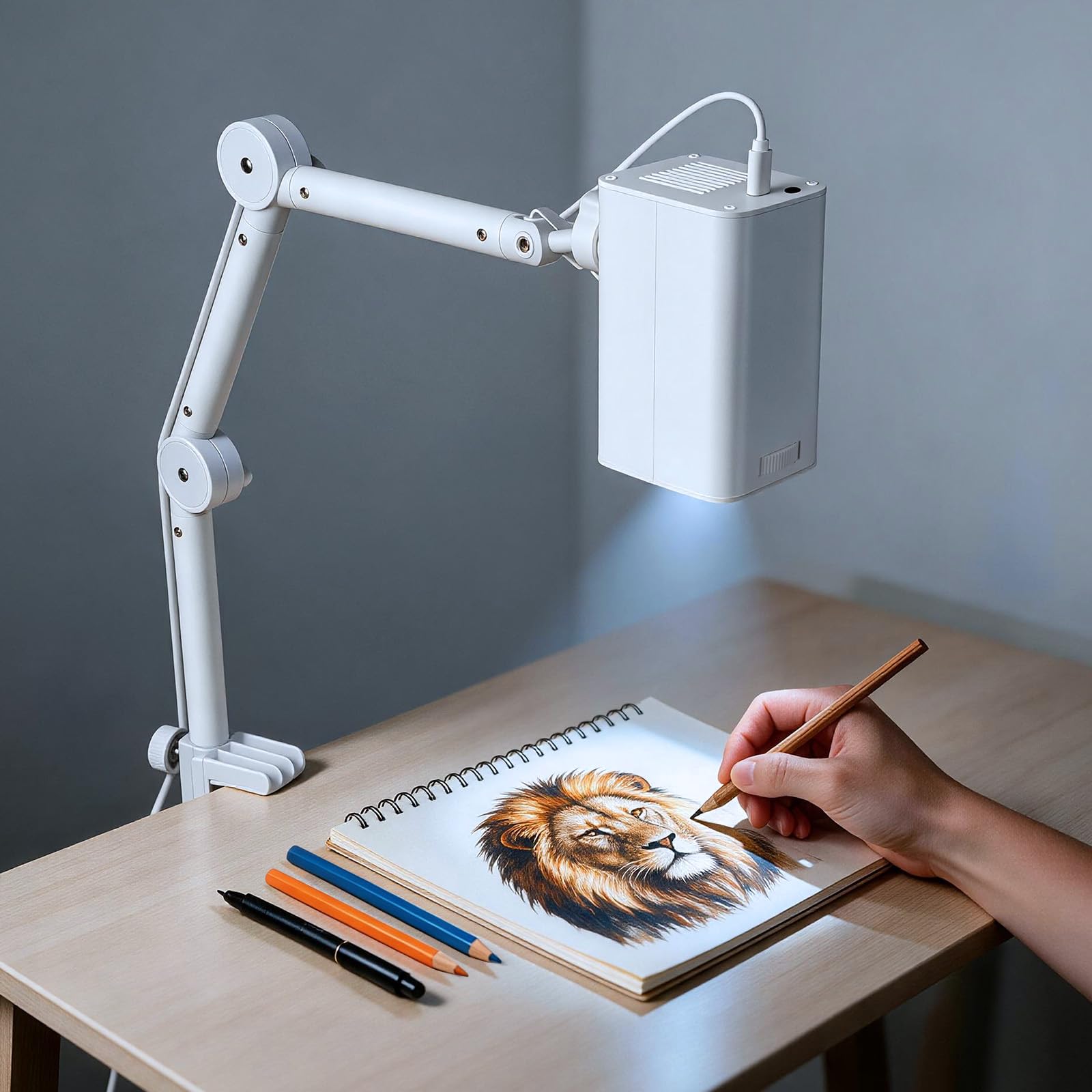


Key Features to Compare
Throw Distance and Image Size
Throw distance governs the mural size you can reach, so measure your wall and your floor space before anything else. A standard throw model needs roughly eight to twelve feet to fill a large wall, while a short throw class reaches the same size from about half that distance. Artists planning oversized work should also read about best projectors for art installations, where room depth shapes the whole setup. If your studio is small, throw ratio matters more than any brightness figure.
Brightness and Room Light
Brightness governs whether tracing stays visible in a lit room, and studio light is the honest test. In a dim room a modest lamp is enough, but tracing pencil lines under daylight needs a brighter class, roughly 1,000 lumens or more in maker terms. This is the core question behind guides to best art projectors for tracing, since a faint image makes line work slow and tiring. Judge brightness claims carefully, because some makers quote inflated figures with no standard behind them.
Three Tool Classes: Opaque, Digital, and Camera Based
Artists choose between three tool classes, and each suits a different source. An opaque projector enlarges a physical sketch, photo, or book page placed inside it, with no file involved. A digital projector works from image files on a phone or computer, which is the route covered by guides to best digital projectors for artists. A camera based class, sometimes built like a document camera with a lamp, captures a drawing live and suits teachers and demonstrators.
Connectivity and Ports
Connections decide how friction free your sessions feel. An HDMI port covers most laptops, a USB port lets many models read image files from a stick, and wireless casting helps when the projector is mounted out of reach. Check that the port set matches the device holding your reference images before you buy. A model with every port you need beats a brighter model that forces you into adapters and cables across the floor.
Focus, Zoom, and Keystone Adjustment
Adjustment controls decide whether your projected lines stay true. Manual focus should feel smooth and hold its setting, zoom lets you resize the image without moving the unit, and keystone correction squares the image when the projector sits at an angle. Use keystone sparingly, since heavy correction softens edges and can bend straight lines. Whenever the room allows it, placing the projector square to the wall gives cleaner geometry than any digital correction.
Price Bands: What Each Class Buys
Entry Class for Small Studies
Entry models run about $60 to $150 and suit sketches, small canvases, and learning the workflow. Expect modest brightness, a fixed or limited zoom, and a lamp or LED source that works best in a dim room. For desk scale work this class is honestly enough, and many artists start here before committing more money. The trade is image size, since these units run out of brightness as the picture grows.
Mid Range Class for Murals and Canvas
Mid range models run about $150 to $400 and are the working heart of the market. This band buys stronger brightness for lit rooms, smoother focus, and zoom ranges that cover both canvas and wall work. Broader roundups such as best projectors for artists cover this band heavily because it fits most studios. If you sell your work or paint murals for clients, this is the class where money turns into daily ease.
Bright Class for Large Walls
Bright models run about $400 to $900 and exist for big images in imperfect light. You pay for a stronger light source, better cooling, and mounting options that hold alignment over long sessions. Artists who project across a full wall, or who work in shared spaces they cannot darken, get real value here. Below that scale, this class is more machine than most studios need, and the money is better kept for materials.
Quick Buyer Checklist
- Have you measured the distance between the projector spot and your wall?
- Does the image size at that distance cover your largest planned work?
- Can you darken the room, or do you need a brighter class for daylight tracing?
- Are your references physical pages, digital files, or both?
- Do the ports match the phone or computer that holds your images?
- Does the focus hold steady once set, without drifting during a session?
- Is the lamp or light source replaceable, and at a price you accept?
Red Flags to Watch For
- Brightness quoted in vague lux or maker only units with no standard lumens figure anywhere.
- No stated throw ratio, which leaves image size a guess until the box is open.
- A warranty of only a few months on a tool you plan to use weekly.
- Focus that relies on a loose ring with no fine control, a common cause of soft lines.
- Listings that promise mural scale images from a palm sized unit with no brightness data to back the claim.
Tips to Get the Most From Your Art Projector
Shoppers comparing the wider field of best art projectors should still start with throw, because a model that cannot fill your wall fails every other test. Work in the dimmest light your process allows, since even a modest projector looks far stronger once room light drops. Set the unit square to the wall and level before reaching for keystone controls, and tape floor marks at your favorite distances so setup takes seconds next time. Clean the lens with a microfiber cloth only, and let the fan finish its cool down cycle before unplugging after long sessions.
Your Questions Answered
What throw distance do I need for a mural?
The throw distance you need depends on the projector class and the wall size you want to fill. Standard throw models commonly need about eight to twelve feet for a large mural, while short throw classes manage similar sizes from roughly four to six feet. Measure your room first, then check the throw ratio in the spec list and do the simple division it implies. Choosing the class after measuring prevents the classic mistake of a projector that only fits its image in a room you do not have.
Can I trace a projected image in a bright room?
Yes, you can trace in a bright room if the projector is bright enough and the lines are bold. Closing curtains on the wall side of the room helps more than darkening the whole space. Paper choice adds a point many guides miss: a smooth bright white surface reflects more of the image than a textured gray toned one, which can rescue a marginal setup. If lines still wash out, darken the reference image digitally before projecting it.
Are opaque projectors better than digital projectors for art?
Neither class is better in general, because they start from different sources. An opaque projector wins when your reference is a sketchbook page, a printed photo, or a found image you cannot scan easily. A digital projector wins when your references already live on a phone or computer and you want to resize or flip them quickly. Many working artists keep the choice simple by matching the class to the archive they already own.
How long does an art projector light source last?
A traditional lamp typically lasts about 3,000 to 6,000 hours, while LED and laser sources are often rated around 20,000 hours. The new point worth knowing is replacement cost: a spare lamp can cost a fair share of an entry projector price, so check that figure before buying a lamp based model. Heat also shortens real life, which is why letting the fan finish cooling after each session protects the source. For most home studios, even a lamp model covers years of weekly use.
What image size works best for canvas work at a desk?
A modest image size, roughly two to four feet wide, works best for canvas work at a desk. At that scale a short throw or standard model can sit on a shelf or tripod behind you without crowding the workspace. Smaller images are also sharper and brighter from the same projector, which helps when you trace fine detail. If you later move to wall scale work, the same unit can serve as a backup while a brighter class takes over.
Final Thoughts
Buy by the checklist, not by the spec sheet headline: throw distance first, brightness for your real room light second, and the tool class that matches your references third. Set against those three checks, the best art projectors for artists choice for your studio becomes fairly clear. The product table above can help you compare the classes side by side before you decide.


