
Best Archery Sets for Adults for 2026: What Actually Matters Before You Buy
Disclosure: We may earn a commission when you buy through links on this page, at no extra cost to you. As an Amazon Associate I earn from qualifying purchases. Learn more

Run this buyer checklist for the best archery sets for adults first: draw weight, bow type, safety gear, sizing, and value, before you spend a dollar.
Archery sets look similar in photos and feel completely different in your hands. The gap usually comes down to a few measurable things: draw weight, draw length, bow type, and whether the kit includes the safety gear you need on day one. This guide gives you the evaluation checklist behind the best archery sets for adults, so you can judge any kit on specs rather than box art.
The comparison table below lists the current options for a fast scan. After it, the checklist explains each criterion with clear good and poor ranges, plus the safety and sizing checks adult buyers most often skip.


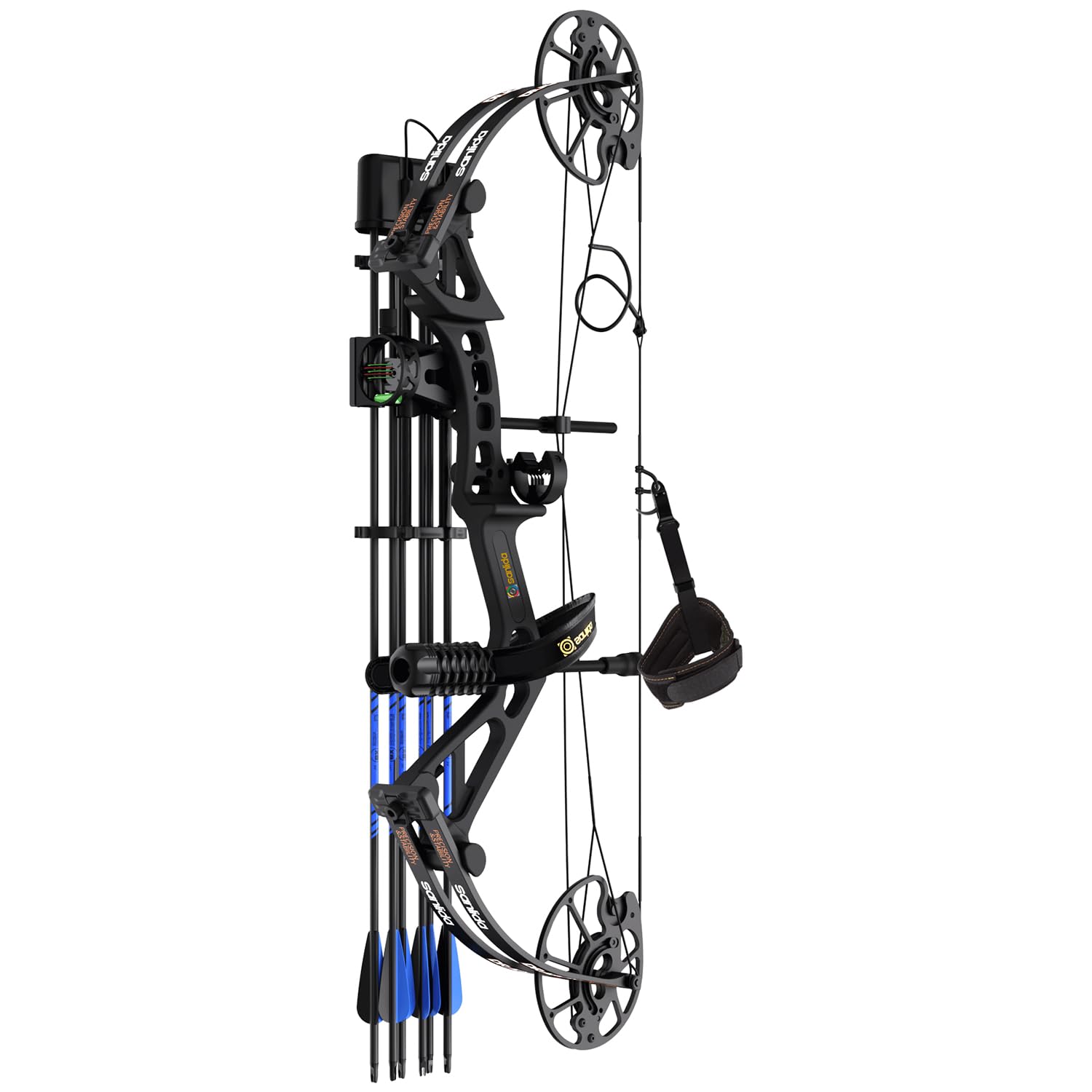
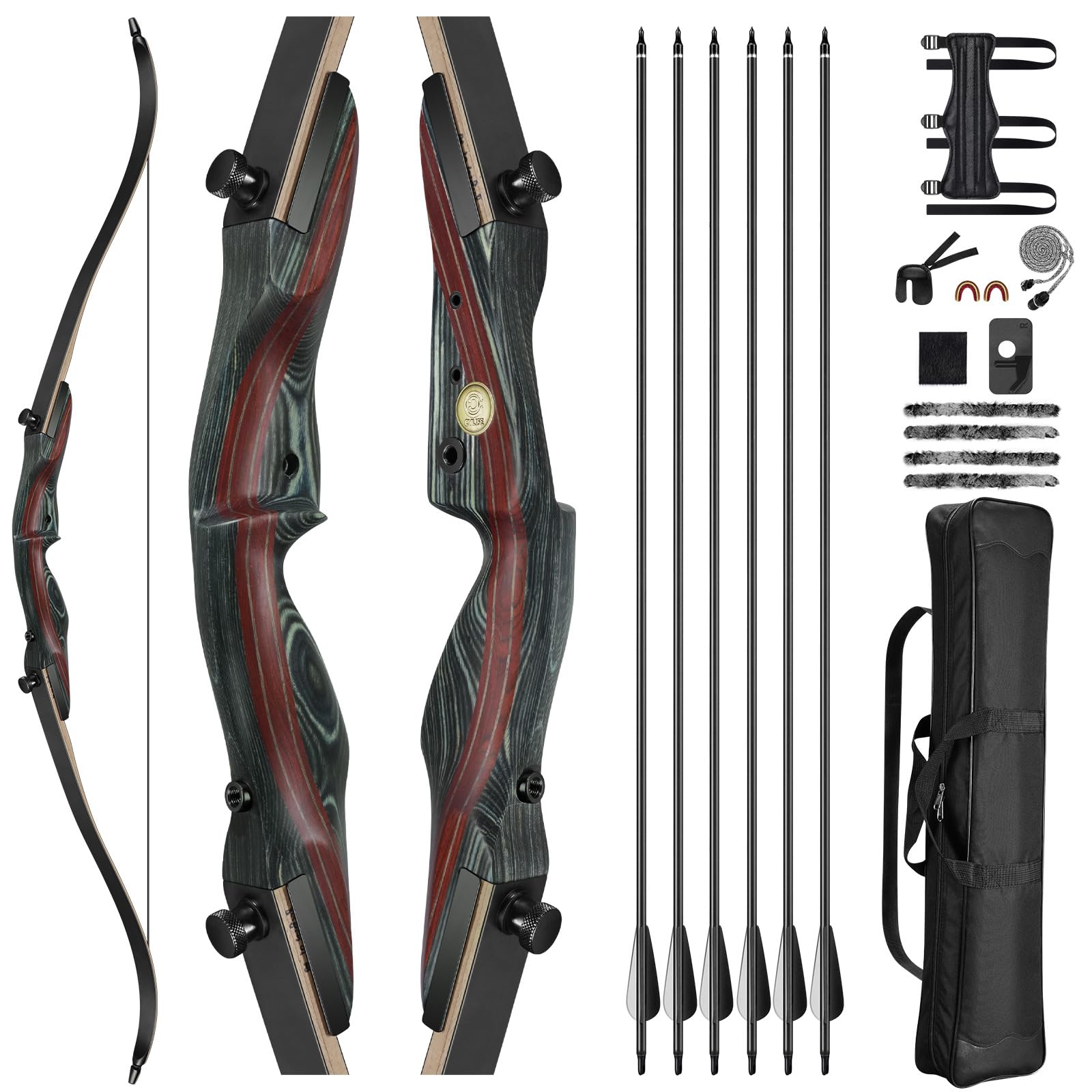


How We Evaluate Archery Sets
Score a set on six criteria: adult appropriate power and fit, match to your skill level, safety provisions, honest value in the included accessories, build materials, and correct sizing. A kit that fails on power or safety fails overall, no matter how many extras are in the box. Readers who want the wider category view first can start with our guide to the best archery sets and then return here for the adult specific checks.
Features That Matter for Adults
Adult sets differ from youth sets in draw weight, draw length, and durability, and those differences are the whole point. Look for an adult draw length range, typically around 26 to 31 inches, and draw weights that reach at least 30 lb for target use. Grips should fit an adult hand without your fingers crowding, and risers should be metal or solid composite rather than thin plastic. If a listing avoids stating draw weight and draw length in plain numbers, treat that silence as a failed criterion.
Skill Level and Intended Use
Beginners need a forgiving setup: moderate draw weight, a bow that tolerates imperfect form, and arrows matched to the bow. Intermediate shooters benefit from adjustable draw weight, since a bow you can raise from 30 to 45 lb grows with your strength and skill. Advanced shooters usually buy components separately and should view sets as a source of a backup bow or range gear. Be honest about use too: a set for backyard targets, a club range bow, and a hunting legal bow are three different purchases with different minimum draw weights.
Safety and Certifications
Safety gear and safe habits are part of the product, not an afterthought. A responsible adult set includes or clearly prompts you to buy an arm guard and a finger tab or release, and its manual should cover inspection and safe shooting rules. Never dry fire a bow, meaning never release the string without an arrow, because the energy has nowhere to go and limbs can crack. Check local rules before shooting anywhere outside a range, supervise any teen using your set, and store the bow unstrung or cased away from children. Buy from sellers who state standards compliance plainly rather than hiding behind vague quality claims.
Value and Included Accessories
Count what you would otherwise buy separately: arrows, a target, an arm guard, a finger tab, a quiver, and a case. A set that includes six arrows and a target can be better value than a cheaper bare bow once you price the extras at about $15 to $40 each. But filler accessories add no value: flimsy targets that arrows pass through and toy grade sights will be replaced within weeks. Judge the bow first, then credit the kit only for accessories you would genuinely keep for a full season.
Materials and Construction
Risers are commonly aluminum, magnesium alloy, or composite, and each step up in material buys stiffness and a cleaner feel at full draw. Limbs are usually laminated wood, fiberglass, or composites, with laminated limbs offering smoother draw and better consistency. Strings matter more than beginners expect: a quality string stretches less and keeps your draw weight honest. Inspect finish and fittings on any set you receive. Loose limb bolts, rough grip edges, or a string that already looks frayed are reasons to return a set before you ever shoot it.
Size, Weight, and Fit
Fit in archery means draw length, and getting it wrong ruins accuracy and comfort. Estimate yours by measuring your arm span from fingertip to fingertip and dividing by 2.5: a span of 70 inches suggests a draw length near 28 inches. Bow length matters too, with longer bows, around 62 to 66 inches for recurves, feeling smoother and more forgiving for taller shooters. Overall bow weight affects long sessions: a heavy riser steadies aim but tires shoulders. Match the set to your height, reach, and strength, not to a generic adult label.
Three Buyer Profiles That Pass Our Checklist
Use these profiles to place yourself in the product table above. Each one lists the specs to prioritize, the typical price range, and the trade off to accept.
The Complete Starter Profile
If you are new and want one box that gets you shooting safely, prioritize a recurve or adjustable compound set around $120 to $220 with a draw weight you can start near 25 to 35 lb. Insist on arrows, a target, an arm guard, and finger protection in the box. The trade off is refinement: starter limbs and strings are serviceable rather than smooth. This profile passes the checklist because it covers power, fit, and safety together, which is exactly what a first season demands.
The Best Value Profile
If budget leads, look around $80 to $140 for a simple takedown recurve set with honest specs and a modest accessory bundle. Takedown designs let you buy stronger limbs later for about $40 to $70 instead of replacing the whole bow, which is the smartest value move in archery. Give up the case and the extra arrows if needed, but never give up the arm guard or a target thick enough to stop your arrows. A set that skimps on stopping power is not a bargain; it is a hazard.
The Premium Profile
If you already shoot and want a set that feels like a real upgrade, premium kits around $250 to $450 bring stiffer risers, smoother laminated limbs, better strings, and accessories worth keeping. Adjustable compound sets at this level hold their settings and tune more precisely. The trade off is that serious shooters often prefer choosing each component, so weigh the kit discount against that freedom. This profile passes the checklist on materials and fit, and it suits club shooters who want a second setup for guests or travel.
Quick Buyer Checklist
Ask these questions before you buy. A no on draw weight, draw length, or safety gear should stop the purchase.
- Is the draw weight stated in pounds, and can you start at a weight you can draw with control?
- Does the draw length range include your measured draw length?
- Is the bow type, recurve, compound, or longbow, the one you actually want to learn?
- Are an arm guard and finger protection included or clearly listed as needed extras?
- Is the included target rated to stop arrows from this draw weight?
- Are the arrows the right length and stiffness for the bow and your draw?
- Can you buy replacement limbs or strings for this exact model later?
- Does the seller state a warranty and a return window in plain language?
Red Flags to Watch For
Walk away from listings with vague specs that say powerful or high quality instead of giving draw weight and draw length numbers. Be wary of sets that bundle youth sized bows under an adult label, of targets far too thin for the stated draw weight, and of review patterns that praise the box while saying nothing about shooting. A warranty measured in days rather than months tells you what the maker expects. Finally, treat any set that arrives with a damaged limb or frayed string as a return, not a repair project, because limb failure at full draw is a genuine injury risk.
Care and Maintenance Tips
Store your bow out of direct sun and extreme heat, since heat weakens limbs and strings, and unstring a recurve that will sit unused for weeks if the maker advises it. Check wear before each use: inspect the string for fraying, the limbs for cracks or twists, and every arrow for bends or split shafts, and retire damaged arrows immediately. Clean and dry the bow after outdoor use, especially after rain, and wax the string on the schedule the manual gives. Good care keeps a midrange set accurate for years.
FAQs
What features matter most in archery sets for adults?
Draw weight, draw length fit, and safety gear matter most, in that order. A bow you cannot draw with control teaches bad form and sore shoulders, and a draw length that misses your measurement makes consistent aim nearly impossible. One detail new buyers miss is arrow match: arrows must suit the bow weight and your draw length, and a set that pairs them correctly is worth more than one throwing in extra accessories at random.
Is it worth buying premium as a beginner?
Usually not for your first bow, because beginners cannot yet feel the differences premium materials make, and many discover they prefer a different bow type after a season. The exception is an adjustable set you can grow with, which can be worth paying for once. A sensible path is a solid starter or value set now, lessons or club time next, and premium components later when your form tells you what you actually want.
Indoor vs outdoor: does it matter?
It matters mainly for targets, arrows, and rules. Indoor ranges give you controlled distance and lighting, so almost any set works. Outdoors adds wind, longer distances, and lost arrows in grass, which argues for brighter arrow colors and a sturdier target. Many areas also restrict where outdoor shooting is allowed, so confirm local rules and your backdrop before the first backyard session. A missed arrow travels far, and a safe backstop is part of the purchase.
What size should I get?
Base it on your draw length, estimated from your arm span divided by 2.5, and then confirm with the size chart for the specific set. Most adults land between 27 and 30 inches. If you fall between sizes or near the edge of a range, choose the option with adjustment room rather than the one you barely fit today. When you can, visit a shop or club and draw a few bows: ten minutes in person settles sizing questions that charts cannot.
How long does it last?
A well kept adult set lasts for years. Risers rarely wear out, limbs last longest when never dry fired and kept out of heat, and strings are the consumable part, typically replaced every one to two years of regular shooting or sooner if fraying appears. Arrows are the other ongoing cost, since lost and damaged arrows add up for outdoor shooters. Budget a small yearly amount for strings and arrows and the set itself stays sound.
Our Verdict
Judge every set on draw weight you can control, draw length that truly fits you, and safety gear that is present rather than promised. Then weigh materials and accessories with a clear head. The product table above pulls the current options together so you can compare specs quickly. For most new shooters, the best archery sets for adults are an adjustable starter set with honest numbers and a target that can actually stop its arrows. Shoot safe, check your gear every session, and let your second purchase be the upgrade your first season earned.


