
Best Archery Sets for Beginners: What Actually Matters Before You Buy for 2026
Disclosure: We may earn a commission when you buy through links on this page, at no extra cost to you. As an Amazon Associate I earn from qualifying purchases. Learn more
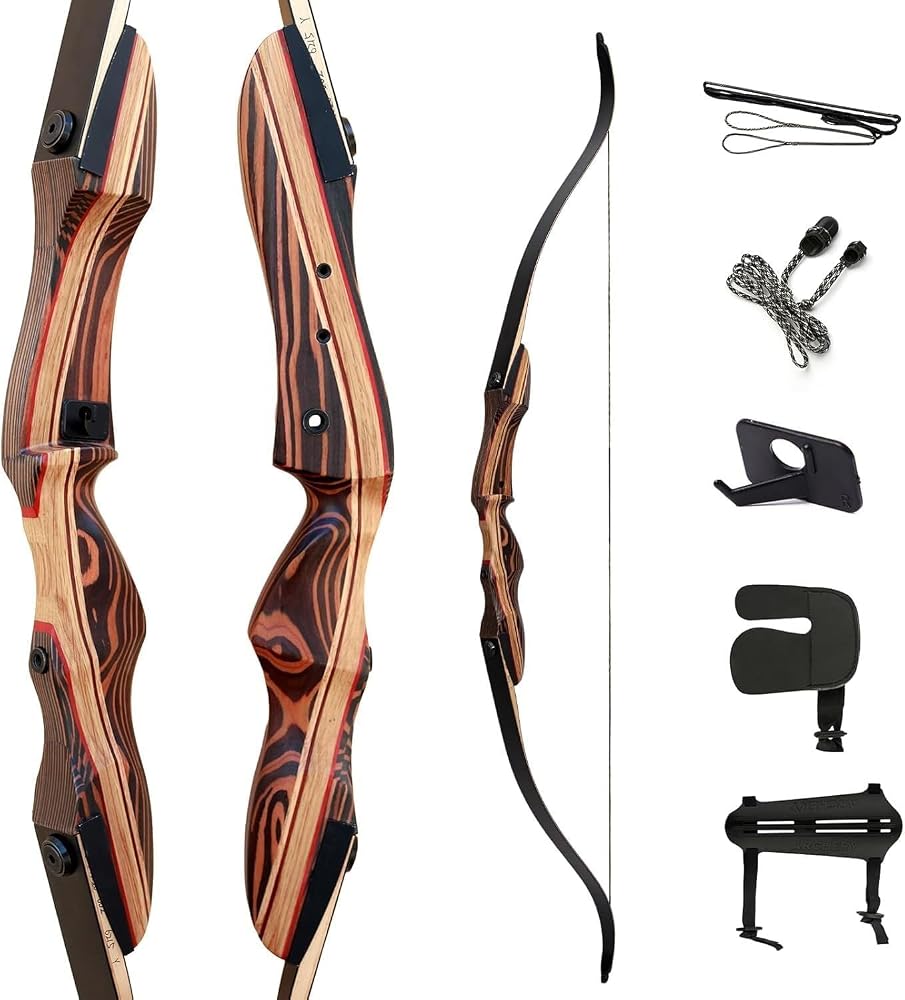
A clear checklist for the best archery sets for beginners, covering draw weight, sizing, safety gear, materials and value for a first setup.
A first archery set should feel easy to draw, safe to learn on, and simple to set up in a backyard or at a local range. This guide gives you a clear checklist for judging best archery sets for beginners on the things that shape your first months of practice, from draw weight and bow length to arrows, targets, and protective gear. You will not find product rankings here. Instead, you will learn what each part of a set does, what good and poor specs look like, and how to match a set to your size and goals using the comparison table below.




How We Evaluate Archery Sets
Score any set against six criteria before you look at price. A set that passes on sizing, draw weight, and safety gear will teach you far more than a powerful bow you cannot control. If you are still deciding between recurve and compound styles, see our guide to the best archery sets for a broader look at bow types before you narrow your choice here.
Beginner Friendly Features That Matter
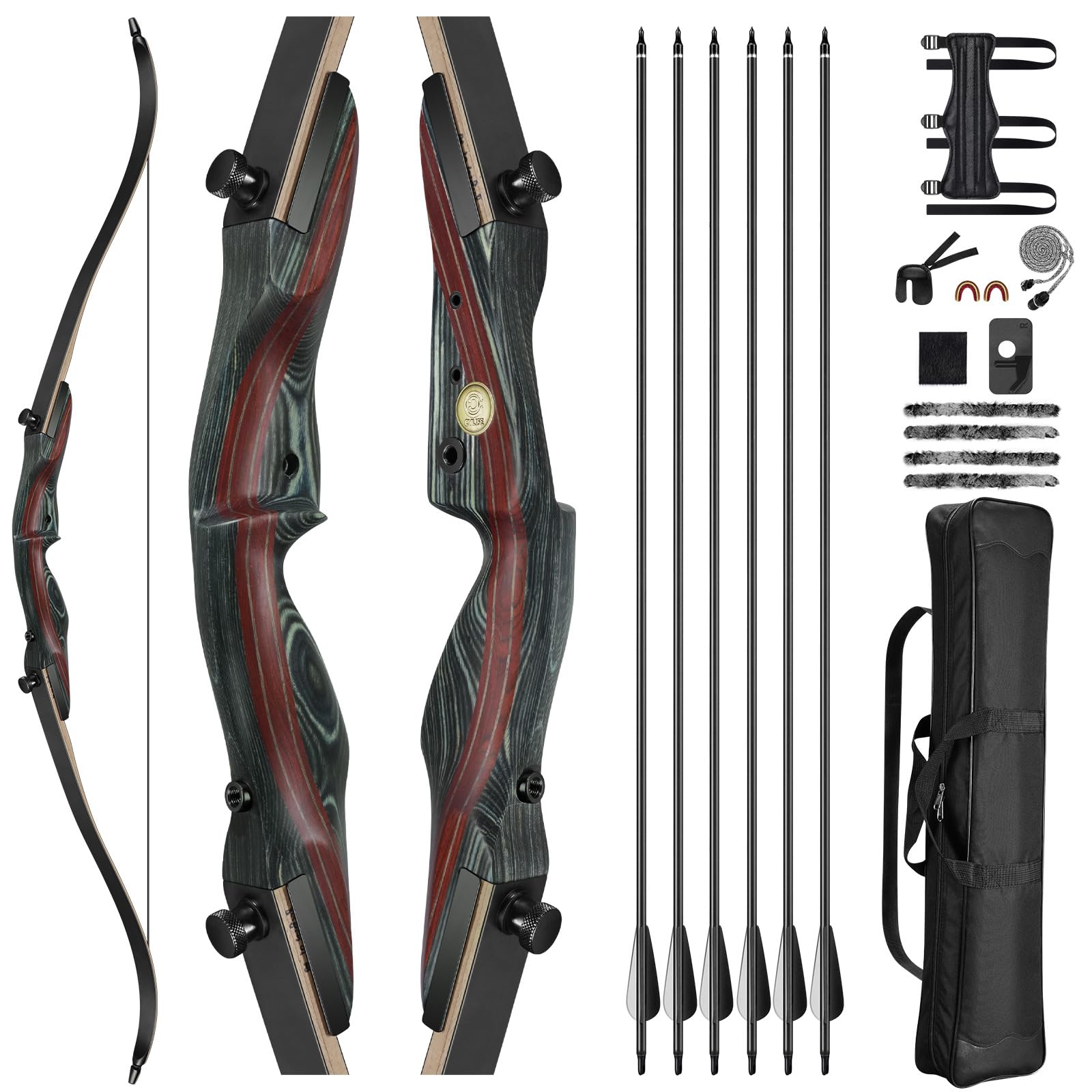
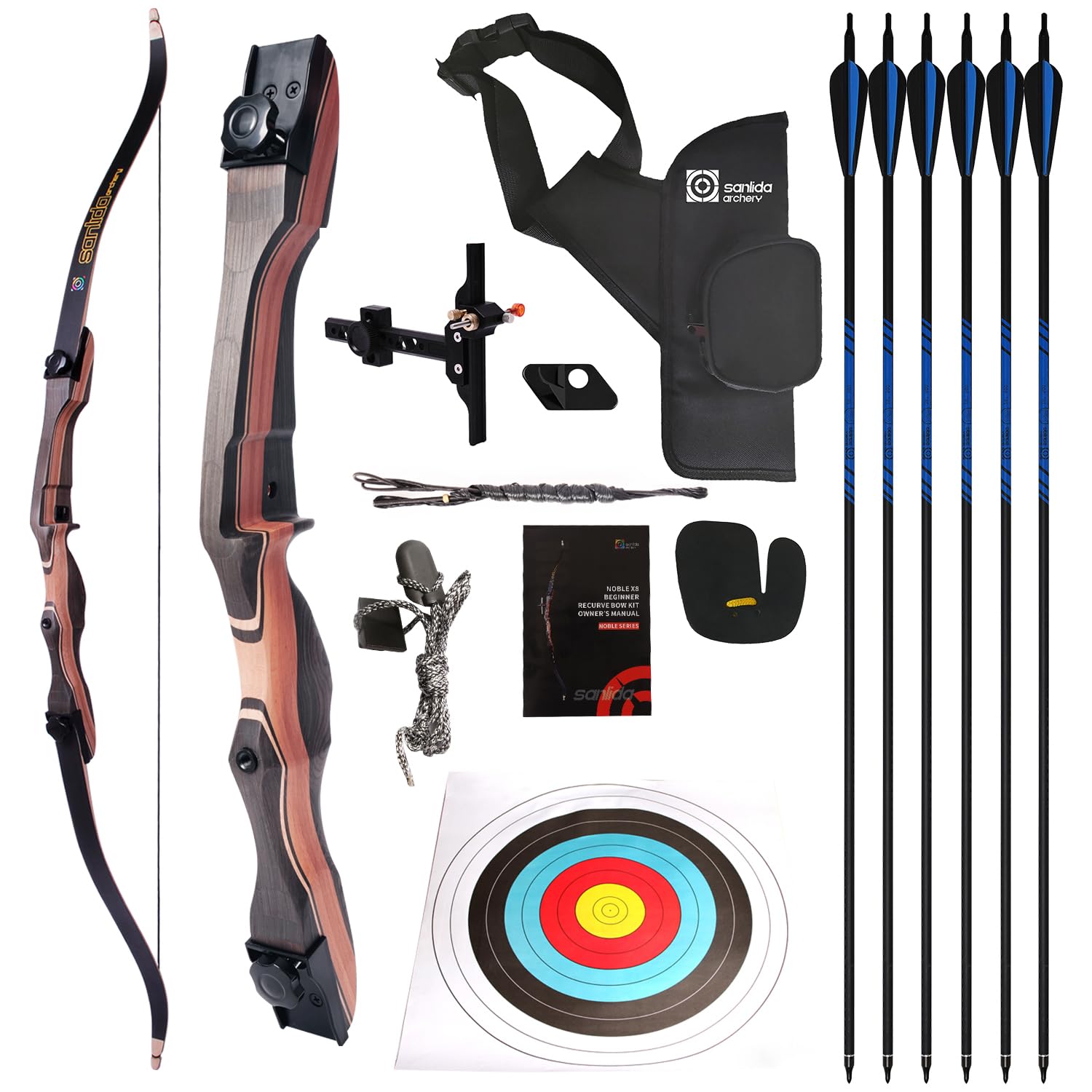
Look for a bow that arrives mostly assembled, with clear printed instructions and arrows that are already cut to a safe length. Good starter sets include an arm guard, a finger tab or release aid, a simple target, and a stringer tool for recurve bows. Poor sets force you to buy those basics separately or guess at assembly. Fewer adjustments early on is a plus, because you want to learn stance, anchor, and release before you start tuning sights and rests.
Skill Level and Intended Use
Decide whether you will shoot targets in a yard, join a club, or practice indoors, because each setting favors a different bow. Target practice rewards a smooth, modest draw weight you can repeat for dozens of shots. Field style shooting adds walking and uneven ground, so a lighter bow helps. If you mainly want to learn form, a recurve with no sights keeps things simple. Compound bows add cams and a let off point that holds part of the weight at full draw, which suits some learners but adds parts to maintain.
Performance Characteristics
Forgiveness is the quality that matters most at first. A forgiving bow has a longer brace height and a smooth draw cycle, so small errors in release show up as small misses rather than wild ones. Grip shape matters too. A slim, neutral grip helps your hand sit in the same place on every shot. Stability comes from bow length. Longer bows wobble less and feel calmer, while very short bows react quickly to every twitch. Arrow speed numbers mean little for a learner, so do not pay extra for speed you cannot yet control.
Materials and Construction
Most starter risers are wood, composite, or light alloy, and all three can serve a beginner well. Composite limbs resist moisture and casual knocks, while wood limbs often feel smooth and quiet. Check that limb bolts seat evenly, that the string has no frayed strands, and that arrow shafts are straight with firmly glued points and fletching. A takedown design, where the limbs unbolt from the riser, makes storage and later limb upgrades easier. Avoid sets with cracked limbs, bent shafts, or a string that looks dry and fuzzy.
Indoor vs Outdoor Use
Indoor practice needs a short, safe lane and a target rated for your draw weight, plus a backstop if arrows can pass the target. Outdoor practice adds wind, glare, and lost arrows in grass, so bright fletching colors earn their keep. Rain is hard on wood risers and natural feather fletching, while composite parts shrug off damp days. Whichever setting you choose, you need a clear area behind the target and a firm rule that nobody crosses the shooting line while bows are drawn.
Portability and Storage
A takedown bow in a soft case fits in a closet or car trunk and travels to a range without fuss. One piece bows need more room and a long case. Count the full kit when you plan storage: bow, arrows in a tube or quiver, target, arm guard, and stringer. Sets that pack flat suit apartment living. If you will carry the kit on foot, total weight matters more than case padding. Store arrows upright or flat so shafts stay straight, and keep the target dry so its core lasts.
Three Price Tiers That Pass Our Checklist
Instead of naming models, use the tiers in the product table above to see what your money buys. Each tier below describes the shooter it suits, what it usually includes, and the trade off you accept.
Best Overall Tier
The overall tier, often around $120 to $250, suits a committed adult or teen who plans to shoot weekly. Sets here usually pair a takedown recurve or an entry compound bow with a dozen matched arrows, a solid foam target, an arm guard, and a case. Draw weight is often adjustable or offered in several steps, so the bow can grow with you for a season or two. The limit is that sights and rests stay basic, and serious target shooters will later want better arrows. For most first time buyers, this tier offers the fewest compromises.
Best Value Tier
Value sets, often around $60 to $120, suit casual learners and families testing interest before spending more. You typically get a light draw weight bow, a handful of arrows, a simple target, and basic protection. That is enough to learn stance and grouping at short range. The trade offs are thinner cases, targets that wear out sooner, and arrows that vary more in straightness. Value sets work best at close distances and low draw weights. If the shooter falls in love with the sport, plan to upgrade arrows and the target first, since those two items shape accuracy most.
Best for Heavy Use Tier
Heavy use sets, often around $250 to $400, suit club learners and households where several people will shoot the same kit often. Expect a sturdier riser, replaceable limbs in more weight steps, a denser layered target, and a hard case. Spare strings and extra arrows are more common here. The limit is weight and cost: these kits are bulkier to store and more than a casual shooter needs. Choose this tier when weekly volume is high, when a coach has suggested specific specs, or when the bow will be shared and must tolerate constant setup and takedown.
Quick Buyer Checklist
Run through these questions before you buy. Every yes means the set fits a true beginner. Any no is a reason to pause, compare the comparison table above again, or ask a range coach. The same starter set logic applies in other sports, which is why families comparing the best golf sets for beginners or the best iron sets for beginners ask similar questions about fit, weight, and room to grow.
- Is the draw weight low enough that you can hold at full draw for five calm seconds?
- Does the bow length match your draw length and height on the maker size chart?
- Are at least six arrows included, matched in length and spine to the bow?
- Does the set include an arm guard and a finger tab or release aid?
- Is the target rated for the draw weight you plan to shoot?
- Can the limbs be replaced or the draw weight adjusted as you get stronger?
- Is there a clear, safe place at home or a range where you can practice?
Red Flags to Watch For
Walk away from sets with vague specs, such as a draw weight range with no stated bow length or arrow spine. Missing safety gear is another warning sign, since a set sold for learners should include at least an arm guard. Be wary of reviews that praise power and speed but never mention grouping or comfort, because those traits matter more at first. Very short warranties on limbs and risers suggest low confidence from the maker. Finally, avoid adult draw weights marketed to children. A bow that is too heavy teaches poor form, strains shoulders, and can cause injury.
Tips to Get the Most From Your Archery Set
Store the bow out of direct sun and extreme heat, which can weaken limbs and dry out strings. Check the string, limbs, and arrow shafts for wear before each use, and retire any cracked arrow at once. Clean and dry the kit after outdoor sessions, especially if grass or soil reached the target core. Two habits help fast: mark your anchor point routine on a note card and follow it every shot, and keep a simple log of distance and group size so you can see progress and spot a bent arrow early.
Frequently Asked Questions
What makes archery sets for beginners different?
Beginner sets differ mainly in draw weight, forgiveness, and what is included in the box. They use lighter draw weights, longer and calmer bow designs, and arrows chosen for safety over speed. Most also bundle a target, arm guard, and finger protection so a new shooter can start at once. Adult performance sets assume you already own that gear and can handle heavier draw weights with clean form.
Is it worth buying premium as a beginner?
Premium pricing is worth it only when it buys adjustability and durability you will actually use. A sturdier riser, replaceable limbs, and a denser target pay off for weekly shooters. Fancy sights, carbon arrows, and speed focused cams add little while your form is still forming. If you shoot twice a month, the value or overall tier serves you better, and you can put the savings toward range time or a lesson.
How long does it last?
A well kept starter bow can last for years, while strings and targets wear out much sooner. Expect to replace a string about once a year with regular use, sooner if it frays. Foam targets last longest when you rotate the face and keep draw weight modest. Arrows are consumables: lost and damaged shafts are normal. Limbs and risers fail mainly from dry firing, heat, or drops, all of which you can prevent with basic care.
What size should I get?
Size by draw length first, then by height. Stretch your arms out, measure fingertip to fingertip in inches, and divide by 2.5 for a rough draw length. Longer draw lengths need longer bows for a smooth feel. Youth shooters grow fast, so an adjustable or takedown bow with swap ready limbs is a smart buy. When a size chart puts you between steps, choose the longer bow and the lighter draw weight for learning.
Indoor vs outdoor: does it matter?
Yes, setting changes what you need from the set. Indoors, space and backstop safety limit distance, so lower draw weights and dense targets matter most. Outdoors, wind and longer lanes reward heavier arrows that drift less and bright fletching you can find in grass. Many learners start indoors at a club, learn safe habits under supervision, then move outside once grouping is consistent at short range.
The Bottom Line
Judge every set on three things: a draw weight you can control, a bow length that fits your draw, and complete safety gear in the box. Get those right and almost any tier can teach you solid form. Compare your shortlist in the product table above, then choose the best archery sets for beginners option that matches your space, your strength, and how often you truly plan to shoot.


