
Best Archery Elk Hunting Boots for 2026
Disclosure: We may earn a commission when you buy through links on this page, at no extra cost to you. As an Amazon Associate I earn from qualifying purchases. Learn more

Compare archery elk hunting boots by quiet flex, insulation, support and grip, with fit checks and care tips for steep ground and long stalks.
Archery elk season asks more of your boots than almost any other hunt. You walk steep country in the dark, cross cold creeks at first light, and then slow down for a final approach where one snapped twig can end the stalk. Choosing the best archery elk hunting boots means balancing quiet steps, real ankle support, and enough warmth for long, still sits while a bull works closer.
This guide skips named models and focuses on the choices you control: sole stiffness, insulation, shaft height, fit, and care. Use the comparison table below to narrow your shortlist, then work through the fit checks here so the pair you order matches your season dates and terrain.



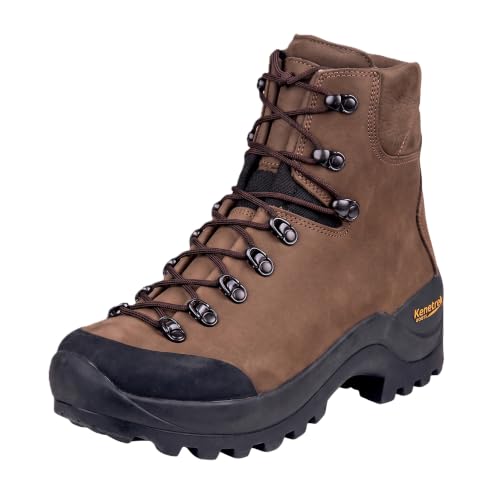
Who Should Buy Which Archery Elk Hunting Boots?
Early Season Spot and Stalk Hunters
September archers in warm, dry country need a boot that moves quietly and breathes through long midday climbs. Look for an uninsulated upper, a flexible forefoot that lets you feel sticks before they snap, and a soft rubber sole that grips without clattering on rock. If you spend hours glassing basins between stalks, you may also want our guide to the best elk hunting binoculars.
Late Season Archers in Cold and Snow
October and November archery hunts bring frozen mornings, snow covered slopes, and long sits at wallows or travel corridors. Choose insulation in the 400 to 800 gram range, a taller shaft that keeps snow out, and a sole compound that stays grippy in the cold. Readers who also hunt rifle season can see our guide to the best hunting boots for elk hunting.
Backcountry Hunters Who Pack Out Meat
If your hunt ends with quarters on your back, support outranks softness. A stiffer shank, a firm heel counter, and a deep lugged sole spread heavy loads and protect your ankles on the descent. These boots feel clumsy during the first stalks, so practice at home until your foot placement becomes automatic under a loaded pack.
Key Features to Compare
Quiet Sole and Flexible Forefoot
Silence is the feature that separates an archery boot from a general mountain boot. A softer rubber compound and a forefoot that bends with your foot let you roll through each step and lift off without scraping. Stiff, hard soles telegraph every pebble and can squeak on wet logs or frosty grass. Test quietness on hard floors and on gravel before season, and favor shallow, closely spaced forefoot lugs if your stalks cross rocky parks where noise carries.
Waterproofing and Breathability
Elk country means dew soaked grass, creek crossings, and sudden rain, so a waterproof membrane earns its place on most archery boots. The trade off is heat: a membrane that keeps water out also slows drying once sweat soaks the lining. Early season hunters in dry states may prefer a non waterproof upper that breathes on long climbs, while hunters in northern ranges should treat waterproofing as essential and carry extra socks.
Insulation Matched to Season Dates
Insulation is sold by weight, and the right amount depends on how still you sit and how cold your mornings run. Uninsulated boots suit active September hunting, 200 to 400 grams covers frosty mornings with steady movement, and 600 to 800 grams fits late season sits where your feet stay inactive for an hour or more. Remember that tight boots feel colder than the rating suggests, because compressed insulation loses loft and snug toes restrict circulation during long waits.
Shaft Height, Support, and Stability
Most archery elk boots stand about 8 to 10 inches tall, enough to brace the ankle on sidehill traverses and keep scree from dropping inside. A firm midsole and shank matter more than height alone, since they stop the boot twisting on hidden rocks under load. Hunters who prefer traditional leather mountain boots can see our guide to the best crispi boots for elk hunting.
Grip on Steep and Loose Ground
Elk live where the footing is poor: loose shale, wet timber, muddy wallow edges, and frozen grass. Deep, widely spaced lugs shed mud and bite on descents, while a defined heel breast gives you a braking edge when you drop into a drainage with a quarter on your back. Softer compounds grip slick rock better but wear faster on gravel, so match lug depth to the ground you cross most.
Fit, Sizing, and Heel Lock
Order boots to fit with the midweight wool socks you will hunt in, and shop late in the day when your feet are slightly swollen. You want a thumb width of space ahead of your toes for descents, a heel that stays seated when you climb, and lacing that snugs the instep without crushing the forefoot. Walk down an incline at home; toes that jam the front signal a fit problem that blisters will confirm.
Types of Archery Elk Hunting Boots Compared
The best archery elk hunting boots fall into three broad families, and our companion guide to the best boots for archery hunting covers flatter deer country in more depth. Solid options in all three families run about $150 to $350.
Lightweight Flexible Boots for Quiet Stalks
These boots borrow from trail footwear, with synthetic uppers, modest support, and soft soles built for silence. They shine during warm early season hunts where you stalk often, and they need almost no break in time. Their limits show up under heavy pack loads and on rocky descents, where thin midsoles let stone bruises reach your feet by the end of a long day.
Mid Height Leather Mountain Boots
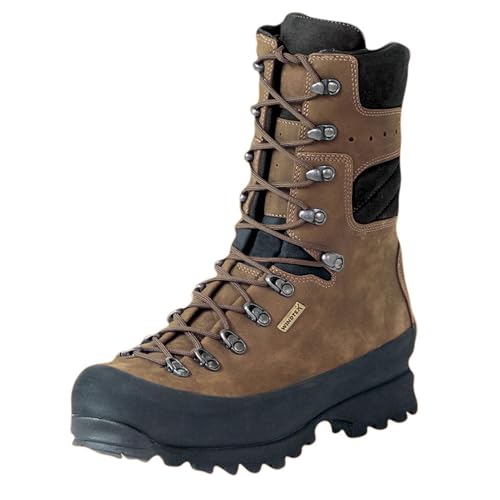
Full grain or nubuck leather uppers with a supportive shank make this the default choice for mixed terrain and week long hunts. Leather molds to your foot over time, resists abrasion from brush and rock, and can be treated to shed water season after season. The cost is weight and a real break in period, often 20 to 30 miles before the upper softens enough for a silent stride.
Tall Insulated Boots for Late Season
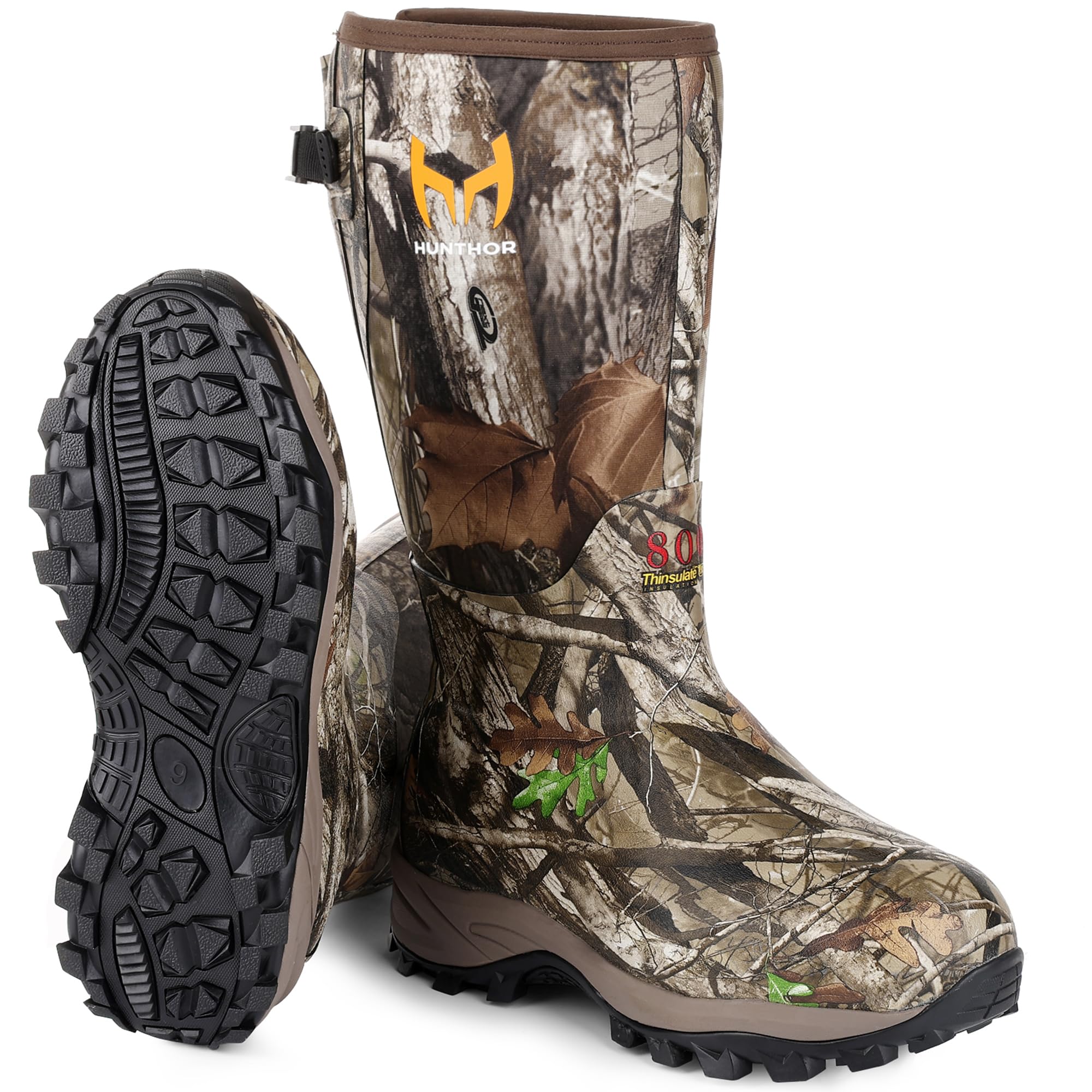
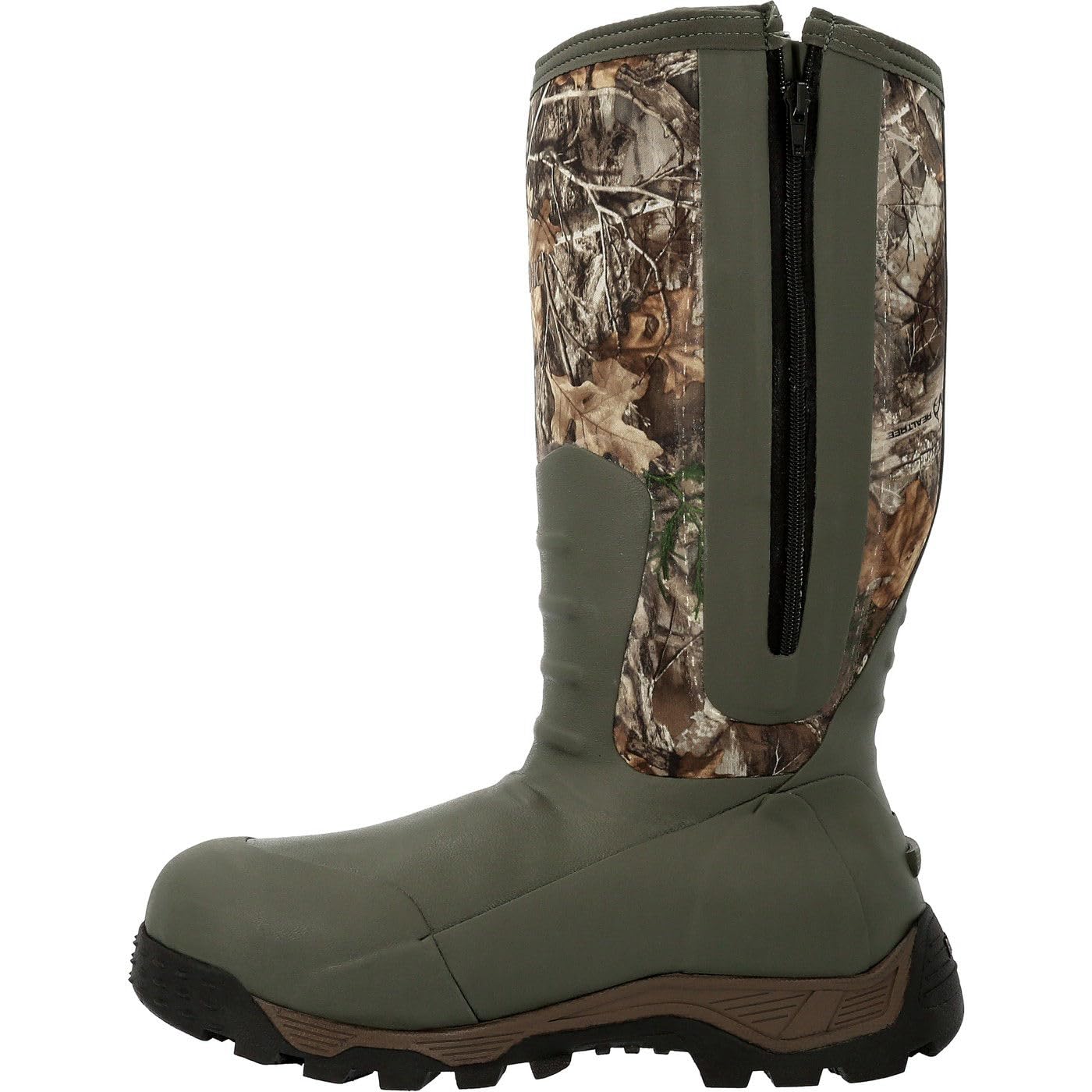
Tall shafts, heavy insulation, and aggressive soles define this family, built for snow, frozen mud, and stationary sits. They protect your lower leg in crusted snow and hold warmth during windy glassing sessions. In September heat they are a liability, trapping sweat on every climb, so most archers treat them as a second pair reserved for the coldest hunts.
Common Mistakes to Avoid
- Buying stiff mountaineering boots for stalking, because loud, rigid soles announce every step before you reach shooting range.
- Choosing insulation by the coldest morning you can imagine, because overheated feet sweat, blister, and then chill during the sit.
- Sizing boots with thin cotton socks, because the fit changes completely once you switch to the wool socks you hunt in.
- Skipping break in miles, because new leather and stiff shanks cause hot spots that can end a backcountry hunt early.
- Ignoring heel lift in the store, because a loose heel becomes blisters on the first climb.
- Storing boots wet after a hunt, because damp linings grow odor and break down glues and foams.
Care and Maintenance for Archery Elk Hunting Boots
After each hunt, pull the insoles out, loosen the laces, and let the boots dry at room temperature away from direct heat, since hot air cracks leather and warps sole glues. Brush dried mud from the uppers and lugs, because caked grit holds moisture against seams. Treat leather with a conditioner made for waterproof footwear every few outings, and check that the treatment does not soften the upper so much that ankle support fades.
Between seasons, store boots upright in a cool, dry place with the shafts supported so the leather does not fold and crack. Inspect soles for worn lugs, split welts, and frayed laces before summer scouting, and replace insoles that have packed flat, since fresh insoles restore cushion and fine tune fit. If your feet develop numbness, lasting swelling, or pain that does not ease after a day off the mountain, stop hunting on them and talk with a clinician about your personal needs.
FAQ
How much insulation do archery elk hunting boots need for September?
Most September archers do best with uninsulated boots or about 200 grams of insulation. Early season hunting keeps you moving, and movement generates the warmth that heavy insulation would otherwise provide. One extra check is your sitting time: if you sit over water for the last hours of light, lean toward the 200 gram option, because still feet cool fast once the sun drops.
How should archery elk hunting boots fit for steep descents?
Archery elk hunting boots should hold your heel firmly while leaving clear space ahead of your toes. On a descent your foot slides forward, and toes that touch the front will bruise under the nail after a few thousand vertical feet. Try a heel lock loop at the top eyelets during your home fit test, since it secures the ankle without overtightening the forefoot.
How long does it take to break in leather archery elk hunting boots?
Leather archery elk hunting boots usually need about 20 to 30 miles before they quiet down and flex naturally. Start with short walks on soft ground, then add hills and a light pack across several weeks. One point many hunters miss is that laces and insoles settle during this period too, so retighten in stages on your first long hike instead of cranking the laces once and ignoring the loosening fit.
Can archery elk hunting boots also work for rifle season?
Yes, archery elk hunting boots can cross over to rifle season if the insulation matches the later dates. Rifle hunts involve more sitting at glassing points and colder storms, so an uninsulated September boot may leave you short in November. Keep your archery pair for early and mid season, then judge the forecast honestly before buying a warmer second pair.
Final Thoughts
Start with the season you hunt most, then match insulation, shaft height, and sole stiffness to that reality instead of shopping for the toughest boot on the shelf. Fit them with your hunting socks, break them in before opening day, and test how quietly you can walk on gravel. Chosen that way, the best archery elk hunting boots disappear on your feet and let you focus on wind, sign, and shot placement. Compare your finalists in the product table above and order early enough to log real miles first.


