
Best Arch Support Water Shoes at Every Price for 2026: What Your Money Really Gets You
Disclosure: We may earn a commission when you buy through links on this page, at no extra cost to you. As an Amazon Associate I earn from qualifying purchases. Learn more

Compare the best arch support water shoes at every price point. Learn what you get at budget, midrange, and premium levels and where spending more pays off.
Most water shoes are built like socks with tread: light, quick to drain, and almost completely flat inside. That is fine for a short swim, but hard on your arches during a full day of kayaking, beach walking, or pool workouts. This guide sorts the best arch support water shoes by price, so you can see what each tier adds in support, grip, and durability.
The comparison table below gives you a quick scan of the current options and their prices. The sections after it explain what separates a $35 pair from a $120 pair, and which upgrades actually matter in the water.

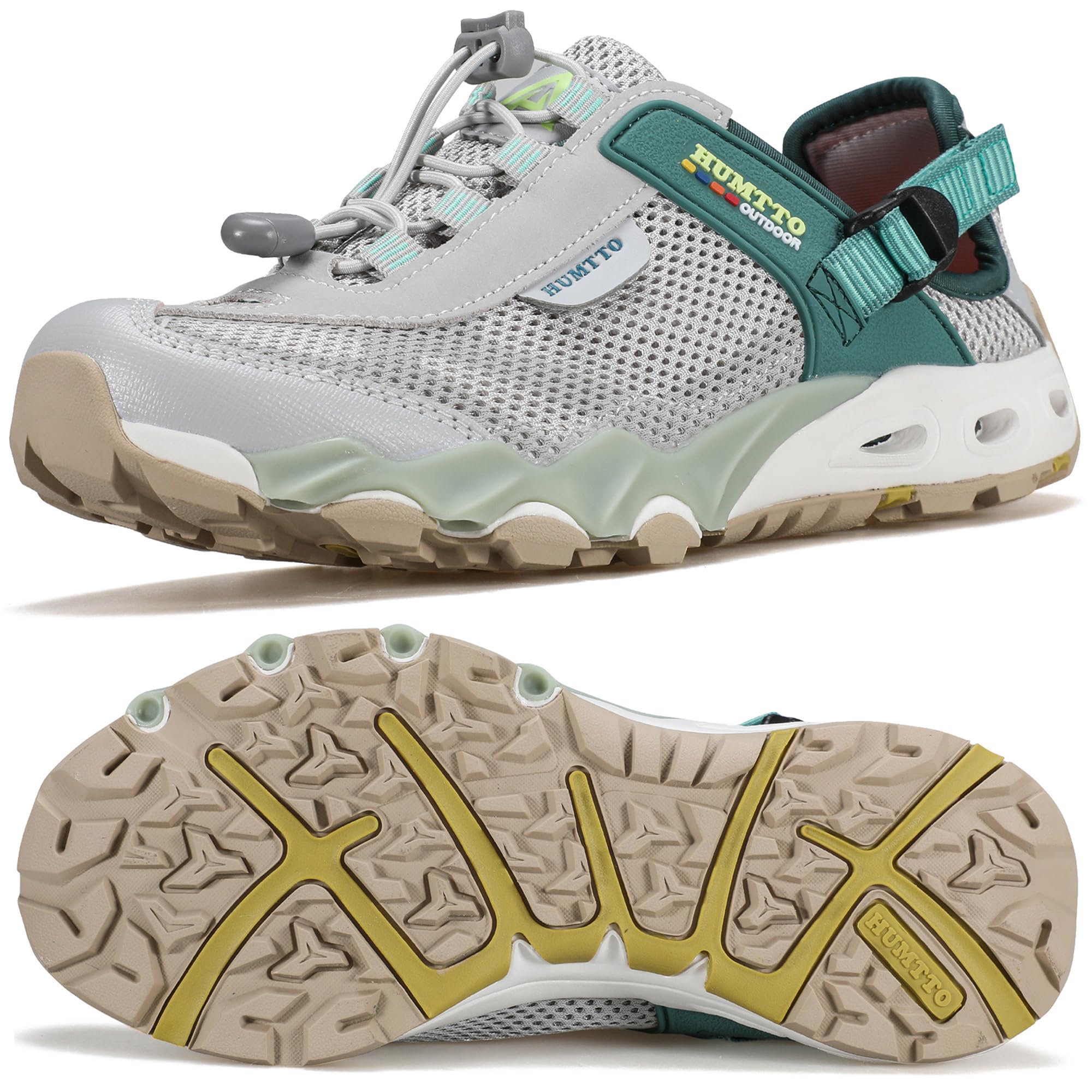


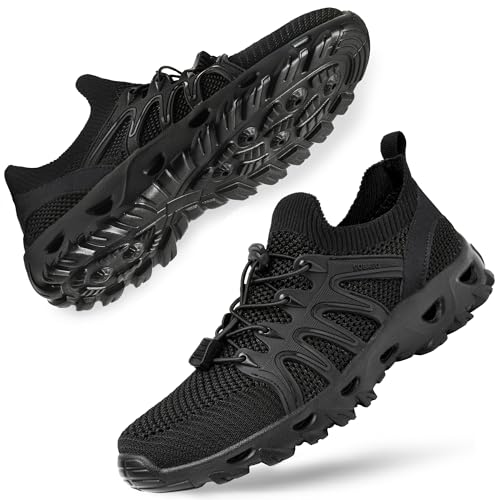


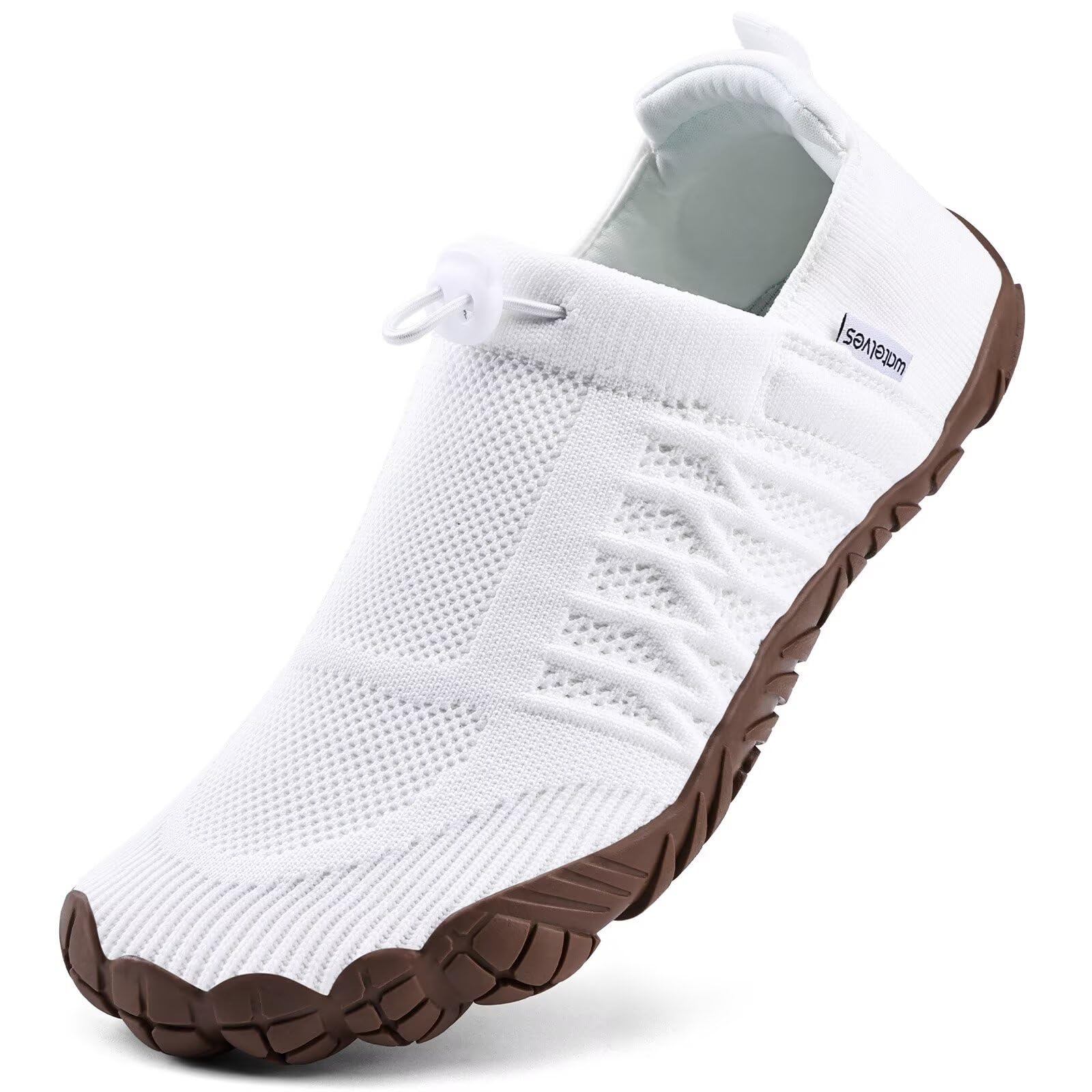

How Each Price Tier Performs in the Water
Water shoes fail in predictable ways: they slip on wet rock, they sag when soaked, or the sole peels after a season. Each tier below is judged on those real failure points, not on color choices.
Budget Tier in the Water
Budget pairs, usually around $30 to $50, suit swimmers and casual beachgoers who spend more time in the water than walking in it. You get a thin, flexible sole, a mesh upper that drains fast, and a mostly flat insole with a slight arch bump. Grip is adequate on pool decks and sand. The limits appear on rocky entries and long walks, where the thin sole lets stones press through and the soft arch collapses when wet. Treat this tier as a single season purchase and it will serve you well.
Midrange Tier in the Water
Midrange pairs, usually around $55 to $90, are the sweet spot for most buyers. The sole gains real thickness and a shaped arch that keeps working when soaked, and the outsole rubber gets grippier on wet surfaces. This is the tier to choose for water aerobics, travel days that mix swimming and sightseeing, and boat decks. Class regulars who want a shoe shaped for pool workouts specifically can also look at our guide to the best water aerobic shoes with arch support, which focuses on that narrower job.
Premium Tier in the Water
Premium pairs, usually around $95 to $140, suit paddlers, anglers, and anyone crossing slippery rock or hiking to a swim spot. You get a structured midsole with genuine arch support, a protective toe cap, and an outsole designed to channel water away while it grips. Uppers use stronger mesh and reinforced overlays that resist tearing on shells and gravel. The trade off is weight and drying time: premium shoes carry more structure, so they feel heavier in the water and dry more slowly back at camp.
What Your Money Gets You at Each Price Tier
The clearest way to see the tiers apart is component by component. Drainage exists at every price, so do not pay extra for it. Pay for what sits under your arch and what touches the ground.
Budget Tier: What to Expect
Expect a one piece molded sole, basic foam, and drainage holes that double as the entire water management system. Arch support, if you can call it that, comes from a slight contour in a flat insole. Seams and glue joints are the weak points, and a season of sun and salt water often ends them. This tier makes sense for growing kids, loaner pairs for guests, and swimmers who mostly need protection from hot sand and rough pool floors rather than support for walking.
Midrange Tier: The Sweet Spot for Most Buyers
Midrange money buys a separate rubber outsole with siping, the tiny slits that flex and grip on wet surfaces, plus a contoured insole with a visible arch. Closures improve too, with real laces or adjustable straps that keep the shoe on in current and surf. This is also where open designs appear for people who prefer airflow, and our guide to the best water sandals with arch support covers those options in detail. For most adults, this tier delivers support that survives the whole vacation.
Premium Tier: When Spending More Pays Off
Premium shoes build arch support into the midsole itself, so it cannot flatten the way a removable insole does. They add toe protection for rocky entries, outsoles that stay grippy after months of use, and materials that resist odor and sun damage. Spending more pays off if you paddle, fish, or hike in your water shoes several times a month. It pays off far less for a once a year beach trip, where a midrange pair and a rinse after each use will do everything you need.
Features Worth Paying For (and Ones to Skip)
Water shoes collect novelty features quickly. The four areas below are the ones that decide comfort and safety, and each is worth checking before you pay for extras.
Weight and Flexibility
A good water shoe feels light in the water but protective on land, and those two goals pull against each other. Flexible soles swim and pack well, yet they transmit every stone on a rocky shore. Stiffer soles protect and support, but can feel clumsy during a swim. A practical middle ground is a sole that bends at the toes and stays firm under the arch. Bend any candidate by hand: if it folds in the middle like a towel, the arch support will do the same under your weight.
Break In Period and Comfort Out of the Box
Most water shoes need little break in time, since mesh uppers soften quickly once wet. Structured premium models are the exception, and their shaped arches can feel firm for the first two or three outings. Wear a new pair on a short outing before a long one, and check for rubbing at the heel and toe seams, because wet skin blisters faster than dry skin. If a shoe rubs while dry in your living room, it will rub worse after an hour in the water.
Fit, Sizing, and Toe Box
Fit your water shoes snugly, with less spare room than walking shoes, because loose shoes fill with water, drag, and can pull off in current. Still, your toes need width to splay for balance on uneven wet ground, so look for a wide toe box with a secure midfoot. Measure your feet in the afternoon and check the size chart for each brand, since water shoe sizing varies widely. Shoppers who want a general survey of supportive options beyond closed shoes can also read our guide to the best water shoes with support for more styles.
Durability and Expected Lifespan
Salt water, chlorine, and sun all attack water shoes between outings. Rinse them with fresh water after each use and dry them in shade, and a midrange pair can last several seasons of regular use. Judge durability by stitched rather than purely glued sole joints, reinforced toe areas, and rubber that still feels tacky rather than hard and shiny. Mileage rules from running shoes do not apply here; judge by grip and arch shape instead. When the sole feels smooth on a wet pool deck, replacement time has arrived.
Long Term Costs to Factor In
Ownership costs stay modest, but they are not zero. A second pair for rotation costs less than replacing one worn out pair mid season, and it lets each pair dry fully, which slows odor and glue failure. Replacement insoles with real arch shape cost about $20 to $40 and can rescue a shoe whose upper and sole are still sound. Men shopping for the whole family may also want our guide to the best men's water sandals with arch support for open styles, while women comparing closed shoe fit can use our guide to the best arch support shoes for women. Factor in a mesh bag for transport, and your total stays well under the price of one premium pair.
Arch Support Water Shoes: Your Questions Answered
How should arch support water shoes fit?
They should fit snugly through the heel and midfoot with room for your toes to spread. A water shoe that fits like a loose sneaker will fill, sag, and chafe once soaked. One check that works at home is the shake test: put the shoes on, lift each foot, and shake gently. The shoe should move with your foot, not around it, and your heel should not lift out when you rise on your toes.
How long is the break in period?
For most mesh models, one or two short outings are enough. Structured models with firmer arches may take three or four sessions before the support feels natural. Break them in before any trip that involves a rocky hike to the water, and pack a familiar backup pair for the first day. If a hot spot appears during break in, a thin water sock usually solves it without changing the fit of the shoe.
Can I wear them all day?
Yes, if you choose a midrange or premium pair with a shaped arch and a sole thick enough for pavement and trails. Budget pairs are better kept to shorter sessions, since their thin soles tire feet on long walks. All day wear also means drying: feet that stay wet for hours get sore and blister prone, so take the shoes off during dry breaks when you can, and let both shoes and feet air out.
Are expensive arch support water shoes worth it?
They are worth it for paddlers, anglers, and frequent swimmers who walk on rock, gravel, or boat decks, because the support and grip last for seasons. For a single annual beach week, the premium tier is hard to justify. A useful way to decide is to count your water days per year: under ten, buy midrange; over thirty, the premium build usually earns its price through durability alone.
How often should I replace my arch support water shoes?
Replace them when grip fades, the arch feels flat when wet, or seams start to open. For regular users that is often every two to three seasons; for occasional users, age and sun exposure matter more than wear. A quick home test is to stand in the shoes on a wet tile floor and shift your weight: any sliding means the outsole has hardened past its useful life, whatever the shoes look like.
Do I need waterproof shoes?
No, and the idea confuses many buyers. Water shoes are meant to get wet and then drain, so a waterproof membrane works against you by trapping water inside after every entry. What you want is fast drainage, quick drying mesh, and materials that do not absorb water and grow heavy. Save waterproof footwear for rain on land, and let your water shoes do the job they were designed for.
The Bottom Line
Buy for your hardest surface, not your easiest swim. Match the tier to how much walking, rock, and current your water days involve, insist on arch support that lives in the midsole if you will wear the shoes for hours, and check fit while remembering that wet shoes fit closer than dry ones. The product table above gathers the current options for a quick comparison. For most readers, the best arch support water shoes are a midrange pair with a siped outsole and a shaped insole that still supports when soaked.


