
Best Arch Support Shoes for Women 2026 Buying Guide
Disclosure: We may earn a commission when you buy through links on this page, at no extra cost to you. As an Amazon Associate I earn from qualifying purchases. Learn more

Find arch support shoes for women with the right arch height, cushioning, and fit. Match support to flat, medium, and high arches for comfort.
Finding best arch support shoes for women starts with knowing your own arch, not with a brand name. A shoe that supports a high arch well can feel intrusive under a flat foot, and a flat shoe can leave a high arch aching by evening. This guide explains how to judge arch support, cushioning, and fit for daily life. The comparison table below compares support styles.
Arch support is not a single feature. It comes from the insole shape, the midsole firmness, and the way the shoe holds the heel. A good pair works as a system, so test the whole shoe rather than pressing one spot with a finger. The sections below show how to do that.
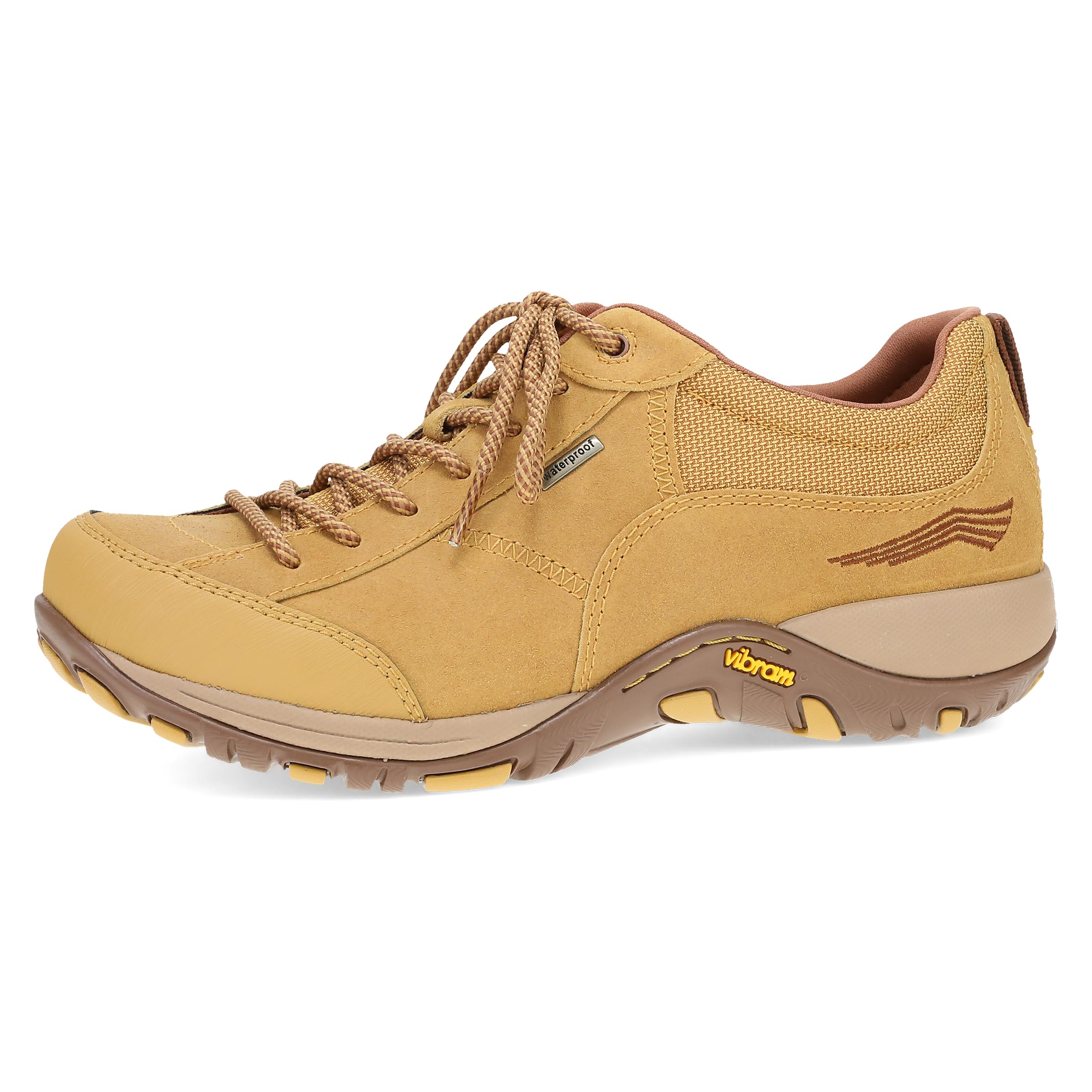


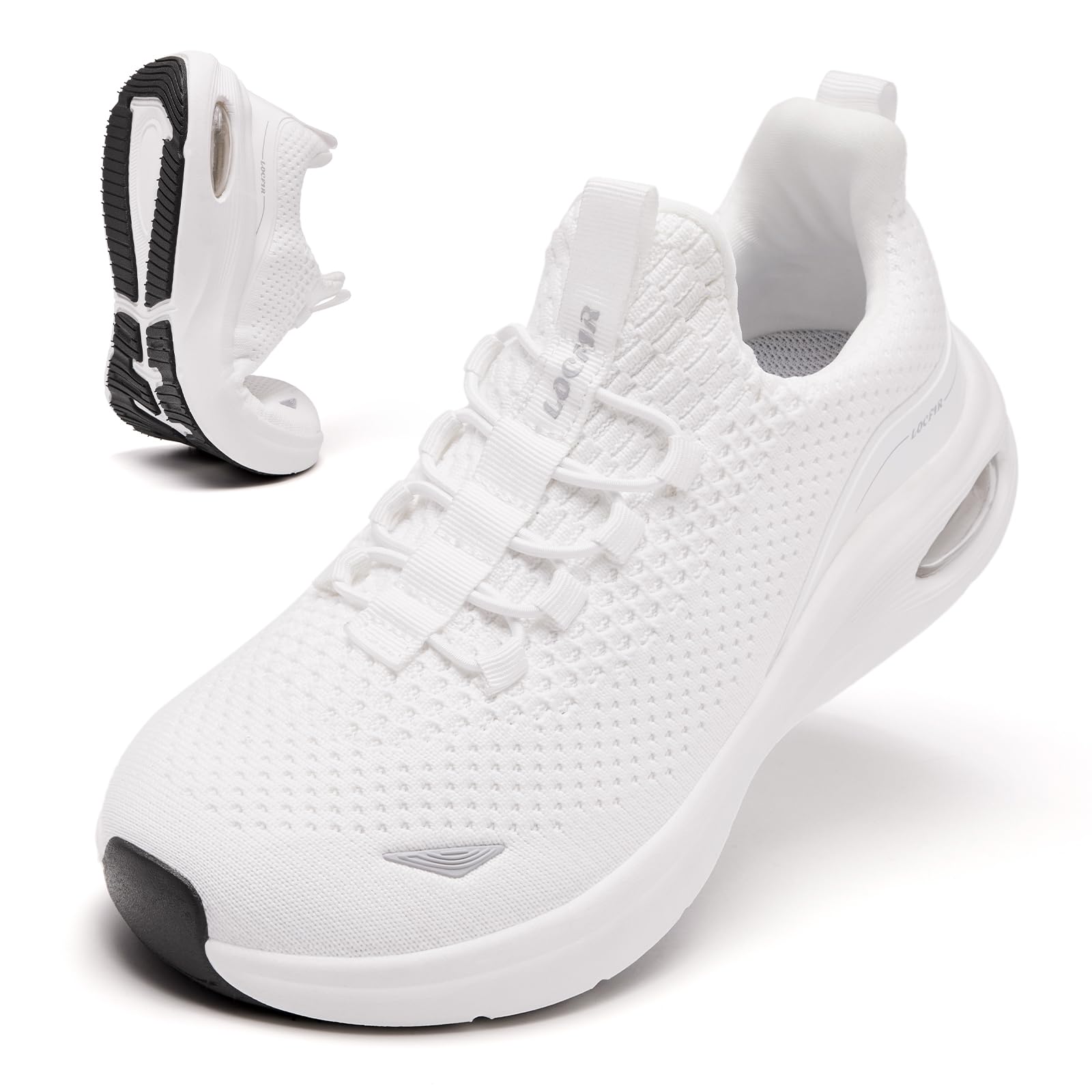
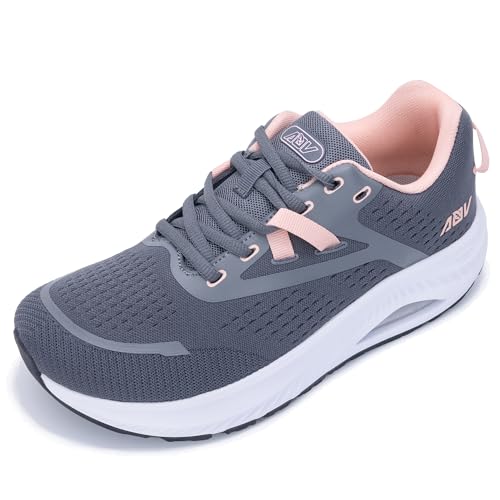


Know Your Arch Type
A simple wet footprint test gives a useful clue. A full wide print suggests a low arch, a narrow band suggests a high arch, and a moderate curve suggests a medium arch. Shops with foot scanners can confirm the result and suggest a starting point.
Low arches often need firmer support and motion guidance to stop the foot rolling inward. High arches often need cushioning and a shaped insole to spread pressure, since less of the foot contacts the ground. Medium arches usually do well with balanced support and moderate cushioning.
What Good Support Feels Like
Good support feels present but not painful. You should feel gentle contact under the arch without a hard lump pressing into the foot. The heel should sit centred, and the shoe should not tilt inward when you stand.
Walk for several minutes before judging, since first impressions can mislead. Support that feels strong in the shop may settle as the insole warms, while support that feels absent will not improve. If you feel sharp pressure, the arch shape is wrong for your foot.
Cushioning, Heel, and Toe Room
Cushioning should match your day. Standing jobs need thicker, resilient foam, while walking shoes need a balance of softness and rebound. A heel drop that is too high can shift pressure forward, so try a moderate drop if forefoot pain troubles you.
Toe room matters as much as arch support. Toes should spread naturally without pressing the front, and the widest part of your foot should match the widest part of the shoe. A narrow toe box can undo good arch support by squeezing the forefoot.
When to Add Insoles
Removable insoles let you swap in a shaped insole that matches your arch better. This option suits shoes you love but that lack built in support. Check that the shoe has enough depth, since a thick insole in a shallow shoe will crowd the foot.
Custom insoles suit persistent pain or unusual foot shapes, but they cost more and need a fitting. Start with a well shaped ready made insole and see how your feet respond over a few weeks. If pain persists, talk with your clinician rather than adding firmer support blindly.
Warning Signs and Daily Care
Seek prompt advice if you notice sharp or persistent foot pain, swelling, numbness, colour change, or weakness. These signs can point to problems that shoes alone cannot fix, and early advice usually leads to simpler treatment. Shoes can support comfort, but they do not diagnose or treat medical conditions.
Rotate pairs to let foam recover, and replace shoes when support feels flat or the heel tilts. Clean insoles regularly and let shoes dry fully between wears. The product table above recaps the support styles in this guide.
Related Buying Guides
For a related angle, see our guide to best slippers with arch support for women. For a related angle, see our guide to best sandals for women with arch support. For a related angle, see our guide to best support shoes for women. For a related angle, see our guide to best sandals with good arch support. For a related angle, see our guide to best running shoes for arch support.
Shoes for Work Versus Shoes for Walking
Work shoes need support that lasts a full shift, often on hard floors, so cushioning durability matters as much as arch shape. Walking shoes need flexibility and breathability for changing pace and distance. A shoe that excels at one role may disappoint at the other, so consider keeping separate pairs.
For standing jobs, look for a stable heel, a firm midsole, and a roomy toe box that tolerates swelling late in the day. For walking, favour lighter weight and a smoother heel to toe transition. Trying shoes at the end of a workday gives the most honest fit test.
Arch Support Across the Seasons
Summer sandals with arch support need contoured footbeds, since flat flip flops offer almost no support. Look for sandals with a shaped insole, a heel cup, and adjustable straps that hold the foot steady. Avoid backless styles for long walks, since toes grip to hold them on and tire quickly.
Winter boots with arch support need removable insoles so you can fit a shaped insole inside. Check that the boot still closes comfortably with the insole in place, since a tight boot squeezes the forefoot. Waterproof boots that fit well protect both comfort and foot health in wet months.
Before You Buy Checklist for Arch Support Shoes
Arch support is personal, so test shoes on your feet rather than trusting labels alone. This checklist guides a fitting that actually helps.
- Arch type known from a footprint test or a shop fitting
- Support feels present under the arch without sharp pressure
- Heel sits centred and the shoe does not tilt inward when standing
- Toe box allows toes to spread without pressing the front
- Cushioning matches your day, whether standing shifts or long walks
- Insole removable if you plan to swap in a shaped insole
- Fit tested at the end of the day, when feet are slightly larger
- Warning signs noted, with clinician advice sought for persistent pain or numbness
Bring your usual socks and any insoles to the fitting, and walk briskly before deciding.
How Arch Support Changes With Activity
Arch support needs shift with activity, since walking, standing, and running load the foot differently. Walking needs moderate support with smooth transitions, while standing needs firmer support that resists flattening over hours. Running adds impact, so cushioning joins support as a priority.
For standing jobs, a shoe with a stable heel counter and a firm midsole holds alignment through a shift. For walking, a slightly more flexible shoe encourages natural movement while still supporting the arch. For exercise, match the shoe to the sport, since court sports need lateral stability that walking shoes lack.
Weight changes also affect support needs, since heavier loads compress foam faster and demand firmer materials. Pregnancy, for example, changes weight distribution and ligament flexibility, so support needs may shift temporarily. Shoes that worked before may need replacing or supplementing during such changes.
Finally, remember that support needs evolve with age and foot changes, so reassess periodically rather than buying the same model forever. A fitting every year or two, or after any foot injury, keeps your footwear matched to your feet. Talk with your clinician if pain patterns change suddenly.
Frequently Asked Questions
How do I know if I need arch support shoes?
You may benefit if your feet ache after standing, your shoes wear heavily on the inner edge, or your arches feel tired by evening. A wet footprint test and a shop fitting can confirm your arch type. Persistent pain deserves clinician advice rather than a shoe change alone.
Are soft or firm arch supports better?
Firm support suits low arches and overpronation, since it guides the foot more strongly. Softer shaped support suits high arches, which need pressure spread rather than strong guidance. The right firmness feels supportive without pressing painfully into the arch.
Can arch support shoes help with heel pain?
They can ease heel pain linked to poor support and overpronation by spreading load and steadying the heel. Heel pain that is sharp in the morning or persists for weeks should be checked by a clinician. Shoes help comfort, but they do not replace assessment and treatment.
Should I remove the factory insole for a custom one?
Yes, if the shoe has a removable insole and enough depth for the replacement. Removing the factory insole avoids crowding and keeps the fit true. If the insole is glued in, choose a shoe made for insoles instead of forcing a thick insert inside.
How long do support shoes keep their support?
Most support shoes hold their shape for about 300 to 500 miles of walking, or roughly a year of daily wear. Foam compresses gradually, so support fades quietly rather than suddenly. Replace shoes when the heel tilts or the arch feels flat.
Final Thoughts
Match the support to your arch, test the whole shoe on your feet, and watch for warning signs that need professional advice. That careful approach to best arch support shoes for women leads to steadier, more comfortable days.


