
Best Active Sandals with Arch Support: Types Compared and How to Choose for 2026
Disclosure: We may earn a commission when you buy through links on this page, at no extra cost to you. As an Amazon Associate I earn from qualifying purchases. Learn more

Four sandal types compared by arch shape, grip and price, so the best active sandals with arch support match your feet and your walks.
Active sandals look similar in photos, yet they feel very different once you walk hills, cross streams, or stand on pavement for hours. The confusion usually comes from mixing four different designs that all claim support. This guide to the best active sandals with arch support compares each type side by side, so you can match the design to your feet and your plans. Start with the product table, then read the type notes before you spend money.
One practical point before the details. Support that feels great for a flat foot can feel pushy and tiring under a high arch, so your arch height matters more than any single feature list.
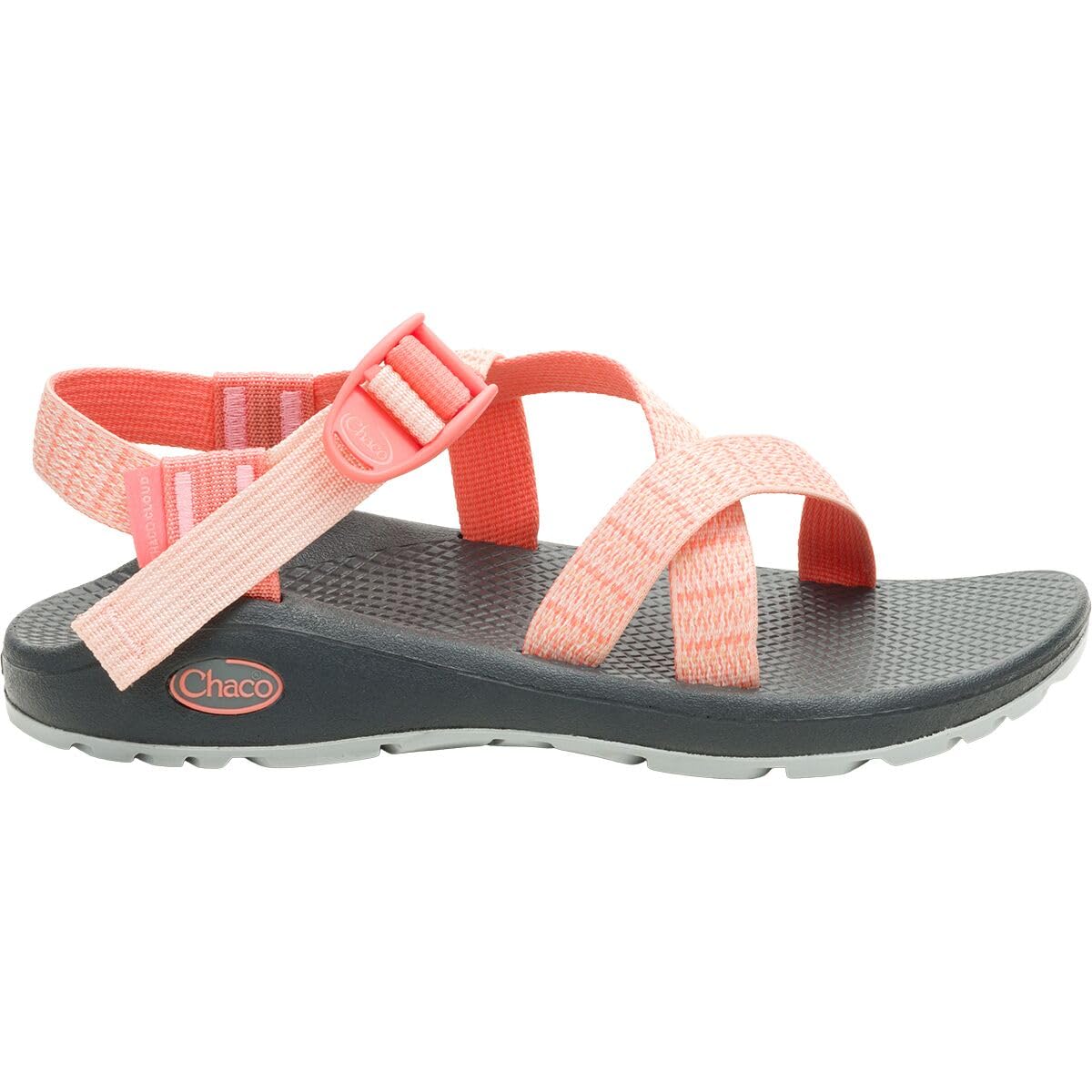
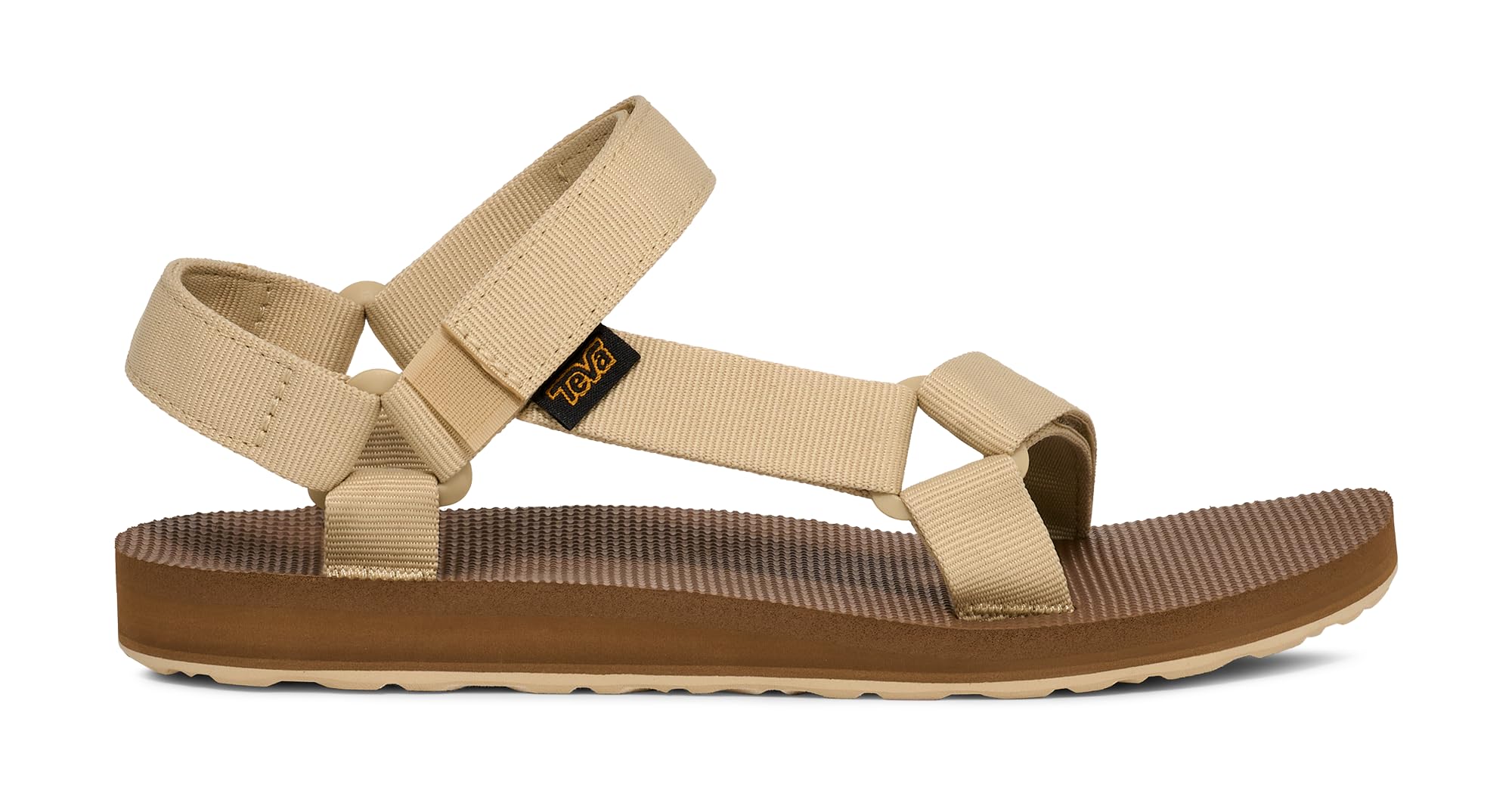

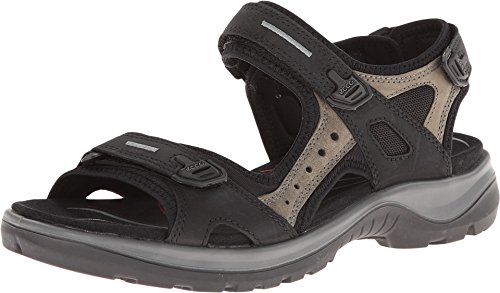


Types of Active Sandals Compared
Think of the four types below as a spectrum. At one end sit light, flexible sandals built for easy miles and travel. At the other end sit firm, structured designs that control motion and hold the midfoot steady. Cushioning, outsole grip, and strap security change as you move along that spectrum. Prices follow the same pattern, from around $40 for simple light models to about $100 to $160 for structured designs with durable rubber and molded footbeds.
Lightweight Sandals
Lightweight sandals use thin, flexible soles and simple straps, and many weigh less than a pair of trail shoes. They pack flat, dry fast after water crossings, and feel breathable on hot days. The trade off is modest structure, because a thin sole cannot hold a strong arch contour or stop the foot from rolling. Choose this type for travel days, camp wear, beach walks, and short easy hikes. Skip it if you plan long rocky routes or carry a heavy pack, because your feet will do all the stabilizing work themselves.
Sandals and Recovery Footwear
Recovery sandals use thick, soft foam and a gentle rocker shape to reduce pressure after runs and long shifts. The arch contour is usually mild and broad rather than tall and firm, and the wide toe box lets swollen feet spread out. They feel wonderful for an hour around the house or after a race. They are a poor choice for trails, since soft foam wears quickly on rough ground and loose straps let the foot slide on slopes. Treat them as a second pair for rest time, not as your main walking sandal.
Stability and Support Sandals
Stability sandals pair a firm molded footbed with a raised arch, a deep heel cup, and straps that lock the midfoot down. A stiffer shank limits twisting, and the outsole often uses harder rubber lugs for grip on dirt and wet rock. This is the type most people with flat feet or tired arches actually need for hiking and all day sightseeing. The cost is weight and a firmer first feel, and some walkers need a week of short walks before the contour feels natural. Expect to pay about $90 to $160 for this level of structure.
Neutral Cushioned Sandals
Neutral sandals sit in the middle, with moderate cushioning, a medium arch contour, and no strong motion control. They suit walkers whose feet roll neither far inward nor outward, and they handle mixed days of pavement, park paths, and light trails well. A medium heel to toe drop keeps calves comfortable for most people. If you want one versatile pair and your arches feel average rather than flat or very high, start here. For a broader look at everyday options, see our guide to the best sandals with good arch support and compare the midfoot shapes.
Lightweight Sandals vs Recovery Footwear: Which Should You Choose?
Compare these two soft types on five points. For weight, lightweight sandals win and pack smaller. For after exercise comfort, recovery foam wins because it absorbs pressure under sore heels. For grip, light trail styles with real lugs beat smooth recovery soles. For durability, thin light sandals outlast soft foam on pavement, though both wear faster than structured models. For support, neither type controls motion well, so long walks favor a different category. Pick light sandals for trips and water days, recovery pairs for rest, and move up a category when distance grows.
How to Choose Active Sandals with Arch Support
Why Choose an Active Sandal With Arch Support
The best active sandals with arch support use a shaped footbed that spreads pressure across the whole foot instead of loading only the heel and forefoot. That can ease tired arches on long walks and help sandals feel stable enough for trails, where flat flip flops would fail. Support is not a cure for foot pain, and a tall contour can irritate a high arch or a sensitive midfoot. If you have ongoing heel pain, numbness, or pain that changes how you walk, talk with a doctor or podiatrist before relying on any sandal for relief.
Durability and Expected Lifespan
Foam midsoles compress with use, and most active sandals feel best for about 300 to 500 miles of walking before the cushioning and arch shape fade. Rubber outsoles last longer on dirt than on concrete, and strap anchors are the usual failure point on cheaper pairs. Check the junction where straps meet the footbed, and look for stitching or solid molding rather than thin glue lines. Rotating two pairs, as runners do with shoes, lets foam recover between days and extends the useful life of both pairs noticeably.
Fit, Sizing, and Toe Box
Measure your feet in the afternoon, when they are slightly swollen, and match the longer foot to the size chart. Your toes should clear the front edge by about a thumb width, and the arch contour should sit under your arch, not under your heel or forefoot. A wide toe box matters on descents, where feet slide forward. Many active sandals come only in whole sizes, so if you fall between sizes, the larger one usually works better for hiking. Men comparing structured options can also read our guide to the best men's sandals with arch support for fit notes by foot shape.
Upper Materials and Breathability
Webbing straps made from polyester dry quickly and resist stretching when wet, which makes them the default for water use. Leather looks better in town and molds to the foot, but it dries slowly and needs care after rain. Knit and mesh uppers feel breathable and soft against bare skin, yet they hold grit and offer less security on uneven ground. Whatever the material, check that straps adjust at the heel as well as the forefoot. Heel adjustment is the detail that stops sliding and blisters on longer walks.
Tips to Get the Most From Your Active Sandal
Break new sandals in with short walks before any big day, and tighten straps snugly at the midfoot rather than cranking the toe strap. Air dry wet pairs away from direct heat, since heat warps foam and weakens glue. Rinse grit out of the footbed after beach or trail use, because trapped sand grinds straps and skin. If most of your miles are steady pavement walking, our guide to the best walking sandals with arch support covers the smoother soles that suit that use. Replace pairs once the arch contour feels flat or the tread smooths out.
FAQs
Are expensive active sandals worth it?
They can be, if the extra money buys a molded footbed, durable rubber, and straps anchored through the sole rather than glued on. Those details extend lifespan and hold support longer. Price alone guarantees nothing, though, and some costly fashion leaning pairs offer little structure. Judge the footbed shape and strap anchors first, then decide whether the price matches the build.
Do I need waterproof active sandals?
Most active sandals are water friendly rather than waterproof, and that is usually better. Open designs drain and dry fast, while sealed waterproof footwear traps water inside after a deep crossing. Choose quick drying webbing and a grippy rubber outsole for streams and rain. Save fully waterproof shoes for cold conditions, where wet feet lose heat quickly and drainage matters less than insulation.
How should active sandals fit?
Active sandals should hold the heel in its cup, keep the arch contour centered under your arch, and leave a small gap ahead of your toes. Straps should feel snug without hot spots after ten minutes of walking. One extra check is to stand on one foot and shift your weight. If the foot spills over the footbed edge, try a wider size or a more structured type.
How often should I replace my active sandals?
Replace them when the cushioning feels packed down, the arch support feels flat, or the outsole tread has worn smooth in the heel and forefoot. For regular walkers that point often arrives after one or two heavy seasons. Worn pairs still work for gardening and short errands, so demote them rather than discarding them right away. If one side wears far faster than the other, mention that wear pattern at your next doctor visit.
How long is the break in period for active sandals?
Most people need about a week of short walks, growing from thirty minutes to a full afternoon, before a molded footbed feels natural. Mild arch awareness is normal at first, but sharp pain is not, and it means the contour does not match your foot. Soft recovery styles need almost no break in time. Structured stability pairs need the most patience, which is why buying them the day before a hiking trip is a common and avoidable mistake.
Our Verdict
Start with your arch height, then match the type to your longest typical walk, and only then compare straps and prices. Flat feet doing real miles usually land on stability designs, while average arches do well with neutral cushioning. If you need a taller contour than standard, our guide to the best sandals with high arch support explains what changes, and women comparing narrower fits can see the best sandals for women with arch support guide next. For most buyers, the best active sandals with arch support are simply the pair whose footbed matches their feet, so check your shortlist against the product table before you order.


