
Best Aquarium Pumps: A Buying Guide for 2026
Disclosure: We may earn a commission when you buy through links on this page, at no extra cost to you. As an Amazon Associate I earn from qualifying purchases. Learn more

Compare aquarium pumps for water flow, air supply, filtration, and sump use, with noise, energy, and maintenance guidance for healthy tanks.
Choosing the best aquarium pumps starts with the job the pump must do, because water circulation, air supply, filtration, and sump return are different tasks that need different designs. A pump that moves water well may not aerate well, and a quiet air pump may not lift water to a sump. The comparison table below can help you compare pump types, flow rates, and tank sizes.
Tank size, fish type, plants, and filter design all shape the choice, since a strong flow can stress small fish while a weak flow can leave dead spots, waste, and poor oxygen levels. Start with your tank volume and the needs of the animals inside, then check noise, energy use, and maintenance before you buy.




Who Should Buy
These pumps suit fish keepers setting up a new tank, replacing a noisy or failing pump, or improving flow, filtration, or oxygen in an existing setup. They suit community tanks, planted tanks, and reef tanks alike, provided the pump type matches the filter and sump design already in use.
They are less suitable as a one size solution for ponds, large commercial systems, or tanks with very delicate fry, because those settings need specialist flow control or gentler circulation. Check manufacturer guidance for tank volume and head height, since a pump rated for a small tank may fail in a tall or complex setup.
Key Features to Compare
Judge pumps by real tank performance, not by headline flow numbers alone.
- Flow rate matched to tank volume and filter type, with adjustable control where fish need gentler flow.
- Head height rating for sump and tall tanks, so water actually reaches the display tank.
- Quiet operation, especially for tanks in bedrooms, living rooms, or offices.
- Energy efficiency for pumps that run all day and all night without large power bills.
- Easy cleaning access, since clogged impellers reduce flow and shorten pump life.
Also check hose sizes, fittings, and spare parts, because a pump with odd fittings can force extra adapters and leaks. Look for suction cups, mounting options, and vibration pads that reduce buzzing on glass or cabinets. A pump that is easy to remove, clean, and restart after a power cut saves far more time than a slightly cheaper sealed unit.
Types Compared
Water circulation pumps move water inside the tank, preventing dead spots and carrying waste toward filters while giving fish gentle current to swim against. They suit planted and community tanks, yet strong models can stress small or long finned fish, so adjustable flow or careful placement matters. Place them to create smooth circulation rather than a single powerful jet, and see our guide to the best aquarium circulation pumps for more.
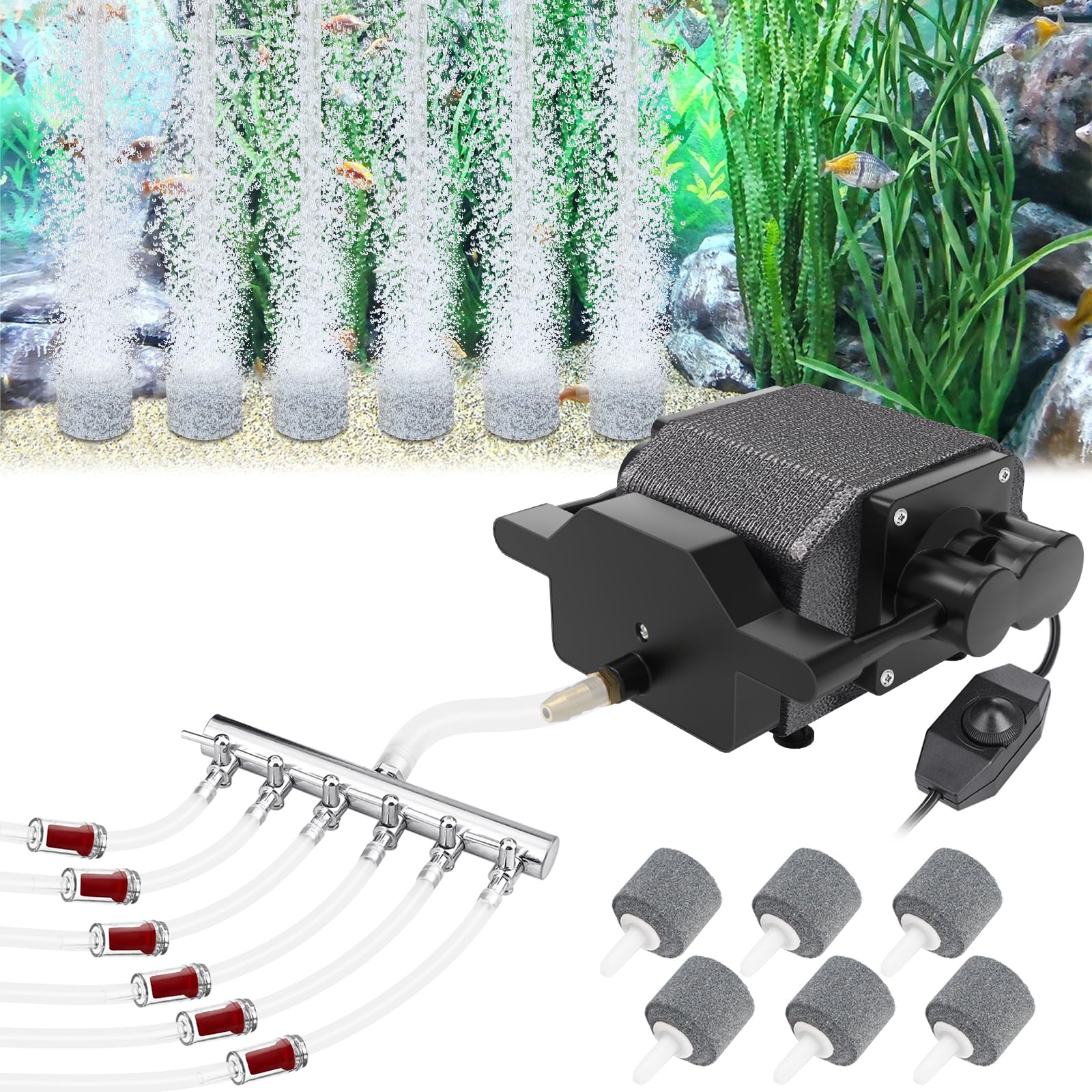
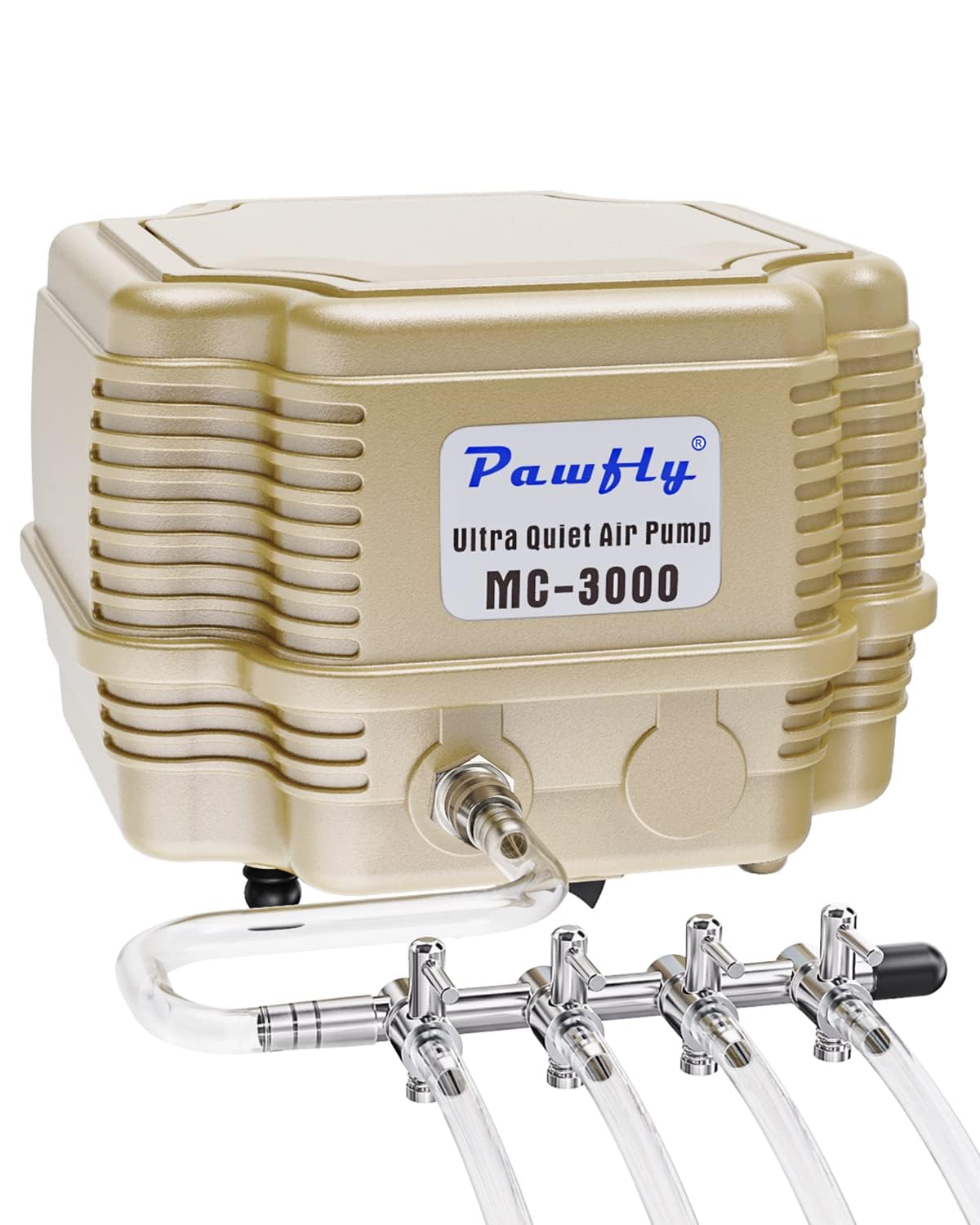
Air pumps drive air stones and sponge filters, adding oxygen and gentle filtration that suits fry tanks, quarantine tanks, and breeding setups. They are usually affordable and simple, but cheaper models can buzz, and air stones need regular replacement to keep bubbles fine and even. A check valve prevents water flowing back into the pump during a power cut, and our guide to the best aquarium air pumps covers sizing in detail.
Sump return pumps lift water from a sump back to the display tank, and they need correct head height, flow, and reliability for the whole system to work. They suit larger and reef tanks with sumps, yet a mismatched pump can overflow a sump or starve a display tank. Match return flow to overflow capacity and always test with power cuts in mind.
Living With Your Choice
Install pumps with drip loops on power cables, so water cannot run down a cable into a socket, and keep electrical parts dry and above possible splash height. Prime water pumps fully before switching on, since running dry can damage impellers quickly, and check for leaks around hoses and fittings during the first day. Keep spare impellers or seals for critical pumps where possible.
Clean impellers, intakes, and pre filters regularly, because algae, debris, and snail shells reduce flow long before a pump stops completely. Rinse parts in tank water rather than tap water where biological filtration matters, and inspect hoses for kinks, cracks, or algae buildup. A short cleaning routine every few weeks keeps flow steady and noise low.
Watch fish behaviour after any pump change, since hiding, gasping at the surface, or struggling against current can signal flow or oxygen problems. Adjust flow, redirect outlets, or add plants and decor as flow breaks, and test water quality during changes, because improved circulation can stir waste and temporarily affect readings. Stable, gentle improvement beats sudden strong flow.
Mistakes to Avoid
A common mistake is buying the highest flow pump available, which can stress fish, uproot plants, and create noise without improving water quality. Another mistake is ignoring head height for sump pumps, so a pump that looks powerful on paper cannot lift water high enough in practice. Match flow and head height to your actual tank layout.
Another error is skipping check valves, drip loops, and backup plans, then facing flooding or fish loss during a power cut. A further error is neglecting cleaning until flow drops sharply, which strains the motor and shortens pump life. Regular maintenance and simple safety fittings prevent most pump disasters.
A Final Check Before You Order
Before you order, confirm tank volume, pump type, flow needs, head height, hose size, and noise tolerance for the room. Check spare parts availability, energy use, and whether the pump suits your filter, sump, or air stone setup, rather than buying on flow rate alone.
The product table above can help you compare pump types and flow ratings side by side, but your tank layout matters most. Choose a pump that runs quietly, cleans easily, and keeps water moving gently and reliably day and night.
Comparing Options in More Detail
Seasonal changes affect aquarium pumps, because warmer rooms in summer reduce oxygen in water while increasing fish metabolism, so flow and aeration that felt adequate in winter may fall short in July. Watch fish behaviour during heatwaves, keep lids and lights from adding extra heat, and consider a backup air pump for warm spells or power cuts. Planning for summer conditions prevents emergency changes when fish are already stressed.
Quarantine and hospital tanks have different pump needs from display tanks, since sick or new fish benefit from gentle flow, easy cleaning, and simple filtration that does not trap medication or waste. A spare air pump and sponge filter kept ready can turn a stressful emergency into a calm setup, and it avoids moving a display pump that is already supporting healthy fish. Preparedness is part of good fish keeping, not an optional extra.
Frequently Asked Questions
How much flow does my aquarium need?
Flow needs depend on tank size, fish type, plants, and filter design, so a community tank needs gentler circulation than a reef tank or a river style setup. As a starting point, many keepers aim for several tank volumes per hour through filtration, then adjust for fish comfort. Watch fish behaviour and water clarity, and reduce flow if fish struggle or plants uproot constantly.
Why is my aquarium pump noisy?
Noise often comes from vibration against glass or cabinets, a dirty or worn impeller, trapped air, or a pump running dry. Clean the impeller, check mounting and suction cups, add a vibration pad, and make sure water levels and priming are correct. Persistent grinding or rattling after cleaning may mean a worn part needs replacement.
Do I need both a water pump and an air pump?
Not always, because many filters and circulation pumps provide enough oxygen through surface movement, while air pumps suit sponge filters, fry tanks, and tanks with high stocking or warm water. If fish gasp at the surface, add surface agitation or aeration and test water quality promptly. Use air pumps where gentle filtration or extra oxygen is the main goal.
How often should I clean an aquarium pump?
Clean intakes and impellers every few weeks in most tanks, and more often in planted or heavily stocked tanks where debris builds quickly. Rinse in tank water where possible, inspect seals and hoses, and restart carefully to remove trapped air. Regular light cleaning prevents sudden flow loss and extends pump life far better than rare deep cleaning.
What happens to pumps during a power cut?
Water pumps stop and sump systems can drain or overflow if levels are not planned, while air pumps stop aerating, which matters most in warm or heavily stocked tanks. Use check valves, correct sump water levels, and battery air pumps for emergencies where fish are sensitive. After power returns, check priming, flow, and water quality before assuming all is well.
Final Thoughts
In short, the right choice for best aquarium pumps is a pump matched to your tank type, flow needs, and head height, with quiet running and easy cleaning. Plan for power cuts, clean regularly, and watch fish behaviour, so water stays clear, oxygenated, and comfortable for the animals you keep.


