
Best Aquarium Circulation Pumps Made Simple: A Clear Buying Guide for 2026
Disclosure: We may earn a commission when you buy through links on this page, at no extra cost to you. As an Amazon Associate I earn from qualifying purchases. Learn more

A first time buyer guide to the best aquarium circulation pumps, covering flow rates, tank size, placement, care costs, and the mistakes to avoid.
If your tank water looks still, food settles in corners, and algae keeps winning, weak water movement is often the cause. Choosing the best aquarium circulation pumps sounds technical, but the basics are simple once someone explains the terms in plain language.
This guide walks you from what a circulation pump actually does to the specs that matter, the mistakes new owners make, and a calm first setup. Use the comparison table below to see how the main options differ once you know what you are looking at.

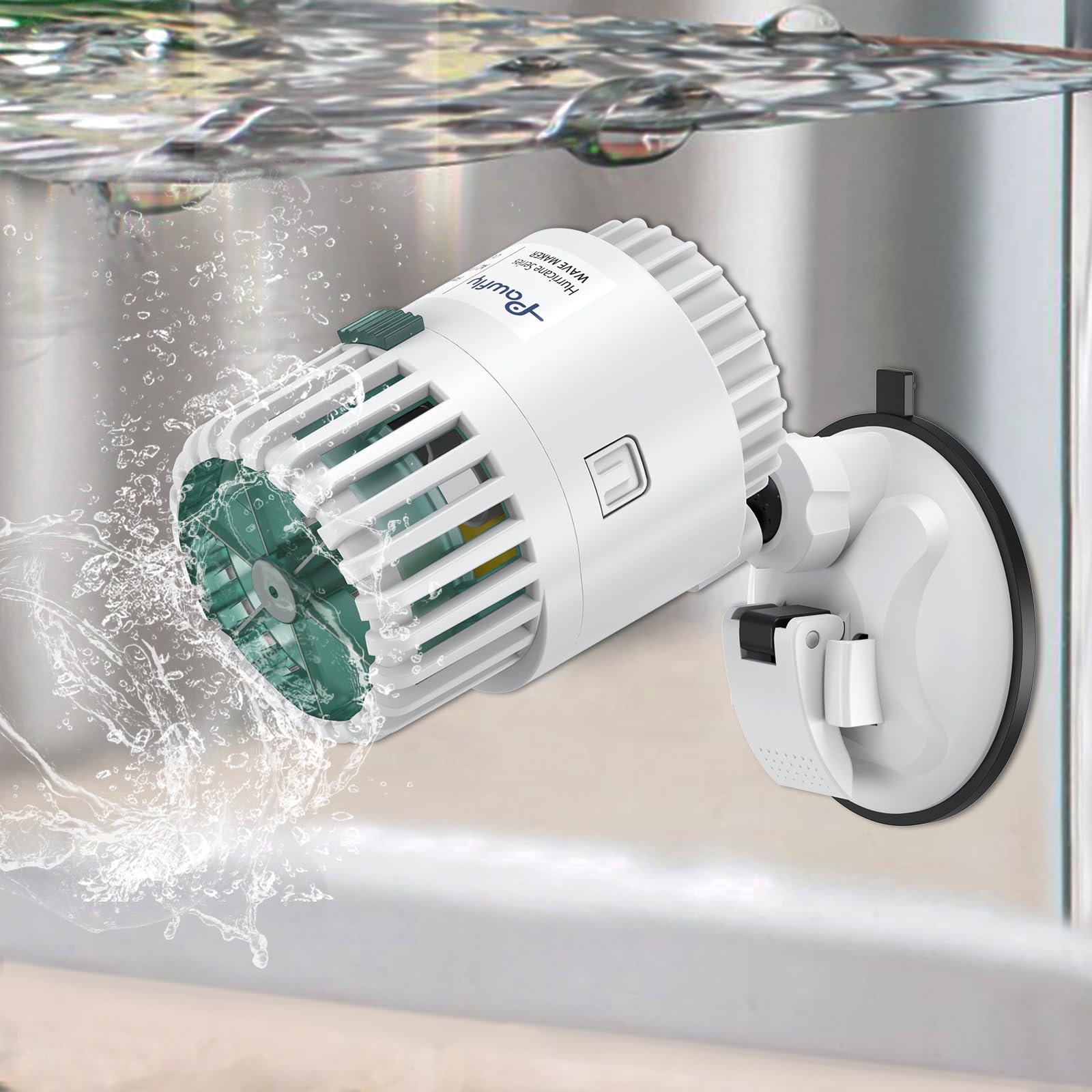


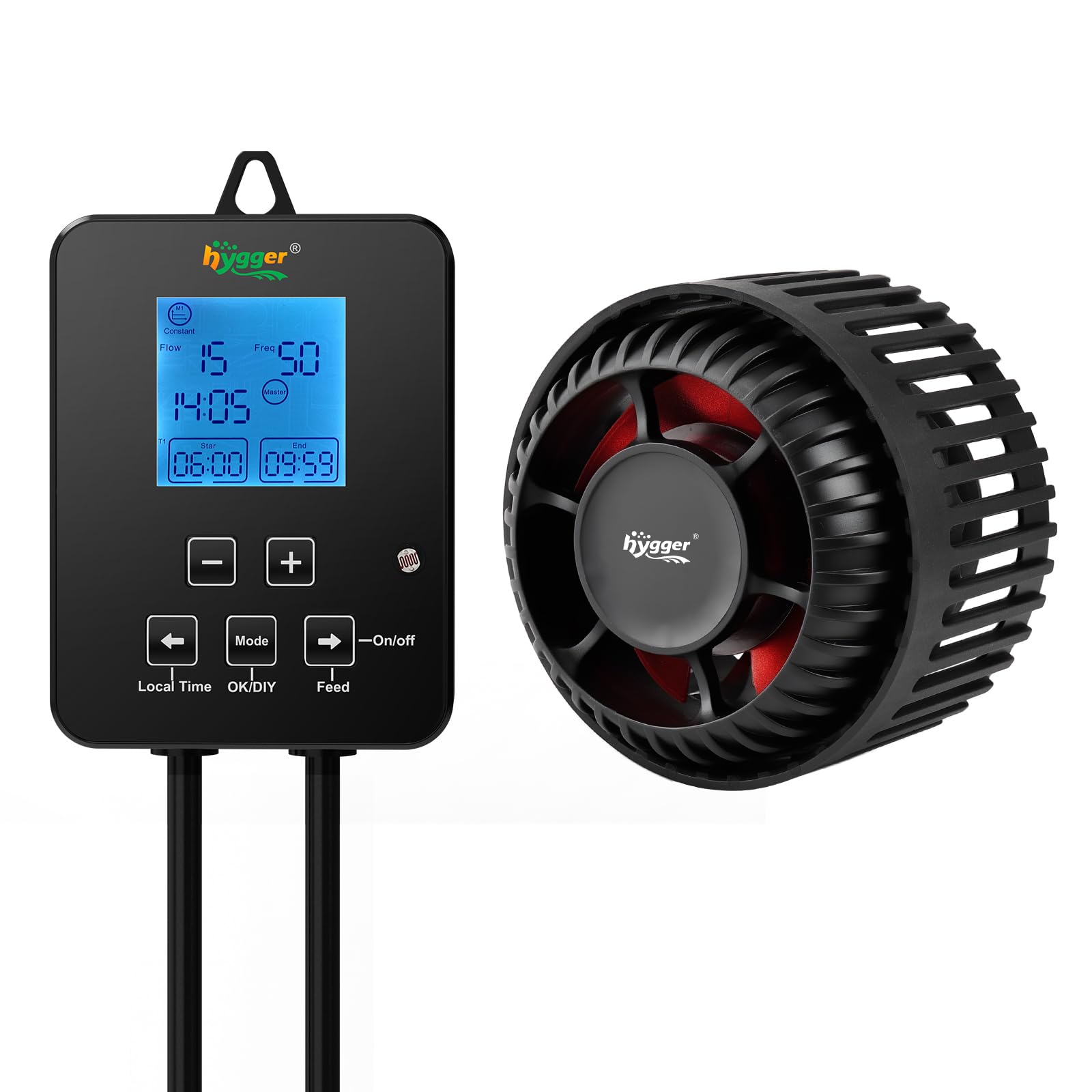
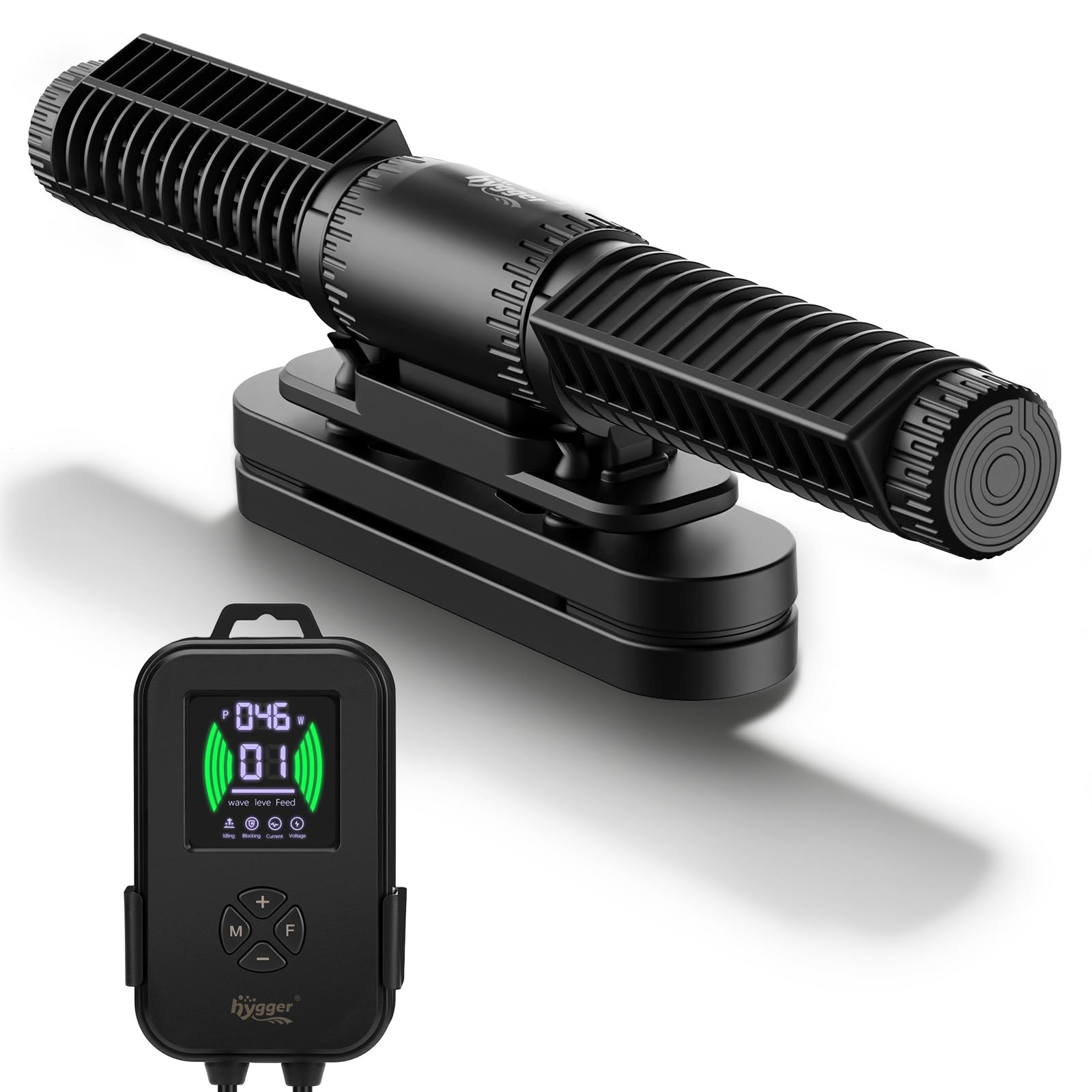
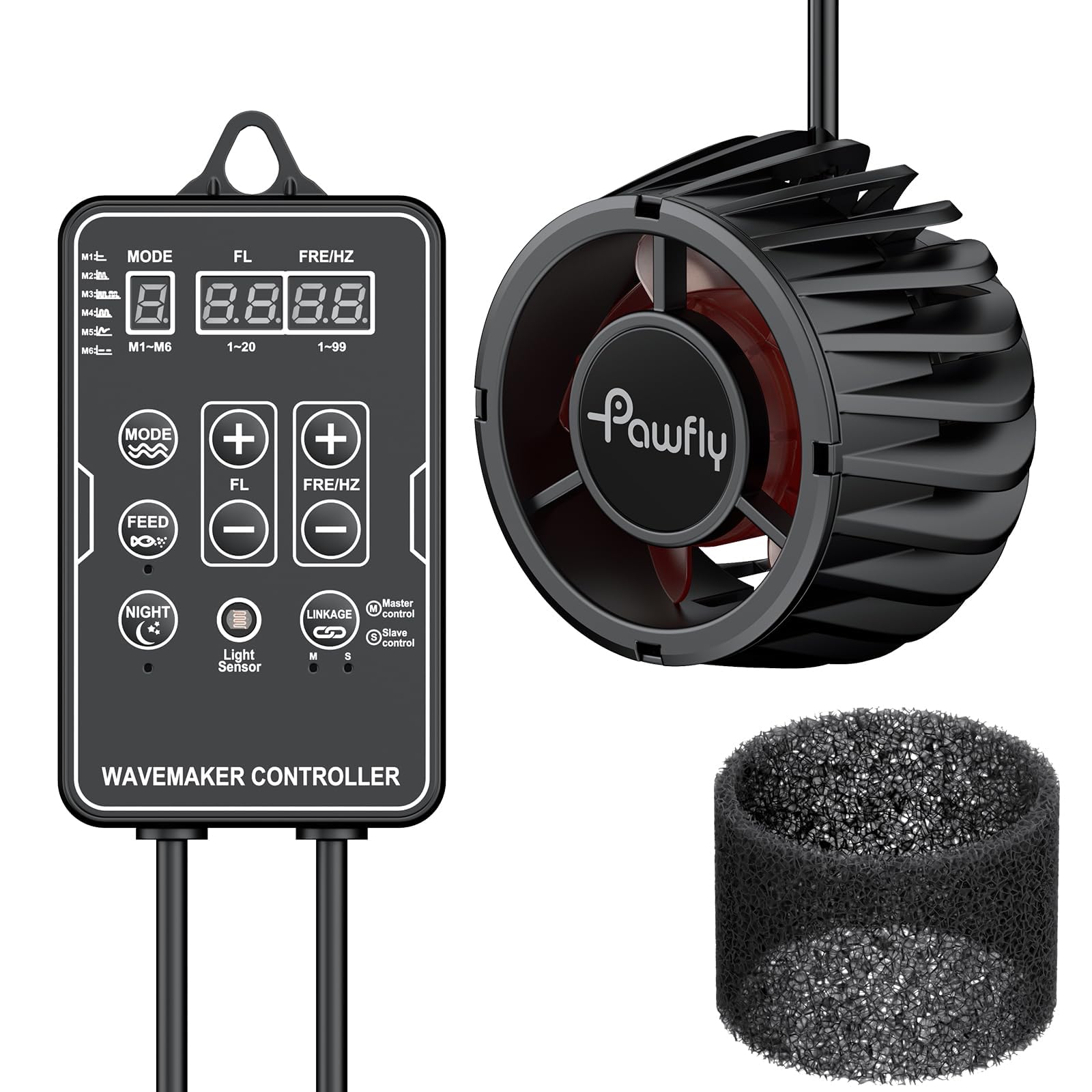
Aquarium Circulation Pumps 101: The Basics
A circulation pump, often called a wavemaker or powerhead, moves water inside the tank itself. It does not filter water and it does not pump water up to a sump. Its job is flow: currents that carry waste toward the filter intake, spread heat evenly, bring oxygen rich surface water down, and keep debris from settling into dead spots where it rots.
Inside, a small motor spins an impeller or propeller that pushes a broad stream of water. Most models attach with suction cups or a magnetic mount, and many let you aim the outlet or adjust the speed. Saltwater reef tanks usually need strong, varied flow for corals, while most freshwater tanks need gentler movement that does not exhaust the fish.
Flow is measured in gallons per hour, written as GPH. A common starting point is total movement of about 4 to 10 times your tank volume per hour in freshwater, and much more in a reef tank, split across the filter output and your circulation pumps.
Key Specs Explained in Plain English
Intended Use and Who It Is For
Start with your tank type, because the right flow for a planted freshwater tank would stress in a reef setup and the other way around. Planted tanks want gentle, even movement that does not blast plants or push all the carbon dioxide out of the water. Reef tanks want strong, random pulses that mimic waves and keep coral surfaces clean.
Fish only tanks sit in the middle. Long finned fish such as bettas and fancy guppies tire quickly in strong current, while hillstream loaches and danios love fast water. Match the pump to the animals you actually keep, not to the biggest number on the box.
Warranty and Customer Support
A circulation pump runs all day, every day, underwater, so warranty terms tell you a lot about expected durability. Look for at least one year of coverage, and read what it excludes, since damage from running the pump dry or from sand in the impeller is often not covered.
Good support also means spare parts you can actually buy. Impellers, shafts, and mounting magnets wear or break over time, and a brand that sells those parts separately can save you from replacing the whole pump. Before you buy, check that a support email or phone line exists and that replacement parts are listed for your model type.
Build Quality and Materials
The housing should feel solid, with no thin flexing plastic around the intake guard. A fine guard matters more than it looks: it keeps small fish, shrimp, and snails away from the spinning impeller, and it stops plant leaves from clogging the intake every few days.
Ceramic shafts generally outlast plain steel ones in saltwater, where corrosion never sleeps. Magnetic mounts beat suction cups for long term hold, because suction cups harden and let go after months underwater. If you keep saltwater, rinse able parts and sealed motor housings are worth paying a little more for.
Maintenance and Long Term Costs
Plan on a quick cleaning every month or two. Algae, biofilm, and calcium deposits slowly choke the intake and cut flow, so a pump that looks strong in month one can be weak by month six if you never touch it. Models that come apart without tools make this chore far more likely to happen.
Long term costs stay modest: electricity for a small pump is usually a few dollars per year, and the real expenses are a replacement impeller now and then and vinegar or citric acid for soaking parts. Budget priced pumps with no spare parts can cost more over three years than a mid range pump you can repair.
Size, Weight, and Fit for Your Space
Check the pump dimensions against your tank before you order. A bulky pump in a small nano tank eats swimming space, blocks light, and looks like a submarine parked in a garden. Compact options exist for tanks under 20 gallons, and they still move plenty of water for that volume.
Also think about cord length and mount thickness. Your glass or acrylic thickness must fall within the range the magnetic mount supports, or the pump will slide down the wall. Measure your glass with a ruler if you are unsure, and leave room in your aquascape for the flow path instead of hiding the pump where you can never reach it for cleaning.
Rookie Mistakes to Avoid
- Buying by tank size alone. Two tanks of the same gallons can need very different flow depending on rock work, plants, and stocking, so treat size charts as a starting point only.
- Choosing one huge pump instead of two smaller ones. Two modest pumps aimed from different corners remove dead spots far better than one strong blast in a single line.
- Pointing the flow straight at fish or corals. Direct constant blast stresses animals; bounce flow off glass or rock so the current spreads and softens.
- Ignoring noise ratings and reviews about hum. A pump that vibrates against the glass will annoy you every evening, so favor models known for quiet mounts.
- Forgetting a guard for small livestock. Shrimp and tiny fish can be pulled against an unguarded intake, so check the guard spacing before the pump goes in.
Getting Started: Setup and First Use
Read the manual before first use, even if the pump looks self explanatory. Rinse the pump in clean water to remove factory dust, assemble the mount, and test it in a bucket of water first. A bucket test shows you the flow pattern and noise level while returning it is still easy.
Place the pump a few inches below the surface, aimed slightly upward so it ripples the surface a little, which helps gas exchange. If you run two pumps, put them at opposite ends and experiment over a few days. Watch where food and debris drift; those paths show you the real current better than any diagram. Clean and inspect regularly, and check that the mount still holds firmly each time you do a water change.
Placement also depends on your other equipment. If your setup uses a sump, our guide to the best aquarium sump pumps explains the return side of that system. For the main display flow itself, and for drilled or larger systems, the guide to the best aquarium return pumps covers how return flow and circulation flow work together.
Frequently Asked Questions
How do I maintain an aquarium circulation pump?
Unplug the pump, remove it, and soak the impeller and housing in a vinegar and water mix for a few hours to dissolve deposits. Scrub gently with a soft brush, rinse well, and reassemble. One useful extra habit is keeping a cheap spare impeller on hand, because a worn impeller is the most common cause of sudden rattling.
What features matter most when buying aquarium circulation pumps?
Adjustable flow and a reliable mount matter most, followed by a fine intake guard. A wave or pulse mode is a genuine plus for reef tanks because changing currents lift debris off corals. Also check the minimum tank rating, since an oversized pump on its lowest setting can still be too strong for a small tank.
How long does an aquarium circulation pump last?
Most last about two to five years of continuous use, and cleaning habits decide where yours lands in that range. Pumps that run in hard water or saltwater without regular soaking tend to fail sooner from deposit buildup. A pump that restarts reliably after every power cut is usually a sign the impeller and shaft are still healthy.
Are expensive aquarium circulation pumps worth it?
They can be, mainly for quieter operation, finer speed control, and available spare parts. Premium options often include programmable wave patterns that budget models cannot copy. If your tank is a simple freshwater setup, though, the extra control may never get used, and a solid mid range pump delivers the same water movement for less money.
How much should I spend on an aquarium circulation pump?
Most freshwater owners do well spending about $20 to $60, while reef keepers often spend about $60 to $200 for control and durability. Spend more when the tank is large or the livestock is sensitive to flow. Remember to keep a little budget aside for a second smaller pump, which often improves coverage more than one expensive unit.
Final Thoughts
Match the flow to your livestock, favor an adjustable pump with a strong mount and a fine guard, and keep it clean so the flow you paid for actually lasts. Compare your shortlist in the product table above, and remember that the best aquarium circulation pumps for your tank are the ones your fish can live in comfortably every day. If you are still building the whole filtration picture, the broader guide to the best aquarium pumps and the guide to the best aquarium water pumps will help you sort out which pump type does which job, while the guide to the best aquarium air pumps covers the separate question of adding air.


