
Best Aquarium Vacuums: A Tank Care Guide for 2026
Disclosure: We may earn a commission when you buy through links on this page, at no extra cost to you. As an Amazon Associate I earn from qualifying purchases. Learn more

An aquarium vacuum keeps gravel clean without stressing your fish. Learn tube sizes, siphon types and how to match one to your tank setup well.
Gravel traps uneaten food and waste that clouds water and harms fish, and a good vacuum removes that debris without draining the tank or stressing its residents. The best aquarium vacuums match your tank size, substrate, and water change routine, so a tool built for a large tank can overwhelm a small one. The comparison table below compares tube size, power type, and hose length, so you can match the tool to your setup.
This guide explains the key choices in plain language, compares the main options, and helps you avoid common mistakes. The comparison table below gives a quick overview before the detailed sections that follow.
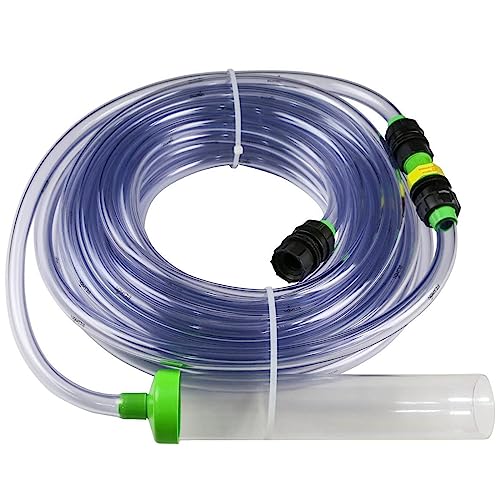
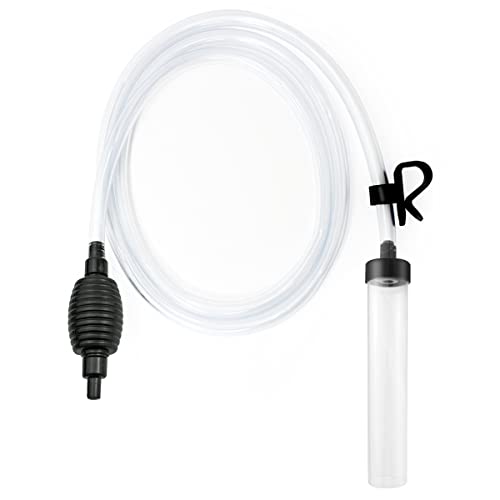

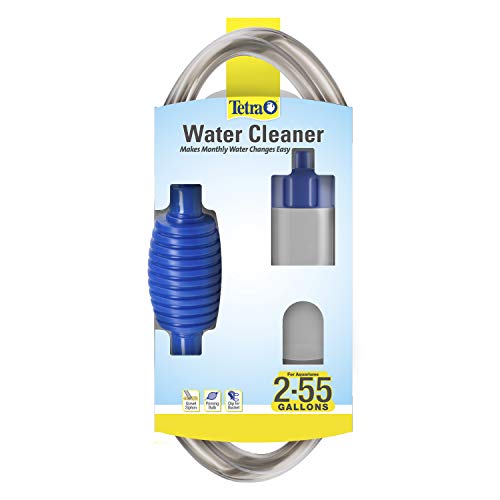
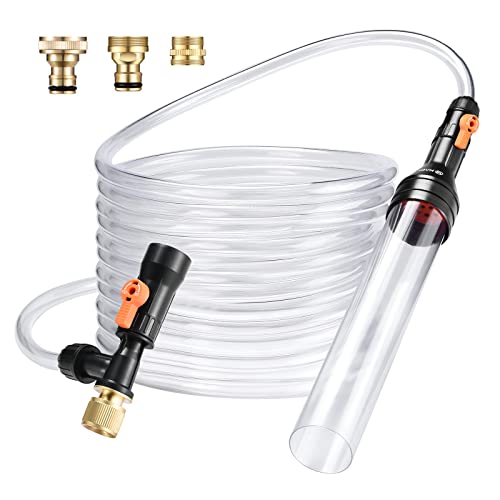


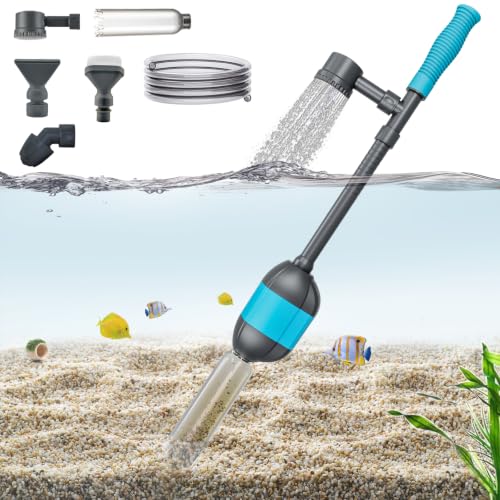

The Basics
Vacuuming is part of regular maintenance, not a rescue tool for a neglected tank. Small, frequent cleanings keep water clearer and fish calmer than rare, aggressive sessions. Choose a vacuum that lets you control suction, reach every corner, and stop quickly if a fish swims too close. Gentle technique matters as much as the tool itself.
The sections below explain each feature in plain language, with practical levels to look for and trade offs to weigh. Use them as a checklist while you compare options, and note which features matter most for your own routine.
Key Features to Compare
Tube Size and Tank Depth
Tube diameter controls how fast water and debris flow, while tube length must reach the bottom of your tank comfortably. A wide tube cleans large tanks quickly but can suck up small gravel and disturb plants. A narrow tube suits small tanks and delicate setups. Measure tank depth and check that the tube reaches the substrate without forcing your hand deep into the water.
Substrate: Gravel Versus Sand
Gravel vacuums lift debris from between stones, while sand needs a gentler approach that hovers above the surface. A strong vacuum can suck up fine sand and clog the hose, so sand keepers need adjustable suction or a hover technique. If you keep both substrates in different tanks, choose a model with adjustable flow or buy separate tools. Always test suction on a small area first.
Siphon, Pump, and Battery Power
Manual siphons use gravity and cost little, but need a bucket below tank level and a knack for starting flow. Pump models start flow with a squeeze or button, while battery models run a motor that lifts debris into a filter. Battery models suit tanks far from a drain, but need charging and filter cleaning. Choose the power type that fits your room layout and patience for setup.
Hose Length and Water Change Control
Hose length decides whether you can drain into a nearby bucket, sink, or garden. A short hose limits placement, while a very long hose is harder to manage and store. A flow control valve or clamp lets you pause suction without breaking the siphon, which helps when a fish approaches or you need to move to a new spot. Check hose diameter against your tube, since mismatched parts leak and slow flow.
Debris Filtering and Waste Handling
Some vacuums trap debris in a filter and return water to the tank, which suits quick spot cleaning between water changes. Others drain water out, which suits combined cleaning and water changes. Filter models need regular rinsing, or flow drops and debris returns to the tank. Drain models need a bucket plan and a safe place for removed water, especially if you use plant treatments.
Ease of Cleaning and Storage
A vacuum that is hard to take apart will not get cleaned, and a dirty vacuum spreads debris and odor. Look for tubes and hoses that separate easily and dry fully between uses. Store the vacuum dry and out of sunlight to protect seals and hoses. Keep spare filter pads or screens if your model uses them, since a clogged filter ruins an otherwise good cleaning session.
Who Should Buy This Type
Aquarium vacuums suit keepers of freshwater and saltwater tanks who perform regular partial water changes. They suit planted tank owners who need gentle debris removal and large tank owners who need efficient cleaning. They are less suited to very small bowls or nano tanks, where a small siphon or turkey baster style tool offers finer control. If your tank has very delicate fry or shrimp, choose the gentlest suction available.
Choosing the Best Aquarium Vacuums for Your Tank
Small tanks under 20 gallons do best with a narrow siphon tube and a short hose, because a wide tube removes too much water too quickly. Mid size community tanks suit a medium tube with a flow valve, which lets you pause without losing the siphon. Large tanks and fish rooms benefit from long hoses that run to a sink or drain, or from a hose that attaches to a tap for filling.
Planted tanks need a gentle touch. Hover over the substrate, avoid rooted plants and use short bursts so you do not uproot stems. Tanks with sand benefit from a narrow tube and slow flow, while gravel tanks tolerate a wider tube and a firmer press into the stones.
Think about how you will empty the water. If your tank sits far from a drain, a battery model that filters and returns water avoids carrying buckets, while a classic siphon is cheaper and has nothing to charge. Pick the setup you will actually use every week, because a vacuum that stays in the cupboard does nothing for your fish.
Budget wise, simple siphons cost about $8 to $25, pump started models about $15 to $40 and battery or electric cleaners about $35 to $80. Extra money buys convenience and filtering, not better cleaning of the gravel itself.
Mistakes to Avoid
- Buying a wide, powerful tube for a small or delicate tank.
- Vacuuming sand like gravel and sucking up the substrate itself.
- Skipping water testing and relying on vacuuming alone to fix cloudy water.
- Leaving the vacuum dirty and wet between uses, which breeds odor and bacteria.
- Chasing fish with the tube instead of pausing and letting them move away.
Care and Upkeep Over Time
Rinse the tube and hose with clean water after each use and let them dry before storage. Clean or replace filter pads as directed, and inspect hoses for cracks that leak or reduce suction. Test water parameters regularly, since vacuuming complements water changes and filtration but does not replace them. Keep the vacuum away from soap and detergents, which can harm fish even in tiny residues.
Frequently Asked Questions
How often should I vacuum my aquarium?
Most tanks benefit from a light vacuum during each partial water change, often weekly or every two weeks depending on stocking and feeding. Heavily stocked tanks need more frequent attention, while lightly stocked planted tanks need less. Watch debris buildup and water clarity rather than following a rigid calendar, and vacuum gently to avoid stressing fish.
Will vacuuming stress my fish?
Gentle vacuuming with pauses and slow movements usually stresses fish only briefly. Avoid chasing fish, sudden movements, and strong suction near hiding spots. Fish often move away on their own, and a flow control valve helps you pause when needed. If fish show lasting signs of stress, shorten sessions and check water quality, since poor water often causes more stress than cleaning.
Can I vacuum a sand substrate safely?
Yes, by hovering the tube just above the sand so debris lifts while sand mostly stays put. Use low suction and a narrow tube for finer control. Practice on a small area first, and stop if sand climbs far up the tube. A small amount of sand loss is normal, but repeated heavy loss means suction is too strong for your setup.
Do battery vacuums replace water changes?
No, battery vacuums that filter and return water help with spot cleaning, but they do not remove dissolved waste or replenish minerals the way a partial water change does. Use them between water changes for debris, and still perform regular partial changes with dechlorinated water. Water testing tells you whether your routine is keeping parameters stable.
How do I start a manual siphon without swallowing water?
Pump start siphons and squeeze bulbs start flow without mouth suction and are safer and easier for most keepers. If your siphon needs manual priming, follow the maker's instructions carefully and keep the hose end in a bucket below tank level. Never use mouth suction on a tank treated with medications or chemicals, and wash hands after handling tank water.
Final Thoughts
Match tube size to tank depth, suction to substrate, and power type to your room and routine. The comparison table above narrows the options, but gentle technique and regular maintenance decide water quality. A vacuum that is easy to use gets used, and a used vacuum keeps fish healthier. The best aquarium vacuums prove their worth in clear water, calm fish, and a routine you can keep.


