
Best Aquarium Air Pumps in 2026: Types Compared and How to Choose
Disclosure: We may earn a commission when you buy through links on this page, at no extra cost to you. As an Amazon Associate I earn from qualifying purchases. Learn more

Compare compact, battery and premium types side by side to choose the best aquarium air pumps for your tank size, noise limits and backup needs.
An air pump looks like the simplest part of a fish tank, yet the wrong one can buzz all night, underpower a filter, or quit during a summer outage. This guide compares the main types of best aquarium air pumps side by side, so the differences in flow, noise, and backup power are clear before you buy.
You will see how compact, standard, and premium pumps differ, which specs actually matter for your tank size, and where a battery backup earns its place. The comparison table below summarizes the types, and the sections after it walk through choosing, placing, and caring for the pump you pick.

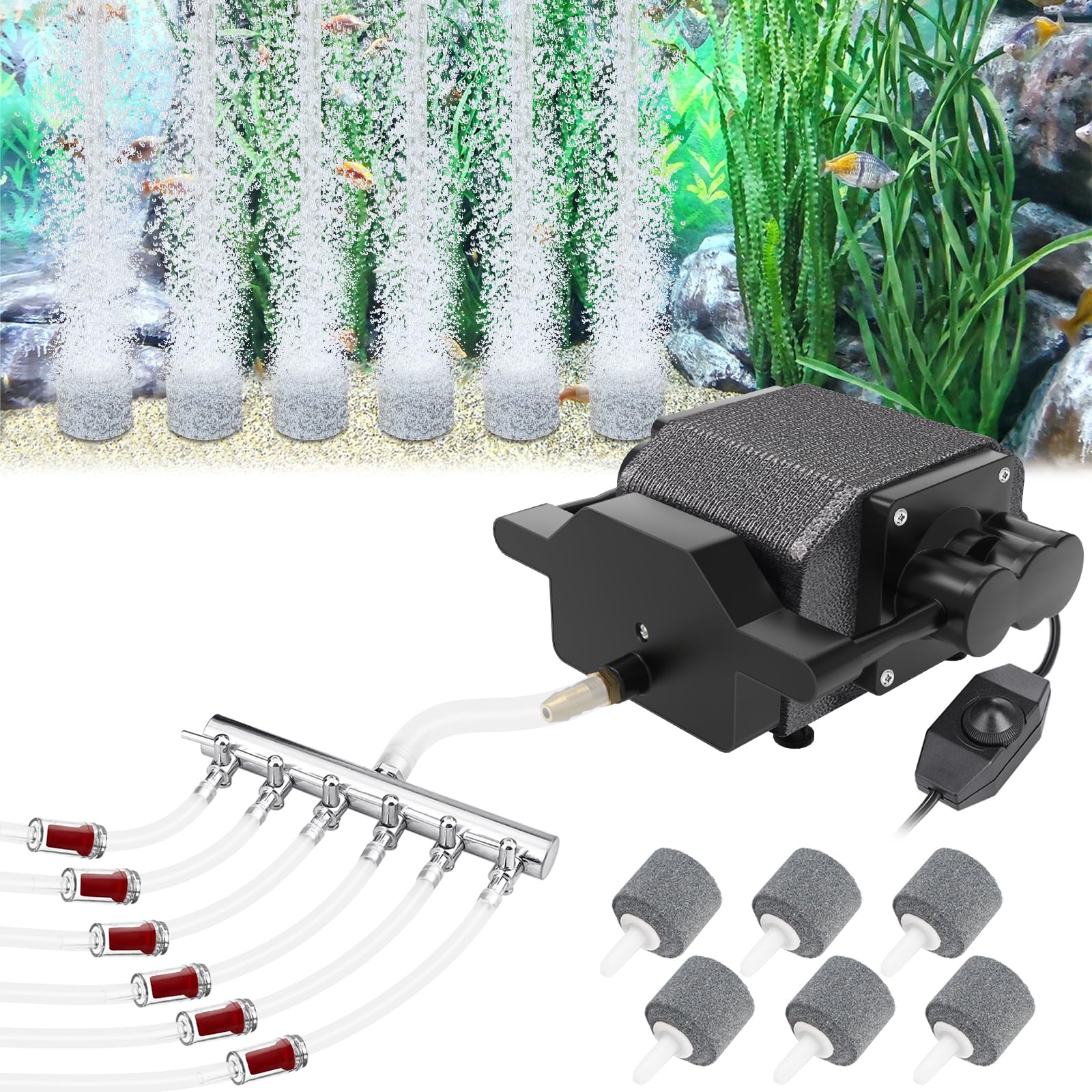

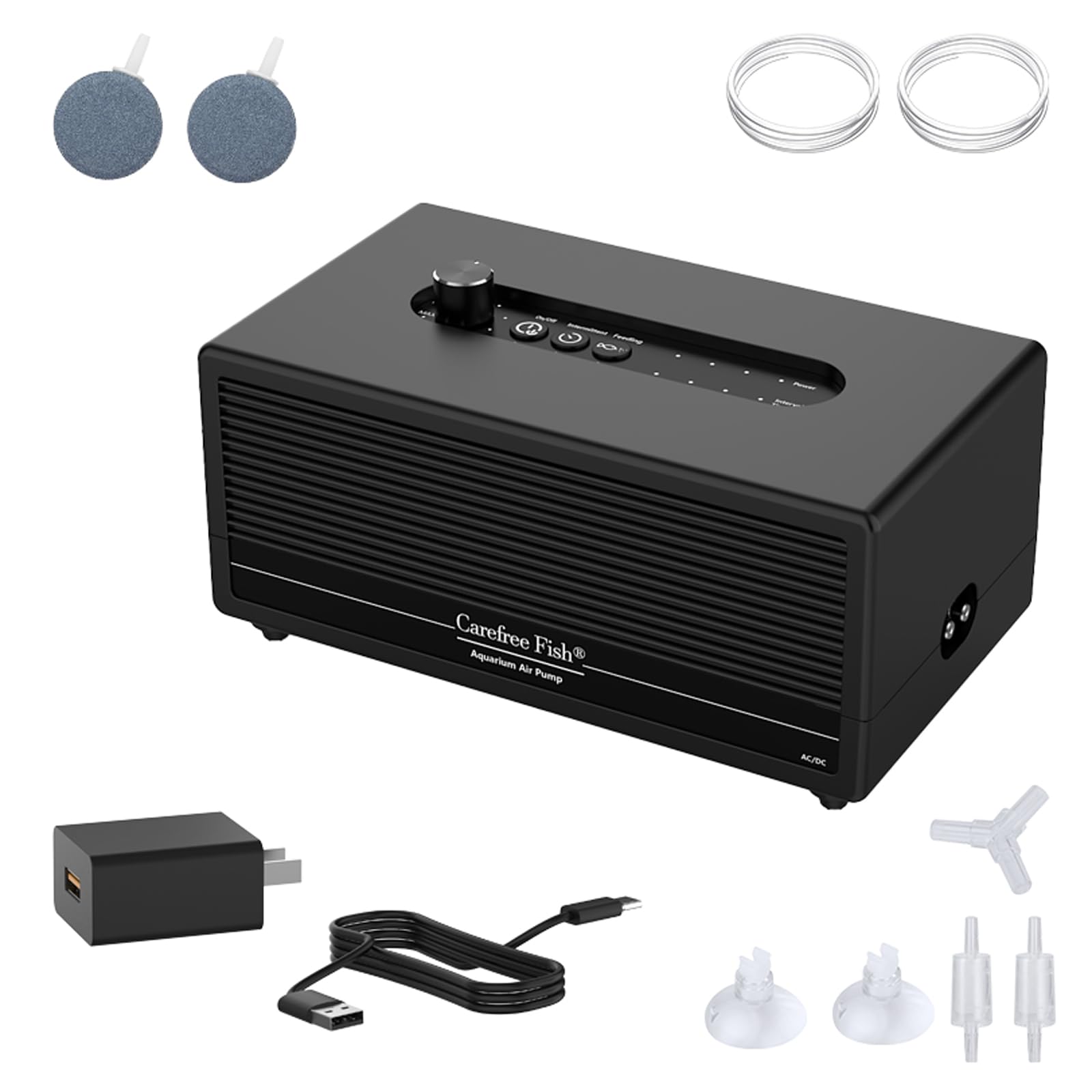


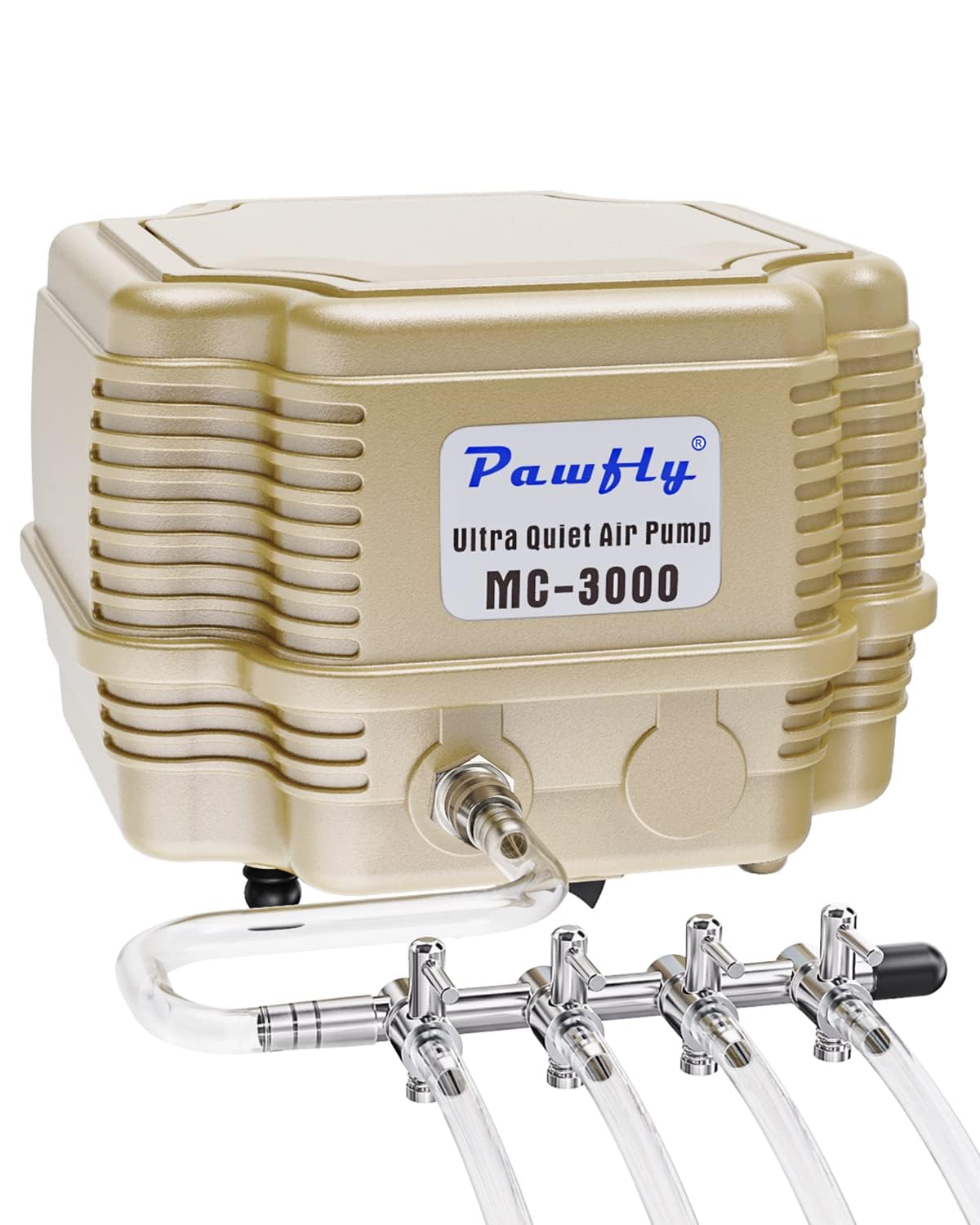
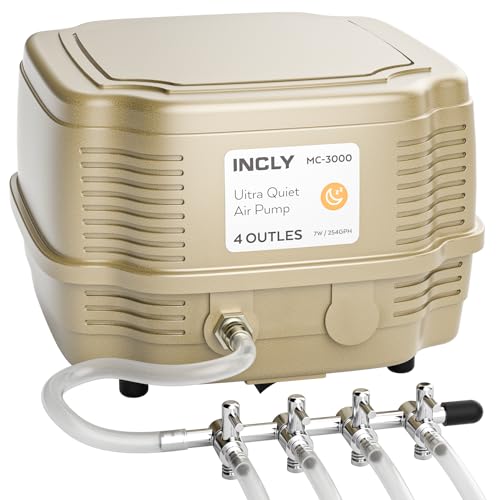
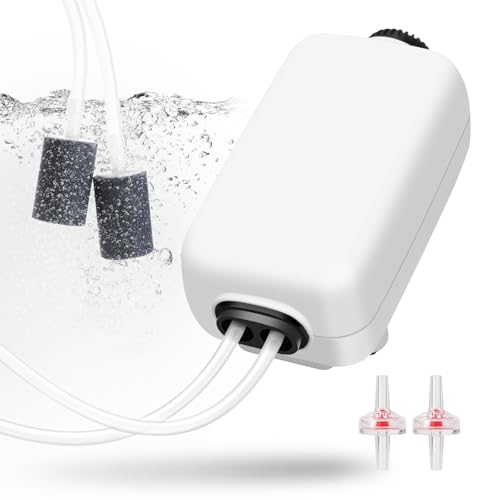

Types of Aquarium Air Pumps Compared
Most pumps share the same basic job, pushing air through tubing to an air stone, a sponge filter, or an ornament. They split into types by output, noise control, and power source, and the table below shows the trade offs at a glance.
| Type | Best For | Strengths | Trade Offs | Typical Price |
|---|---|---|---|---|
| Compact single outlet | Nano tanks up to 10 gallons | Small body, low price, easy to hide | Low output, little adjustment | about $8 to $15 |
| Standard diaphragm | Tanks about 20 to 55 gallons | Adjustable flow, dual outlets on many units | Audible hum on hard surfaces | about $15 to $30 |
| Premium quiet | Tanks about 60 to 100 gallons and bedrooms | Strong flow, low noise design | Higher price, larger body | about $30 to $60 |
| Battery backup | Any tank in outage prone areas | Keeps running when power fails | Batteries add upkeep | about $20 to $45 |
Compact Options
Compact pumps use a small diaphragm and a single outlet, and they suit nano tanks, betta setups with a sponge filter, and quarantine tanks. Output is modest, which is fine for one air stone, and the small body hides behind the tank or inside a stand. The trade offs are fixed flow on most units and little reserve if you add a second device later. Choose this type when the tank is small and the room is not a bedroom, since even a soft hum carries across a quiet house at night.
Premium Options
Premium pumps add larger diaphragms, dual outlets, adjustable dials, and housings built to damp vibration. They drive several devices at once, feed tanks up to about 100 gallons, and stay quiet enough for living rooms and bedrooms. Some use a piezoelectric design with no moving diaphragm at all, which is why they run nearly silent at low output. The costs are a higher price and a bigger footprint on the shelf. Choose this type when one pump must serve a large tank or several tanks from a single outlet strip.
Budget Options
Budget pumps cover the broad middle: a single diaphragm, one or two outlets, and enough flow for tanks about 10 to 40 gallons. They are the default pick for a first community tank and the easiest class to replace in a hurry. Expect a plain housing, a fixed or simple dial control, and diaphragms you can swap cheaply when output fades. Noise varies the most in this class, so placement matters more than price here. Shoppers comparing the wider family can browse best air pumps for pumps sold beyond aquarium use, then return to the aquarium classes for tank specific sizing.
Compact vs Premium: Which Should You Choose?
Pick compact when the tank holds under 10 gallons, runs one device, and sits in a room where a faint hum goes unnoticed. Pick premium when the tank is large, feeds two or more devices, or stands in a bedroom or living room where noise decides whether the hobby stays pleasant. Flow headroom is the second decider: a pump loafing at half output runs quieter and lasts longer than a small pump straining at full tilt. The budget class sits between the two, and for tanks in the 20 to 40 gallon range it is usually the honest answer.
How to Choose the Right Aquarium Air Pump
Key Performance Specs
Flow governs everything else, and it is read against your tank size class. Pumps are sold by the tank size they serve, from nano units for under 10 gallons to large units rated past 100 gallons, and output is often printed in liters per minute. Match the pump to the devices it must drive: one air stone needs little, while a sponge filter plus a bubble wall needs steady headroom. A control dial or dual outlets let one pump feed two devices evenly. Buy one size up if you plan a bigger tank within a year.
Noise Level and Placement
Noise is read as a placement problem as much as a pump problem, because the same pump sounds twice as loud on a hollow cabinet shelf as it does on a solid mat. Set the pump on foam or a folded towel, keep tubing from touching glass, and hang the unit by its loop if it has one. Bedrooms reward the quiet designs covered in our guide to best quiet aquarium air pumps, where low vibration matters more than raw output. Never wrap a pump in cloth to muffle it, since blocked vents overheat the motor.
Ease of Use and Setup
Setup takes minutes: push tubing onto the outlet, add a check valve above the waterline so a power cut cannot siphon tank water back into the pump, and form a drip loop in the cord. A small gang valve on the airline lets you balance flow between devices without kinking tubes. Choose a pump with a top mounted dial if the stand is tight, since side dials vanish once the unit is tucked behind the tank. Keep the whole run of tubing as short and straight as the stand allows.
Maintenance and Long Term Costs
The wearing parts are the diaphragm and the air filter pad, and both are cheap. A fading bubble stream usually means a tired diaphragm rather than a dead pump, and replacement kits run about $5 to $10. Rinse or swap the intake filter every few months so dust does not starve the output. Airline tubing hardens over a year or two and cracks at the bends, so keep a spare length on hand. Over a five year span, parts for a standard pump cost less than one budget replacement pump.
Warranty and Customer Support
Most pumps carry a one year warranty, and premium lines stretch to two or three years. The warranty matters less than parts availability, because a maker that sells diaphragm kits keeps a pump alive for a decade. Keep the receipt and register the purchase if the maker offers it, since support desks ask for a purchase date first. A pump that dies inside the first month is a return rather than a repair, so buy from a seller with a clear returns window.
Choosing Aquarium Air Pumps for Your Situation
Best Fish Aquarium Air Pumps
Fish focused setups ask for steady, gentle flow, because livestock stress shows up fast when bubbles blast a small tank. A sponge filter driven by a midsize pump gives fry and shrimp both filtration and oxygen without a strong current. For community tanks, match one outlet to the filter and keep the second free for an air stone you can run at night. Most of these setups are freshwater, and our guide to best air pumps for freshwater aquarium covers freshwater specific sizing in more depth.
Best Battery Powered Aquarium Air Pumps
A battery backup is read as an insurance class, because its real job starts when the power stops. Some pumps switch to batteries automatically during an outage, while portable units run on batteries alone for transport or quarantine tanks. Judge this class by run time per set of batteries, whether it restarts on its own, and how loud the smaller motor runs. In outage prone regions, a backup pump that keeps a sponge filter turning can carry a stocked tank through a night without losses.
How to Make Your Aquarium Air Pump Last Longer
Place the pump above the waterline when you can, and always use a check valve when you cannot, since back siphon is the most common killer of these units. Keep the intake away from cooking fumes and spray cleaners, which gum up the filter pad and shorten diaphragm life. Run the pump continuously rather than on a timer when it drives a filter, because restarts wear the diaphragm more than steady running does. Every six months, inspect the tubing connections, soak the air stone in vinegar to clear its pores, and confirm the bubble pattern still looks even across the tank.
Frequently Asked Questions
How much should I spend on an aquarium air pump?
Most single tank setups are well served at about $15 to $30, which buys the standard class with adjustable flow. Spend toward about $40 to $60 only when the tank is large, sits in a bedroom, or runs several devices at once. Spending less than about $10 usually means fixed output and no spare parts support. A useful rule is to budget the pump at roughly the cost of the fish it protects, since it guards the whole tank every hour of the day.
How long does an aquarium air pump last?
The pump body often lasts five to ten years, while the diaphragm inside is the part that ages, typically over two to four years of steady running. Pumps rarely die outright; output fades first, and the bubble stream weakens over weeks. That slow fade is your warning to order a diaphragm kit before the pump stops moving air entirely. Pumps in dusty rooms age faster, because a clogged intake filter makes the motor work against resistance on every stroke.
Are expensive aquarium air pumps worth it?
They are worth it when quiet running or spare parts support matters to you. Shoppers asking about the best quality aquarium air pumps are usually paying for quieter housings, steadier flow at high output, and diaphragm kits that stay in stock for years. On a small tank in a spare room, none of that changes the result for your fish. On a large tank in a living room, the lower hum alone can justify the step up in price.
How do I maintain an aquarium air pump?
Write the install date on a sticker on the pump body, so you always know the age of the diaphragm inside. Check the intake filter monthly, rinse the air stone when its bubbles grow coarse, and flex the tubing at each bend every few months to feel for cracks starting. Keep one spare diaphragm kit in the stand rather than ordering after a failure. Maintenance takes ten minutes a few times a year, and it is the difference between a pump that fades and a pump that fails.
What features matter most when buying an aquarium air pump?
After flow and noise, outlet count is the feature that decides how long the pump stays useful. A second outlet costs little at purchase and saves a whole replacement when you add a quarantine tank or a second filter later. An adjustable dial matters for the same reason, since it lets one pump serve a gentle fry tank and a busier community tank at different times. Skip decorative extras like colored housings, which add price without moving a single extra bubble.
Wrapping Up
Match flow to your tank size class first, treat noise as a placement choice, and add battery backup if outages are common where you live. The product table above lines the types up side by side, so check your finalist against those three calls before you order. With the right size chosen once, the best aquarium air pumps for your setup will run quietly in the background for years.


