Best air pumps 2026: A Practical Buying Guide
Disclosure: We may earn a commission when you buy through links on this page, at no extra cost to you. As an Amazon Associate I earn from qualifying purchases. Learn more
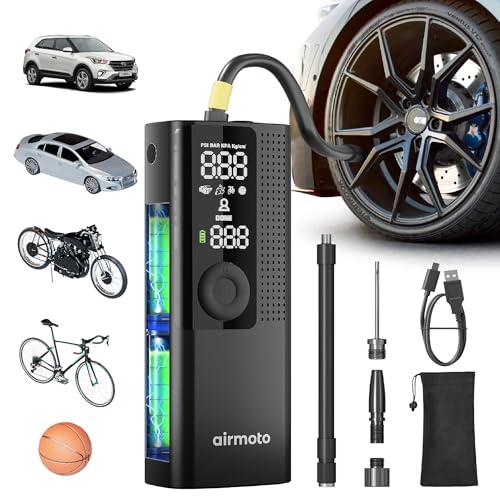
Pick the right air pump for tyres, balls, inflatables, or aquariums, with power, pressure, noise, and portability checks. before you decide.
Shopping for best air pumps can feel overwhelming when every option promises the best result. This guide cuts through the noise with clear checks on fit, quality, and value, so you can compare options calmly and choose well.
The comparison table below gives a quick overview, while the sections that follow explain what to check in detail. Use them to narrow a short list, then test fit, comfort, or setup in real use before you commit.


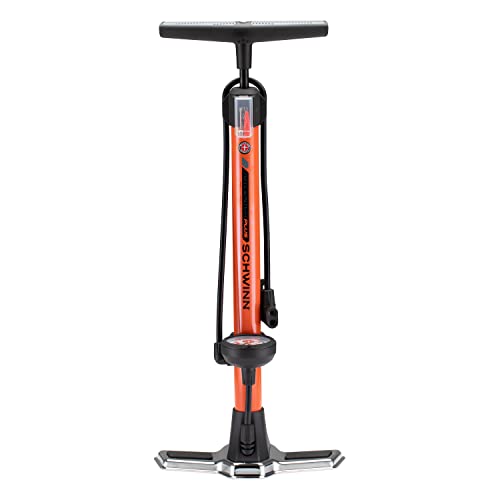
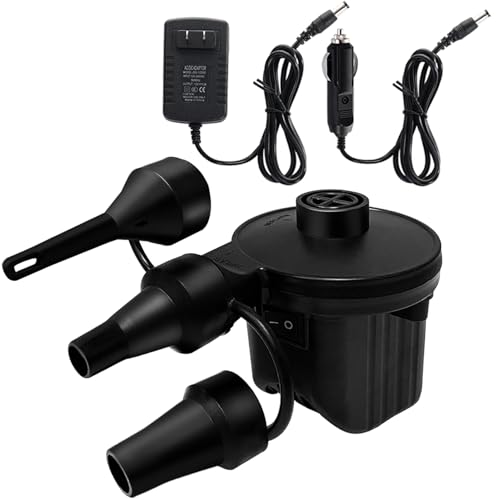
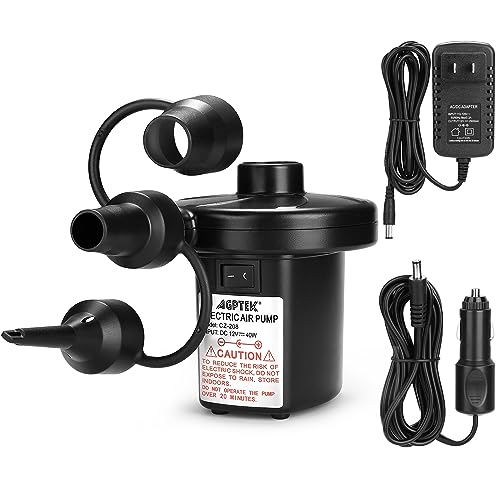

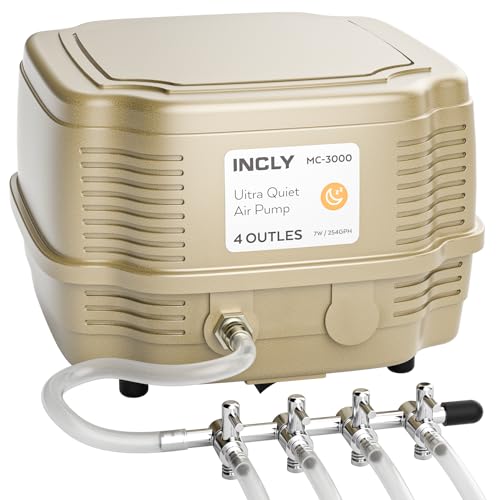


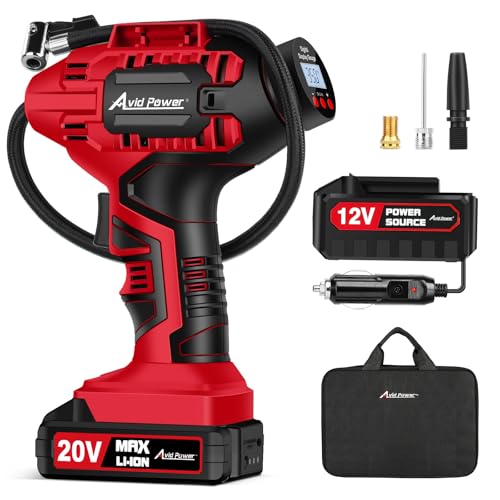
Throughout this guide you will find practical checks rather than vague praise. Use them in order, skip any that do not apply to your situation, and return to the sections that match your biggest worry, whether that is size, compatibility, comfort, running cost, or long term care.
Who Should Buy This
Air pumps suit drivers, cyclists, sports players, and aquarium keepers, but the right pump depends on the job. A tire pump needs pressure and accuracy, a ball pump needs control, an inflatable pump needs volume, and an aquarium pump needs steady quiet airflow. Buying one pump for every job often means it does none of them well.
If you are comparing related options, see our guide to best air pumps for cars for a closer look at how that choice differs.
Key Features to Compare
Start with the features below, and rank them by how you will use the product most days. A feature that sounds impressive but does not match your routine is not worth paying extra for.
- Pressure and flow: High pressure suits tires and narrow valves, while high flow suits large inflatables. Check maximum pressure, flow rate, and whether the pump holds pressure steadily.
- Power source: Mains power suits home and workshop use, battery power suits roadside and field use, and manual pumps suit light jobs and backup. Check charge time and runtime for battery models.
- Accuracy and gauge: A clear, accurate gauge prevents over or under inflation. Digital gauges are easy to read, while analogue gauges need a steady hand and good light.
- Nozzles and adapters: The right adapters for car, bike, ball, and inflatable valves save frustration. Store adapters with the pump so they are there when needed.
- Noise and size: A loud pump is tiring indoors or at night. Check noise, weight, and storage size, especially for car boot or bike bag use.
If you are comparing related options, see our guide to best portable air pumps for a closer look at how that choice differs.
Types and Options
Most buyers fall into one of the groups below. Find the group closest to your routine, then use its priorities to judge the options on your short list.
Tire and bike pumps
These focus on pressure, accuracy, and valve fit. Portable models suit roadside use, while larger models suit home garages.
High volume inflatable pumps
These focus on moving lots of air quickly for beds, boats, and toys. They may not reach high pressure, so check both specs.
Aquarium air pumps
These focus on steady, quiet airflow and reliable running. Check outlet count, adjustable flow, and vibration control.
Checks Before You Buy
Test the pump on its real job before the return window ends. Check hose length, valve fit, heat buildup during longer use, and whether auto shutoff works at the set pressure. Keep a manual pump as backup for roadside emergencies.
Care and Upkeep Over Time
Keep filters clean, store hoses without kinks, and protect battery models from heat and moisture. Replace worn seals and nozzles, because leaks make pumping slow and inaccurate.
Getting the Most From Your Choice
Once you have narrowed the field, spend a little time on the details that decide daily satisfaction. Read the full specifications rather than headlines, check warranty and support terms, and confirm that spare parts, filters, accessories, or compatible add ons are easy to find. A product that is easy to maintain and easy to get help for will serve you far longer than one that only looks good on paper.
Think about the full cost of ownership, not just the purchase price. Running costs, replacement parts, cleaning supplies, and any professional fitting all add up over time. A slightly higher upfront price can be good value when it buys durability, lower running costs, or a longer warranty. On the other hand, paying for features you will never use rarely pays back, so keep your routine at the center of every decision.
Comparing Your Short List
When you compare best air pumps, start by ranking pressure and flow, power source, accuracy and gauge, nozzles and adapters, noise and size. A short list of two or three options is easier to judge honestly than a long list of similar products, and it forces you to decide which trade offs you can live with. Write down the must have features for your routine, then score each option against that list rather than against a marketing headline.
Next, look at how each option handles the situations you face most often. The types above, covering tire and bike pumps, high volume inflatable pumps, aquarium air pumps, show where strengths and weaknesses usually appear. An option that shines in one situation but struggles in your main use is a poor buy, even at a lower price. Test or demo where possible, and read the full specification sheet for the details that matter to you.
Common Mistakes to Avoid
One common mistake with best air pumps is buying on a single headline feature and ignoring everyday fit. Another is skipping measurements, compatibility checks, or a trial period, then discovering a basic mismatch after the return window closes. A third mistake is ignoring running costs, maintenance, and support, which can turn a bargain into an expensive frustration within months.
Avoid rushing a decision during a sale. Compare the same specification across sellers, check warranty and return terms, and confirm delivery or fitting arrangements. If a deal looks far cheaper than every alternative, look closely at what is missing, because a hidden compromise often explains the gap.
A Final Check Before You Order
Before you order, recheck size, compatibility, power or fit requirements, and total cost including delivery, accessories, and any professional help. Confirm the return policy and keep packaging until you have tested the product properly. A calm final check now prevents most regrets later, and it gives you a clear basis for exchanging the product if it does not suit your needs.
Questions to Ask Before You Order
Ask yourself these questions before you pay. Do the answers point clearly to one option, or are you still guessing? If you are guessing, gather one more piece of evidence, whether that is a measurement, a compatibility check, a trial, or a clear answer from the seller.
- Does this option fit my space, system, or routine without a workaround?
- Have I checked the features I will use most, not just the headline features?
- What are the total costs, including delivery, accessories, and upkeep?
- What happens if it does not suit me, and how easy is a return or exchange?
- Does the warranty and support give me confidence for long term use?
Write your answers down and compare them across your short list. A clear written comparison often reveals a favorite that a quick browse hides, and it makes the final decision calmer and easier to defend later.
Frequently Asked Questions
What pressure should I inflate car tires to?
Use the vehicle maker placard, usually on the door frame or fuel flap, not the maximum on the tire sidewall. Check when tires are cold for an accurate reading.
Are battery pumps powerful enough for car tires?
Many are, for topping up and emergencies. For frequent use or large tires, a mains or high capacity battery model works faster and runs cooler.
How do I inflate a ball without overdoing it?
Use a needle adapter, add air slowly, and check firmness often. Overinflation strains seams and changes bounce, so stop at a firm but slightly yielding feel.
Why is my pump slow?
A leak, a wrong adapter, a clogged filter, or a pump rated for low flow can all slow inflation. Check seals and hose fit before assuming the pump is faulty.
Can one pump serve tires and inflatables?
Some can, with adapters and dual modes, but check pressure and flow specs. A pump built only for volume may struggle with tire pressure, and vice versa.
How do I know I chose well with best air pumps?
You chose well when the option fits your routine, meets your must have features, and feels right in real use rather than only on paper. Test it promptly, check comfort, performance, and ease of use, and keep the return window in mind. If it handles your main tasks calmly and without fuss, it is a sound choice even if a newer model appears later.
Final Thoughts
Take your time, measure or test where you can, and choose the option that fits your routine best. The product table above is a useful starting point, but your own checks matter most. With a clear short list and the checks in this guide, you can buy with confidence and enjoy a best air pumps choice that serves you well.