
Best Approach Shoes: Trail to Rock Guide 2026
Disclosure: We may earn a commission when you buy through links on this page, at no extra cost to you. As an Amazon Associate I earn from qualifying purchases. Learn more

Choose the best approach shoes by rubber grip, toe protection, weight and fit for trail approaches, scrambles and rocky routes.
Shopping for best approach shoes can feel confusing, because every option promises the best experience and few explain the trade offs in plain language. This guide cuts through that noise by focusing on what actually matters for your terrain, your budget and your routine, so you can choose with confidence rather than guesswork.
The comparison table below gives a quick overview of the main types, and the sections that follow explain each choice in detail. Read the whole guide if you are buying for the first time, or jump to the sections that match your biggest question.


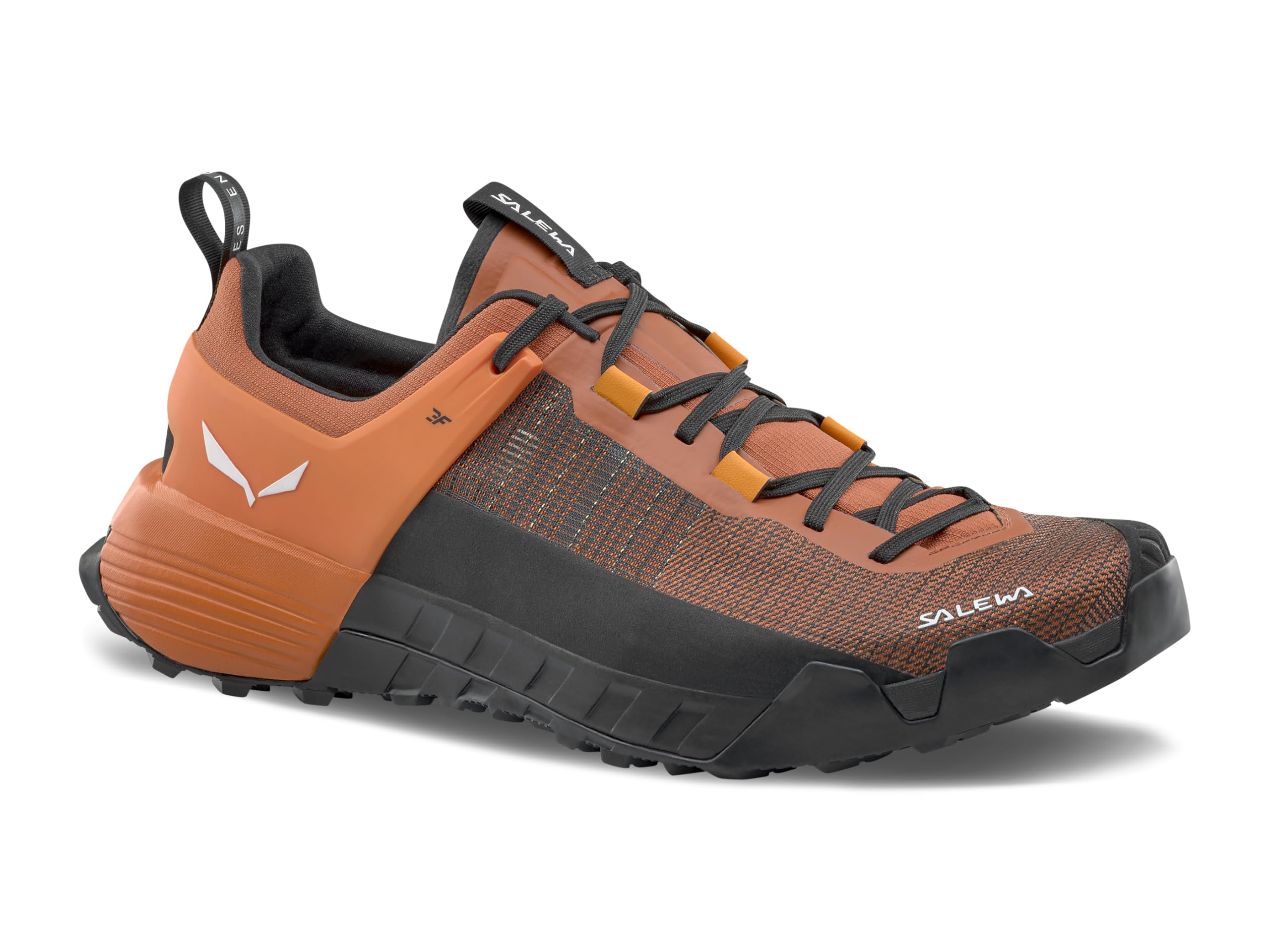
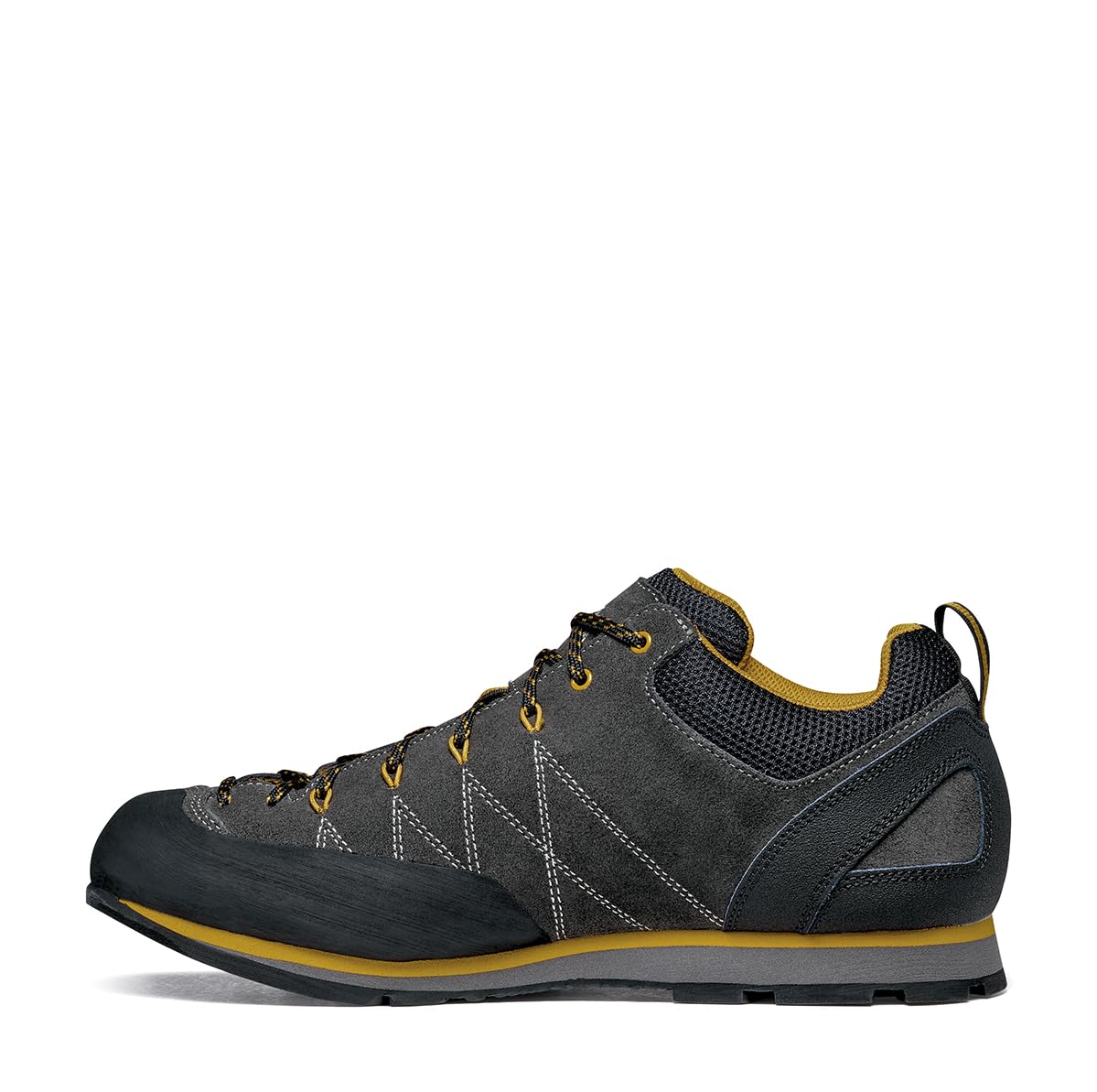

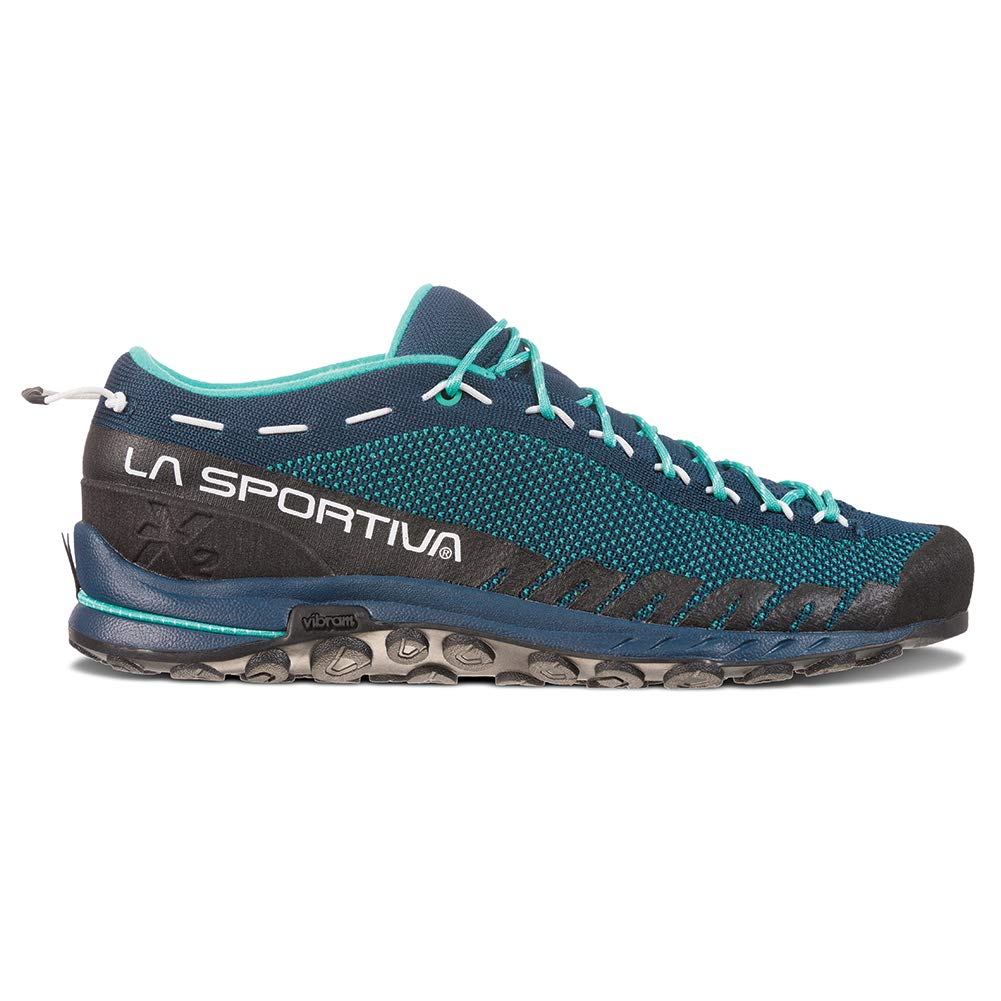

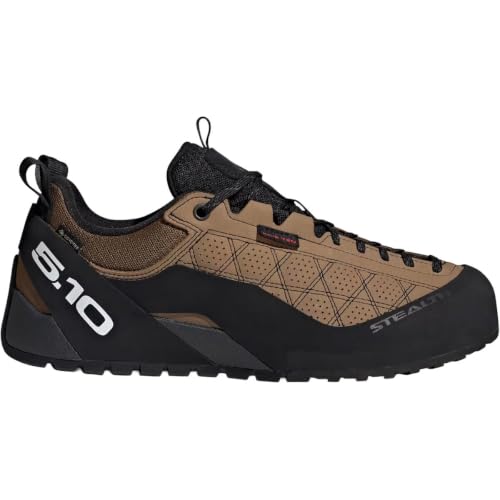
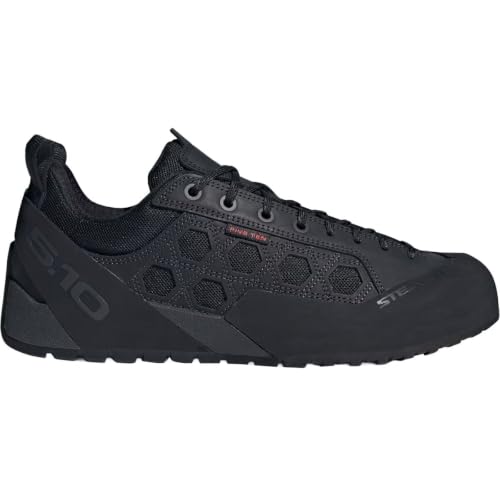

Who Should Use This Guide
Climbers walking to a crag, hikers crossing rocky ground, and scramblers mixing trail and rock all need a shoe that bridges hiking boots and climbing shoes. Your main terrain decides the balance: long trail approaches favor comfort and cushioning, while steep rocky scrambles favor grip and precision. Be honest about which you do most, because no shoe is best at both extremes.
Key Features Explained
Grip That Holds on Rock
The outsole rubber and lug pattern decide whether a shoe sticks to rock or slips at the worst moment. Softer rubber grips better on rock but wears faster on trails, while firmer rubber lasts longer but grips less. Look for a climbing style rubber zone at the front and a lugged pattern that still handles mud and loose trail surfaces.
Comfort for the Long Walk In
Approach shoes often cover miles of trail before any climbing begins, so cushioning, breathability, and a comfortable fit matter as much as grip. A shoe that pinches on the trail will ruin the day even if it climbs well. Break in new shoes on short walks first, and check for hot spots before a long approach.
Protection for Toes and Ankles
Rocky terrain punishes toes, so a sturdy toe cap and a protective rand around the front of the shoe are worth their weight. Low cut shoes feel agile, while mid cut shoes add ankle support on rough ground. Choose the level of protection that matches your terrain, and remember that heavier protection usually adds weight.
Weight and Packability
Approach shoes are often carried in a pack on the way home or clipped to a harness, so weight and bulk matter. Lighter shoes feel better on long approaches, but very light shoes may sacrifice protection and durability. Balance weight against the roughness of your terrain and the length of your typical day.
Lacing and Precise Fit
A lacing system that locks the midfoot without squeezing the toes gives control on rock and comfort on trail. Fit should be snug but not tight, with enough room to wiggle toes and no heel slip on steep descents. Try shoes later in the day when feet are slightly swollen, and wear the socks you will use on the trail.
Types Compared
Trail focused approach shoes feel like light hiking shoes with stickier rubber, and they suit long walks with occasional rock. Rock focused models feel closer to climbing shoes, with tighter fits and softer rubber, and they suit short approaches and technical scrambles. Waterproof models help in wet climates but run hotter, while breathable models suit dry, warm conditions.
When you compare types, judge each one against your own routine rather than against an ideal user. A type that wins for a heavy user may be overkill for a light user, and a budget type that suits occasional use may frustrate a daily user. The product table above summarizes the types, and your routine should decide which summary row matters most.
Common Mistakes to Avoid
Choosing the stickiest rubber for a long trail walk, buying a tight climbing fit for hiking, ignoring toe protection, and skipping a break in walk are common errors. Another mistake is wearing approach shoes for technical climbing beyond scrambling, where a real climbing shoe is safer. Match the shoe to the hardest terrain you will actually cross, not the hardest terrain you imagine.
Setup and Everyday Care
Clean mud and grit from the soles after use, dry shoes away from direct heat, and replace laces before they fray through. Check the rubber for wear, especially at the front edge, and retire shoes when grip fades rather than risking a slip. Store shoes dry and ventilated, and keep them out of a hot car between trips.
For related choices, see our guides to best women's approach shoes, best climbing approach shoes, and best men's approach shoes, which use the same buying framework and help you compare neighboring options without starting your research again.
For related choices, see our guides to best approach shoes for hiking and best approach shoes for scrambling, which use the same buying framework and help you compare neighboring options without starting your research again.
Choosing With Confidence
Before you buy, think about your longest approach, your steepest scramble, and the weather you usually face. A shoe that excels on rock but tortures your feet on a five mile trail is the wrong choice for a long approach, just as a comfortable trail shoe with poor grip is wrong for steep rock. Try shoes on an incline if possible, test heel hold on descents, and break them in on short walks before a big day.
Budget Tiers in Plain Terms
Budget approach shoes cover occasional scrambling and short approaches well, with decent grip and comfort for light use. Midrange shoes add stickier rubber, better protection, and longer lasting construction for regular climbers and hikers. Premium shoes offer the best grip and precision for technical terrain, but they wear faster and cost more to replace. Match the tier to how often you actually cross rock.
A Closer Look at Everyday Use
Think about the full journey of a typical day out, because approach shoes must handle the walk in, the rocky section, and the walk out, often in changing weather. A long, flat trail approach rewards cushioning and breathability, while a short, steep scramble rewards grip and a precise fit, and most real days mix both, so you must decide which part dominates your routes. Consider socks carefully, because thick socks change fit and blister risk, and the socks you test shoes in should be the socks you wear on the hill. Consider weather too: wet rock demands softer rubber and careful footwork, muddy trails demand lugs that shed dirt, and hot days demand ventilation that prevents swollen, blistered feet. Carry a spare pair of laces, check soles after each outing for wear at the front edge, and retire shoes when grip fades, because a slip on rock has consequences far beyond a scuffed shoe. The best approach shoe is the one you trust on the hardest ground you actually cross.
Frequently Asked Questions
What is the difference between approach shoes and hiking shoes?
Approach shoes use stickier climbing style rubber and a closer fit for rock, while hiking shoes prioritize cushioning, support, and trail comfort. Approach shoes bridge the gap for climbers and scramblers who cross rock, whereas hiking shoes suit pure trail walking better. Choose approach shoes when rock grip matters on your route.
Can I climb in approach shoes?
You can scramble and climb easy rock in approach shoes, but they do not replace climbing shoes for technical routes. Approach shoes give grip and protection for moderate rock, yet they lack the precision and edging power of a tight climbing shoe. Use them for approaches and scrambles, and change into climbing shoes for harder climbing.
Should approach shoes fit tight or comfortable?
They should fit snug and secure without pain, tighter than a hiking shoe but looser than a climbing shoe. Your toes should touch the front without curling, and your heel should not lift on descents. If you cannot walk comfortably for an hour, the fit is too tight for approach use, whatever the climbing benefit.
Do I need waterproof approach shoes?
Waterproof shoes help in wet, muddy, or snowy conditions, but they run hotter and dry slower once water gets inside. Breathable shoes suit dry and warm climates and dry quickly after stream crossings. Choose based on your usual weather, and remember that waterproofing does not make a shoe suitable for wading deep water.
How long do approach shoes last?
Lifespan depends on terrain, frequency, and rubber softness, with soft rubber wearing faster on abrasive rock and trails. Many regular users replace approach shoes when grip fades or the toe rand wears through, rather than on a fixed schedule. Inspect soles and seams after each trip, and replace shoes before a major outing if wear is advanced.
Final Thoughts
Choosing well is mostly about matching the product to your real life, not about finding a perfect option. Use the product table above to narrow the types, use the detail in this guide to judge features, and trust a choice that fits your budget, your routine, and your comfort. If you keep that focus, best approach shoes will serve you well for a long time, and you will know exactly why you chose it.


