
Best Approach Shoes for Scrambling for 2026: Types Compared
Disclosure: We may earn a commission when you buy through links on this page, at no extra cost to you. As an Amazon Associate I earn from qualifying purchases. Learn more

Choose the best approach shoes for scrambling by grip, fit and protection, comparing lightweight shoes with waterproof boots.
Scrambling sits between hiking and climbing, and that in between job makes shoe shopping confusing. Trail shoes feel sloppy on rock, climbing shoes punish your feet on the walk in, and boots can feel clumsy on steep slabs. This guide compares the best approach shoes for scrambling by type, so you can match grip, fit, and protection to the terrain you actually cross. Start with the comparison table below, then read the type breakdowns and fit advice that follow.


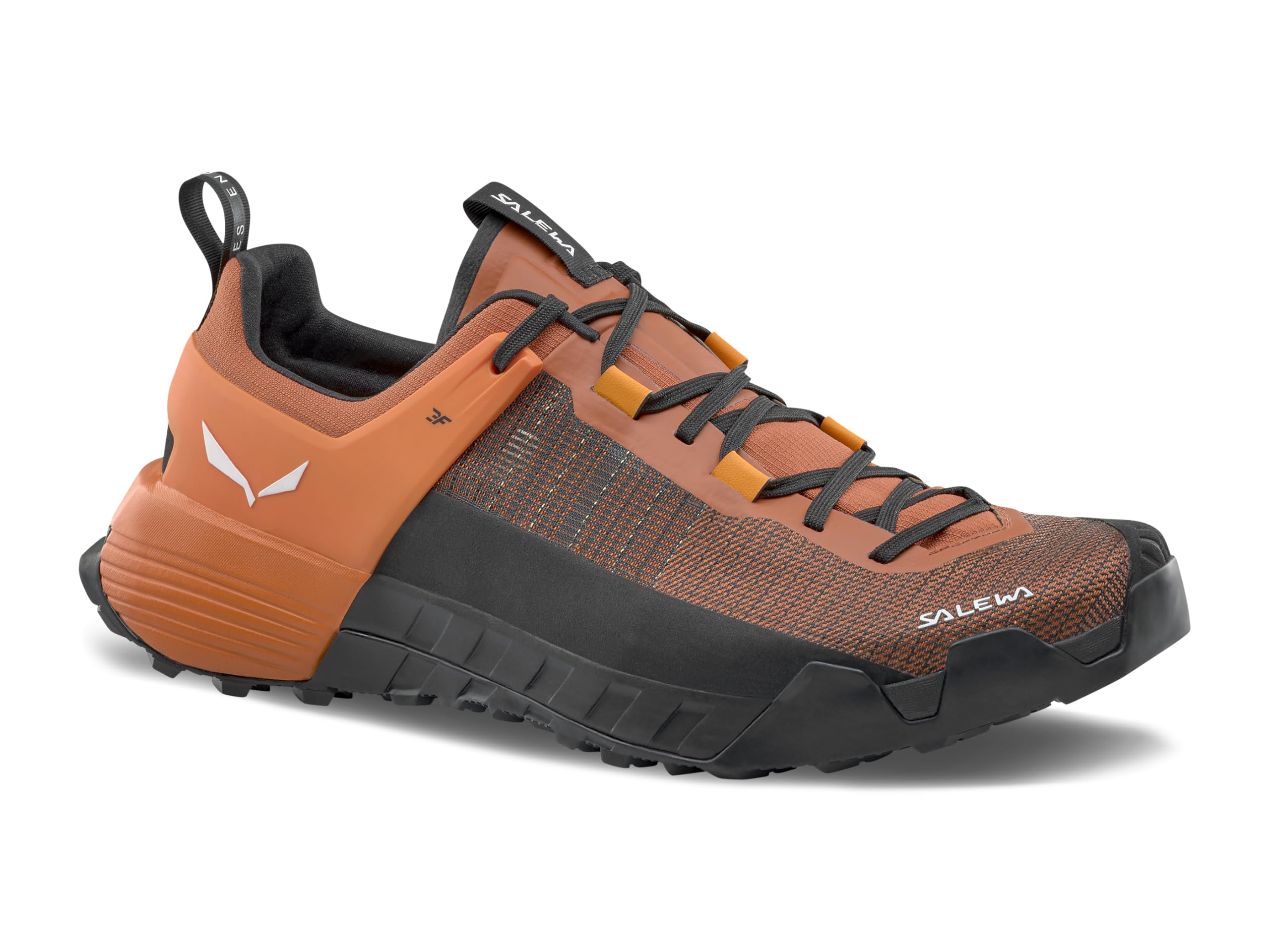
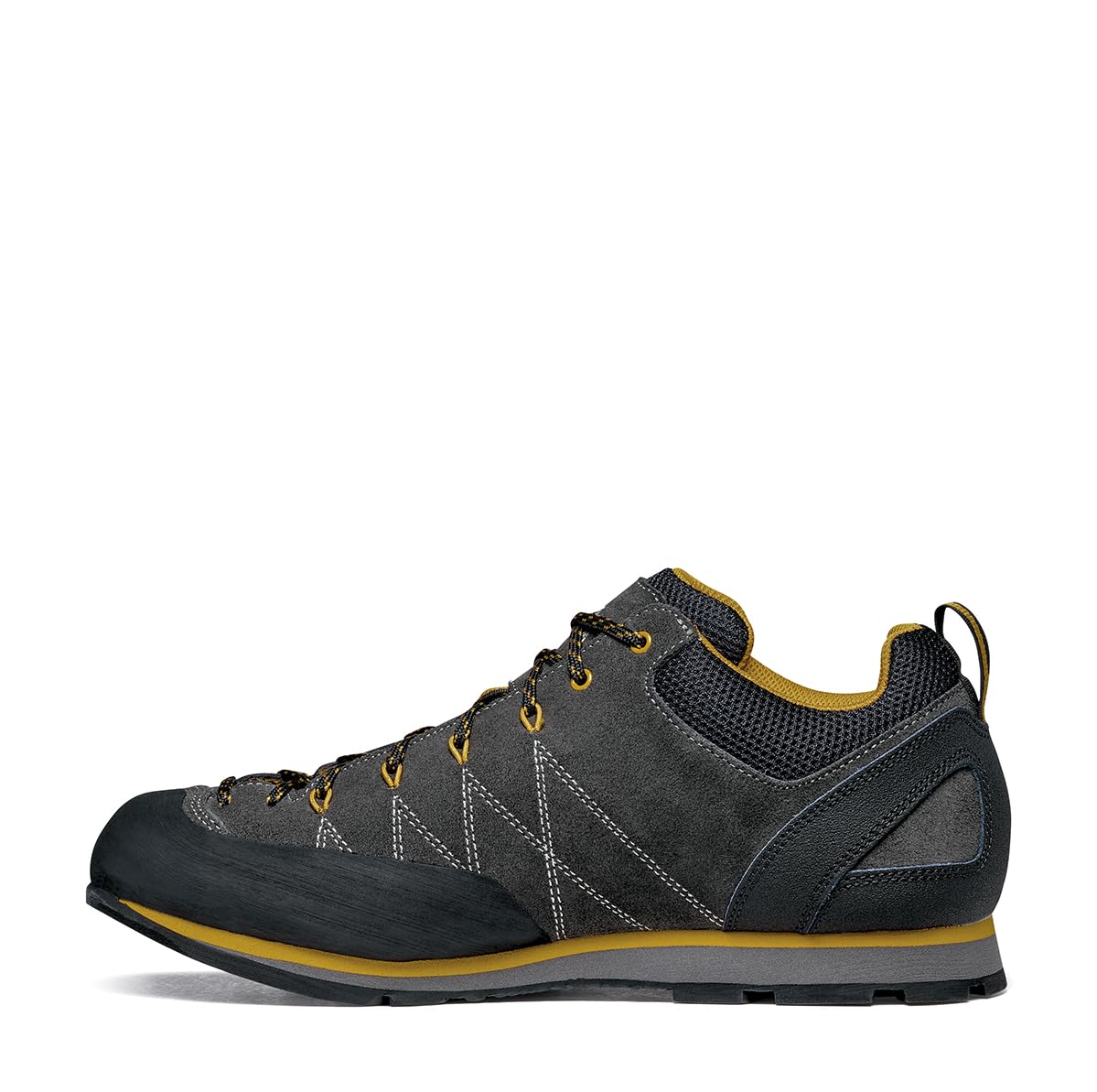

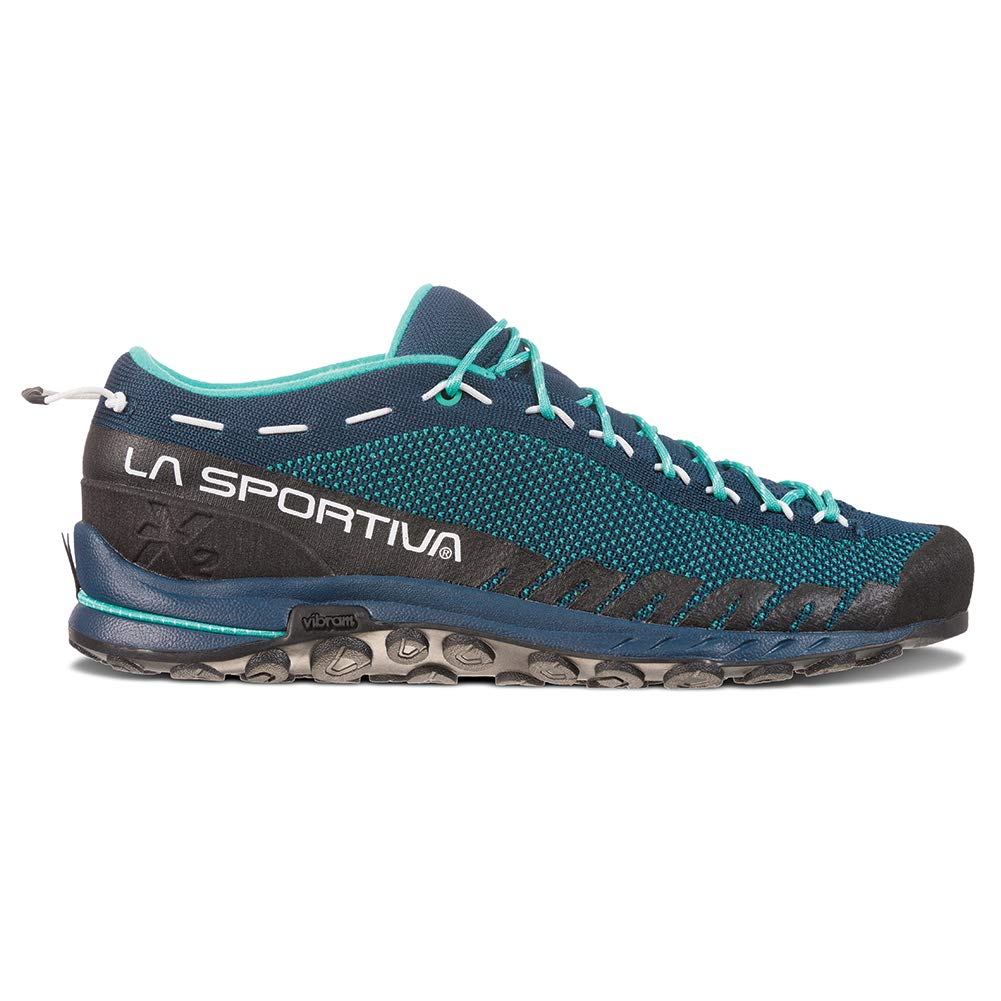

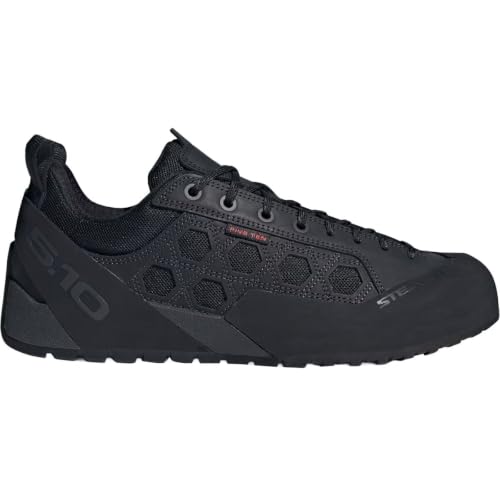
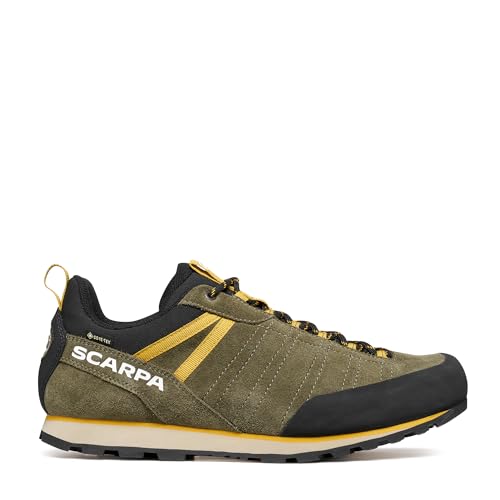

Types of Approach Shoes Compared
Approach footwear covers a wide range, from light shoes built for edging on rock to boots built for cold, wet days. The two types below show where each design shines and where it fails. A true scrambling shoe borrows its sticky rubber and snug toe from climbing footwear, then adds enough cushion for the hike out. Use the product table above to compare current models once you know which type you need.
Lightweight Shoes
Lightweight approach shoes blend a sticky rubber outsole with a trail shoe upper, giving you confident steps on rock without much weight on your feet or in your pack. They hike comfortably for miles, dry fast after stream crossings, and suit warm weather scrambles on moderate terrain. The trade off is protection, since thin uppers and flexible midsoles tire your feet on sharp scree and long descents. Choose this type for fast days on lower angle rock.
Waterproof Boots
Waterproof approach boots add ankle height, a stiffer midsole, and a membrane that keeps out rain and wet snow. They support heavy packs, protect ankles on loose talus, and let you edge on small holds without the shoe folding. They also run warm, dry slowly once wet inside, and can feel blunt on delicate slab moves. Pick boots for cold, wet, or high mountain scrambles where support matters more than sensitivity. For a wider view of the category, see our guide to the best approach shoes.
Lightweight Shoes vs Waterproof Boots: Which Should You Choose?
On rock sensitivity and weight, lightweight shoes win, thanks to a thin sole and a shaped toe. On support and protection, boots win, with a stiffer midsole and ankle height that handle heavy packs and loose talus. On weather, boots keep out rain and wet snow, while shoes dry faster after stream crossings. On cost, shoes are usually cheaper. The verdict is simple: choose shoes for warm, dry, moderate scrambles, and boots for cold, wet or high mountain days. Our guide to the best scrambling shoes goes deeper on rubber and fit for technical ground.
How to Choose the Right Approach Shoe
Cushioning and Support
Scrambling asks for a firm platform more than plush cushion. A stiff midsole lets you stand on small edges without your calf burning, while a thin layer of foam softens the hike. Heel to toe drop is usually low, which keeps your foot flat and stable on slabs. If you carry a heavy pack or have weak ankles, favor stability and a supportive heel cup over a soft, neutral ride.
Outsole Traction and Terrain
The outsole is the heart of an approach shoe. Look for sticky rubber under the toe, a smooth climbing zone at the front for smearing on slabs, and shallow lugs at the heel for dirt and descent braking. Deep lugs grip mud but skate on clean rock, so match lug depth to your usual terrain. Quality rubber compounds grip wet stone better than hard rubber, though they wear faster on pavement.
Fit, Sizing, and Toe Box
Shop late in the day when your feet are slightly swollen, and wear your hiking socks. An approach shoe should hold the heel firmly, let toes splay a little, and bring your big toe close to the front without jamming it. A roomy toe box suits long descents, while a snug toe gives precision on edges. Walk down a slope in the shop if you can, and check that your toes do not slam the front. Women often find a better heel fit in models shaped for narrower feet, covered in our guide to the best women's approach shoes.
Features That Matter for Scrambling
Scrambling demands specifics that normal hiking never does. Choose a lacing system that runs close to the toes, so you can cinch the forefoot for a crux and loosen it for the walk out. A rubber rand around the toe resists abrasion in cracks, and a low profile toe fits into pockets and seams. Underfoot, a slight rocker helps hiking while a flat front zone grips slabs. Climbers moving between crag and summit can compare more technical options in our guide to the best climbing approach shoes, while men sizing for wider feet can check our guide to the best men's approach shoes.
Tips to Get the Most From Your Approach Shoe
Break new shoes in on short hikes before a big objective, since stiff rands can blister untested heels. Air dry wet shoes away from direct heat, which cracks rubber and glue, and stuff them with newspaper to speed drying. Rotate two pairs if you scramble daily, giving foam a day to recover between outings. Watch the toe rubber closely, because once the climbing zone wears smooth, grip on slabs drops fast. Replace approach shoes when edges round off and the midsole feels dead, often after a season or two of hard use rather than a fixed mileage.
FAQs
What features matter most in approach shoes for scrambling?
Sticky rubber, a snug toe, and a stiff enough midsole matter most. Sticky rubber with a smooth front zone grips slabs and edges, while a close toe fit gives control on small holds. Lacing that reaches toward the toes lets you fine tune the fit for hard moves. A protective rand and a secure heel finish the list. Cushion matters less here than on pure hiking shoes.
How should approach shoes fit?
They should fit snugly through the heel and midfoot with a little room at the toes. Your heel should not lift on steep steps, and your big toe should nearly reach the front without pressing hard. Try shoes in the afternoon with your usual socks, and test them on a slope or stairs. A fit that feels precise in the shop usually feels right on rock.
Do I need waterproof shoes?
Only if your scrambles run cold and wet. A waterproof membrane helps in rain, wet grass, and spring snow, and it adds warmth on alpine starts. In hot, dry ranges it traps sweat and slows drying after stream crossings. Many scramblers prefer a breathable shoe plus waterproof socks for rare wet days. Decide from your forecast and season, not from habit.
How often should I replace my approach shoes?
Replace them when the toe rubber wears smooth or the midsole stops supporting your weight on edges. For frequent users that can mean one to two seasons, while casual scramblers may get several years. Cracks in the rand, peeling soles, and constant heel slip are clear end of life signs. A resole can extend life if the upper and midsole still feel sound.
How long is the break in period?
Most approach shoes feel good within two to four short hikes. Stiffer boots can take longer, sometimes a few weeks of regular use. Wear new shoes around town first, then on a short scramble with an easy retreat. Tape known hot spots on the first long day. If pain stays sharp after several outings, the size or shape is likely wrong, not just stiff.
Are expensive approach shoes worth it?
They can be, when the extra cost buys better rubber and a more precise fit. Premium models often edge and smear with more confidence and last longer under hard use. Budget models still work well for moderate terrain and dry rock. Spend first on fit, since the best rubber cannot help a shoe that slides around your foot. Try mid range options if you scramble only a few times a year.
Can I wear them all day?
Yes, most approach shoes are built for full days that mix hiking and rock. Their midsoles cushion the approach trail, and the fit stays secure on the descent. Very stiff or tight models can ache on long flat walks, so loosen the forefoot laces once the technical ground ends. If your day is pure trail with no rock, a normal hiking shoe may feel kinder by mile ten.
Wrapping Up
Put grip first, fit second, and protection third, and most scrambling choices get easy. Match the shoe type to your terrain, test the fit on a slope, and use the product table above to compare current options in your size. Chosen with those checks, the best approach shoes for scrambling will feel like a tool you trust on every move, not a compromise you tolerate.


