
Best Approach Shoes for Hiking 2026 Buying Guide
Disclosure: We may earn a commission when you buy through links on this page, at no extra cost to you. As an Amazon Associate I earn from qualifying purchases. Learn more

Choose the best approach shoes for hiking by rubber grip, cushioning, toe protection and fit for mixed trail and rock.
The best approach shoes for hiking combine the sticky rubber of a climbing shoe with enough cushioning for miles on the trail. They suit hikers who mix trail walking with rocky sections, scrambles and scree, and who want more grip and a closer fit than a standard hiking shoe gives. This guide explains what to compare, and the product table lists current options side by side.
Think about your usual route. If it is mostly smooth trail, a cushioned hiking shoe may feel better, while rocky approaches, slabs and talus reward the grip and precision of an approach shoe.


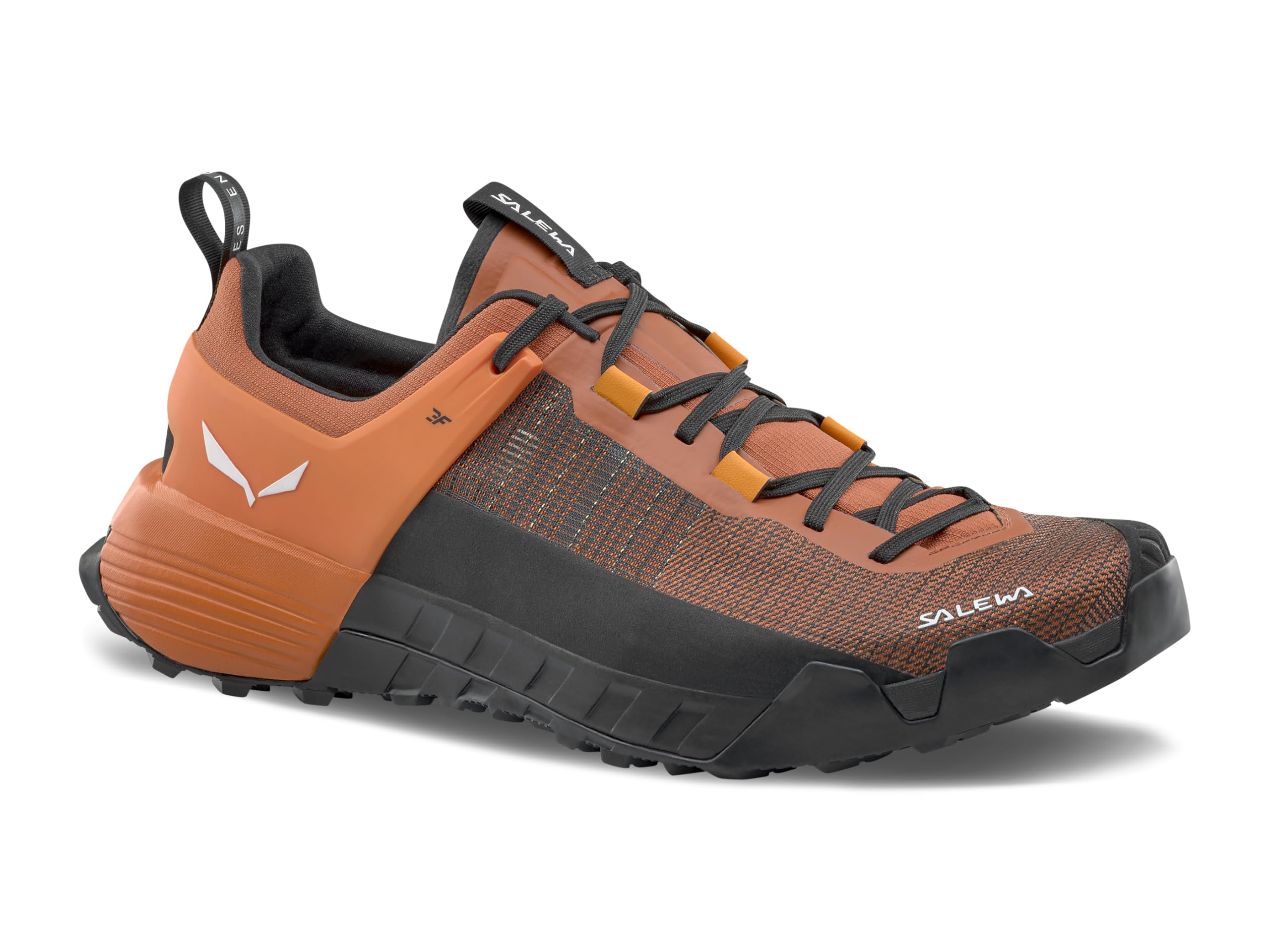
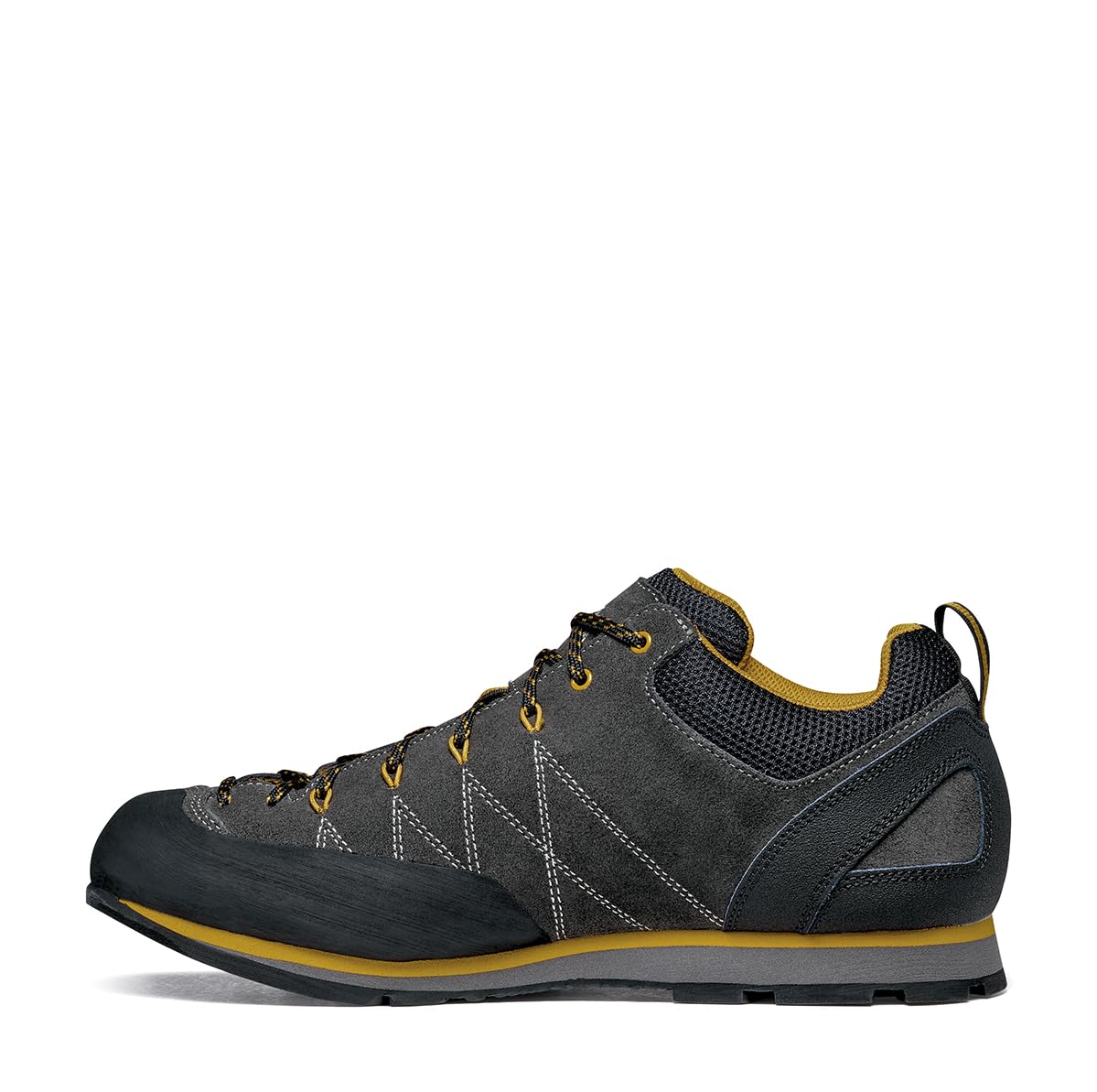

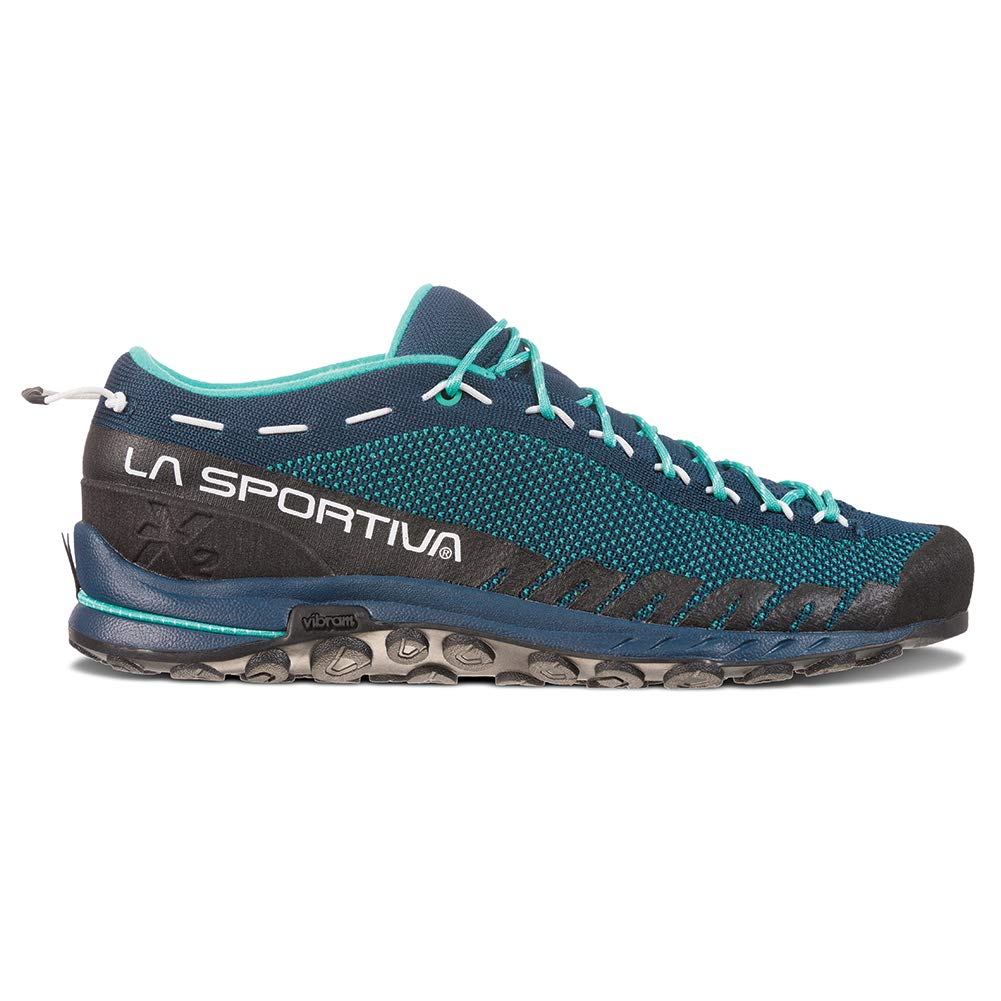


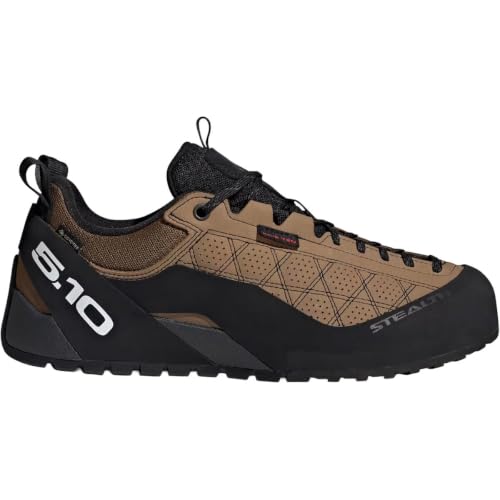
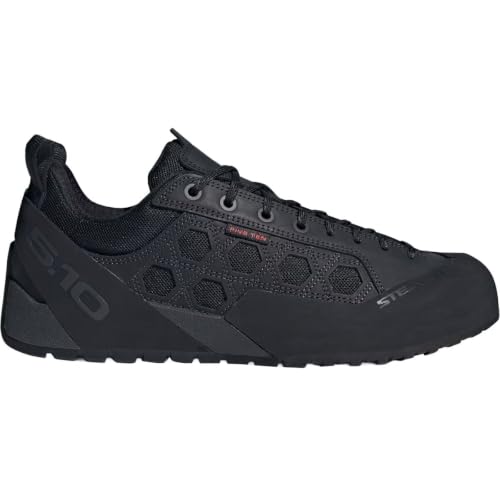
Who Should Buy Approach Shoes for Hiking
Approach shoes suit hikers who cross rock regularly, peak baggers, climbers who walk to the crag and anyone who wants a low profile shoe with excellent traction. They are lighter than boots and dry faster. They are a weaker choice for carrying a heavy pack over long distances, where a sturdier hiking shoe or boot offers more support. For a wider look, see best hiking shoes and best approach shoes.
Key Features to Compare
Sticky rubber outsole
Climbing style rubber grips rock far better than a standard hiking sole, especially on slabs and edges. Look for a smooth, shallow tread at the toe for smearing and deeper lugs at the heel for braking on descents. Softer rubber grips better but wears faster on pavement.
Cushioning and support
Approach shoes use a firmer midsole than trail runners so you can stand on small edges without your foot folding. A thin layer of foam softens the walk. If you carry a pack or have weak ankles, choose a model with a supportive heel cup and a stiffer platform.
Toe protection
A rubber rand around the toe protects feet on rock and scree and resists abrasion in cracks. It adds a little weight but extends the life of the upper.
Lacing and fit
Lacing that runs close to the toes lets you cinch the forefoot for precision and loosen it for the walk out. Fit should be snug without curling your toes, since you need a close fit for edging but room for long descents.
Weather protection
Waterproof models help in rain and wet grass but run warm and dry slowly. Breathable models suit hot, dry hikes. See best waterproof hiking shoes if you hike in wet weather.
Low Cut Shoes or Mid Cut Boots
Low cut approach shoes are light and agile, and they suit most hikers who cross rock on well defined routes. Mid cut approach boots add ankle support and protection from scree and snow, and they suit hikers who carry heavier packs or walk on loose ground. A mid cut model also keeps debris out of the shoe, though it runs warmer in summer.
Weight is the trade off. Every extra ounce on your feet takes more effort over a day, so choose the lowest cut that still gives you the support you need on your usual terrain.
Getting the Fit Right
Fit approach shoes snugly, with toes near the front but not painfully curled, since precise edging needs a close fit. Try them in the afternoon, when your feet are a little swollen, and wear the socks you hike in. Walk down a slope in the shop or at home, because downhill fit matters on trails and your toes should not hit the front.
Women often find a better heel fit in models built on a narrower last, and men with wider feet should look at roomier lasts. For specific audiences, see best ladies hiking shoes and best hiking shoes for men.
Using and Caring for Approach Shoes
Use approach shoes for trail approaches, scrambles and rocky hikes, and save technical climbing for climbing shoes. On wet rock, move carefully even with sticky rubber, since no sole grips all wet surfaces. Check your laces before rocky sections, because loose laces reduce precision and increase trip risk.
Brush off dirt after hikes, let the shoes dry at room temperature, and check rubber wear at the toe and edges. Replace the shoes when the grip wears smooth, since worn rubber slips on rock. Keep them away from heat, which can harden sticky rubber.
Socks, Insoles and Pack Weight
Socks change how approach shoes fit. Mid weight merino or synthetic hiking socks cushion the foot and wick moisture, while thick socks can make a snug shoe feel tight. Wear the socks you plan to hike in when you try the shoes on, and bring them to the fitting.
Stock insoles in many approach shoes are thin. If your feet tire on long trails, a more supportive insole can add cushioning without changing the fit of the upper. Remember that pack weight changes the picture. With a light daypack, approach shoes feel agile, but with a heavy load, a stiffer shoe or boot protects your feet better on rough ground.
Mistakes to Avoid
The most common mistake is buying approach shoes too tight for hiking distance, or too loose for rocky precision. Another is trusting sticky rubber on wet or mossy rock. A third is choosing a very light shoe for a heavy pack, then feeling every rock through the sole.
Judge grip on dry rock first, and break the shoes in on short hikes before a big trip.
A Final Check Before You Order
Confirm the size and the width, decide between waterproof and breathable, and check that the sole suits your terrain. Check the return window, and keep the box until you have walked a real trail in them.
Frequently Asked Questions
Are approach shoes good for normal hiking?
They work well for rocky and mixed trails, but very long smooth hikes may feel better in hiking shoes with more cushioning. Choose approach shoes when rocky sections matter most, and hiking shoes when distance and comfort matter most.
How tight should approach shoes fit?
Snug, with toes close to the front but not painfully bent. A precise fit helps on rock edges. If toes hurt on flat ground, the shoe is too tight for hiking distance, even if it edges well.
Can approach shoes replace climbing shoes?
No, not for technical climbing. Approach shoes grip rock well for walking and scrambling, but climbing shoes offer far more precision and support on steep rock.
Do approach shoes work in wet weather?
Sticky rubber helps on dry rock but grips less on wet, mossy or muddy surfaces. Waterproof models help in rain, but no approach shoe grips all wet rock safely.
When should approach shoes be replaced?
Replace them when the toe rubber wears thin, the edges round off or the cushioning flattens. Grip loss shows first on slabs and edges, so replace before a big rocky trip.
Final Thoughts
The best approach shoes for hiking fit snugly, grip rock with sticky rubber and still cushion the walk. Choose by terrain, pack weight and weather, and use the product table above to compare options. A shoe you trust on rock and on the trail will make every hike more enjoyable.


