
Best Anti Fatigue Slippers: The Buyer Checklist for 2026
Disclosure: We may earn a commission when you buy through links on this page, at no extra cost to you. As an Amazon Associate I earn from qualifying purchases. Learn more

A clear checklist for the best anti fatigue slippers: cushioning, arch support, fit, traction, and everyday indoor comfort.
Standing at a kitchen counter, sorting laundry, or working from a home desk can leave your feet aching long before the day ends. The checklist in this guide helps you judge best anti fatigue slippers by the things you can actually feel: cushioning that stays supportive, a fit that holds your heel, and an outsole that grips hard floors. We will walk through each scoring point, show what each price tier usually delivers, and flag the weak designs to skip. You can compare your shortlist against the comparison table below as you read.


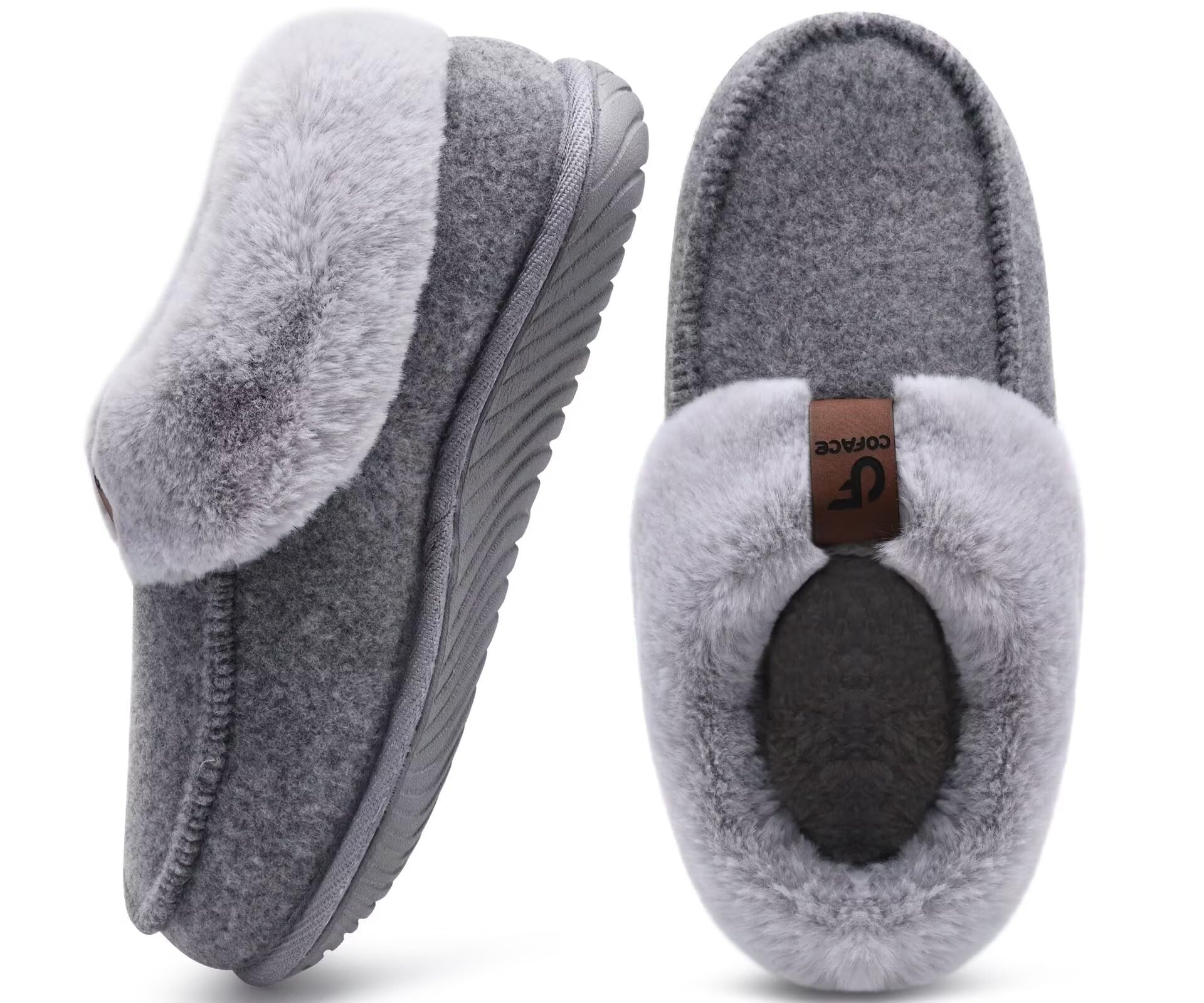


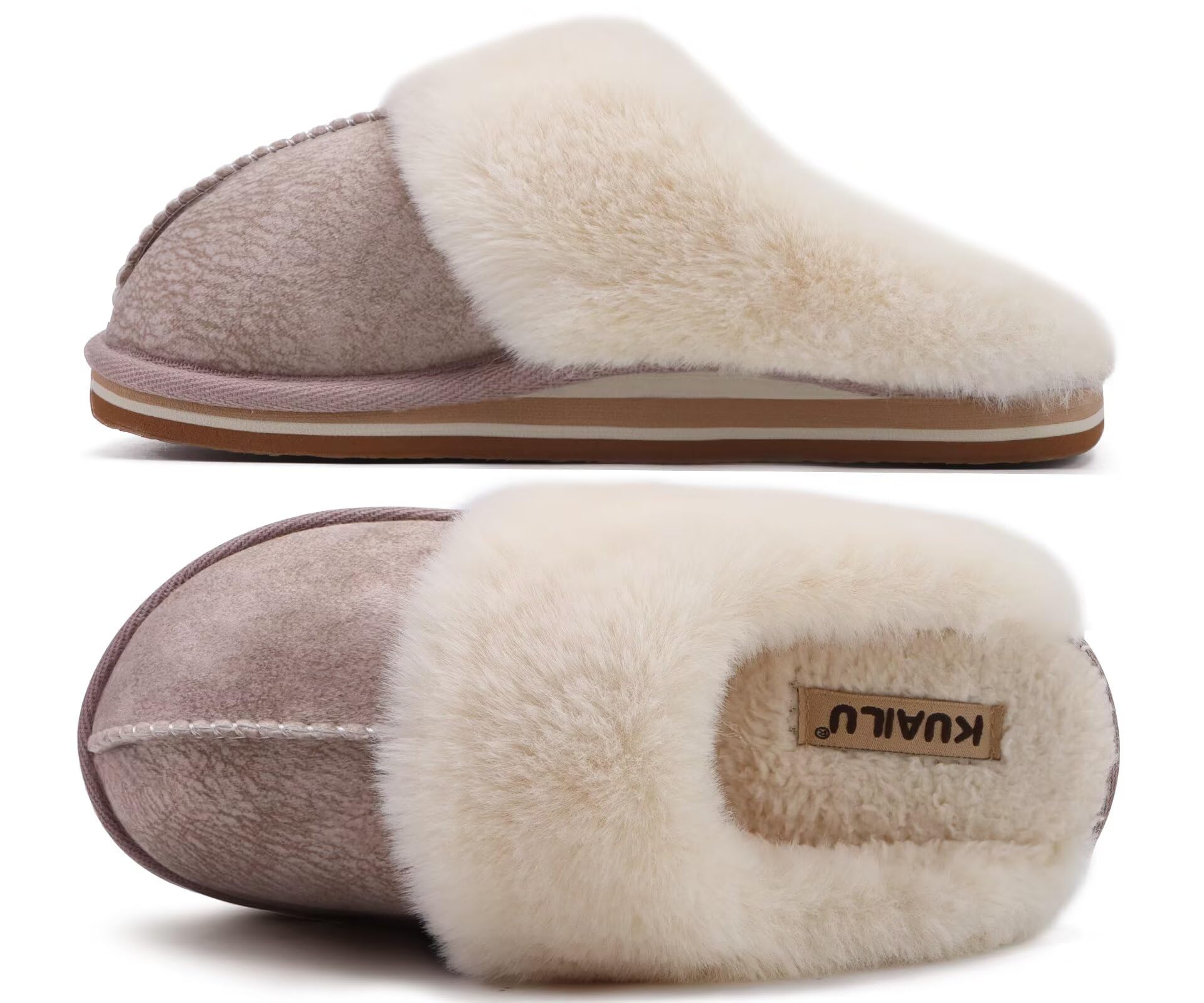
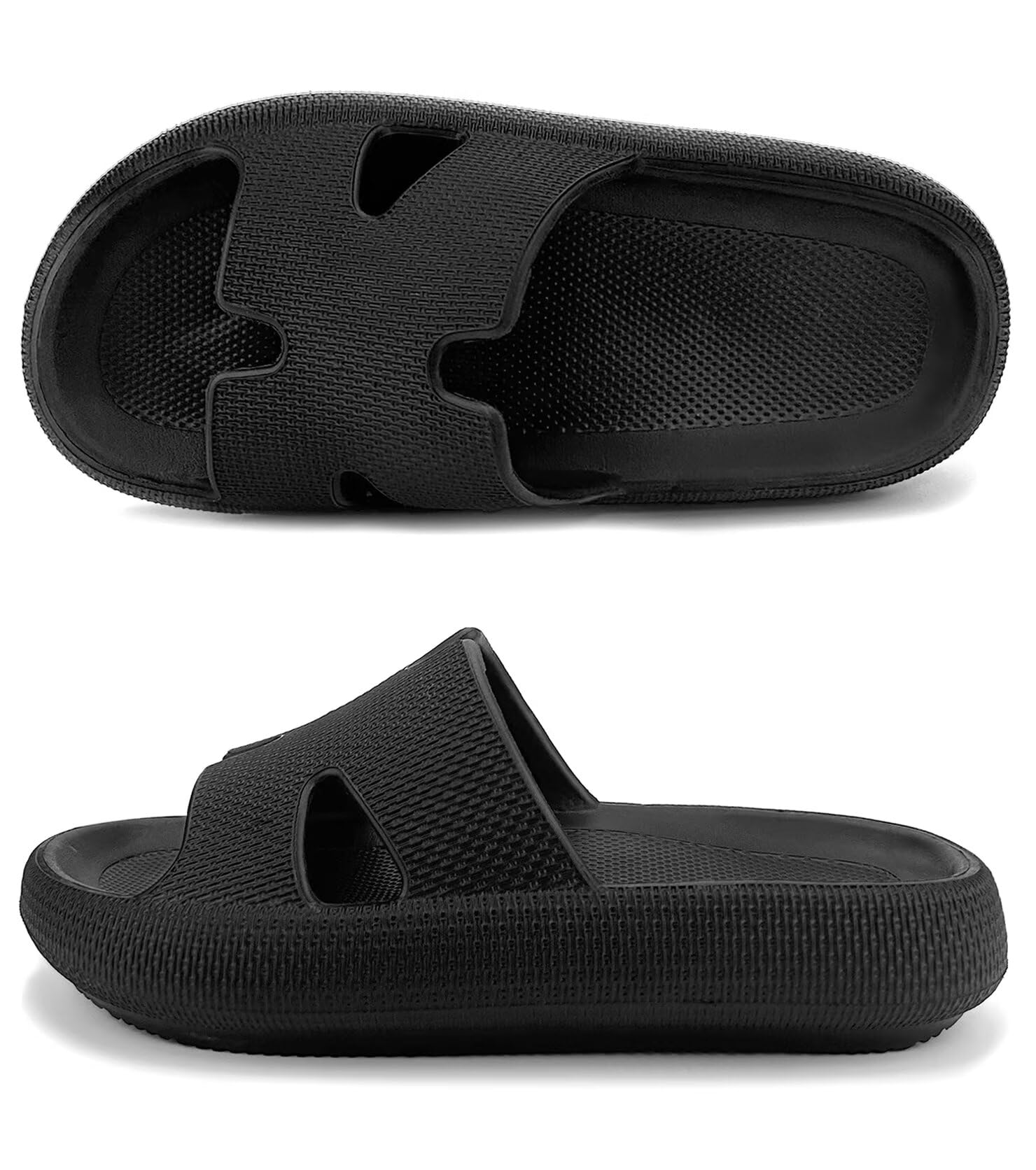
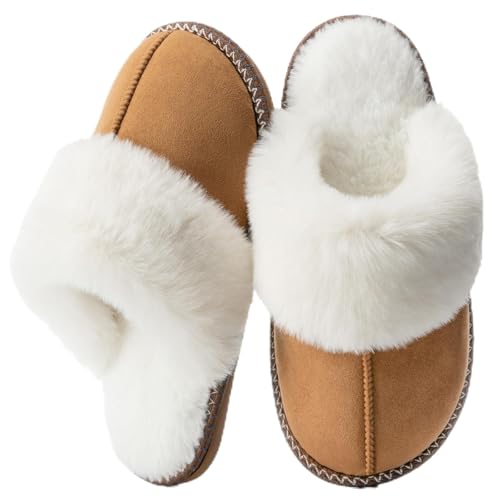
How to Evaluate Anti Fatigue Slippers
A good checklist scores every pair on the same points, because a soft first step tells you very little about comfort after three hours on tile or wood. A good pair spreads pressure across the whole foot, supports the arch without forcing it, and stays stable when you turn or carry something. A poor pair feels plush in the store, then flattens, lets your heel drift, or slides on smooth floors. Use the thresholds below to separate lasting support from short lived softness.
Fit, Sizing, and Toe Box
Measure your feet in the afternoon, when they are at their largest, and compare the length in centimeters with the brand size chart rather than trusting your usual shoe size. Your toes should have about a thumb width of room, and the toe box should let them spread naturally when you stand. If you fall between sizes, choose based on width: size up for wide feet or thick socks, and size down only if your heel slips in your normal size.
Outsole Traction and Terrain
Look for a rubber outsole with a patterned tread that covers the full length of the slipper, not a fabric bottom with a few rubber dots. Shallow, closely spaced tread suits tile, wood, and laminate, while slightly deeper lugs help on garage concrete or a damp entryway. Flex the sole gently: it should bend at the ball of the foot and stay firm through the heel. If grip on wet kitchen floors is your main worry, see our guide to the best anti slip slippers for a closer look at tread patterns.
Durability and Expected Lifespan
The midsole is where most pairs fail, because low density foam packs down and stops absorbing pressure. Denser foam or a layered sole with a firmer base usually holds its shape for a year or more of daily indoor use. Check the stitching or bonding where the upper meets the sole, since gaps there open quickly. Plan to replace a pair when the cushion feels flat, the tread smooths out, or your end of day soreness returns even on short tasks.
Arch Support and Foot Type
Match the support to your arch instead of chasing the tallest insole. Flat feet usually do best with a gentle, stable arch and a firm heel cup that limits rolling inward. High arches need more cushioning under the forefoot plus steady arch contact, while neutral feet can use moderate support of either kind. Removable insoles are a real advantage if you use your own orthotics. For time on your feet outside the house, our guide to the best anti fatigue shoes applies the same arch logic to outdoor footwear.
Break In Period and Comfort Out of the Box
A supportive pair should feel steady right away, with only mild stiffness in the sole during the first few days of wear. Start with an hour or two indoors so you can spot rubbing at the heel or pressure on top of the foot while returns are still easy. Sharp pinching, numb toes, or a rolling feeling will not improve with time, so treat those as fit failures. Soft fleece linings compress quickly, which is normal, but the support under them should not change.
Weight and Flexibility
Lighter slippers feel easy on stairs and suit quick trips between rooms, but the lightest designs often use thin foam that tires fast. A slightly heavier pair with a structured sole usually wins for long cooking sessions or standing desk work. The right balance bends where your foot bends and resists twisting through the middle. If you shuffle because a sole is too stiff, or feel every floor seam because it is too thin, keep looking.
What Each Price Tier Usually Delivers
Price alone does not guarantee support, but tiers do follow a pattern once you know what the money buys. The product table above can help you sort pairs into these groups before you judge the details.
Budget Tier: Basic Cushion for Short Sessions
Pairs under $40 usually offer a single layer of memory foam, a fabric or lightly textured sole, and a soft upper with little structure. That is enough for getting the mail, making coffee, or an hour of light chores. The trade off is lifespan, since simple foam tends to flatten within months of daily use. Choose this tier only when your standing time is short and the return window is generous.
Midrange Tier: Layered Support for Daily Wear
Pairs around $40 to $80 typically add a firmer base layer under the cushion, a shaped footbed, and a real rubber outsole. This is the tier where all day home comfort becomes realistic, because the sole resists packing down and the heel cup keeps your foot centered. Uppers often include adjustable straps or a closed heel for a more secure fit. For most buyers, this tier offers the best balance of comfort, durability, and price.
Premium Tier: Structured Support and Better Materials
Pairs above $80 tend to spend the extra money on replaceable insoles, leather or tightly woven uppers, and soles built more like supportive shoes than bedroom slippers. Some add washable linings or odor control, which matters if you wear them barefoot every day; our guide to the best anti odor slippers explains those materials in depth. Premium pairs make sense for people who stand for many hours at home or who need orthotic friendly designs. Skip the tier if your use is light.
Quick Buyer Checklist
Run through these questions before you order, and treat any no as a reason to pause.
- Does the size chart match your measured foot length in centimeters?
- Is the toe box wide enough for your toes to spread when standing?
- Does the sole have full length rubber tread for your floor type?
- Is there a shaped arch and a heel cup, not just flat foam?
- Can the insole come out if you use orthotics or want to replace it?
- Does the upper hold your heel without squeezing the top of your foot?
- Is the return window long enough for a week of indoor trial wear?
- Does the care method fit your routine, such as wiping clean or machine washing?
Red Flags to Watch For
Vague cushioning claims are the first warning sign, especially when a listing gives no foam type, sole thickness, or size chart. Be cautious with pairs that show only studio photos and never show the tread, because a smooth fabric bottom slides on hard floors and wears through quickly. A very short warranty or a return window of only a few days suggests the maker expects problems. Reviews that praise softness but mention flattening within weeks point to low density foam. Finally, avoid designs with a tall, squishy sole and no heel structure, since that mix can feel unstable on stairs.
Care and Maintenance Tips
Air your slippers out after long wear so the lining and foam can dry fully, which slows odor and keeps the cushion springy. Rotate two pairs if you wear slippers all day, giving each pair a rest day to recover its shape. Clean soles with a damp cloth to remove grit that reduces grip, and let wet pairs dry at room temperature away from direct heat, which can crack rubber and warp foam. For another take on grip focused designs, see our guide to the best anti skid slippers.
FAQs
How often should I replace my anti fatigue slippers?
Replace them when the support changes, not on a fixed schedule. For daily wear, many pairs last about one year before the foam packs down, though light use can stretch that longer. A simple test helps: stand on a hard floor for ten minutes, and if you feel the floor through the heel or your usual soreness returns, the midsole is done. Tread wear and a heel that leans to one side are other clear signs.
Do anti fatigue slippers need to be waterproof?
Most indoor pairs do not need full waterproofing. A water resistant upper and a rubber sole are enough for kitchen splashes and quick trips to a damp porch. Fully waterproof designs trap heat and sweat, which makes them less pleasant for long indoor wear. Choose waterproofing only if you regularly step outside in wet weather, and accept the warmer, stiffer feel that usually comes with it.
Can I wear anti fatigue slippers all day?
Yes, a well fitted supportive pair is built for all day indoor wear. Start with shorter sessions during the first week so your feet can adjust to the arch shape. Take sitting breaks during very long standing tasks, since no slipper removes the need to move. If you develop new heel, arch, or knee pain that persists for more than a week, stop and talk with a clinician or podiatrist about whether the support level suits your feet.
How should anti fatigue slippers fit?
They should fit snugly at the heel and midfoot while leaving room for your toes to move. Your heel should not lift out with each step, and the widest part of your foot should sit at the widest part of the sole. Try them late in the day with the socks you plan to wear. A fit that feels merely soft but lets your foot slide forward will cause toe pressure and fatigue.
Are expensive anti fatigue slippers worth it?
They can be, when the extra cost buys replaceable insoles, denser layered foam, and a durable rubber outsole. Those features extend useful life, so a premium pair worn daily may cost less per month than replacing budget pairs. The extra money is wasted if you only wear slippers briefly in the evening. Judge by hours of use per day, and check that premium claims name real materials rather than vague comfort terms.
How long is the break in period for anti fatigue slippers?
Expect about three to seven days of regular wear for the sole and lining to settle to your foot shape. Wear them for short periods first, then build up as they feel familiar. Mild awareness of the arch is normal during this time, but pain, blisters, or numbness are not. If discomfort grows instead of fading by the end of the first week, the size or support shape is wrong for you.
Our Verdict
Focus on three things: a layered sole that will not flatten, an arch and heel cup matched to your foot type, and full length tread for your floors. Midrange pairs suit most homes, while heavy daily standing justifies the premium tier. Compare your finalists in the product table above, run the checklist once more, and the best anti fatigue slippers for your routine will be easy to spot.


