
Best Anti Slip Slippers for Elderly: Buying Guide for 2026
Disclosure: We may earn a commission when you buy through links on this page, at no extra cost to you. As an Amazon Associate I earn from qualifying purchases. Learn more

Use this guide to choose the best anti slip slippers for elderly family members, with checks for fit, grip, easy entry, support, and daily safety.
A fall at home can change daily life for months, and footwear is one of the easiest risk factors to fix. Choosing the best anti slip slippers for elderly parents or for yourself means balancing grip, a secure fit, and entry that does not require bending or tugging. Socks alone slide on wood and tile, and loose backless styles can slip off at the worst moment.
This guide explains what makes senior focused slippers different, how to compare profiles in the comparison table below, and which features deserve your money. You will also find care tips and clear warning signs for when foot or balance problems need medical advice, not just new footwear.


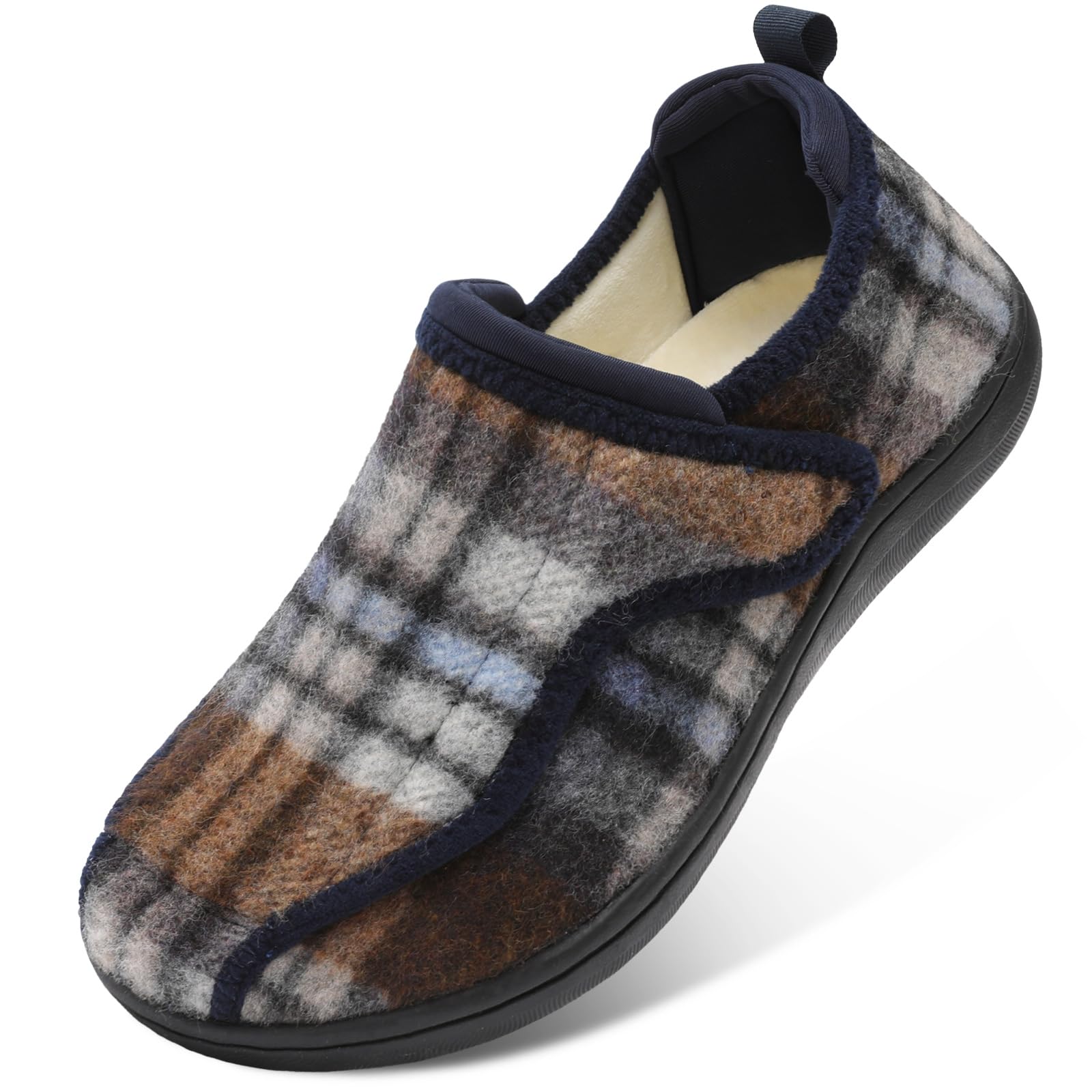

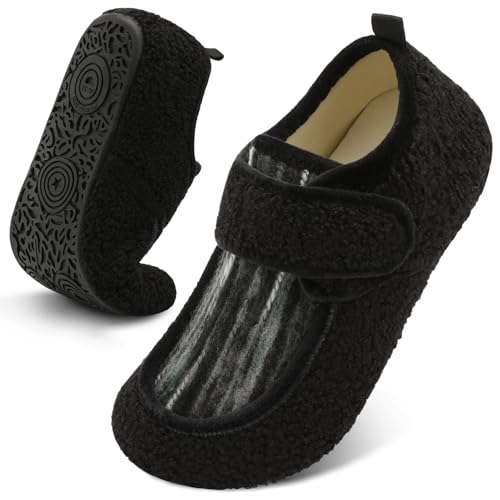


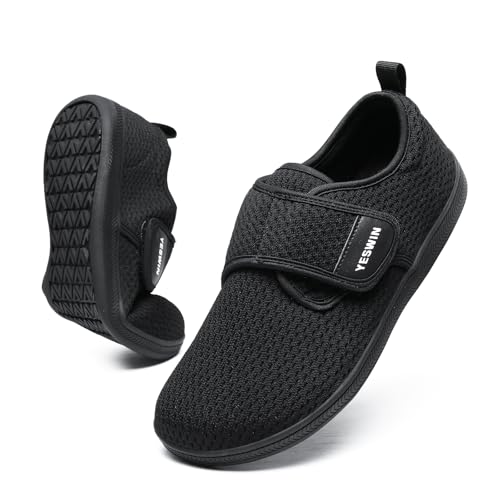
Three Common Profiles at a Glance
The Balanced Everyday Profile
This profile suits most older adults who move between carpet, wood, and tile during the day. Look for a closed heel, a full rubber outsole with a clear tread pattern, and medium cushioning over a firm base. An adjustable strap or a stretch panel helps when feet swell by evening, because the fit can change without tools or laces. Expect to spend around $40 to $80 for durable stitching and a sole that stays grippy beyond a few months. The main trade off is warmth, since secure closed styles can feel hot in summer, so consider a breathable upper if the home runs warm.
The Easy Entry Value Profile
This profile suits buyers who need simple entry on a tighter budget, often around $25 to $50. The best versions still include a rubber outsole, a low heel collar that cups the foot, and a wide opening that works with swollen feet or braces. Our guide to the best slip on slippers for elderly shows which entry shapes stay secure without laces. The trade off is lifespan, because budget foams compress sooner and tread wears smooth faster. Plan to inspect the sole monthly and replace the pair as soon as the pattern looks shiny or flat.
The Extra Support Premium Profile
This profile suits seniors who stand for long periods or who have been advised to wear firmer support at home. It usually costs around $70 to $120 and adds a shaped insole, a firm heel counter, and sometimes a removable footbed that can fit a custom insert. Weight is the main trade off, since support structures add ounces that can tire weak legs. If the wearer uses a walker or has a shuffling gait, a lighter pair with a low, smooth toe edge may be safer than a heavy, stiff one, even at a lower price.
How to Choose Anti Slip Slippers for Seniors: Buying Guide
What Seniors Should Look For
Prioritize a closed heel, a sole that does not twist easily, and entry that works with limited hand strength or limited bending. Bright interior lining can help low vision wearers see the opening, and a contrasting sole edge helps with depth perception on stairs. Avoid tall, spongy soles that raise the foot far off the ground, because height plus softness can increase wobble. If falls have already happened, treat slippers as one part of a larger plan that includes lighting, handrails, and a clinician review of balance and medications.
Fit, Sizing, and Toe Box
Measure feet in the afternoon while standing, and fit the larger foot if one is bigger. You want room to wiggle toes, no pressure on bunions or hammer toes, and a heel that does not lift with each step. A wide toe box reduces rubbing and fits dressings or toe separators more comfortably. Many seniors prefer the broader fit described in our guide to the best slippers elderly shoppers often compare, especially when swelling changes the fit during the day. When in doubt, choose the size that fits the evening foot, not the morning foot.
Upper Materials and Breathability
Knit and mesh uppers breathe well and stretch over sensitive areas, which helps in warm homes and for feet that swell. Fleece and wool blends feel warmer and suit cold floors, but they can hold moisture and need more drying time after washing. Smooth leather wipes clean easily, yet it stretches less and can press on tender spots at first. For skin that tears or bruises easily, choose soft linings with flat seams and no rough labels inside. Breathable uppers also reduce odor and lower the chance of damp skin staying wet for hours.
Cushioning and Support
Good cushioning for seniors feels firm and steady first and soft second. A thin layer of comfort foam over a supportive base protects heels on tile without letting the foot tilt on turns. Heel to toe drop should stay modest, because a sudden change from usual footwear can strain calves and affect balance. If the wearer has diabetes, poor circulation, or reduced feeling in the feet, ask a clinician before choosing very thick soles, since reduced ground feel can hide pressure points and small injuries that need prompt care.
Weight and Flexibility
Light slippers help frail legs and make packing for hospital or family visits easier, but the sole still needs enough rubber to grip. The sole should bend at the ball of the foot and resist twisting in the middle when you wring it gently with both hands. A sole that is stiff everywhere can catch on carpet edges and cause trips for someone with a low step. Test on the actual floors at home if possible, including the transition strips between rooms, where many slips and trips begin.
Arch Support and Foot Type
Flat feet often do better with gentle support and a firm heel cup that limits rolling inward, while high arches often need cushioning that contacts the full sole. Removable insoles are useful because a clinician or fitter can swap in a different shape without replacing the whole slipper. New numbness, burning pain, non healing sores, or one foot swelling much more than the other are warning signs to see a doctor promptly rather than trying another insole. Our general guide to the best anti slip slippers covers arch basics for all ages if you want more background.
Outsole Traction and Terrain
Choose a full rubber outsole with a tread pattern you can feel with your thumb, and be wary of fabric bottoms with small dots that wear smooth quickly. Bathroom trips at night are a high risk moment, so grip on damp tile matters as much as grip on dry wood. For pairs used mainly after showers, see our guide to the best anti slip bathroom slippers for drainage and drying advice. Also check that the toe edge is low and smooth, because a bulky lip can catch on rugs and thresholds.
Types of Anti Slip Slippers
Closed Heel House Shoes
These look like low shoes with a soft upper and a full heel. They stay on best during stairs and quick turns, and they suit most seniors for all day wear. The downside is entry, which can take more effort if the opening is narrow, so look for a pull tab or an adjustable strap.
Adjustable Strap Slippers
A strap across the top lets the wearer loosen or tighten the fit as swelling changes, and it opens wide for easy entry. This style suits feet with bunions, braces, or dressings. Check that the strap fastener is large enough for arthritic fingers and that the strap edges do not rub the skin.
Open Toe Recovery Styles
Open toe and sandal like styles, similar to sandals and recovery footwear, let toes breathe and make foot checks easy after surgery or injury. They offer less protection and less heel security, so they suit seated rest and short indoor walks better than stairs. Always follow the care team advice after foot surgery about what footwear is allowed.
Bootie Styles for Cold Floors
Bootie slippers cover the ankle and feel warm on cold floors, which many seniors prefer in winter. The taller collar can also remind the wearer where the foot is, which some people find steadying. They can be warmer than needed in summer and harder to put on, so many families keep a lighter pair for warm months. Shoppers who prefer different wording will find similar advice in our guide to the best non slip slippers for elderly readers.
Care and Maintenance Tips
- Inspect the tread monthly: hold the sole to the light and replace the pair when the pattern looks smooth, because worn tread is the most common cause of lost grip.
- Air dry wet slippers away from direct heat: heat can crack rubber and warp foam, so let pairs dry at room temperature with the opening propped open.
- Rotate two pairs for daily wear: alternating pairs lets foam recover and gives you a clean pair while the other is being washed or dried.
- Keep soles clean: dust, pet hair, and kitchen grease fill the tread and reduce grip, so wipe soles with a damp cloth each week.
- Check the fit after illness or weight change: feet can change size after swelling or long bed rest, and a once secure pair can become loose and risky.
Frequently Asked Questions
What makes anti slip slippers for seniors different?
Senior focused slippers add a closed heel, easier entry, and steadier support to the basic grip of a house slipper. They also tend to use wider fits, softer seams, and larger fasteners that work with limited hand strength. The goal is not just traction but the whole system of foot, fit, and balance. A younger buyer may accept a loose mule, while an older buyer usually should not.
How often should I replace my anti slip slippers?
Replace them when tread looks smooth, foam stays flat, or the heel leans to one side, often every 8 to 12 months with daily wear. Check sooner after a fall or a near fall in the pair, because the cause may be worn grip. Keep the purchase date on the box to make the check routine. Grip is a safety feature, so treat replacement as maintenance, not as an optional refresh.
How long is the break in period?
Most soft senior slippers feel settled within a few evenings of short wear. Start with an hour at a time on familiar floors and watch for rubbing on heels, toes, or bunions. Pain, redness that lasts after removal, or new unsteadiness means the fit is wrong, not that the foot needs to toughen up. Exchange the size rather than pushing through discomfort, especially for skin that heals slowly.
How should anti slip slippers fit?
They should hold the heel without squeezing, leave room for toes to wiggle, and stay on when the wearer walks without shuffling to keep them in place. Try them in the afternoon with usual socks, and test a gentle turn and a step up if it is safe to do so with support nearby. If the wearer must curl the toes to keep the slipper on, the style or size is wrong. A secure fit should feel calm, not tight.
Are expensive anti slip slippers worth it?
They are worth it when the cost buys a durable rubber sole, a removable insole, and an adjustable fit that lasts. Price alone does not prove better grip, so compare tread and heel design first. Budget pairs can work well as a second pair for guests or travel. For the main daily pair worn on stairs and tile, most families do better spending a bit more for build quality that holds up.
Do I need waterproof shoes?
Most seniors do not need fully waterproof slippers for dry living areas, but a rubber sole and a water resistant upper help for bathroom and kitchen use. Fully waterproof styles breathe less and can trap sweat, which matters for skin health. Choose based on the wettest trip the wearer makes each day, such as a night bathroom visit. If that trip crosses damp tile, prioritize tread and a secure heel over a waterproof label.
Final Thoughts
Choose grip you can feel, a heel that stays on, and entry the wearer can manage alone every day. Those three points matter more than color, brand, or extra padding. Compare your shortlist in the product table above, and pick the best anti slip slippers for elderly use in your home. Please talk with their clinician about personal needs, especially if balance problems, diabetes, or foot pain are part of the picture.


