
Best Anti Fatigue Shoes by Budget: Smart Picks for 2026
Disclosure: We may earn a commission when you buy through links on this page, at no extra cost to you. As an Amazon Associate I earn from qualifying purchases. Learn more

Compare the best anti fatigue shoes at every price point. Learn what you get at budget, midrange, and premium levels and where spending more pays off.
Prices for shoes built to reduce standing fatigue range from under $50 to well over $200, and the price tag alone tells you little about comfort at hour eight. This guide shows you where extra money actually improves cushioning, support, and durability, and where it mostly pays for styling. If you stand or walk for most of your shift, the best anti fatigue shoes for you are the ones that match your floor type, your foot shape, and your budget tier.
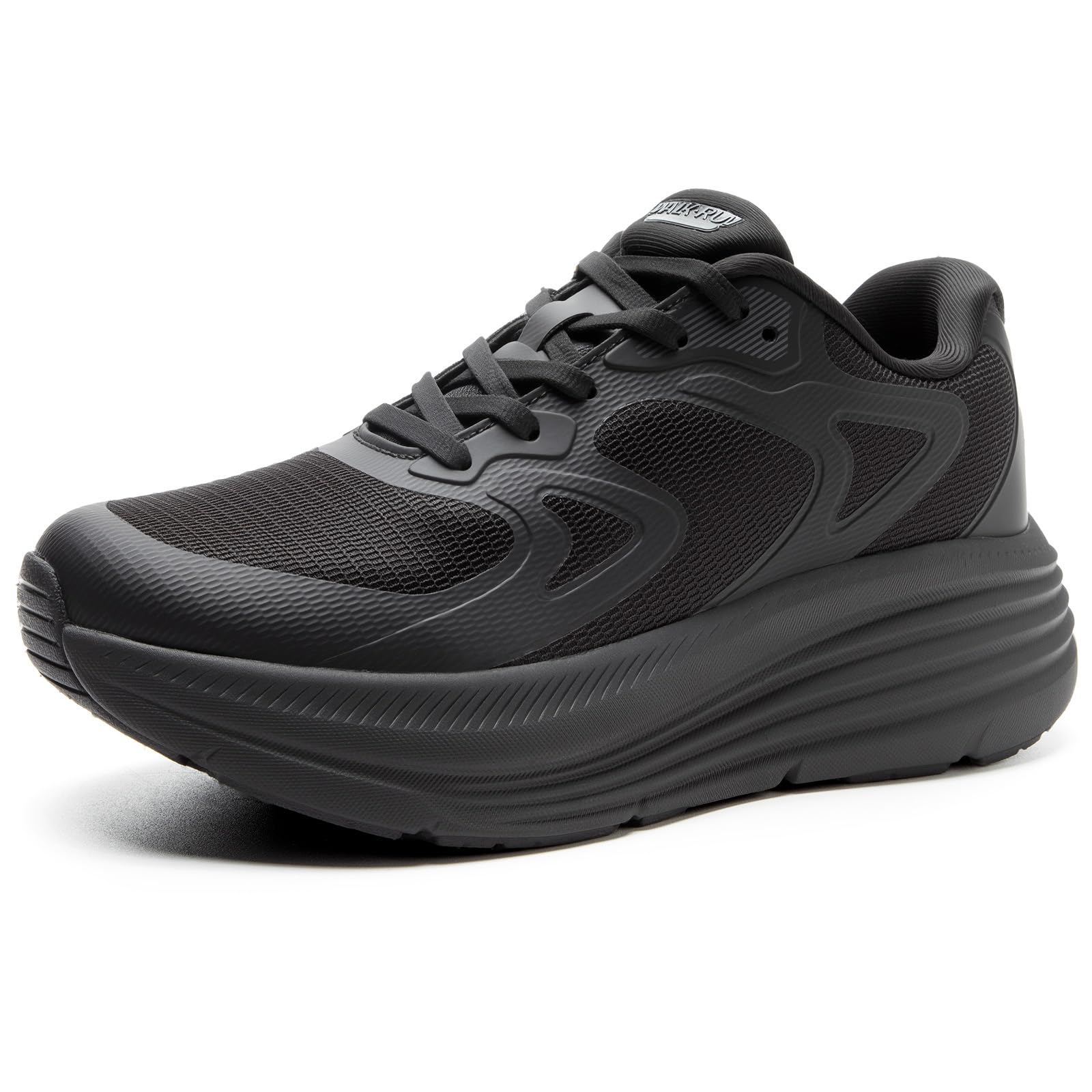
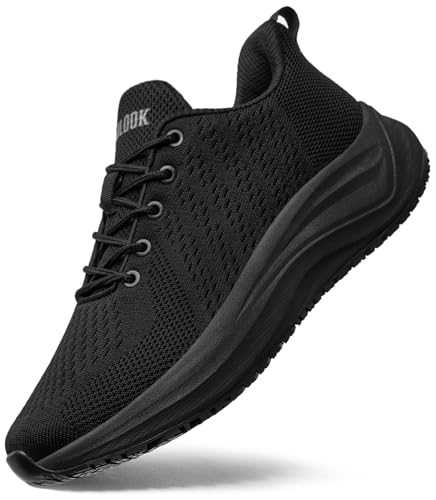
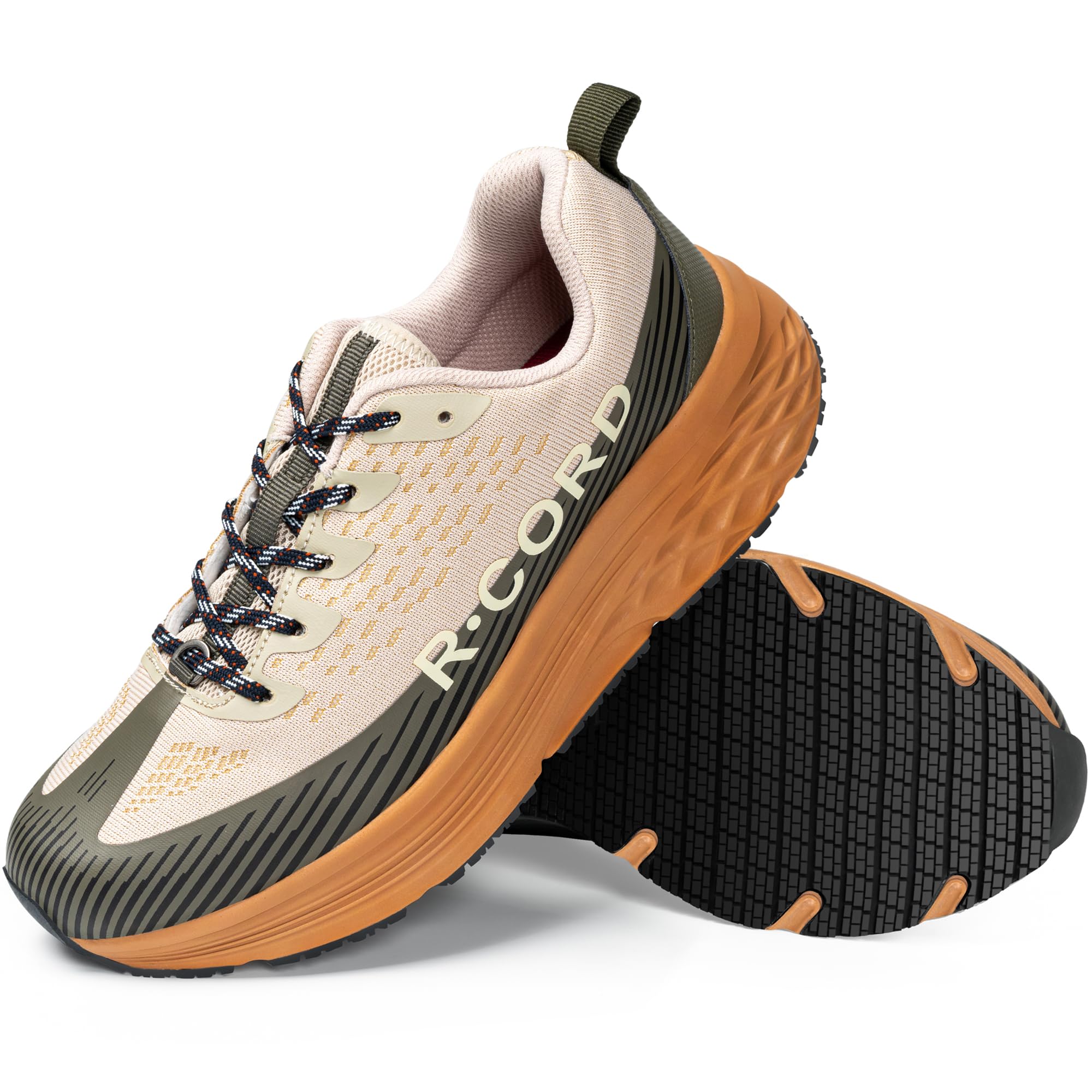
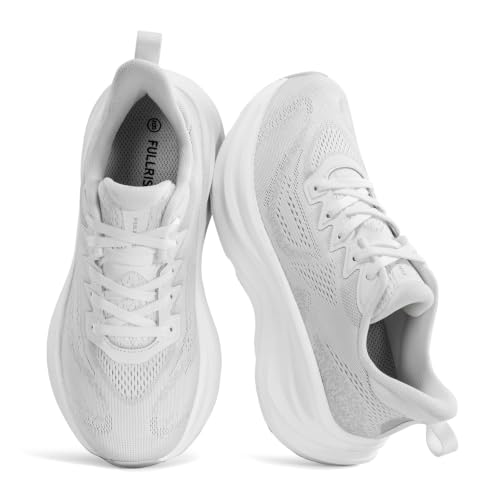
Start with the comparison table below to see how models in each tier differ on weight, cushioning, and fit. Then use the tier breakdowns that follow to decide which level deserves your money before you order.



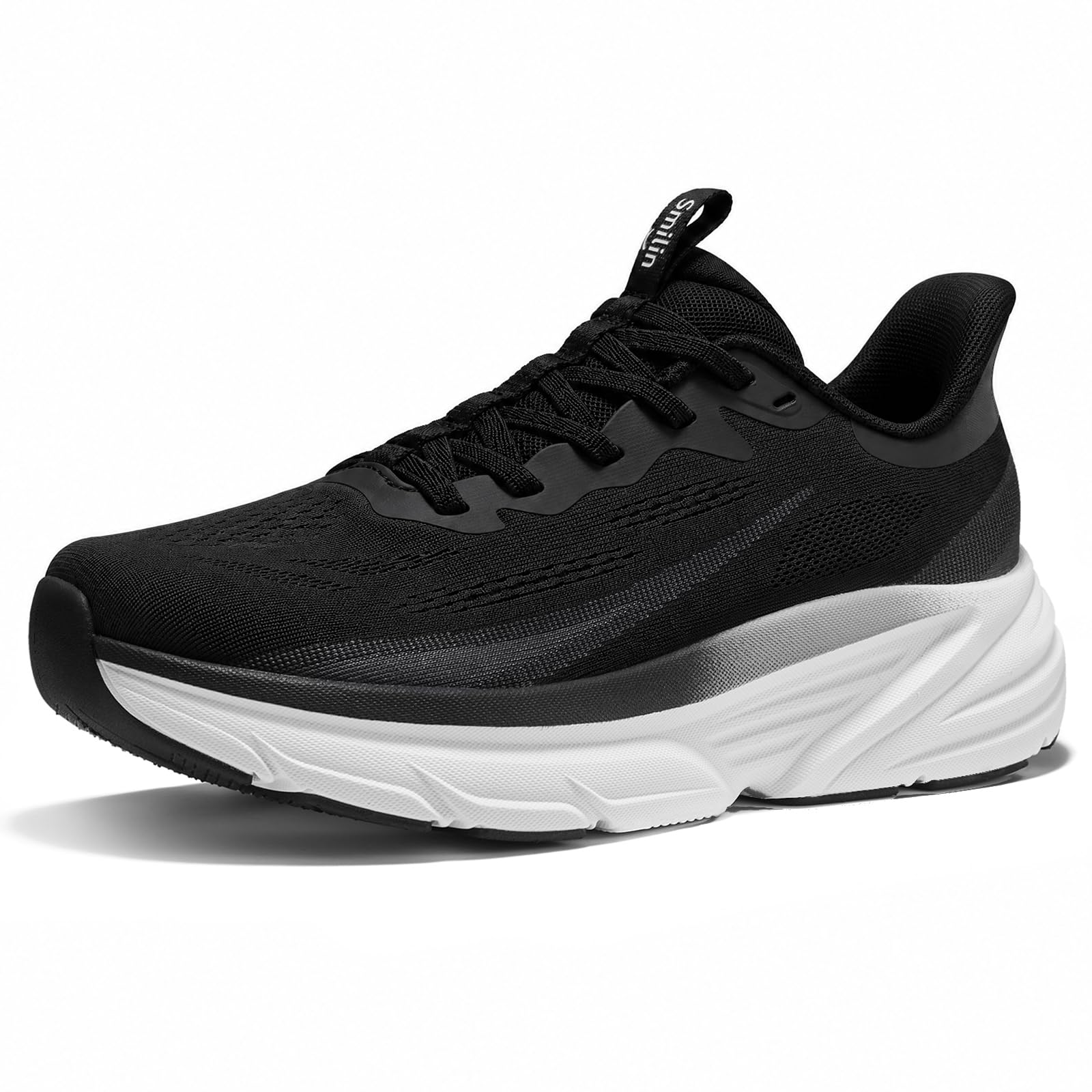
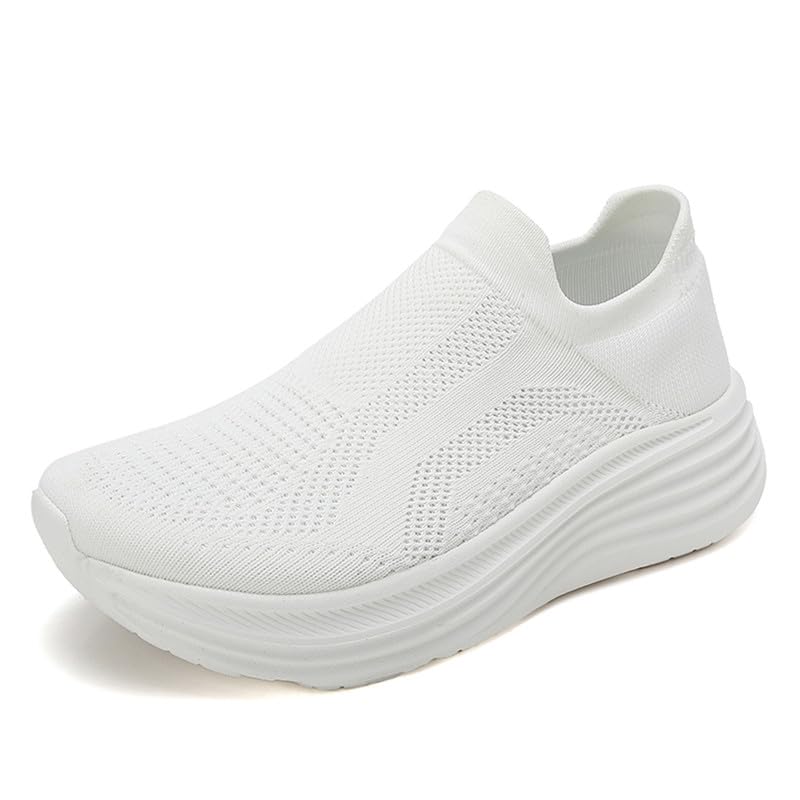
What to Look for at Each Budget Level
Budget Tier Criteria
Around $40 to $80, expect a simple foam midsole, a basic fabric or synthetic upper, and a flat rubber outsole. That can be enough for shorter shifts, lighter body weight, or a second pair kept at work. Check that the insole is removable, because adding a better insole later is the cheapest upgrade at this level. Skip pairs with glued on decorative trim and very thin soles, since both tend to fail early on hard floors.
Midrange Tier Criteria
Around $80 to $140, you should get denser cushioning foam, a shaped footbed with real arch contour, and a wider choice of widths. This is the tier where fit options expand, so look for wide and narrow versions instead of sizing up to gain toe room. Uppers often move to engineered mesh or leather, and outsoles gain deeper tread. For most full time standing jobs, this tier gives the best balance of comfort life and price.
Premium Tier Criteria
Above about $140, you pay for longer lasting cushioning compounds, leather or technical uppers, and stability features built into the midsole rather than added on top. Premium pairs also tend to hold their shape longer, so the cost per month of use can rival cheaper shoes. Demand a generous return window at this price, because fit still decides comfort more than any foam formula. If a premium pair fits poorly, a midrange pair that fits well will feel better by midday.
What Your Money Gets You at Each Price Tier
Budget Tier: What to Expect
Budget shoes usually feel soft on day one, but the foam compresses faster, often within a few months of daily standing. Breathability is basic, tread is shallow, and arch support is mostly a flat foam pad. They suit part time shifts, carpeted floors, and buyers who want to test the category before spending more. Plan on replacing them sooner, and rotate them with another pair if you can, since a rest day helps foam recover some loft.
Midrange Tier: The Sweet Spot for Most Buyers
Midrange shoes add cushioning that stays resilient longer, plus shaped support under the arch and a firmer heel counter that keeps your foot centered. You also get better outsole rubber that grips wet tile and sealed concrete with more confidence. Most buyers who stand eight to ten hours land here and stay here. If your job also involves lots of walking, this tier is where you will find lighter builds that still protect your joints.
For jobs with strict slip and spill demands, compare your shortlist with the guidance in our article on best anti fatigue work shoes, which focuses on workplace rules and protective features.
Premium Tier: When Spending More Pays Off
Premium pricing pays off when you stand on concrete for long shifts, carry extra body weight, or have feet that need structured stability all day. The gains are durability, support that does not fade by lunch, and materials that resist odor and moisture better. It pays off less for occasional use or soft floors, where midrange cushioning already solves the problem. Think of premium as buying comfort that lasts twelve months or more, not comfort that feels twice as soft on day one.
Features Worth Paying For (and Ones to Skip)
Fit, Sizing, and Toe Box
Fit is worth every dollar, because even the best cushioning cannot fix a shoe that pinches or slides. Measure your feet in the afternoon, when they are slightly swollen from standing, and match the longer foot. A roomy toe box lets your toes spread under load, which reduces forefoot soreness and numbness. If you are between sizes, choose the size that leaves a thumb width of space in front of your longest toe while the heel stays put.
Upper Materials and Breathability
Mesh uppers breathe best and suit warm kitchens, warehouses, and summer shifts, but they offer less spill protection and support. Leather costs more, resists liquids, and molds to your foot over time, though it runs warmer and needs occasional conditioning. Knit uppers feel soft and light, yet they can stretch and let the foot roll on uneven floors. Pay for breathable linings if your feet sweat heavily, and skip fashion finishes that add weight without adding airflow or protection.
Cushioning and Support
Cushioning should absorb impact without feeling unstable, so look for a midsole that is thick under the heel and slightly firmer at the edges. Heel to toe drop, the height difference between heel and forefoot, affects calf and Achilles load, and a moderate drop suits most standing work. Very soft foam can feel great in the store and tiring by hour six, because your muscles work harder to balance. A gentle rocker shape can help if you walk a lot during your shift.
Arch Support and Foot Type
Flat feet usually need gentle structure that guides the arch without pushing hard into it, while high arches need cushioning that fills the space under the midfoot. If you overpronate, meaning your ankles roll inward, a firmer medial post or a stable heel counter helps more than extra softness. Removable insoles matter here, because they let you use your own orthotics. Stop and talk with a clinician if you have ongoing foot pain, numbness, or a condition such as diabetes that affects foot sensation.
Weight and Flexibility
Light shoes reduce leg fatigue over thousands of steps, but the lightest models often trade away outsole thickness and protection. A shoe should flex at the ball of the foot, not fold in the middle, which is a quick store test you can do with your hands. Heavy boots make sense on rough or wet sites, while lighter shoes win on smooth indoor floors. At home, many people pair their work pair with best anti fatigue slippers so feet keep some support during evening chores instead of going straight to flat house shoes.
Long Term Costs to Factor In
The purchase price is only part of the cost. Add replacement insoles every six to twelve months, socks with real cushioning, and the eventual replacement pair when the midsole packs down. A midrange pair that lasts a year often costs less per month than a budget pair replaced three times. Check the warranty and return policy before you buy, since a long trial period protects you if the fit fails after a week of shifts. Standing on a mat helps too, and our guide to best anti fatigue floor mats explains how mats and shoes share the work of easing leg fatigue.
Grip is a long term cost as well, because worn smooth soles raise your fall risk on wet floors. If your workplace floors are often slick, study the tread advice in our article on best anti slip shoes before you settle on a pair with a shallow outsole.
Frequently Asked Questions
Do I need waterproof shoes?
You need waterproof shoes only if you regularly work around spills, washdowns, or wet outdoor routes. Waterproof membranes and options such as Gore Tex keep water out but trap more heat, so indoor workers on dry floors usually breathe easier in plain mesh. If you face occasional splashes, a leather upper with a water resistant spray often gives enough protection without the extra warmth or cost.
How long is the break in period?
Most foam based shoes feel right within two or three shifts, while leather uppers and firm support can take one to two weeks. Wear a new pair for a few hours at a time first, and keep your old pair handy in case hot spots appear. Pain that sharpens, numbness, or blisters that keep returning are not normal break in signs. Those are fit problems, so exchange the size or style instead of pushing through.
How often should I replace my anti fatigue shoes?
Replace them when the cushioning feels flat, the tread looks smooth, or new aches appear that fade on your days off. For daily standing work that is often every six to twelve months, sooner for budget foam and later for premium compounds. A useful test is pressing your thumb into the heel foam. If it feels hard and does not spring back, the midsole has given most of what it had.
Are expensive anti fatigue shoes worth it?
They are worth it when you stand long hours on hard floors and cheaper pairs have worn out fast for you. The extra money buys slower wearing foam, better support geometry, and stronger uppers, not magic comfort. If you stand only a few hours a day, midrange shoes plus a good insole usually deliver the same relief for less. Spend first on fit and tier, and only then on premium extras.
Can I wear them all day?
Yes, you can wear them all day, and that is what they are built for, but your feet still benefit from small changes in load. Sit during breaks, shift your weight, and stretch your calves when you can. Some people rotate two pairs on alternate days so each midsole recovers. If one pair must do every shift, choose the tier with the most durable foam you can afford, since all day use compresses cushioning faster than occasional wear.
Wrapping Up
Decide your tier first, then insist on a roomy toe box, resilient cushioning, and an outsole that matches your floor. Midrange suits most buyers, budget works for lighter use, and premium earns its price on long concrete shifts. Compare your finalists in the product table above, and choose the best anti fatigue shoes that fit your feet and your workday, not just your wallet.


