
Best Anti Slip Shoes 2026: A Safety Buying Guide
Disclosure: We may earn a commission when you buy through links on this page, at no extra cost to you. As an Amazon Associate I earn from qualifying purchases. Learn more

Learn how to choose anti slip shoes for wet floors, kitchens and workplaces, with clear checks for outsoles, fit, comfort and slip resistance ratings.
Good best anti slip shoes protect you on wet tiles, greasy kitchen floors, and rainy pavements, but not every shoe with a grippy looking sole actually grips. Outsole rubber, tread pattern, and fit work together, and a shoe that slips in your workplace is worse than no special shoe at all. This guide explains how to judge grip honestly before you buy.
Think about the surfaces you walk on most, because kitchen grease, wet tiles, and outdoor rain each challenge grip differently. The product table above compares the main types side by side, and the sections below cover who each type suits, which outsole features matter, and how to keep grip working over time.

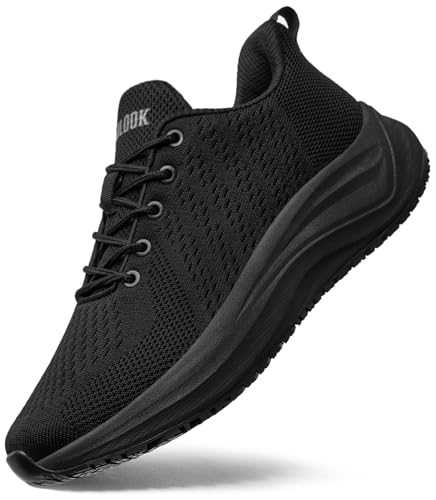

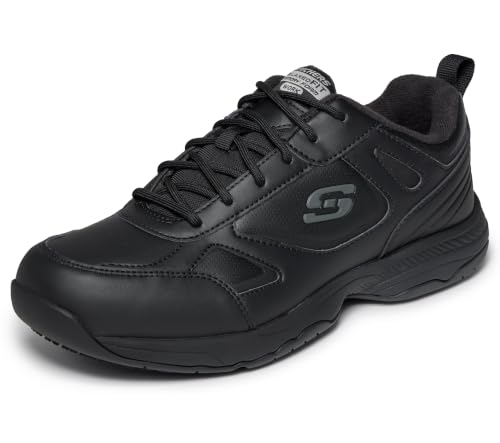


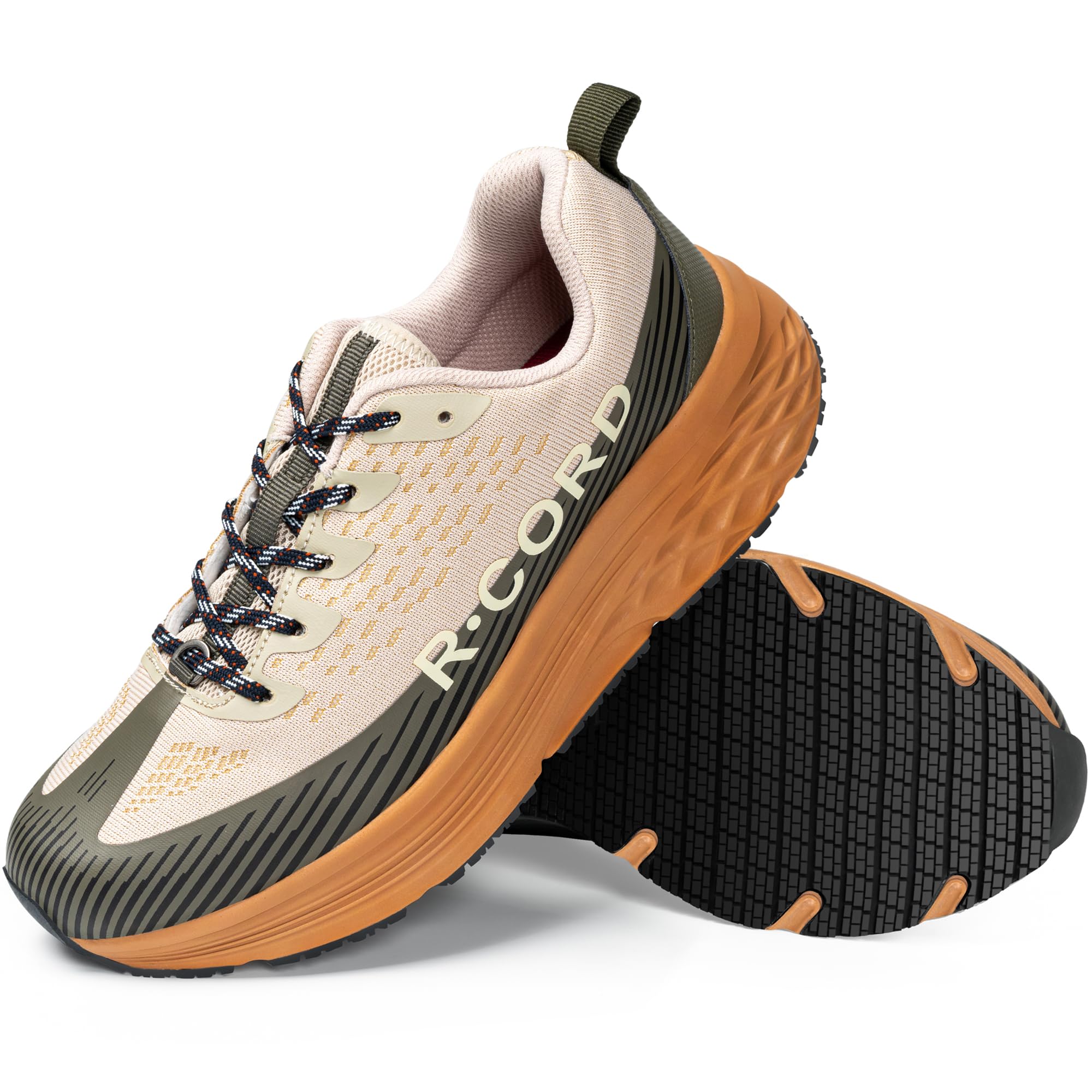

Who Should Buy Which Type
For Kitchen and Food Workers
Kitchen workers need shoes that grip on wet and greasy floors, resist spills, and stay comfortable through long shifts. A closed toe and water resistant upper protect feet, while a cushioned insole reduces fatigue. Check that the outsole is rated for oily surfaces, because a shoe that grips on water alone may slide on grease.
For Healthcare and Care Workers
Healthcare workers walk on polished floors that become slick after mopping, and they need quiet, supportive shoes that handle long shifts. Light weight and easy cleaning matter, because spills and fluids are common. A slip resistant outsole with good arch support helps prevent both slips and foot fatigue.
For Outdoor and Wet Weather Use
Outdoor users need grip on wet pavements, mud, and icy patches, plus water resistance for rain. Deeper tread channels water away, while softer rubber grips better on smooth wet surfaces. Remember that no shoe grips well on ice without dedicated winter traction, so choose winter specific soles for icy conditions.
Key Features Explained in Plain English
Outsole Rubber and Tread Pattern
Outsole rubber hardness affects grip: softer rubber grips smooth wet floors better but wears faster, while harder rubber lasts longer but can slide on wet tiles. Tread pattern matters too, because channels carry water away from the contact area. Look for varied lug shapes and sipes, which are small cuts that add edges for grip.
Slip Resistance Ratings Explained
Slip resistance tests rate shoes on wet and oily surfaces, and the rating should match your workplace. A rating for water alone does not prove grip on grease, so check which surfaces were tested. Treat ratings as a guide rather than a guarantee, because worn soles, floor finish, and contaminants change real grip.
Fit, Support and All Day Comfort
A shoe that fits poorly will slip on your foot even if the sole grips the floor. Heel fit should be snug without pinching, and the toe box should let toes spread naturally. Arch support and cushioning reduce fatigue on long shifts, and a secure fastening beats a loose slip on design for active work.
Water Resistance and Breathability
Water resistant uppers keep feet dry in wet work, but they can trap heat on long shifts. Breathable mesh suits dry indoor work, while sealed uppers suit wet kitchens and outdoor rain. Balance the two by your workplace: wet floors need protection first, while dry indoor floors favor breathability.
How to Compare Options and Set a Budget
Budget tiers are practical. Everyday models at about $40 to $90 suit light indoor use and shorter shifts. Work focused models at about $90 to $160 add better outsoles, support, and durability for daily professional use. Above that range you pay for premium comfort, specialized ratings, and longer wear, so check replacement timing before paying more.
Compare options by your main surface, your shift length, and your workplace rating needs. A shoe that grips your actual floor, fits well, and stays comfortable for a full shift beats a cheaper shoe that slides or aches. Try shoes at the end of a day when feet are slightly swollen, for a truer fit.
Related guides can help you narrow the choice further: see our guides to best anti slip slippers for indoor wear, best anti slip sandals for warm weather, and best anti slip winter boots for cold, wet ground.
Care, Safety and Common Mistakes
Clean outsoles regularly, because grease and grit fill tread channels and reduce grip. Remove stuck debris with a brush, wash as directed, and let shoes dry away from direct heat. Replace shoes when tread wears smooth, because a worn slip resistant sole no longer grips, however good it was when new.
A common mistake is judging grip by looks alone, since a chunky tread can still slide on grease. Another is wearing anti slip shoes beyond their tread life, which creates false confidence. Check tread depth monthly in heavy use, and keep a spare pair for wet days so shoes dry fully between shifts.
A Final Check Before You Buy
Before you buy, identify the exact surfaces you walk on most, because grip needs differ between wet tiles, greasy kitchen floors, and outdoor pavements. A shoe rated for water alone may slide on grease, so match the rating to your workplace. If you work on several surfaces, choose a shoe rated for the most challenging one.
Try shoes late in the day when feet are slightly larger, and walk on a hard floor for several minutes. Heel fit should feel secure without pinching, and toes should not press the front on downhill steps. A shoe that feels fine sitting down can ache badly after a full shift, so test standing and walking, not just sitting.
Check workplace requirements before buying, because some employers specify ratings, toe protection, or color. A shoe that meets your personal taste but fails a workplace standard wastes money and may bar you from shifts. Confirm the standard code and test surface with your employer if you are unsure.
Plan for replacement timing and cost. Anti slip soles wear with use, and a worn sole gives false confidence on wet floors. Budget for replacement every 6 to 12 months in heavy daily use, and inspect tread monthly so you replace shoes before grip fails rather than after a slip.
Finally, consider socks and insoles as part of the system. Moisture wicking socks reduce blister risk on long shifts, while supportive insoles improve comfort if the stock insole flattens. Replace insoles when they compress, and keep shoes dry between shifts so materials and grip last longer.
Frequently Asked Questions
What makes a shoe truly anti slip?
True grip comes from outsole rubber, tread design, and a rating tested on your surface type. Soft rubber and channeled tread grip wet floors better, while oily surfaces need a specific rating. Fit also matters, because a loose shoe slides on your foot even when the sole grips.
Do anti slip shoes work on greasy floors?
Only shoes rated for oily surfaces grip reliably on grease, because water rated soles can slide on oil. Check the test standard for oil resistance before buying for kitchen work. Clean soles often, because grease build up reduces grip even on rated shoes.
How long do anti slip soles last?
Sole life depends on surface, hours, and body weight, but heavy daily use often wears tread within 6 to 12 months. Check tread depth and grip monthly, and replace shoes when lugs smooth out. Worn soles give false confidence, so do not wait for a slip to replace them.
Are anti slip shoes comfortable for long shifts?
Many work models add cushioning and arch support for long shifts, but comfort varies by fit and foot shape. Try shoes late in the day, walk on hard floors, and check heel and toe fit carefully. Replace insoles when they flatten, because worn cushioning increases fatigue.
Can I wear anti slip shoes outdoors?
Yes, many models grip wet pavements well, but deep tread and water resistance matter outdoors. For ice, choose winter specific traction, because standard anti slip soles do not grip ice reliably. Match the sole to your main surface rather than buying one shoe for every condition.
Final Thoughts
Judge grip by rating and tread, fit by a full day wear test, and comfort by your shift length. Those checks lead to shoes that protect you shift after shift. On that basis, best anti slip shoes becomes a workplace safety decision, not a fashion choice, and the product table above is a useful final check.


