Best Anti Slip Slippers: Everything to Know Before Your First Purchase for 2026
Disclosure: We may earn a commission when you buy through links on this page, at no extra cost to you. As an Amazon Associate I earn from qualifying purchases. Learn more

Learn how to choose the best anti slip slippers with this first time buyer guide to fit, traction, support, and care, plus a simple checklist.
Buying house footwear sounds simple until you stand on a wet bathroom tile in socks and feel your foot slide. That small scare is why best anti slip slippers is such a common search for first time buyers. You want warmth and softness, but you also want grip you can trust on wood, tile, and laminate floors.
This guide starts with the basics and then walks through fit, support, and traction in plain language. Use the comparison table below to see how styles differ at a glance, then read the sections that match your floors and your feet. By the end you will have a short checklist you can use in any store or product listing.

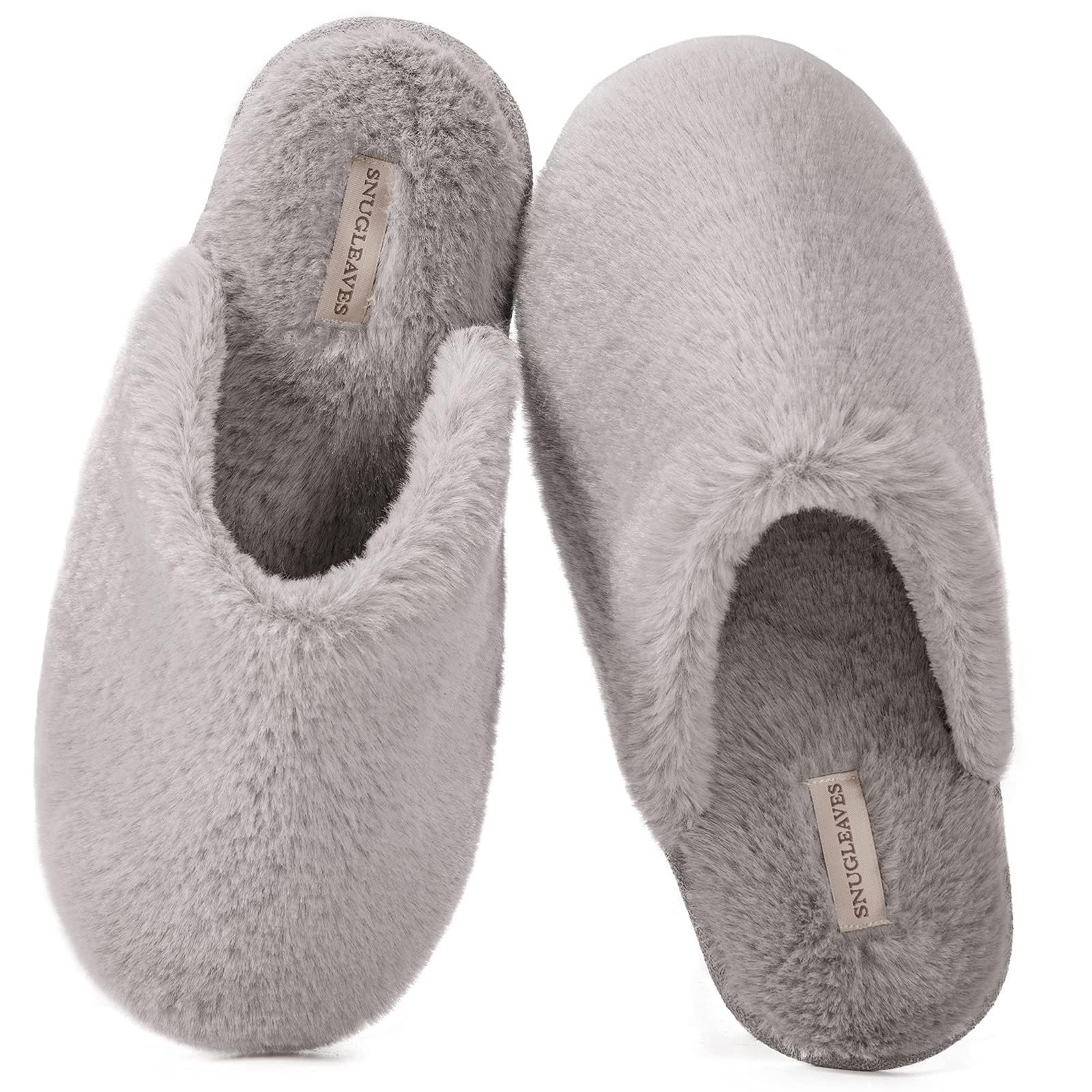
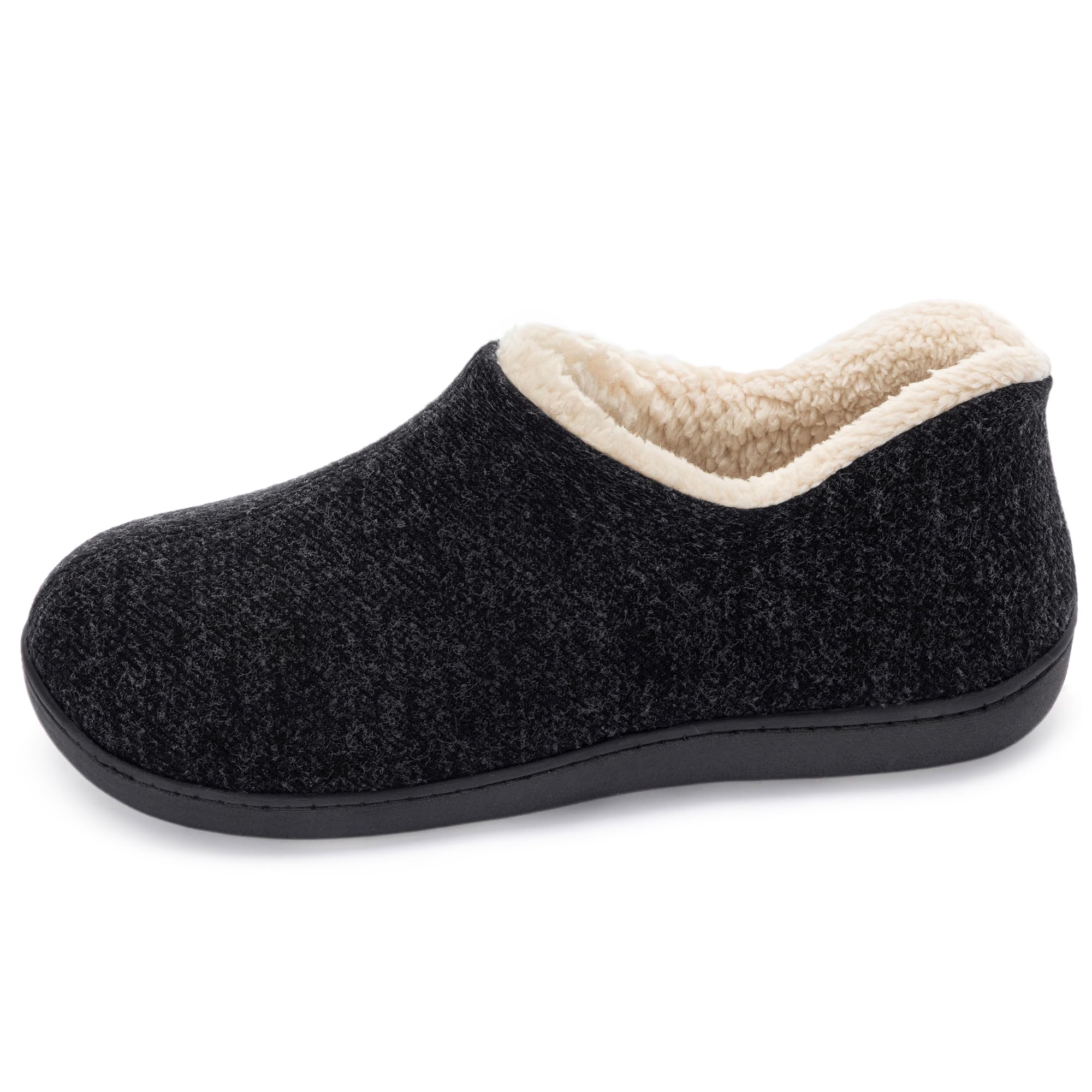
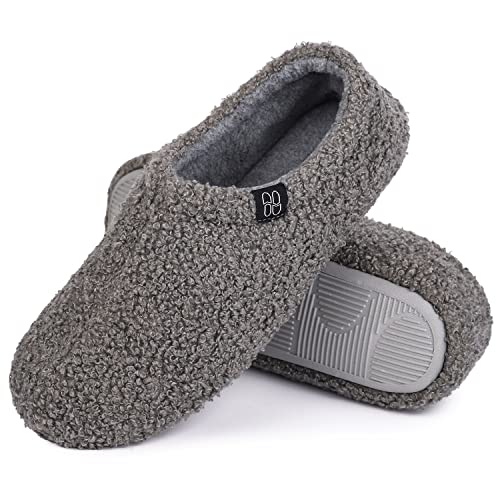
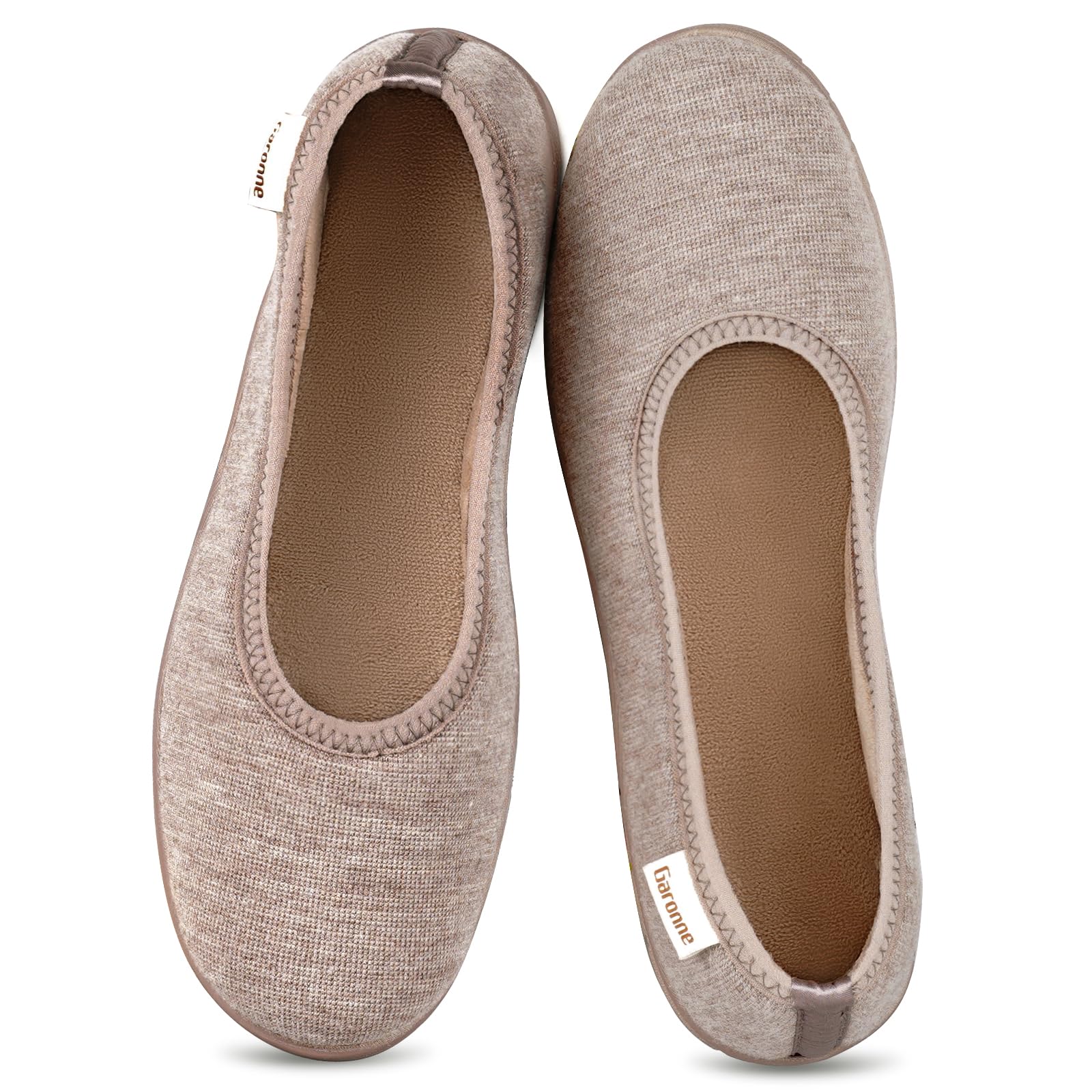


Anti Slip Slippers 101: The Basics
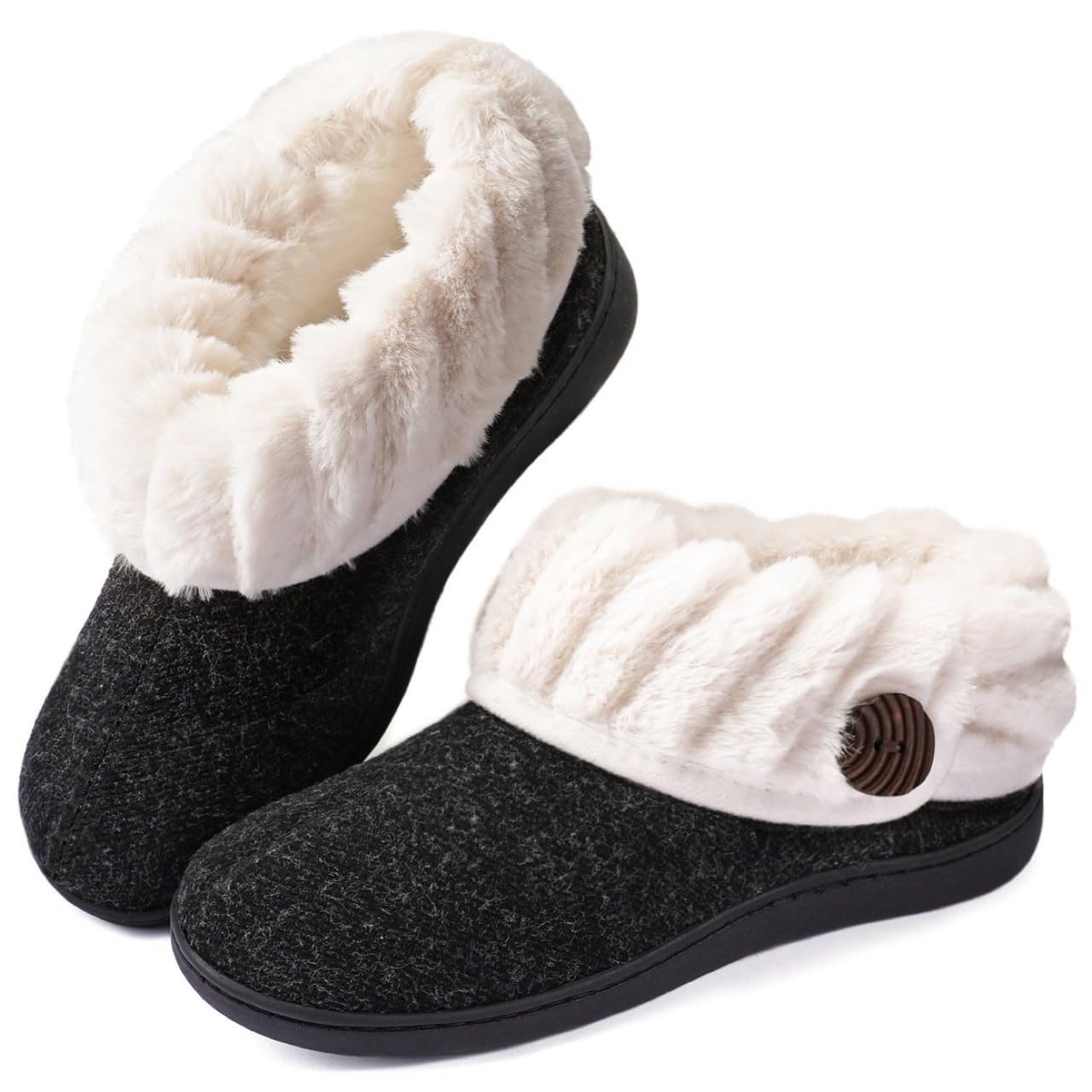
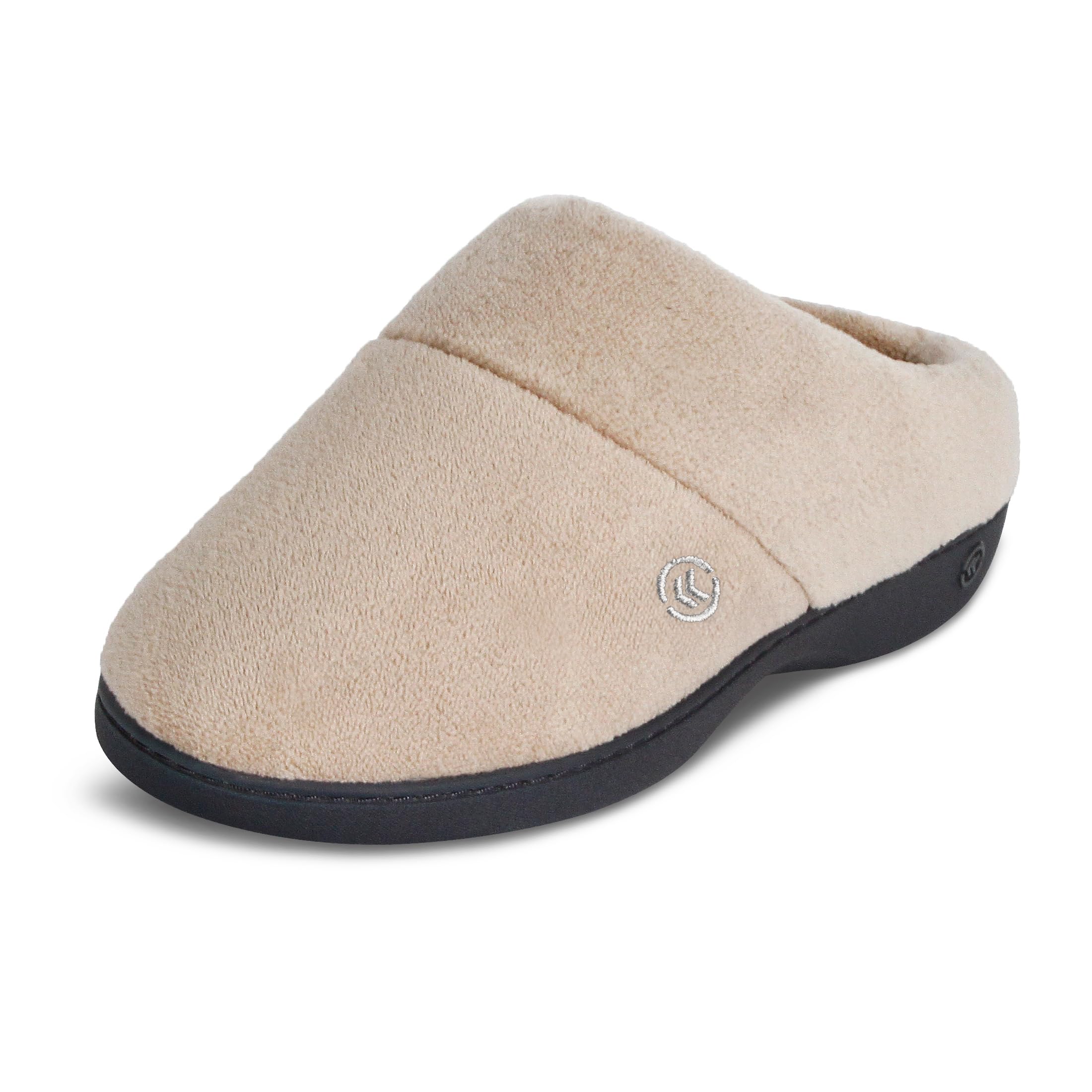
An anti slip slipper is a house shoe built to grip smooth indoor floors instead of sliding on them. The key part is the outsole, the bottom layer that touches the floor. A good outsole uses rubber or a rubber like compound with a patterned tread, so the edges of the pattern bite into the surface and channel away a thin film of water.
The upper is the part that covers your foot, and it can be open at the heel, closed at the heel, or shaped like a low shoe. A closed heel usually feels more secure because your foot cannot slide backward as you walk. If you are shopping for an older parent or grandparent, see our guide to the best anti slip slippers for elderly for extra notes on balance and easy entry.
Two terms help you read any listing. Traction describes how well the outsole grips, while stability describes how well the shoe holds your foot in place so it does not roll. You need both, because a grippy sole cannot help much if your foot slides around inside a loose slipper.
Key Specs Explained in Plain English
Fit, Sizing, and Toe Box
Measure your feet late in the day, when they are at their largest, and measure while standing rather than sitting. You want about a thumb width of space in front of your longest toe, enough room to wiggle your toes, and a heel that stays put when you walk. The toe box is the front pocket for your toes, and a wider box helps if your feet swell in the evening or if you wear thick socks. If you fall between sizes, most first time buyers do better sizing up in closed styles and checking the return policy before ordering.
Break In Period and Comfort Out of the Box
Most soft slippers feel good right away and need little break in time, often just a few evenings of short wear around the house. Foam cushioning may feel tall or spongy on day one and then settle slightly as it molds to your foot. Stiffer soles and leather uppers can take a week or more of gradual wear. Wear a new pair on dry floors first and for short periods, so you can confirm the fit before the return window closes. Sharp rubbing, heel lift with every step, or toes pressing the front are fit problems, not break in problems, and they are reasons to exchange the size.
Arch Support and Foot Type
Arch support is the shaped support under the middle of your foot, and it matters more if you stand on hard floors for long stretches. Flat feet often feel better with gentle, firm support that limits rolling inward, while high arches often prefer cushioning that fills the gap under the arch. If your ankles roll inward a lot when you walk, look for a firmer heel cup and a sole that does not twist easily in your hands. People with ongoing foot pain, diabetes, or circulation problems should ask a clinician or podiatrist before choosing support levels, because the wrong shape can create new pressure points.
Cushioning and Support
Cushioning is the padding that softens each step, and more is not always better. Very thick, soft foam can feel plush on carpet but unstable on tile, because your foot sinks and tilts as you turn. A medium density foam or a layered sole usually gives a calmer, more predictable feel on hard floors. Heel to toe drop is the height difference between the heel and the front of the sole. A small drop feels natural for most people, while a flat sole can strain calves if you are used to raised heels, so change gradually if you switch styles.
Outsole Traction and Terrain
Look for a full rubber outsole rather than a fabric bottom with a few rubber dots, because dots wear smooth quickly and grip less area. Deeper tread patterns with many edges grip better on wet tile, while fine patterns suit dry wood floors and collect less dust. For bathroom and kitchen use, our guide to the best anti slip bathroom slippers explains why drainage and quick drying matter alongside grip. If you also need grip outside the house, compare the traits in our guide to the best anti slip shoes, since outdoor soles are built for rougher ground.
Weight and Flexibility
A lighter slipper tires your legs less and is easier to pack, but very light foam soles can wear down fast on abrasive floors. A slightly heavier rubber sole usually lasts longer and grips better, which is a fair trade for daily home use. The sole should bend at the ball of the foot, where your foot naturally bends, and it should resist twisting through the middle. If the whole sole folds like a towel, it will offer little support on stairs. Try a short walk and a gentle turn on a smooth floor to feel whether the pair stays planted.
Rookie Mistakes to Avoid
- Buying by softness alone: the plushest pair in the store can be the least stable on tile, so always check the outsole material and tread first.
- Ignoring the heel: open heel styles are easy to step into, but a closed heel or a heel strap holds the foot far more securely on stairs.
- Keeping worn soles too long: once the tread looks smooth or shiny, grip drops sharply even if the upper still looks fine.
- Guessing your size: sizes vary a lot between brands, so measure your foot in inches or centimeters and compare with the brand size chart.
- Wearing slippers outdoors daily: grit and pavement wear indoor tread quickly, and a wet outdoor sole tracks water inside.
Getting Started: Setup and First Use
When your pair arrives, inspect the tread, try both slippers on with the socks you plan to wear, and walk on your slickest floor with a hand near a counter for balance. Check that you can step into them without using your hands if easy entry matters to you, since our guide to the best slip on slippers shows how entry style changes daily convenience. Keep the packaging until you have worn them for a few evenings indoors.
For care, shake out dust, wipe the outsole with a damp cloth when grip feels reduced, and air dry wet slippers away from direct heat so the foam and glue do not break down. Dirt packed into the tread is a common hidden cause of slipping, and a quick brush restores a surprising amount of grip. You may also see the same styles described in our guide to the best non slip slippers, since sellers use the two terms for the same idea.
FAQs
How should anti slip slippers fit?
They should fit snugly at the heel and midfoot with room to wiggle your toes. Your longest toe should not press the front, and your heel should not lift out with each step. If you wear thick socks in winter, try the pair on with those socks. A fit that feels perfect in thin summer socks can feel tight and unstable once you add a warm layer.
Are expensive anti slip slippers worth it?
They can be worth it when the extra cost buys a full rubber outsole, replaceable insoles, and stronger stitching. Price alone does not guarantee better grip, so compare sole material and tread depth before you compare price tags. Budget pairs around $25 to $50 often grip well when new. Higher priced pairs mainly earn their keep through durability and support that lasts beyond the first season.
Can I wear them all day?
You can wear supportive slippers for most of the day at home, but rotate your footwear if your feet tire. Long hours on hard floors call for real arch support and a firm heel cup, not just soft foam. Stand up and walk briefly each hour if you work at a desk. If your feet ache more in slippers than in supportive shoes, that is a sign the pair lacks the structure you need.
How long is the break in period?
Most foam and fabric slippers need only two to four evenings of light wear to feel settled. Leather and stiff soled styles can take one to two weeks of short daily sessions. Never push through blisters or sharp pain to break a pair in, because pain at the heel or toes usually means the size or shape is wrong. Short wear also protects your return option if the fit is not right.
Do I need waterproof shoes?
You need water resistance only if your slippers will regularly meet wet floors, splashes, or trips outside to a porch or mailbox. A rubber outsole already handles damp tile well, while a waterproof upper helps in laundry rooms and bathrooms. Fully waterproof styles breathe less and can feel warm in summer. For most dry living areas, a grippy sole and a washable upper matter more than a waterproof membrane.
How often should I replace my anti slip slippers?
Replace them when the tread looks smooth, the foam stays compressed, or the heel starts to lean to one side. For daily wear that is often every 8 to 14 months, sooner if you walk on tile and wood all day. A simple test helps: if the sole slides easily when you drag it across a wet smooth floor by hand, it is time. Grip is a safety feature, so do not stretch a worn pair.
Wrapping Up
Start with the outsole, confirm a secure heel and a roomy toe box, and then choose cushioning that feels steady rather than wobbly. Those three checks will steer you past most first purchase regrets. Compare your finalists in the product table above, and pick the best anti slip slippers style that matches your floors, your socks, and how often you climb stairs at home.