
Best Anti Odor Slippers by Budget: Smart Picks for 2026
Disclosure: We may earn a commission when you buy through links on this page, at no extra cost to you. As an Amazon Associate I earn from qualifying purchases. Learn more

Learn how to choose the best anti odor slippers by budget, with checks for materials, fit, traction, and care that keep feet fresh for longer.
Prices for house slippers range from a few dollars at a discount store to well over one hundred dollars for premium materials, and the gap can be confusing. Spending more does not always mean fresher feet, because odor control depends on airflow, moisture handling, and how easy a pair is to clean. This guide to the best anti odor slippers sorts the market by budget so you can see what each price level really delivers. Use the comparison table below to check sizes and styles, then read on for the features that matter most.
Odor starts when sweat stays trapped against the foot in a warm, closed space. Materials that breathe, footbeds that dry quickly, and linings you can wash all slow that process down. The sections below explain which of those traits show up at each budget level and which upgrades you can safely skip.


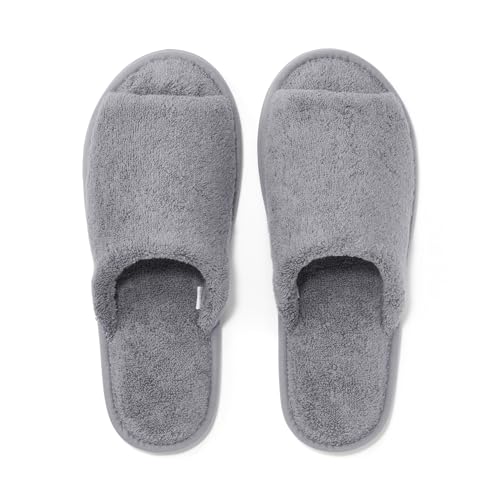


Budget Levels Compared: What Each Tier Should Deliver
Instead of chasing a single famous name, judge each price level against a short checklist. A pair earns its price when it combines a breathable upper, a footbed that resists moisture, and construction that survives regular washing. If a costly pair lacks those basics, a simpler pair will smell fresher in daily use.
Budget Tier Checklist
At the budget level, around $15 to $30, expect a simple slip on shape with a synthetic or cotton blend upper and a basic foam footbed. Odor control at this price usually means an open or partly open design that lets air move, plus a footbed you can remove and rinse. Check that seams feel smooth and that the sole has real tread rather than a flat fabric bottom. These pairs suit occasional evening wear and guest use. Plan on replacing them sooner, since thin foam compresses and holds moisture once it loses its loft.
Midrange Tier Checklist
Midrange pairs, around $30 to $60, should add at least two meaningful upgrades. Look for a washable build or a removable insole you can wash on its own, a more breathable knit or mesh panel, and a rubber outsole with grip for kitchen and bathroom floors. Cushioning should feel supportive rather than mushy, and the heel should stay in place as you walk. For most buyers this tier offers the best balance, because the cleaning and airflow features that fight odor are present without paying for luxury materials.
Premium Tier Checklist
Premium pairs, around $60 to $120, earn their price through materials and durability rather than through marketing claims. Natural wool uppers manage moisture well and resist odor between washes, and firm molded footbeds keep their shape for years. Stitching should be even, the outsole should be thick rubber, and replacement insoles should be available. This tier suits people who wear slippers for many hours daily and want one durable pair instead of several short lived ones. Skip premium pricing when the only upgrade is a logo or a decorative trim.
What Your Money Gets You at Each Price Tier
Knowing the typical trade offs at each level helps you set a firm budget before you shop. The tiers below describe what is realistic to expect, so a listing that promises premium traits at a budget price deserves extra scrutiny of its materials and care instructions.
Budget Tier: What to Expect
Budget pairs keep costs down with simple patterns and thin soles. You gain easy replacement and low risk if sizing runs oddly, but you give up arch support, strong traction, and long lasting odor control. Treat them as a short term solution for light indoor use. If your feet sweat heavily or you wear slippers all day at home, this tier will likely disappoint within a few months as the footbed starts to hold smells even after washing.
Midrange Tier: The Sweet Spot for Most Buyers
Midrange pairs add the features that change daily comfort. A contoured footbed supports the arch, a rubber outsole grips tile and wood, and washable linings let you reset freshness weekly. Materials such as engineered knit and terry cotton dry faster than thick synthetic fleece. Most households find this level lasts one to two years of regular wear. It is also the level where extra pairs for rotation become affordable, and rotation itself is one of the simplest odor controls available.
Premium Tier: When Spending More Pays Off
Spending more pays off when the upgrades match your habits. Wool and leather manage moisture across long wear sessions, and dense cork or molded foam footbeds resist the compression that traps sweat in cheap foam. Premium pairs also tend to offer wider size ranges and half sizes, which improves fit and airflow. The payoff is weak if you only wear slippers for an hour each evening. In that case midrange quality, washed often and rotated, will stay fresher than one expensive pair worn without rest.
Features Worth Paying For (and Ones to Skip)
Some features directly affect freshness, while others only affect looks. Spend on airflow, washability, and fit first. Decorative bows, novelty shapes, and thick plush piles usually add warmth without adding odor control, and plush piles often trap moisture against the skin.
Fit, Sizing, and Toe Box
Measure your feet in the afternoon, when they are at their largest, and compare the length with the size chart for the exact style. A roomy toe box lets toes spread and air circulate, which reduces the damp warmth where odor builds. Your heel should lift only slightly as you walk. If you fall between sizes, choose based on the maker guidance for that style, and wear the socks you plan to use at home when judging fit.
Fit also affects safety on hard floors. A loose heel can slide on tile, so if grip matters as much as freshness, see our guide to the best anti slip slippers for traction focused options. Households shopping for men will also find fit notes in our guide to the best men's slippers anti odor, since wider lasts change how much air reaches the foot.
Outsole Traction and Terrain
A rubber outsole with a patterned tread grips kitchen tile, bathroom floors, and smooth wood far better than a fabric or suede bottom. Deeper tread channels shed small spills and dust, while a thin flexible sole feels fine on carpet but can slip on wet floors. Consider where you walk most. Quick trips to a garage or porch call for a sealed rubber sole that wipes clean. Purely indoor pairs can use a lighter sole, but avoid slick foam bottoms if anyone in the home has balance concerns.
Upper Materials and Breathability
Breathable uppers are the core of odor control. Wool felt and wool knit absorb moisture and release it as they dry, and open knit cotton or mesh panels let heat escape. Leather breathes moderately and lasts well, though it needs slower drying after washing. Thick synthetic fleece feels cozy at first but holds sweat and dries slowly, so it suits cold rooms more than warm ones. Some outdoor style uppers use membranes similar to Gore Tex, which block water yet limit airflow, so they are rarely the freshest choice indoors.
Durability and Expected Lifespan
Judge durability by footbed density, outsole thickness, and whether the upper is stitched or only glued to the sole. Press the footbed with your thumb. It should push back rather than stay dented. Expect budget foam to flatten within months, midrange pairs to hold up for one to two years, and premium wool or cork builds to last longer with care. Rotating two pairs and letting each dry fully between wears extends the life of any tier and keeps odor from taking hold.
Long Term Costs to Factor In
The purchase price is only part of the cost. Replacement insoles, laundry, and eventual replacement all add up. A washable midrange pair that lasts two years often costs less per year than a budget pair replaced every few months. Wool pairs may need a specific gentle wash cycle and air drying time, so count the effort as well as the money. Factor in a second pair for rotation if you wear slippers daily, since rest days reduce odor and slow footbed compression. A clear warranty and available replacement insoles signal that a maker expects the pair to last, which lowers your long term cost.
Standing comfort matters too when slippers double as house shoes for chores. If you spend long stretches on hard kitchen floors, see our guide to the best anti fatigue slippers for cushioning focused advice. For an older relative who needs both freshness and a secure grip, our guide to the best anti slip slippers for elderly covers stable, easy to wear shapes.
Anti Odor Slippers: Your Questions Answered
Are expensive anti odor slippers worth it?
They are worth it only when the price buys better moisture handling and durability. Wool uppers, molded footbeds, and replaceable insoles justify a higher price for daily wearers. A costly pair with a thick synthetic lining and no wash option is not worth it, because trapped sweat will cause odor regardless of price. Compare cost per year of expected use rather than the sticker alone.
Do I need waterproof shoes?
No, most indoor wear does not call for waterproofing. A water resistant rubber outsole is enough for damp bathroom floors and small spills. Fully waterproof uppers trap heat and sweat, which works against odor control. Choose waterproofing only if you regularly step onto a wet porch or patio, and even then prefer a pair you can dry fully after each outing.
Can I wear them all day?
Yes, you can wear them all day if the footbed offers real support and the upper breathes. Flat, unsupportive pairs can leave arches and heels sore by evening, so take breaks and change into supportive shoes for long walks or errands. Rotate pairs on long days at home, and see a doctor or foot specialist if foot pain, swelling, or skin changes persist rather than relying on footwear changes alone.
How long is the break in period?
Most soft slippers need little to no break in period, often just a few days of short wears. Wool and molded footbed pairs can take one to two weeks to shape to your foot. Mild snugness across the top is normal at first, but sharp rubbing, numb toes, or heel blisters are not. Stop wearing a pair that causes those signs and reassess the size.
How often should I replace my anti odor slippers?
Replace them when washing no longer restores freshness or when the footbed stays flattened. For daily wear that is often every twelve to twenty four months for midrange pairs, sooner for budget foam. A persistent sour smell after a full wash and complete drying is the clearest signal, because it means odor has settled deep in compressed materials that airing out cannot fix.
How should anti odor slippers fit?
They should fit with a thumb width of space in front of your longest toe and a heel that stays seated as you walk. Toes need room to spread without pressing the sides, since cramped toes sweat more. The top of the foot should feel secure but not tight. If your feet swell in the evening, judge fit late in the day rather than in the morning.
Wrapping Up
Fresh feet come from airflow, washable materials, and a fit that leaves room to breathe, in that order. Set your budget by how many hours a day you wear slippers, then use the product table above to compare the best anti odor slippers that meet those checks. A midrange washable pair, rotated and dried fully, will serve most homes well for a long time.


