Best Annuals for Shade Window Boxes: Buyer Checklist for 2026
Disclosure: We may earn a commission when you buy through links on this page, at no extra cost to you. As an Amazon Associate I earn from qualifying purchases. Learn more

Best annuals for shade window boxes: a buyer checklist covering light, plant size, watering, feeding and value.
A shaded window box lives or dies by honest light assessment, because a box under an eave or a tree gets far less light than the wall beside it suggests. This checklist helps you judge best annuals for shade window boxes by shade tolerance, size fit, and moisture needs before you buy a single plant.
Apply the same checks to every candidate and the product table becomes a quick final screen rather than a guessing game. The reward is a box that looks full and calm all season, built on foliage first and flowers second.
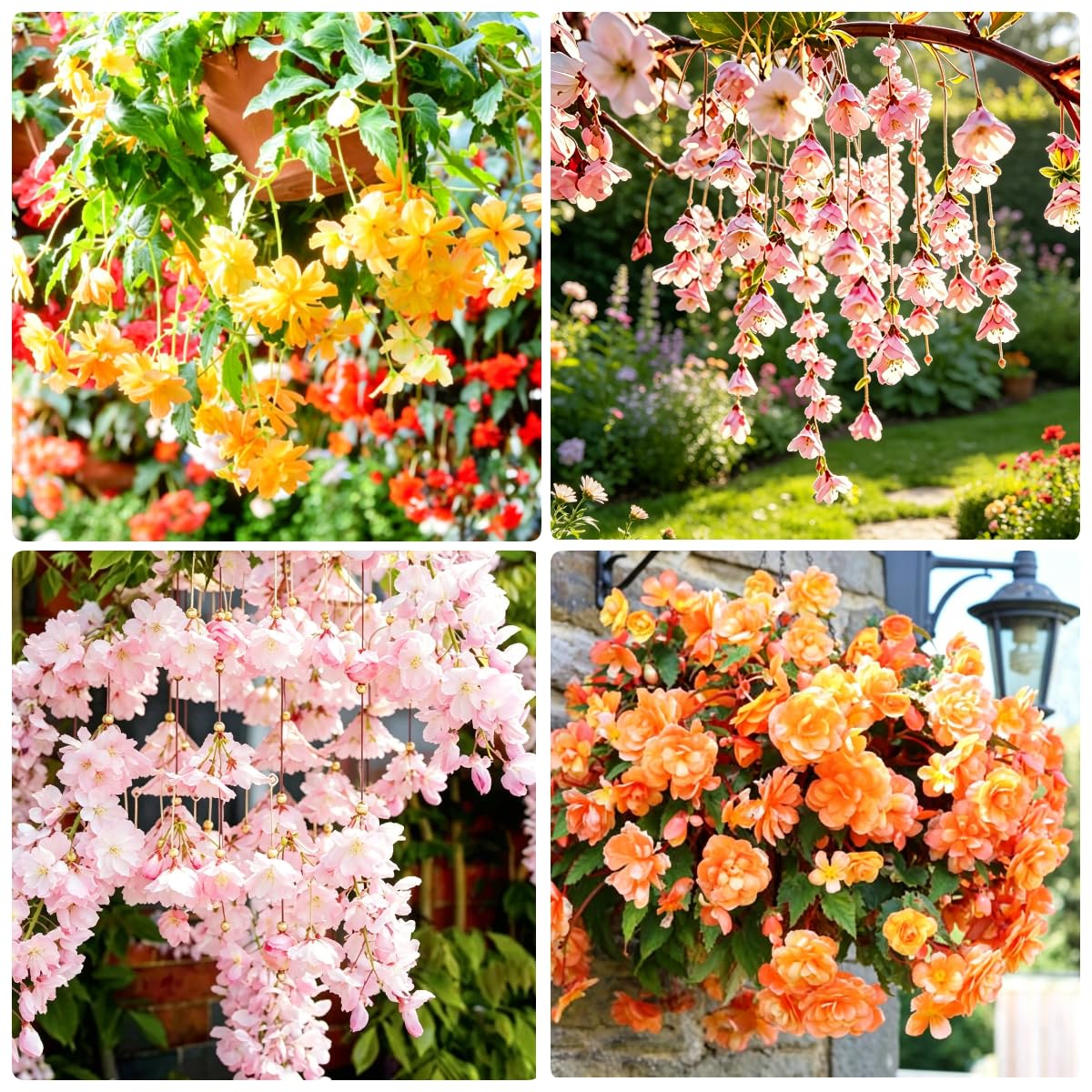


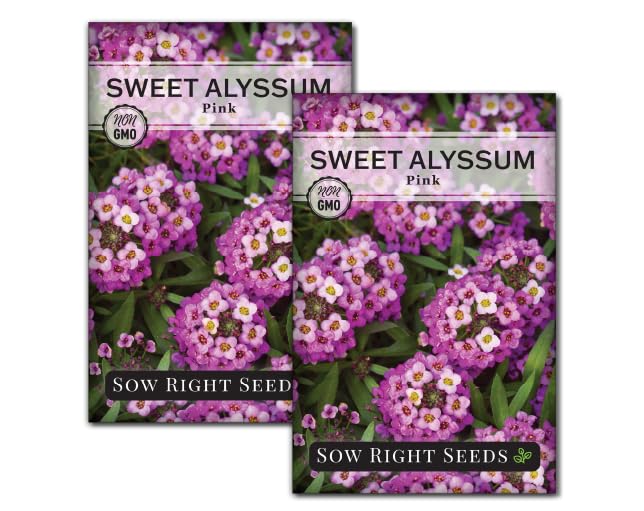
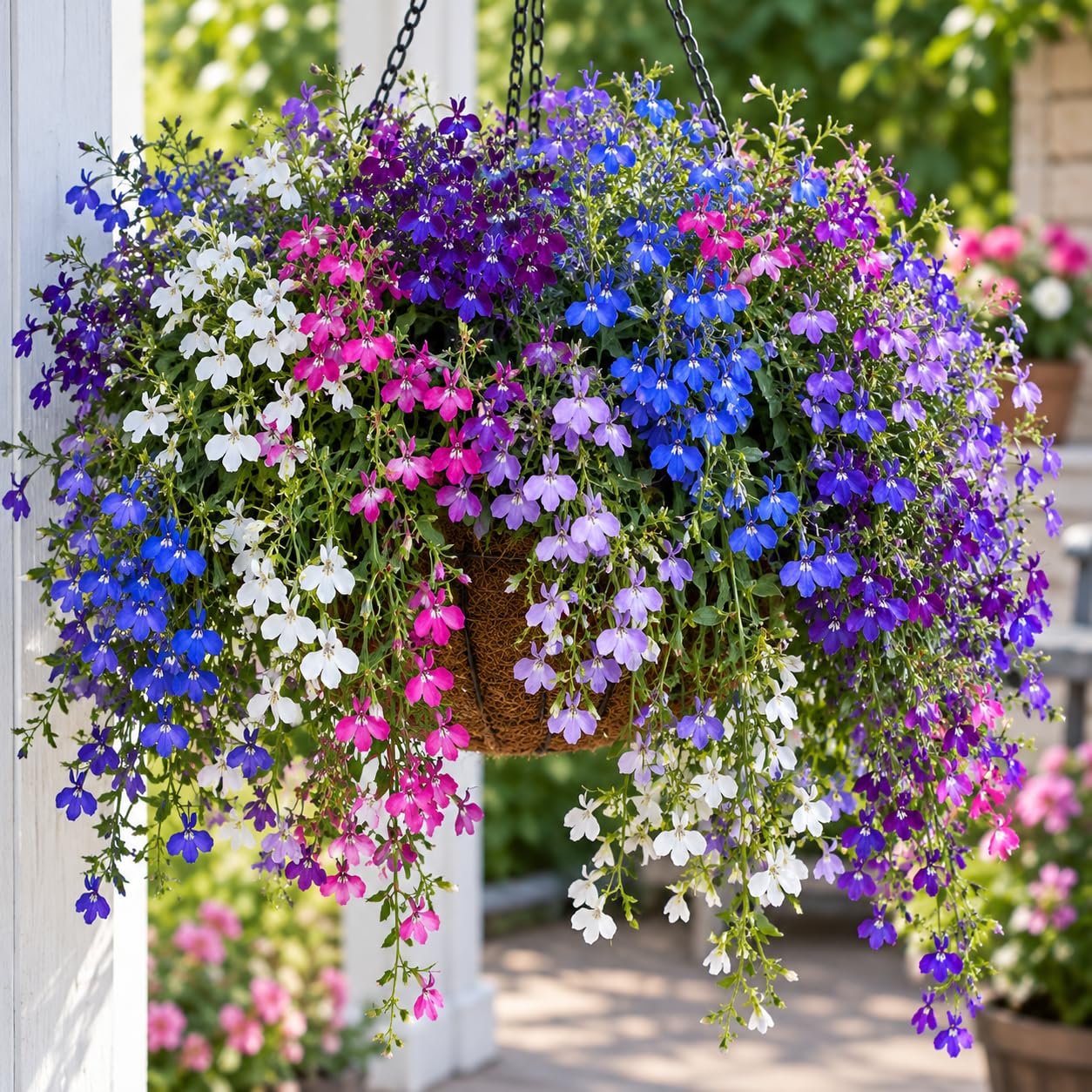
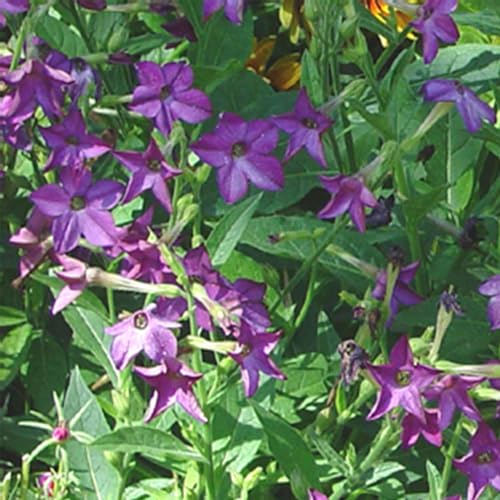
How to Evaluate Annuals for Shade
Features That Matter for Shade Window Boxes
Shade window boxes need plants that hold color and shape with little or no direct sun. Prioritize foliage interest, since flowers in shade are fewer and smaller, and leaves are on show every day. Plants should tolerate steady moisture without rotting, because a shaded box dries slowly. Trailing types soften the box edge and make a small display feel generous. Avoid any plant that needs sun to bloom well, even if the store display looks bright, because that brightness came from nursery lighting, not your wall.
Intended Use and Who It Is For
This checklist suits north facing windows, boxes under deep eaves, and homes shaded by trees or nearby buildings. It also helps renters, since annuals finish in one season and leave no permanent planting behind. If your box sits above a path or door, favor tidy plants that drop few spent blooms. If the box is mainly seen from indoors, choose foliage colors that read well through glass in flat light, such as silver, lime, and deep green contrasts.
Ease of Use and Setup
Setup is simple when the box, brackets, and liner are sorted before planting day. Confirm the bracket fixings suit your wall, since a shaded box full of wet soil is heavy. A removable liner lets you plant on a bench at a comfortable height and then lift the finished box into place. Choose starter plants in small pots for easy spacing. Water the liner once before lifting it, let it drain for ten minutes, and the box will be lighter and cleaner to hang.
Build Quality and Materials
Judge plant quality by firm stems, clean leaves, and a root ball that holds together without being a dense mat. For the box itself, thicker material resists sagging under wet soil, and a smooth interior makes fall cleanup easier. Metal brackets should have a coating that resists rust in damp shade. Soil is part of build quality too. A mix with bark and perlite keeps air around roots in a box that stays moist, while a fine, dense mix can turn sour and slow growth.
Price vs Value
Budget plants at around $3 to $6 suit fillers and trailing edges where coverage matters more than flower size. Mid range plants at around $6 to $12 give larger, better rooted center plants that show sooner. Premium plants at around $12 to $20 make sense only for a prized foliage accent in a small box. Since shade plants grow slowly, value comes from buying the right size at the start. Compare options for related displays in our guide to the best shade plants for window boxes as you plan.
Warranty and Customer Support
Plant warranties are usually short, often a week or two for plant health from local nurseries, while boxes and brackets may carry longer cover for defects. Keep receipts and note the planting date, because support staff ask for both. A good seller provides clear light and watering guidance and answers questions with specifics, not slogans. For mail order plants, check the shipping policy for hot or cold weeks, since a shaded box plant can still be damaged in a hot delivery van.
Three Plant Profiles to Look For
Flowering Annual Plus Two Foliage Plants
The most dependable choice combines one dependable flowering shade annual with two foliage plants of contrasting leaf color. It suits most shaded boxes because the display holds even when bloom is light. Expect around $6 to $12 per plant at a size that shows quickly. Watering is by soil feel, usually every few days rather than daily. The trade off is restraint, since this profile favors texture over bold color, but for a north facing window that trade is exactly what keeps the box looking good in September.
Foliage Multipacks
The budget choice uses multipack foliage plants and one flowering accent per box, often at around $3 to $6 per plant. It suits long boxes and homes with several shaded windows to fill at once. Coverage arrives within a few weeks because foliage spreads steadily in cool shade. You give up flower volume, so lean on leaf contrast and a trailing plant for interest. Shoppers who want more bloom can cross check flower led options in our guide to the best flowers for window boxes shade before deciding.
Compact Mounding Annuals
The compact choice is a neat, low annual under about ten inches tall with a dense mound of leaves and small, frequent flowers. It suits shallow boxes, cottage windows, and spots where plants must not block light into the room, at around $4 to $8 per plant. Care is light, with occasional pinching to keep the mound even. The limit is scale, since compact plants vanish on a large house front, so use them in pairs of boxes or repeat the same plant for a calm, unified look.
Quick Buyer Checklist
- Have you checked the box location at several times of day for true shade?
- Is every plant rated for part shade or full shade on its tag?
- Does the box have drainage holes and brackets rated for wet soil weight?
- Do the plants share a similar need for steady moisture?
- Does at least one plant trail over the edge of the box?
- Have you planned foliage contrast, not just flower color?
- Can you reach the box easily for watering and tidying?
- Have you checked plant safety if pets lean or children play below?
Red Flags to Watch For
Skip plants with no light rating, or with a sun rating hidden in small print on the back of the tag. Avoid plants with powdery patches, yellowing lower leaves, or roots growing thickly from the drainage holes. Be wary of boxes sold for outdoor use with no drainage and no liner option. Treat promises of lush bloom in deep shade as a sales claim, not a fact. Finally, avoid brackets with no stated load limit, because shade boxes stay wet and heavy for most of the season.
How to Make Your Annual Last Longer
Read the tag before first use of any feed, and start feeding at half strength once new growth shows. Clean and inspect brackets, liners, and drainage holes each spring, and store spare liners in a dry place. Water in the morning, pinch leggy tips back to a leaf joint, and remove fallen leaves from the soil surface, since damp debris invites disease in shade. A quarter turn rotation helps if one end of the box gets slightly more light.
Annuals: Your Questions Answered
What features matter most in annuals for shade window boxes?
Shade tolerance, foliage quality, and moisture tolerance matter most in a shaded box. Add root health as a deciding check at the shelf. Gently slide the plant from its pot if the nursery allows it, and look for white roots spread through the mix. Brown, sparse roots in wet mix signal a plant that will sit still for weeks after planting.
What features matter most when buying annuals?
For any annual, honest tag data, a firm shape, and buds for future bloom matter most. In shade, leaf condition outranks open flowers, because leaves carry the display. Avoid plants stretched tall with wide gaps between leaves, a sign they were grown crowded or in low light. Stocky plants settle faster and need less corrective pinching through the season.
How much should I spend on an annual?
Most buyers do well at around $3 to $12 per plant, spending more only on a center accent. Because shade growth is slow, a slightly larger plant often repays its cost in earlier coverage. Keep total spend in proportion to box length, and reserve part of the budget for fresh mix. Gardeners with one sunny box as well can compare costs in our guide to the best annuals for sunny window boxes.
Are expensive annuals worth it?
Expensive annuals are worth it when the plant is a standout foliage accent in a small, much viewed box. You pay for size, rarity of color, and stronger nursery growth. They are rarely worth it for fillers hidden behind other plants. A mixed spend, premium in the center and standard plants at the edges, gives most of the effect for a fair total, a pattern also used in our guide to the best annual flowers for window boxes.
How long does an annual last?
An annual lasts one growing season, from spring planting to the first hard frost. In shade, many types keep their foliage quality late into fall because they avoid heat stress. Growth slows as days shorten, so a light feed in late summer helps the box finish well. Plan to empty, clean, and store the box after frost, ready for a fresh start next spring.
How do I maintain an annual?
Maintain shade annuals with moisture checks before watering, light feeding every few weeks, and prompt removal of spent blooms and fallen leaves. Check under leaves weekly for pests, which thrive in calm, damp air. If a plant outgrows its neighbors, trim it back rather than moving it mid season. For part shade spots, our guide to the best flowers for part shade window boxes adds useful care notes.
Wrapping Up
Start with true shade tolerance, add foliage contrast, and keep moisture steady, and a shaded window box will look composed from spring to frost. Compare your short list with the product table, and choose best annuals for shade window boxes that fit your light honestly rather than hopefully. Small, well matched plants will always beat a box of sun lovers fading in the shade.