Best Annuals for Sunny Window Boxes for 2026: Which One Fits the Way You Use It?
Disclosure: We may earn a commission when you buy through links on this page, at no extra cost to you. As an Amazon Associate I earn from qualifying purchases. Learn more

Best annuals for sunny window boxes: sun, box depth, watering and growth habit checks for color all summer.
There is no single flower that suits every sunny window. A shallow box on a hot south facing wall lives a very different life from a deep box you can reach with a watering can each morning. Finding the best annuals for sunny window boxes starts with your routine, your box size, and how much heat the wall reflects.
This guide groups choices by the way you actually garden, then covers the features that decide whether plants thrive or fade by July. The product table can help you compare plant sizes and habits once you know which group fits you.



Who Should Buy Which Annuals?
For Value Seekers
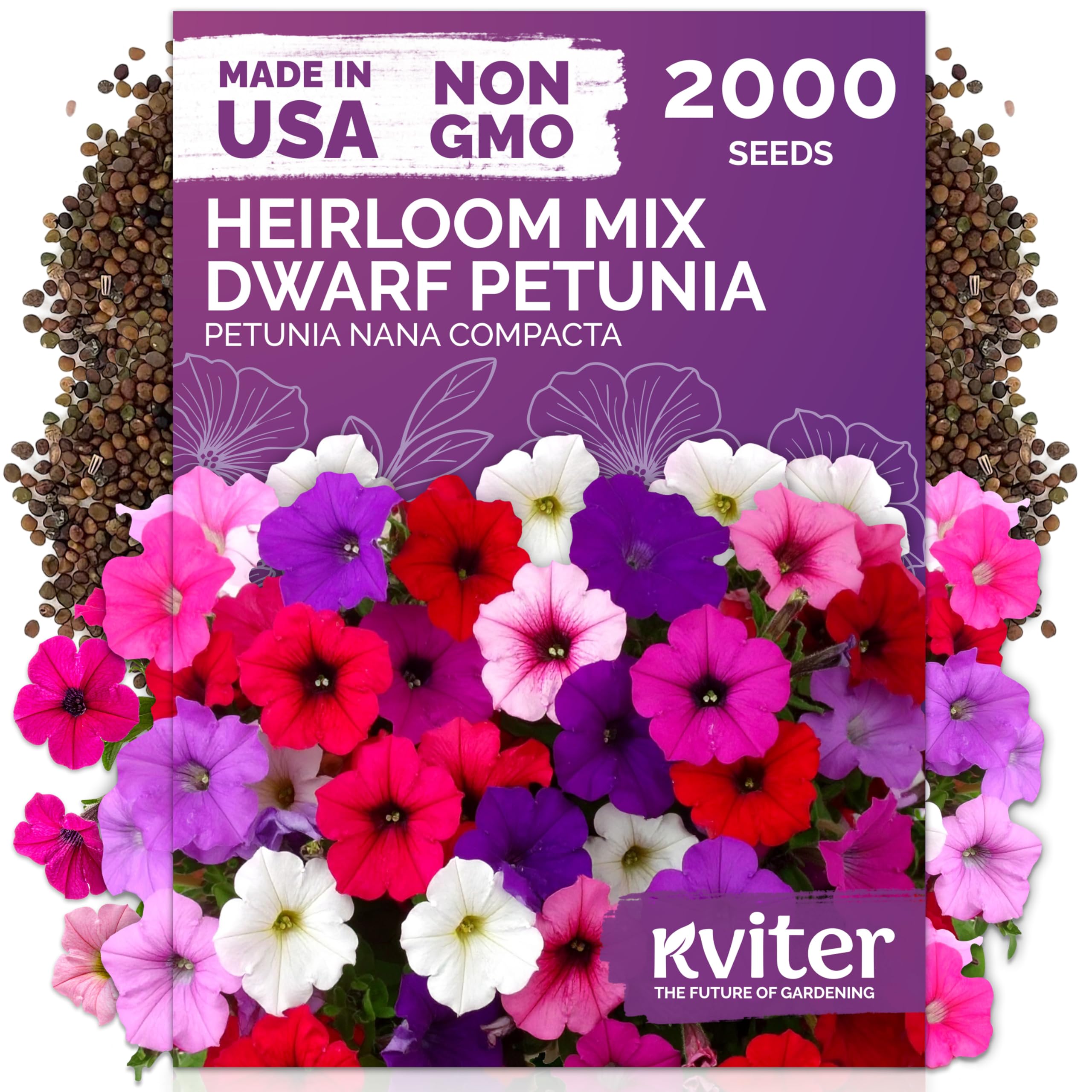
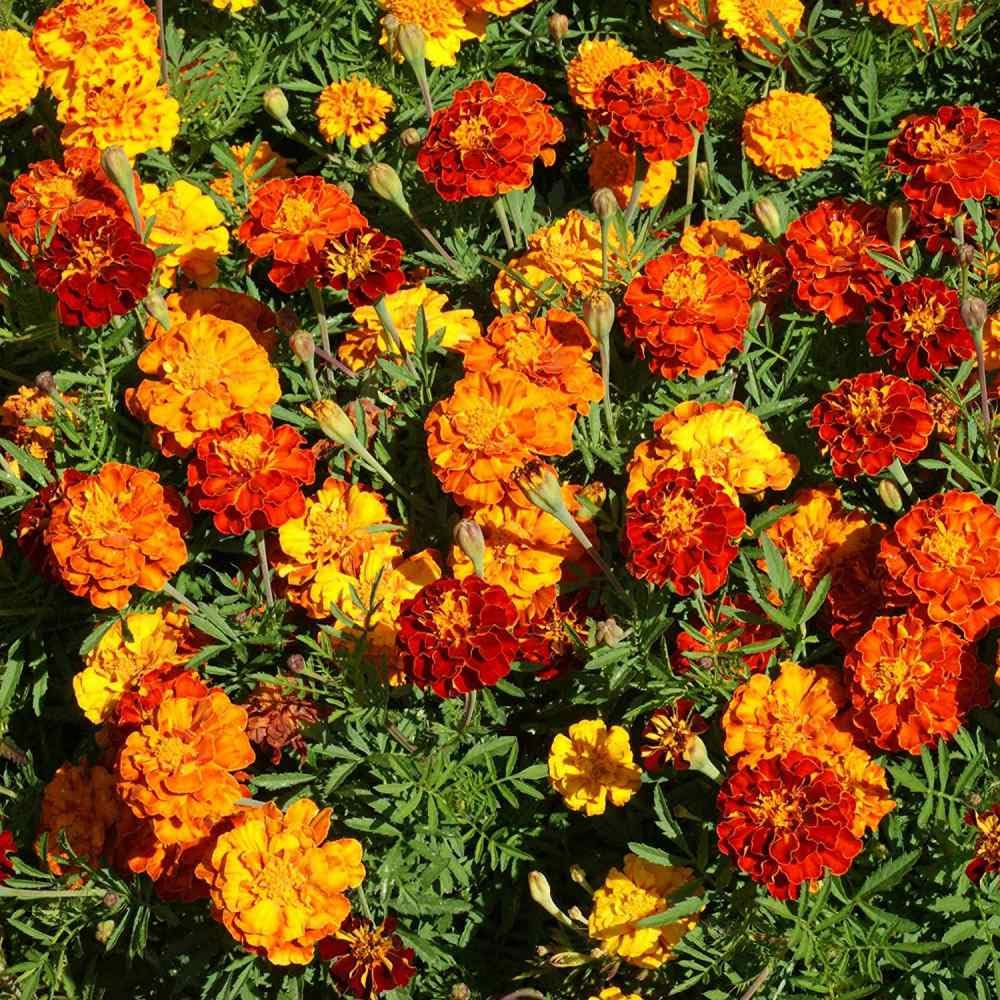
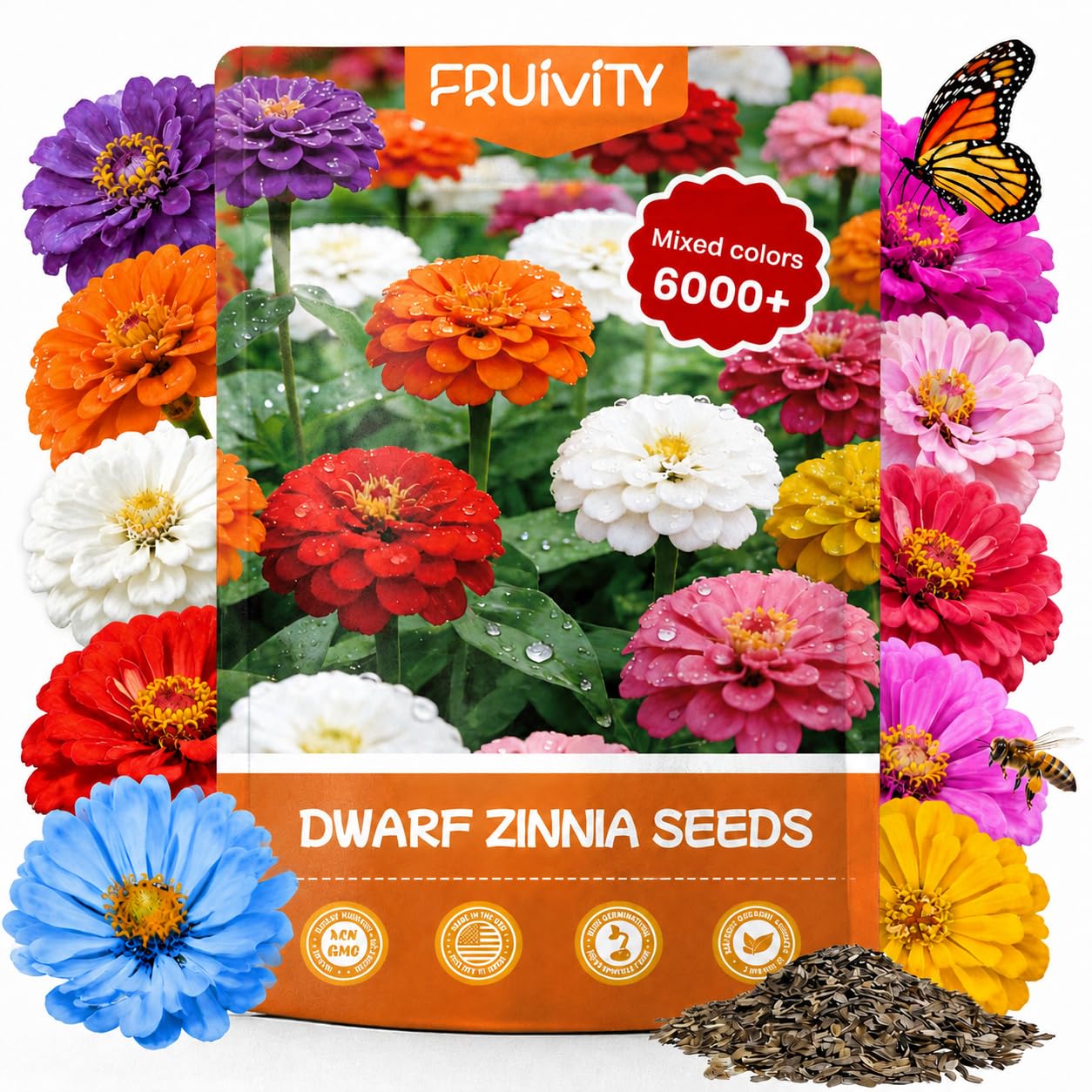
You want a full box without paying premium plant prices. Choose common seed grown annuals in cell packs, plant them a little closer than the tag suggests, and accept a few weeks of growing in before the box looks finished. Marigold and zinnia types give strong value because they grow fast and bloom hard. Your main cost is time and steady watering while roots are small. Replace any weak plant early, in the first two weeks, so the display fills evenly instead of leaving a gap all season.
For People Who Want the Best Performance
You want dense bloom, tidy growth, and plants that keep going through hot nights. Premium vegetatively grown varieties earn their price here, with branching that fills a box without pinching and flowers that shed cleanly. Pay for performance in the front row and center, where every bloom shows from the street. One know how point matters at this level: premium plants still fail in a box with poor drainage, so drill or clear holes and use fresh mix before you invest in better plants.
For First Time Buyers
You want simple, forgiving plants and a short care list. Pick two or three varieties only, all with the same water needs, and choose compact habits that cannot flop over the box edge. Forgiving choices tolerate a missed watering and bounce back after a deep soak. Label each variety with its planting date and feeding date on a small tag inside the box. That tiny record teaches you more in one season than any general advice, and it makes your second year choices far sharper.
For Gift Shoppers
You are planting a box for a parent, a new homeowner, or a neighbor, so ease matters more than novelty. Choose widely available annuals the recipient can replace locally, include a simple care card with watering and feeding dates, and avoid plants that need daily deadheading. A box planted in a restrained palette of two colors looks polished and photographs well. Add a lightweight watering can or moisture meter to the gift, because the right tool often decides whether a gifted box is still blooming in August.
Key Features to Compare
Safety and Plant Choice Around the Home
Check plant toxicity lists before placing a box where toddlers or pets can reach trailing stems, and keep fertilizers and pest products locked away from children. Wash hands after handling mix and treated plants. If the window opens into a kitchen and herbs share the box, use only products labeled for edible plants on that box. When in doubt about a plant or product near your family, ask your local extension service or a qualified professional for advice specific to your home.
Features That Matter for Sunny Window Boxes
Window boxes hold little soil, so root space and heat decide everything. Favor plants rated for full sun and containers, with mature heights under about twelve inches for the front and under eighteen inches for the back row. Compact root systems cope better with shallow depth. If your box is under ten inches deep, drought tolerant types are almost mandatory. For extreme heat, compare notes with our guide to the best flowers for hot sunny window boxes, which focuses on the toughest heat performers.
Intended Use and Who It Is For
Decide whether the box is viewed from the street, from inside the room, or both. Street facing boxes reward bold color blocks that read at a distance, while boxes viewed from a desk reward foliage texture and flowers with detail up close. Fragrance is lovely at a kitchen window that opens, but strong scent can bother some households at a bedroom window. Matching the box to its viewpoint prevents the common regret of plants that are healthy yet somehow never look right.
Build Quality and Materials of the Box Itself
The box is part of the planting. Thick plastic and metal boxes heat up fast in sun, while wood and fiber liners insulate roots a little better. A liner you can lift out makes replanting and cleaning simple. Check brackets and fasteners each spring, because a soil filled box is heavy, especially after watering. A practical safety point is to confirm the mounting can hold at least twice the wet weight, and to keep boxes above walkways firmly secured before the season starts.
Key Performance Specs
Read four numbers on every tag: sun hours, mature height, mature spread, and days to bloom for seed grown types. Six or more hours of direct sun qualifies as full sun, but a white wall can add reflected heat that pushes a borderline plant past its limit. Spacing based on mature spread prevents the crowded, mildewed mat that ruins many boxes by midsummer. If you also plant perennials in the same spot, our guide to the best plants for sunny window boxes helps you blend one season color with plants that return.
Common Mistakes to Avoid When Buying Annuals
- Buying color only. A blooming plant at the store may be root bound or about to pause flowering. Check roots and buds, not just open flowers.
- Ignoring box depth. Shallow boxes cannot support tall or thirsty plants, no matter how good the mix is.
- Mixing water needs. Pairing drought tolerant plants with thirsty ones means one group always suffers.
- Skipping drainage checks. Blocked holes turn a rain storm into a root rot event within days.
- Planting too late for value choices. Seed grown bargains need an early start, or the season ends before they peak.
If some of your boxes sit in shade instead, do not force sun plants into them. See our guide to the best shade annuals for window boxes for varieties that prefer cooler, dimmer spots.
How to Make Your Annuals Last Longer
Water deeply in the morning until a little flows from the drainage holes, then let the top inch dry before watering again. Feed at half strength every one to two weeks, because small soil volume loses nutrients quickly. Remove spent blooms and yellowing leaves during a weekly walk past the box, and trim leggy stems by about one third in midsummer to trigger compact new growth. Rotate portable boxes a quarter turn each week if sun hits one side only. At season end, empty spent mix into garden beds, scrub the box, and store liners dry so they last another year.
Flower shape matters too. If you want to compare bloom forms across varieties, our guide to the best annual flowers for window boxes explains which shapes hold up best in wind and rain.
Frequently Asked Questions
What features matter most in annuals for sunny window boxes?
Compact habit and heat tolerance matter most, because box soil is shallow and hot. Choose plants whose mature size fits your depth, with water needs you can meet daily in a heat wave. A less obvious point is flower weight: heavy double blooms can drag stems down after rain, so single or small blooms often look tidier on exposed upper story windows.
How much should I spend on annuals for a window box?
Spend in proportion to visibility and season length. A front facing box seen for five months justifies midrange or premium plants, while a side window can look great with value cell packs. Budget for fresh mix and fertilizer too, since starving premium plants in old soil wastes the upgrade. As a rough guide, soil and feeding often cost about as much as value tier plants for one box.
How long does an annual in a window box last?
An annual in a window box lasts one growing season, typically from after the last frost to the first hard frost. Individual bloom flushes last weeks, and steady deadheading plus feeding extends the show. Plants stressed by repeated wilting rarely recover fully, so a box that has wilted hard three or four times may look tired even with good care afterward. Replacing one failed plant early protects the whole display.
What features matter most when buying annuals in general?
Healthy roots and honest size information matter most. Roots should be white or light tan and visible at the drainage holes without circling in a dense mat. Foliage should be free of spots and insects, especially under leaves. Also check whether the variety needs deadheading or pinching, because that hidden weekly work adds up across several boxes and often decides whether a planting still looks cared for in August.
Are expensive annuals worth it for sunny window boxes?
Expensive annuals are worth it when their traits solve your exact problem, such as self cleaning blooms for a box you cannot reach easily, or exceptional heat tolerance for a reflective wall. They are not worth it as a status buy for an easy, reachable box, where standard varieties bloom just as happily. Try premium plants in one box first and compare honestly at season end before upgrading every window.
Our Verdict
Match the plant to your routine first, your box depth second, and your color dreams third, and check the product table for sizes and habits that fit that order. With that discipline, choosing the best annuals for sunny window boxes becomes a calm decision instead of a hopeful guess at the garden center.