Best Annual Flowers for Window Boxes Made Simple: A Clear Buying Guide for 2026
Disclosure: We may earn a commission when you buy through links on this page, at no extra cost to you. As an Amazon Associate I earn from qualifying purchases. Learn more

Best annual flowers for window boxes explained for first time growers: plant habits, sun, spacing and simple setup.
If this is your first window box, welcome: you are starting with one of the most forgiving and rewarding ways to grow flowers. A box sits at eye level, waters easily from a window or a step, and shows results within weeks. Choosing the best annual flowers for window boxes is mostly about matching plant size and sun needs to a small, shallow strip of soil, and this guide explains every term before it asks you to decide anything.
We will go from basics to buying, step by step: what annuals are, which specs matter in plain English, the mistakes new growers make, and how to plant your first box. Keep the product table in view as you read.
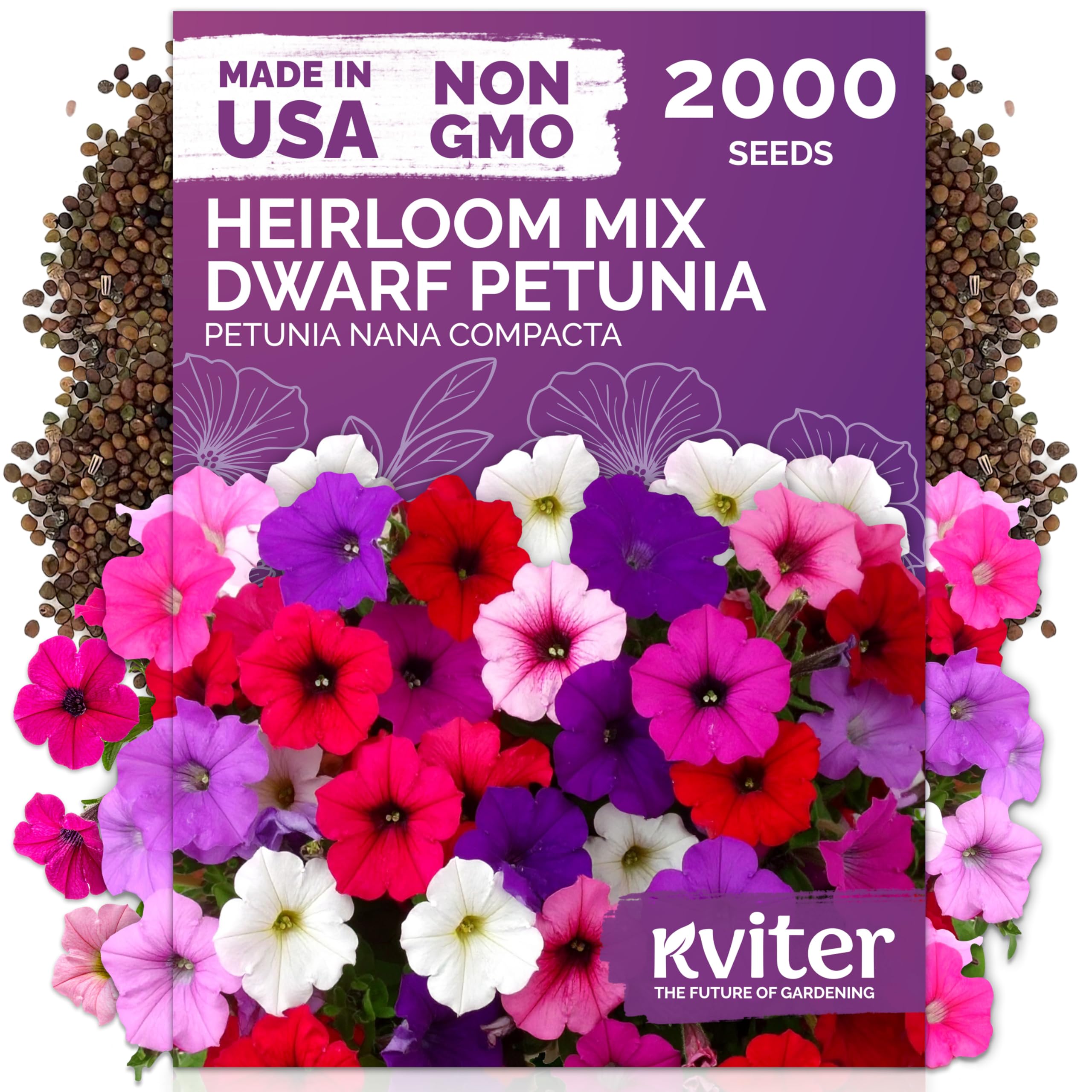

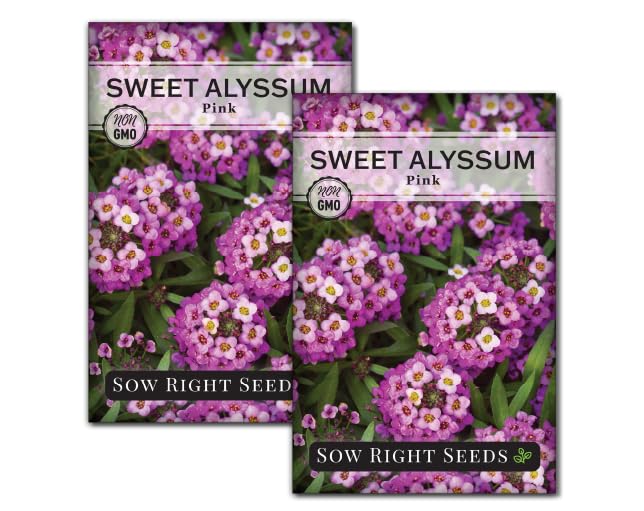

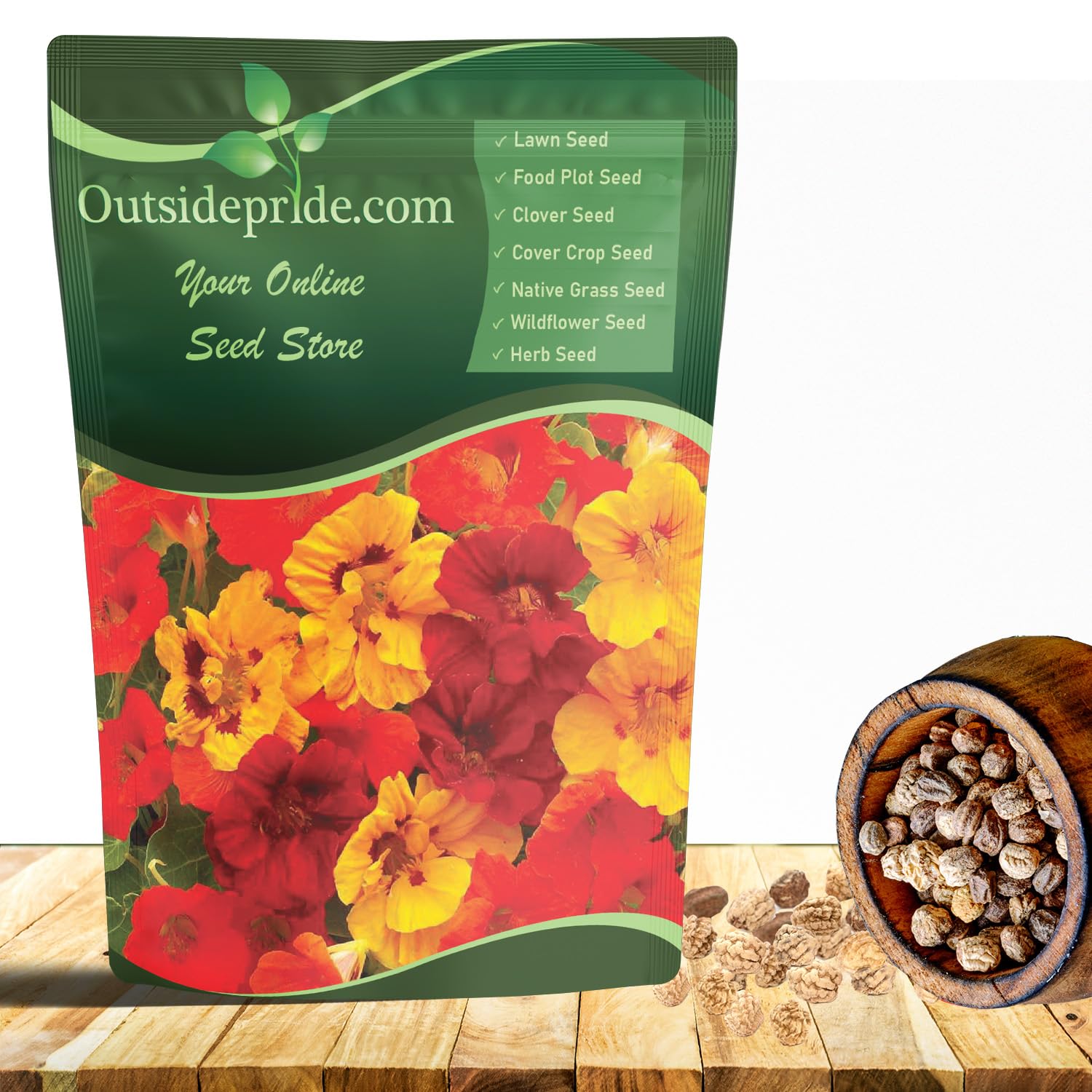
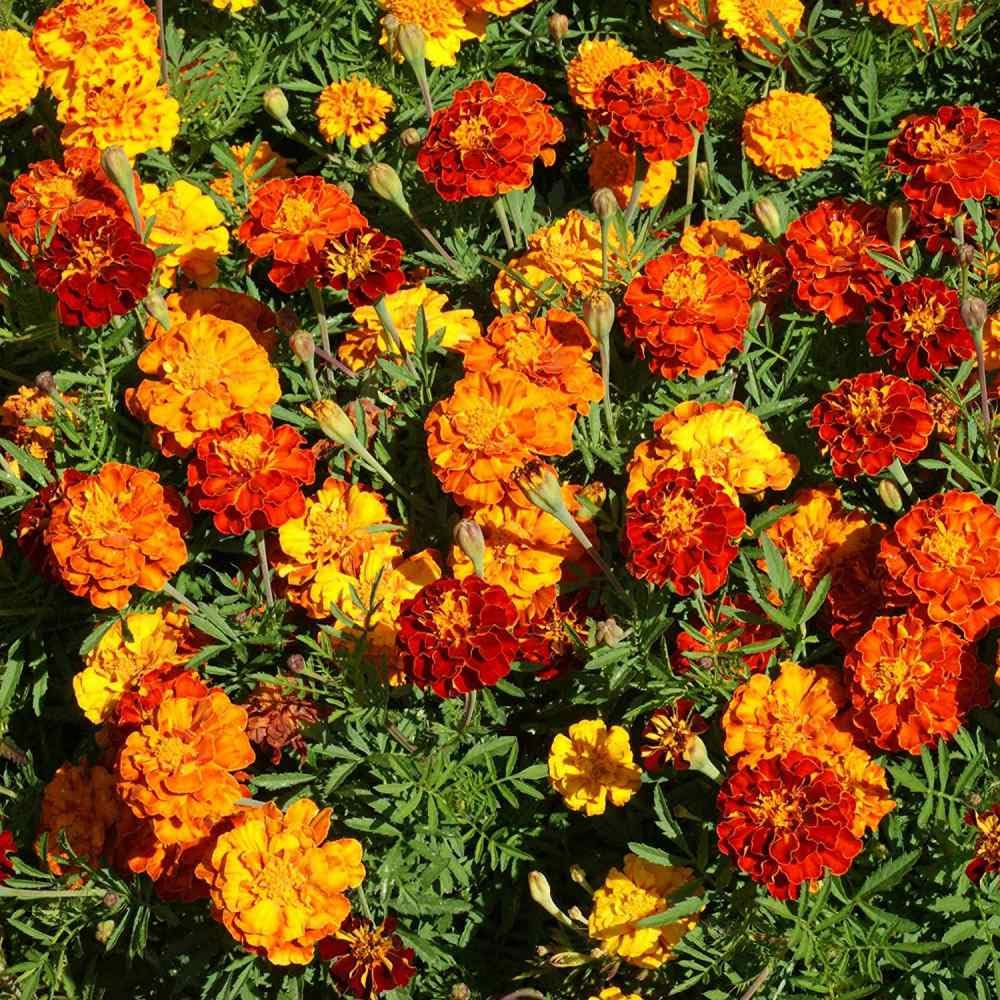

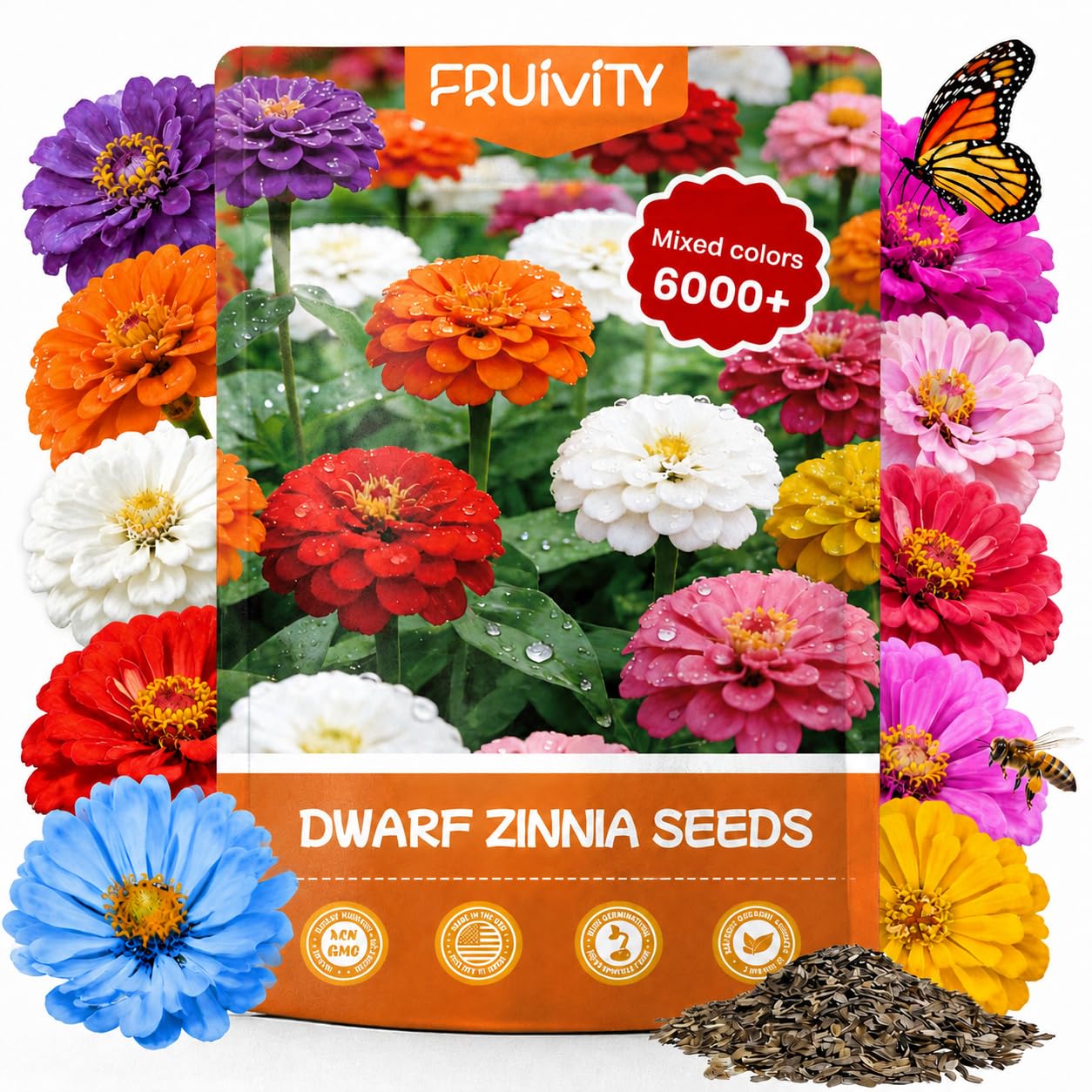
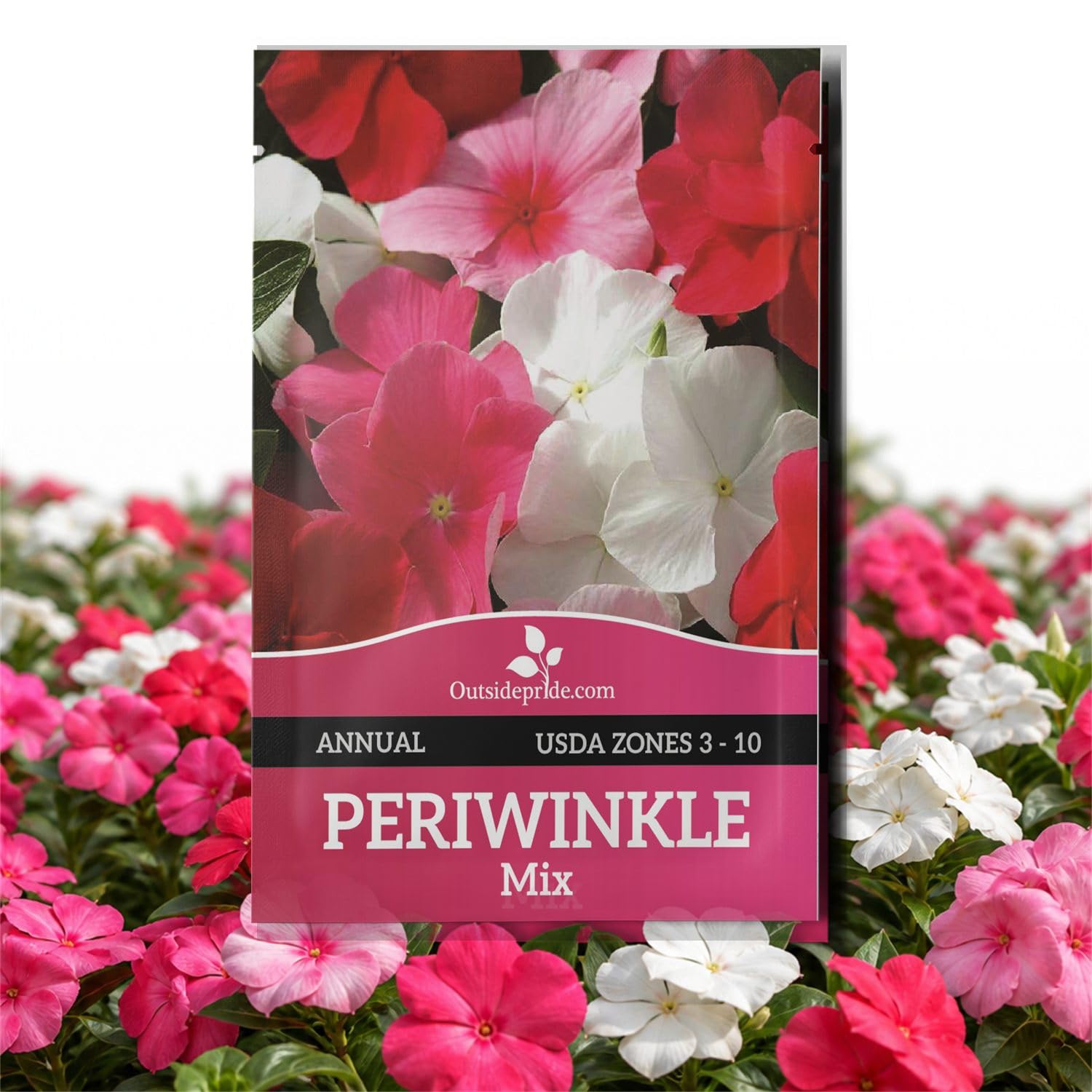
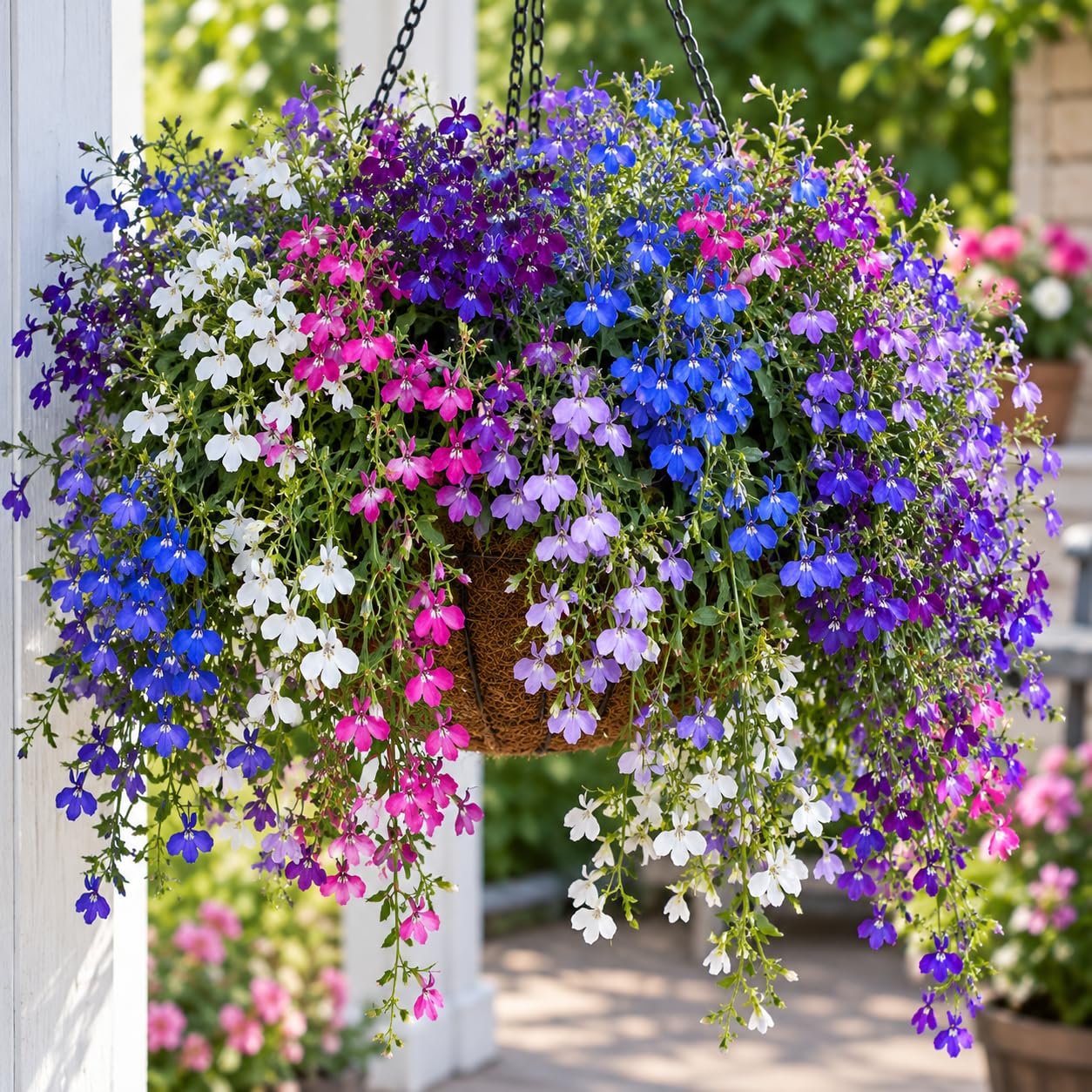
Annual Flowers 101: The Basics
An annual flower completes its whole life in one growing season. You plant it in spring, it blooms through summer, sets seed, and dies with the first hard frost. That short life is a feature, not a flaw: annuals pour their energy into flowers rather than roots or winter survival, so they bloom longer and brighter than most long lived plants.
Three habit words will follow you through every plant tag. Upright plants grow tall and suit the back of the box, mounding plants form neat mounds for the middle, and trailing plants spill over the front edge. A classic box uses all three. You can buy annuals as seed, as small starter plants called plugs or cell packs, or as larger potted plants. Starters are the easiest first purchase because you can see the plant and space it correctly at once.
One more basic: window boxes hold far less soil than a garden bed, often only six to eight inches deep. Less soil means faster drying and faster warming, which shapes every choice that follows in this guide.
Key Specs Explained in Plain English
Features That Matter for Window Boxes
A window box rewards compact roots, steady bloom, and tolerance for heat reflected from glass and siding. Choose plants whose mature width fits the box spacing, usually 6 to 10 inches apart for small annuals, and whose height stays in proportion; a plant reaching 24 inches will shade and crowd a shallow box. Self cleaning types that drop spent flowers keep the display tidy without weekly deadheading.
Trailing length is a spec worth reading: a trailer listed at 18 to 24 inches will drape beautifully over a standard box, while a shorter one barely softens the edge. The guide to best trailing flowers for window boxes explains drape and spacing for that front row in more depth.
Intended Use and Who It Is For
Window boxes serve different goals, and your goal picks your plants. A kitchen window box may mix flowers with herbs and needs frequent, easy watering. A front of house box is pure display, best planted with bold color visible from the street. A rental or first apartment box should use cheap, cheerful starters and a lightweight box that will not strain its brackets.
Be honest about your watering routine before you buy. If you travel often, choose drought tolerant annuals and a larger box that holds more moisture, or add a simple drip line. Plants cannot adapt to a routine that does not exist, and most first year failures trace back to water, not plant quality.
Price vs Value
Starter plants for a window box usually cost around $3 to $8 each, and a 24 inch box needs roughly four to six plants, so a full box often lands around $25 to $50 including fresh potting mix. Seed costs far less, around $2 to $5 a packet, but asks for weeks of lead time. Premium bred plants cost more per pot and repay you with longer bloom and better disease resistance.
Value in a small box is measured in weeks of good looks. A plant that blooms from June to frost for $6 beats a $3 plant that fades by July. Still, for a first box, mid range starters are the sweet spot: cheap enough to experiment, strong enough to succeed.
Safety and Certifications
Window boxes sit close to living spaces, open windows, and sometimes children and pets, so a few safety habits matter. Confirm the box and its brackets are rated for the weight of wet soil, which is much heavier than dry soil, and mount into solid framing, never into siding alone. A 36 inch box of wet mix can weigh 40 lb or more, and a falling box is a real hazard.
Choose untreated or organically grown plants when boxes hang over herbs or a patio where people eat, and look for OMRI listed soil and fertilizer if organic practice matters to you. Check whether a flower is toxic if eaten before placing it where toddlers or pets can reach, and wash hands after planting and after handling fertilizer.
Build Quality and Materials
For the box itself, materials decide lifespan. Wood looks warm and insulates roots but rots in a few seasons unless lined. Metal heats quickly in sun, which can stress roots on a south facing wall. Resin and fiberglass boxes are light, durable, and kind to roots, and quality versions look convincing. Whatever the material, drainage holes are essential, and a removable liner makes seasonal replanting far easier.
For plants, quality shows in a compact shape, deep green leaves, and a root ball that holds together without being a dense mat of circling roots. If you are comparing box shapes and depths, best flowers for window flower boxes walks through common box styles and the flowers that suit each one.
Ease of Use and Setup
First time success comes from a simple setup: a box with drainage, fresh potting mix, plants spaced by their tag width, and a watering can you actually enjoy using. Starter plants need no special tools beyond a trowel and gloves. Water the box thoroughly right after planting so mix settles around roots, and add a slow release fertilizer at planting so feeding is handled for weeks.
Practical tip: set plants on top of the filled box in their pots and arrange them before unpotting a single one. Photograph the layout you like, then plant to the photo. This five minute habit prevents the classic crowded middle and bare corners problem.
Rookie Mistakes to Avoid
- Buying for the flower, not the sun: a shade lover in a blazing south window will scorch, and a sun lover in shade will stretch and stop blooming, no matter how healthy it looked in the store.
- Using garden soil in the box: heavy soil compacts in a shallow box and drowns roots; always use a light potting mix made for containers.
- Crowding plants for instant fullness: starters double in size within weeks, and an overcrowded box invites mildew and constant watering battles.
- Forgetting drainage: a box without holes turns into a swamp after one storm, and root rot follows quickly in warm weather.
- Skipping the bracket check: hang the box and check it with weight before planting, because wet soil is far heavier than the empty box suggests. Shallow boxes need special care too, as best flowers for shallow window boxes explains for roots in limited depth.
Getting Started: Setup and First Use
Begin by mounting the empty box securely and confirming it sits level, since a tilted box drains to one end and leaves the other dry. Add a liner if your box uses one, fill with potting mix to about an inch below the rim, and water the mix once so it settles before planting. Read any care tag that came with your plants before the first planting session, especially sun and spacing notes.
Plant from the back row to the front: upright plants first, then mounding, then trailers at the edge with their stems angled outward. Firm mix gently around each root ball, water deeply until it runs from the drainage holes, and top up mix where it sinks. During the first two weeks, check moisture daily; young roots have not yet grown into the full box, so the top layer dries faster than it will later. Clean and inspect the box and brackets regularly through the season, and tighten any screw that loosens as wood swells and shrinks.
Color planning can wait until your second season, but if a single color theme tempts you now, best yellow flowers for window boxes and best white flowers for window boxes each show how one color family can carry a whole box with varied shapes.
Frequently Asked Questions
What features matter most in annual flowers for window boxes?
Compact size, long bloom, and tolerance for shallow, fast drying soil matter most. Read mature width before height, because width decides spacing in a narrow box. A self cleaning habit saves weekly cleanup, and a habit mix of upright, mounding, and trailing plants gives the layered look that makes a box read as full rather than flat.
What features matter most when buying annual flowers in general?
Health at purchase matters most: look for compact, deep green plants with buds rather than many open blooms, since a plant in full flower at the store has often peaked already. Check leaf undersides for pests, and choose a root ball that is moist and firm. A slightly smaller healthy plant will outgrow a large stressed one within a month.
How do I maintain an annual flower in a window box?
Water when the top inch of mix feels dry, feed lightly every two weeks or rely on slow release fertilizer from planting, and remove spent blooms on types that need it. Every few weeks, trim straggly stems back to a leaf joint to trigger fresh branching. Maintenance takes about ten minutes a week per box once the routine becomes habit.
How much should I spend on an annual flower for a window box?
Expect around $3 to $8 per starter plant, with most first boxes planted for about $25 to $50 all in. Spending a little more on one premium trailer or anchor plant is fine, but there is no need to fill a first box with premium stock. Save the upgrade for season two, when you know your light and your watering habits for certain.
How long does an annual flower last in a window box?
An annual lasts one season, typically blooming from late spring until the first hard frost. In mild climates that can stretch to six months or more of color. A midsummer pause in extreme heat is normal; steady watering and a light trim usually restart bloom. When frost ends the season, compost the plants and refresh the mix next spring.
Are expensive annual flowers worth it for window boxes?
Sometimes. Premium bred plants earn their price with better heat tolerance, disease resistance, and bloom that continues without deadheading, which suits busy owners and prominent front windows. For a back window or a first experiment, standard starters give nearly the same pleasure for half the cost. Mix one premium plant with standard companions and compare them side by side all season.
Our Verdict
For a first box, buy healthy mid range starters, match them to your true sun, and give them light potting mix, drainage, and steady water. Those basics beat any premium upgrade bought before the basics are in place. Look again at the product table, pick plants whose size fits your box, and enjoy choosing the best annual flowers for window boxes for your first season of color.