Best Annuals for Full Sun Window Boxes: Buyer Checklist for 2026
Disclosure: We may earn a commission when you buy through links on this page, at no extra cost to you. As an Amazon Associate I earn from qualifying purchases. Learn more

Best annuals for full sun window boxes: a buyer checklist covering light, plant size, watering, feeding and value.
A window box in full sun is a tough little garden, shallow, hot, and thirsty, so a checklist beats guessing at the garden center. This guide shows how to judge best annuals for full sun window boxes by light fit, root space, growth habit, and care needs before you spend anything.
Run each candidate plant through the same checks below and the product table will be easy to read. You will end up with fewer plants, better matched, and a box that still flowers when summer heat peaks.


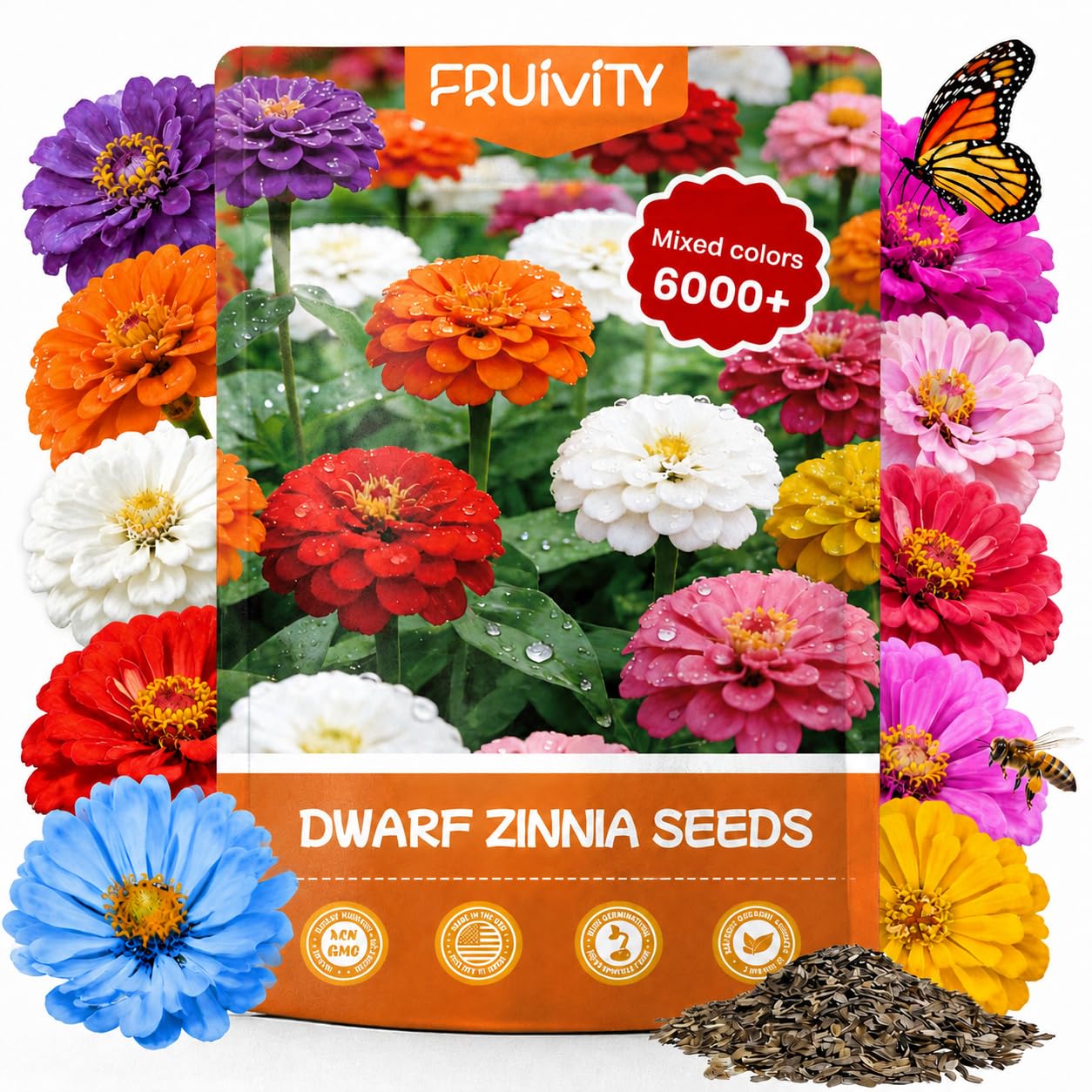
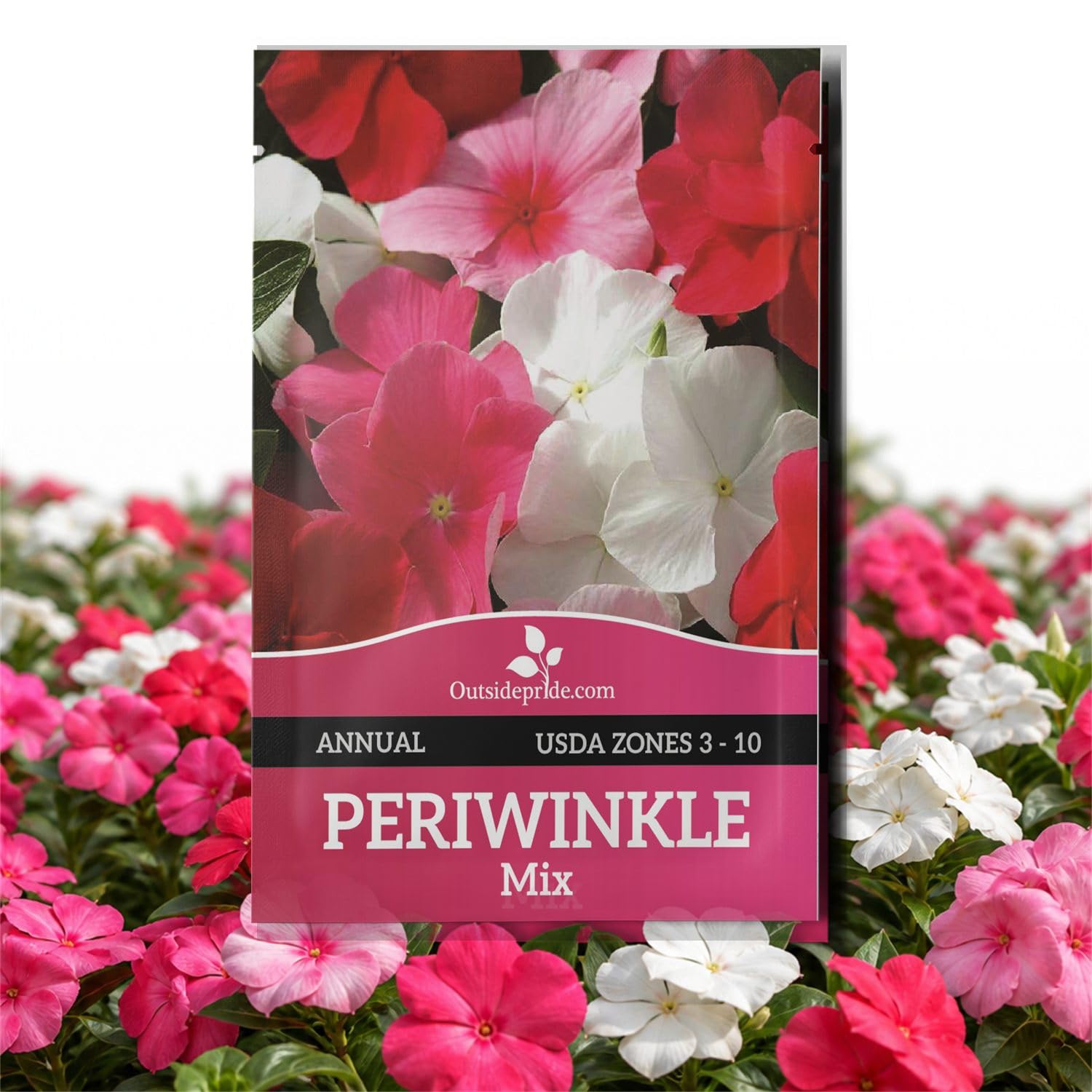

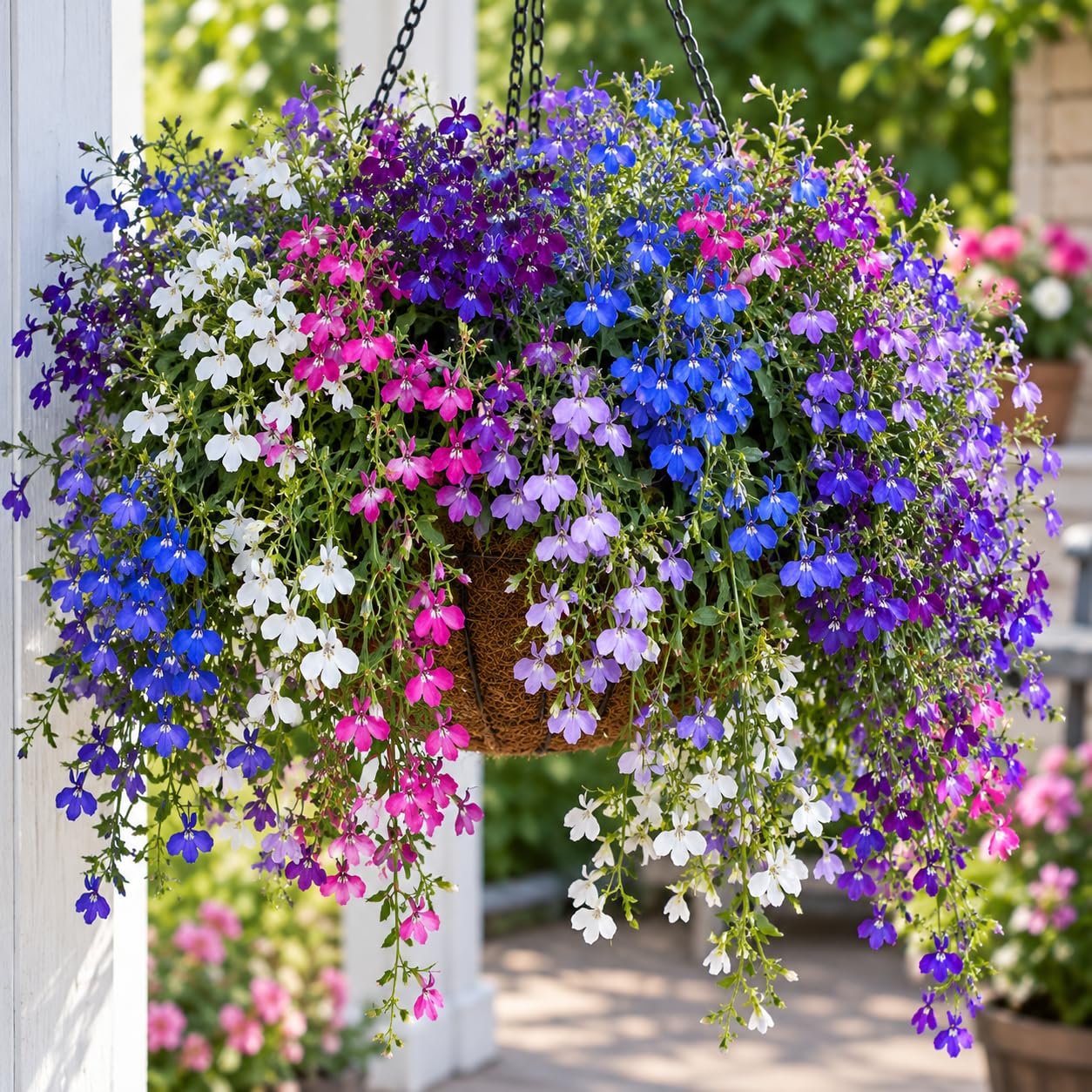
How to Evaluate Annuals for a Sunny Box
Features That Matter for Full Sun Window Boxes
A window box holds far less soil than a ground bed, so heat tolerance and drought recovery sit at the top of the list. Look for plants that keep blooming through warm nights and that bounce back after one dry afternoon. Compact or trailing habits fit best, since tall plants shade the window and strain in wind. Check the tag for mature height under about 18 inches for the front row and a spread that will fill without smothering neighbors.
Intended Use and Who It Is For
Decide the job first. A kitchen window box may hold herbs and small flowers you see up close, while a front facing box is about color seen from the street. Renters need plants that finish in one season and boxes they can empty fast. Homeowners planting the same box each year can invest more in soil care and feeding. If you travel often, favor self cleaning flowers that look tidy without daily attention, and skip plants that need constant pinching to stay neat.
Key Performance Specs
The specs that predict success are sun hours, mature spread, and water need. Match at least six hours of direct sun to plants labeled for full sun, and treat a reflective white wall as extra heat. Spread decides spacing, usually eight to twelve inches apart for medium types. Water need should be similar for every plant in the same box, because you water the box as one unit. Mixed thirst levels are the most common reason one plant rots while another wilts.
Warranty and Customer Support
Live plants rarely carry a long warranty, but many nurseries offer a short health guarantee of a week or two, and seed suppliers often promise germination support. Keep your receipt and take a photo on planting day, since a claim is easier with dates. Good support shows up as clear growing advice on the tag or the seller page, with a real contact route. Treat vague claims with no contact details as a weak sign, especially for mail order plants shipped in hot weather.
Ease of Use and Setup
Setup should take under an hour for a standard box. You need a secure bracket, a box with drainage holes, fresh potting mix, and plants in small pots that slide out cleanly. Starter plants in four inch pots are the easiest size to handle and space. Bare roots and tiny plugs save money but need more skill and patience. A liner you can lift out makes fall cleanup simple and lets you swap a failing plant without disturbing the rest of the display.
Maintenance and Long Term Costs
Annuals ask for steady small costs rather than one big one. Budget for potting mix each spring, a balanced fertilizer through summer, and replacement plants if a heat wave hits early. Deadheading takes a few minutes twice a week for many types, and self cleaning types cut that chore a lot. Water is a real cost in dry regions, so a mulch layer on the soil surface helps. For a wider view of sun loving choices, see our guide to the best full sun plants for window boxes after you set your budget.
Price vs Value
Budget plants at around $3 to $6 each suit large boxes where you need many fills. Mid range plants at around $6 to $12 usually arrive larger, with stronger roots and faster coverage. Premium plants at around $12 to $20 can be worth it for a single feature box you see daily, since flower count and heat tolerance tend to be better. Judge value by weeks of bloom per dollar, not by pot size alone, and remember that soil and brackets are one time costs.
Three Plant Profiles to Look For
Reliable Mid Height Bloomers
The most reliable choice is a medium height flowering annual with strong heat tolerance, a spread of about ten to fourteen inches, and blooms that shed cleanly. It suits most sunny boxes because it fills fast, needs only routine deadheading, and pairs with both upright and trailing partners. Expect to pay around $6 to $12 per plant. The trade off is popularity, since the best known types sell out early in spring, so shop before the first hot weekend if this profile fits your box.
Vigorous Spreaders in Multipacks
The budget choice is a vigorous spreading annual sold in multipacks, with slightly smaller flowers but excellent coverage per dollar. It suits long boxes and renters who want a full look on a small budget, often at around $3 to $6 per plant when bought in a pack. You give up some flower size and may need to pinch tips to keep growth even. Plant it a little closer than the tag suggests only if you can water reliably, because crowding raises water demand.
Large Nursery Plants
The premium choice is a larger, nursery grown plant with proven heat performance, dense branching, and unusual color or foliage contrast. It suits a small feature box near a door or patio where every plant is on show, at around $12 to $20 per plant. The gain is instant impact and fewer gaps. The limit is total cost, since filling a long box at this level adds up fast, so many gardeners use premium plants only as center accents. Color focused shoppers can compare the best flowers window boxes full sun guide for pairing ideas.
Quick Buyer Checklist
- Does the box get at least six hours of direct sun on a clear day?
- Is the box at least six to eight inches deep, with open drainage holes?
- Do all plants in the box share a similar water need?
- Does the mature spread on each tag fit your spacing plan?
- Can you water daily during a heat wave, or do you need tougher plants?
- Is the bracket rated for the weight of wet soil plus plants?
- Have you budgeted for fresh potting mix and summer feeding?
- Does at least one plant trail, so the box edge softens as it grows?
Red Flags to Watch For
Watch for tags with no mature size, no sun rating, or only a vague claim of easy care. A root bound plant with a thick mat of roots and yellowing lower leaves will struggle in a hot box. Avoid plants already in full bloom with no buds left, since the show may end within weeks. Be careful with mail order plants shipped without a delivery window in summer heat. Finally, skip a box or bracket with no stated weight limit, because wet soil is far heavier than most first time buyers expect.
Care and Maintenance Tips
Read the plant tag before first use of any fertilizer, and start at half strength in a small box. Water in the morning, soak until water exits the holes, and empty any saucer so roots do not sit wet. Clean and inspect brackets and liners each spring, store spare parts in a dry place, and refresh the top layer of mix mid season if water starts running off instead of soaking in.
FAQs
What features matter most in annuals for full sun window boxes?
Heat tolerance and matched water needs matter most, followed by mature spread. One extra check is stem strength at the base. A plant with a firm base handles window level wind better than a leggy plant with soft growth. If you must choose between two similar plants, pick the stockier one, even if it has fewer open flowers today.
How much should I spend on an annual?
Most buyers spend around $3 to $12 per plant and get a full season of bloom. Spending more mainly buys size and speed, not a longer life, since the plant still ends at frost. A smart split is to spend more on the center plant you see most and less on fillers. For contrast, our guide to the best shade annuals for window boxes shows how budget shifts when light is low.
What features matter most when buying annuals?
Across all annuals, healthy foliage, a firm root ball, and honest tag information matter most. Look for buds as well as open blooms, since buds promise future flowers. Avoid any plant with spots, sticky leaves, or tiny insects under the leaves. Those problems spread fast in a tight window box, where plants touch each other and air flow is limited compared with an open bed.
How do I maintain an annual?
Water by soil feel, feed lightly every two weeks, and remove spent blooms before seed forms. Also rotate the box liner if one side gets more sun, so growth stays even. Check the underside of leaves weekly for pests while plants are small. Early action with a strong spray of water often stops a small problem without any product at all.
Are expensive annuals worth it?
Expensive annuals are worth it when the box is small, visible daily, and hard to replant mid season. You pay for breeding, larger size, and better heat performance. They are not worth it for a long box where fill matters more than fine detail. In that case mid range plants give most of the bloom for far less money, a balance also noted in our guide to the best annuals for sunny window boxes.
How long does an annual last?
An annual lasts one season, from spring planting until the first hard frost. In mild climates some types linger into late fall, but growth slows as days shorten. Plan the box in waves if you want late color, and add a fresh plant in midsummer where an early type fades. That small refresh costs little and keeps the display looking cared for.
The Bottom Line
Match sun hours and water needs first, size the plants to the box second, and let color come third. That order keeps a sunny box flowering through the hardest weeks of summer. Compare your short list with the product table, and remember that the same rules link closely to our guide to the best annuals for full sun planters if you later add pots below the window. Choose best annuals for full sun window boxes that pass every checklist item, not just the prettiest tag.