Best Annuals for Full Sun Planters: Everything to Know Before Your First Purchase for 2026
Disclosure: We may earn a commission when you buy through links on this page, at no extra cost to you. As an Amazon Associate I earn from qualifying purchases. Learn more

Best annuals for full sun planters explained: heat tolerance, spacing, soil and watering for hot, bright containers.
Choosing the best annuals for full sun planters can feel confusing because plant tags use shorthand and garden centers group plants by color more than by need. This guide starts with the basics, explains the specs in plain English, and ends with a simple way to choose with confidence.
A planter in full sun heats up fast, dries out fast, and rewards plants that can handle both. Once you understand light hours, root space, and watering rhythm, the product table will make much more sense and you will spot a good match in minutes.

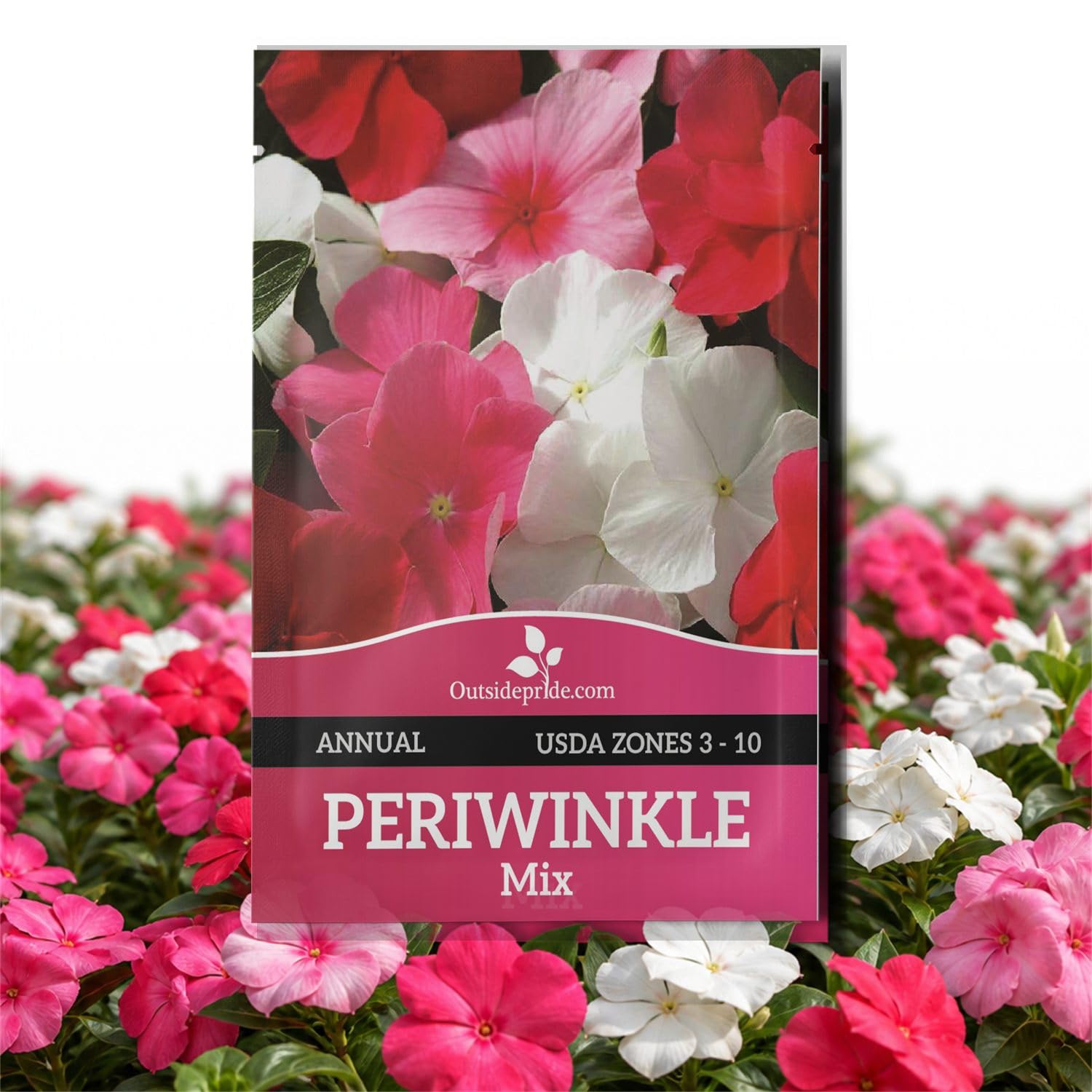

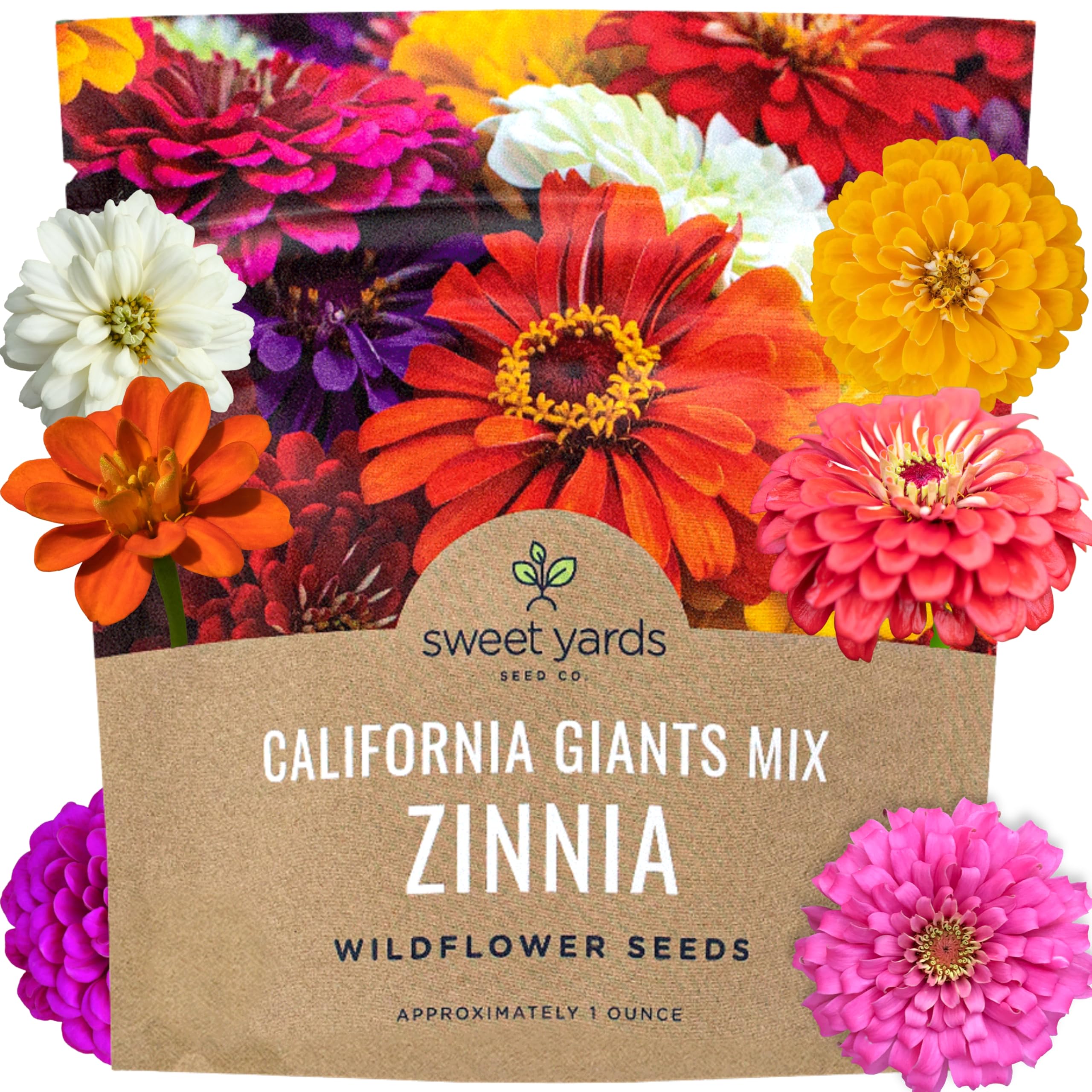


Annuals 101: The Basics
An annual completes its whole life in one growing season. You plant it in spring, it grows, flowers, sets seed if you let it, and then dies when frost returns in fall. That short life is actually an advantage in a planter, because you can change colors and shapes every year without digging out a permanent plant.
Full sun means at least six hours of direct sun each day, and many sunny patios get eight hours or more. A south facing or west facing planter also collects reflected heat from walls and paving, so the soil can be far hotter than a garden bed at noon.
Tags use a few key terms. Heat tolerant means the plant keeps flowering when nights stay warm. Drought tolerant means it survives a missed watering, not that it thrives without water. Spacing tells you how wide the plant will grow, and height tells you whether it belongs at the back, middle, or edge of the planter.
Key Specs Explained in Plain English
Features That Matter for Full Sun Planters
Look first for heat tolerance, strong branching, and a root system that fills a pot without circling too fast. Plants that wilt at midday but recover by evening are coping, while plants that stay wilted need more water or more shade. Blooms should be plentiful without constant removal of spent flowers, although light deadheading still helps most types. Choose foliage that stays clean in strong sun, since scorched leaves reduce flowering. A mature width that matches your planter width matters more than a pretty flower color on day one.
Match the Product to Your Garden Size and Layout
Measure the planter before you shop, inside length, width, and depth. A shallow planter under eight inches deep suits small rooted trailing plants, while a deeper planter over ten inches supports taller center plants. Count how much sun each spot truly gets by checking at morning, noon, and late afternoon. A planter near a bright wall may need tougher plants than the same planter in an open yard. Leave air space between plants so leaves dry after watering and growth does not turn crowded and weak within a few weeks.
Value and Coverage per Dollar
Value comes from coverage, not from the lowest price per pot. A larger starter plant may cost around $6 to $12 and fill space weeks sooner than a small plug at around $3 to $5. Compare how many plants you need for the planter length you own. One plant that spreads twelve inches can replace two plants that spread six inches. Also count soil, fertilizer, and replacement risk. A cheap plant that fails in heat costs more in the end than a sturdy plant that flowers from late spring to frost.
Durability and Weather Resistance
Strong sun tests both plant and planter. Dark pots absorb heat, light pots reflect some of it, and thin plastic can become brittle after a season outdoors. Plants need flexible stems that bend in wind instead of snapping, and leaves that do not bleach after a week of bright weather. In hot regions, afternoon storms can flatten weak growth, so compact branching is a plus. At season end, empty the planter, clean it, and store fragile pots under cover so frost does not crack them during winter.
Performance Specs (Length, Coverage, Drainage, NPK)
Coverage is the mature spread listed on the tag, and it decides your plant count. Drainage is the most important planter spec of all, so confirm there are open holes in the base and that water runs through freely after watering. For feeding, NPK numbers on fertilizer show nitrogen, phosphorus, and potassium in order. A balanced formula suits steady growth, while a formula with a higher middle number is often marketed for blooms. Whichever you choose, apply at label strength or weaker, because planter roots cannot escape excess salts.
Rookie Mistakes to Avoid
- Buying by flower color alone. A plant that needs shade will fade fast in a sunny planter no matter how pretty it looks in the store.
- Crowding too many plants in. Full planters look lush on day one, then roots compete and flowering drops by midsummer.
- Using garden soil in a pot. Garden soil compacts in containers and drains poorly, so roots sit wet and then dry into a hard mass.
- Watering on a fixed calendar. Sun, wind, and pot size change water needs daily, so check soil moisture with your finger first.
- Skipping drainage holes. A decorative pot without holes will drown roots after one heavy rain, even with gravel in the bottom.
For broader planting ideas that follow the same sun rules, see our guide to the best plants for full sun planters once you know your planter size.
Getting Started: Setup and First Use
Start by washing the planter, opening the drainage holes, and adding fresh potting mix to about an inch below the rim. Water the mix once before planting so it settles evenly. Set each plant at the same depth it grew in its nursery pot, firm the mix gently, and water again until water exits the base.
Water early in the morning during the first two weeks, since roots are still small and midday heat is stressful. Check moisture daily, feed lightly after new growth appears, and pinch soft tips once if you want bushier branching. Readers planning a wider display can also compare the best flowers for full sun planters for color focused ideas.
Frequently Asked Questions
What features matter most in annuals for full sun planters?
Heat tolerance, compact branching, and a mature spread that fits your planter matter most. Add one point many buyers miss: check the root ball before you buy. Roots should be white and lightly holding the mix, not a tight brown mat circling the pot. A healthy root ball settles in faster, needs fewer rescue waterings, and starts flowering sooner after planting day.
What is the difference between garden soil and potting mix?
Garden soil is made for ground beds, while potting mix is made for containers. Potting mix uses bark, peat, or coir plus perlite to hold air around roots. In a sunny planter that air space is vital, because hot roots use oxygen fast. Garden soil in a pot also dries unevenly, wet in the center and hard at the edges, which makes steady watering almost impossible.
How much do I need for my garden?
Count plants by mature spread, not by how the planter looks on planting day. For a planter about 24 inches long, two to three medium plants or one spreading plant plus two smaller accents is usually enough. Buy one extra bag of potting mix beyond your estimate, because mix settles after the first few waterings and you will need a small amount to top up low spots.
Is organic worth it?
Organic inputs are worth it when you value slow, steady feeding and soil life, and many gardeners prefer OMRI listed products for food areas. For flower planters, the practical gain is gentler feeding that is harder to overdo. One caution: organic fertilizers can smell strong for a day or two, so apply them in the morning and water them in well if the planter sits near a seating area.
Our Verdict
Choose by heat tolerance first, mature spread second, and color last, and your planter will still look good in August. If your spot is small and very hot, favor compact plants and a deeper pot. If you want a fuller display and can water daily, you can use thirstier flowering types, a point also covered in our guide to the best annuals for planters for general container use.
For similar sunny spots in a different shape, the principles in our guide to the best annuals for full sun window boxes transfer well, and outdoor displays follow the same logic as the best plants for outdoor planters full sun. Start with the best annuals for full sun planters that fit your light and pot depth, then check the product table before you buy.