Best Annual Flowers for Raised Beds of 2026: Complete Buying Guide
Disclosure: We may earn a commission when you buy through links on this page, at no extra cost to you. As an Amazon Associate I earn from qualifying purchases. Learn more

Best annual flowers for raised beds: sun, spacing, soil depth, drainage and feeding for a full season of color.
Raised beds give annual flowers warm, loose, well drained soil, and in return the flowers can fill a bed with color faster than almost any other planting. The catch is choice: beds vary in depth, sun, and watering, and a flower that thrives in one bed can flop in the next. This guide to the best annual flowers for raised beds shows you how to match plants to your beds and your season.
You will compare buying routes, read the specs that actually matter in a raised bed, and plan spacing and feeding before you spend a dollar. Start with the product table, then use the sections that follow to refine your list.
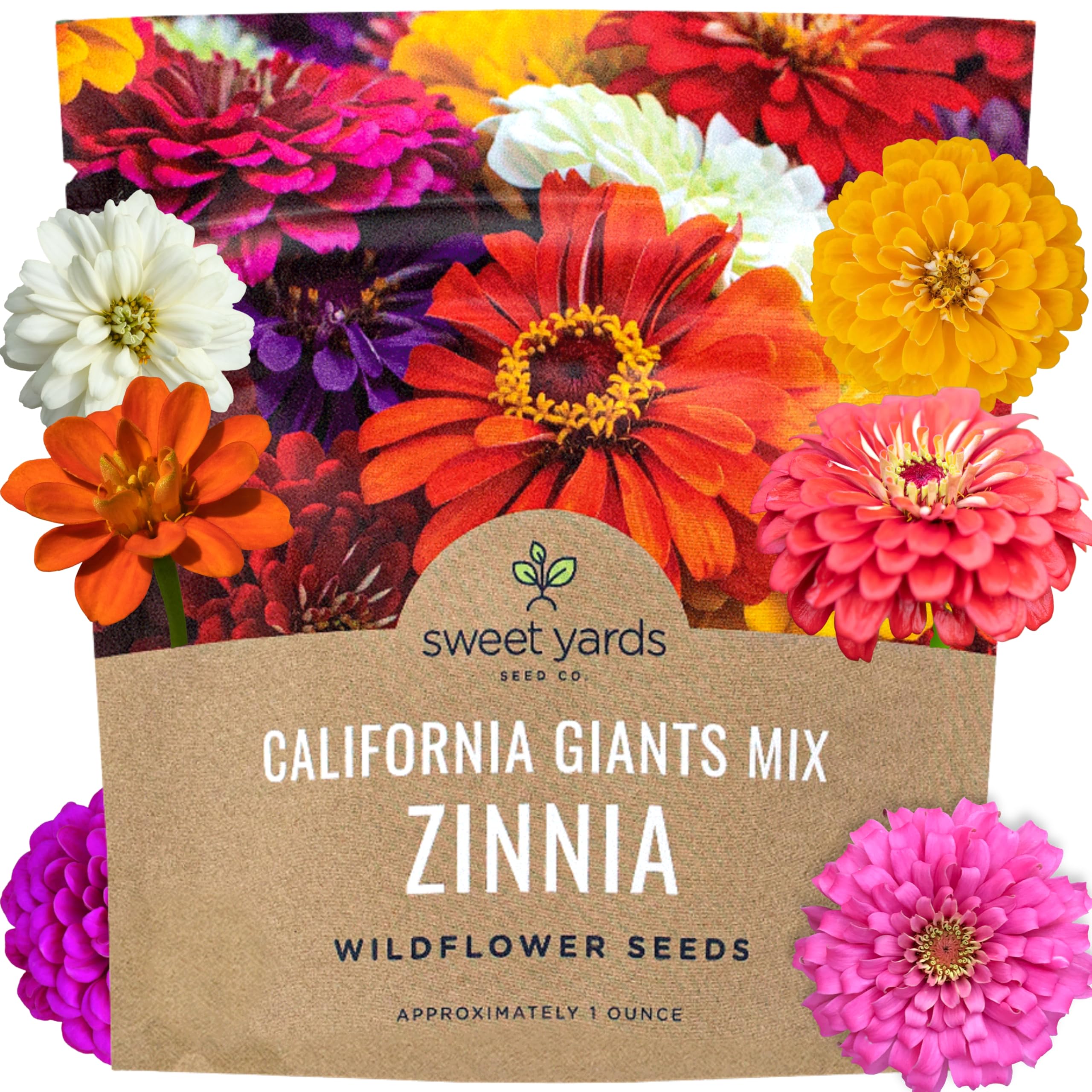
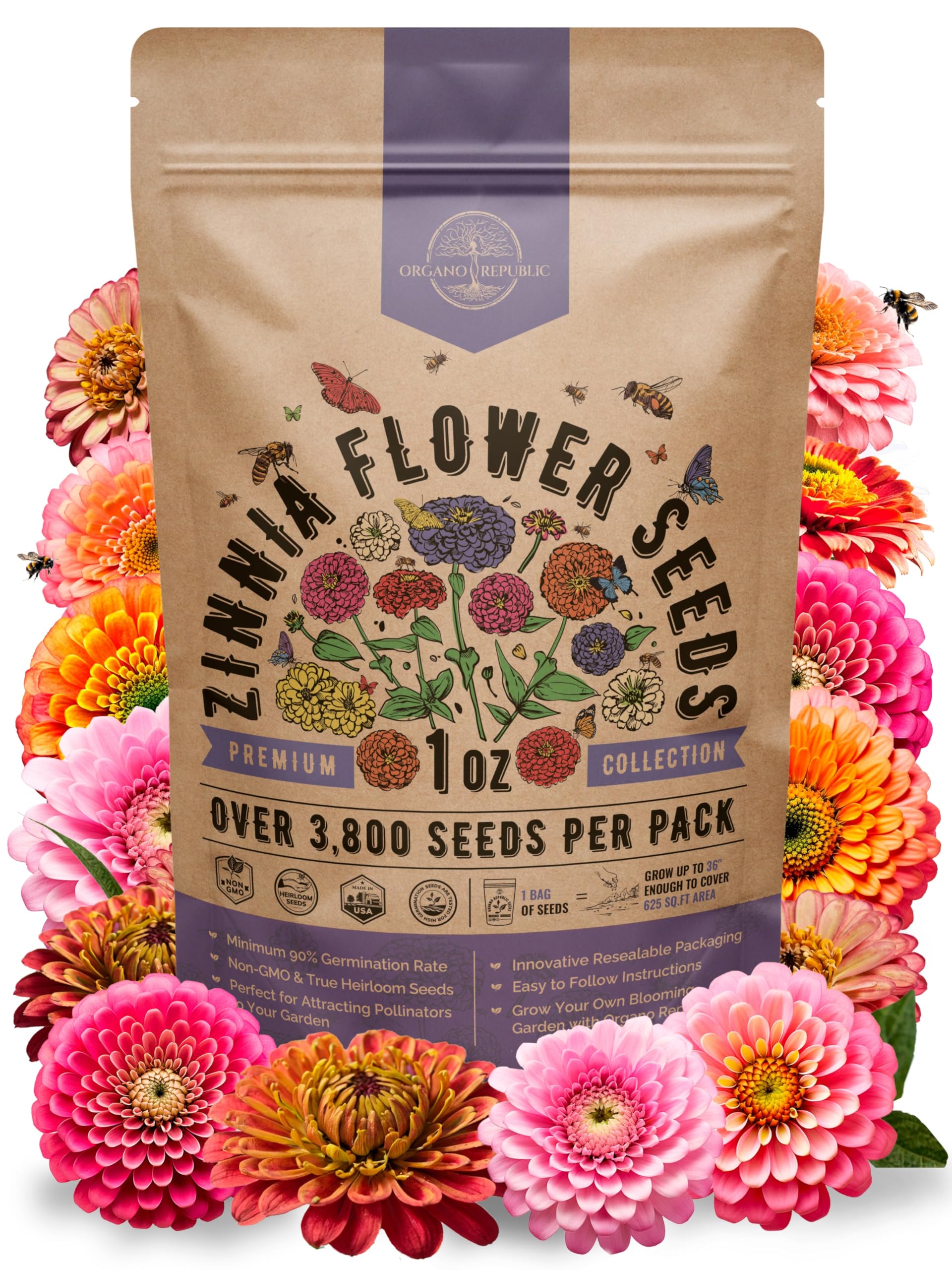
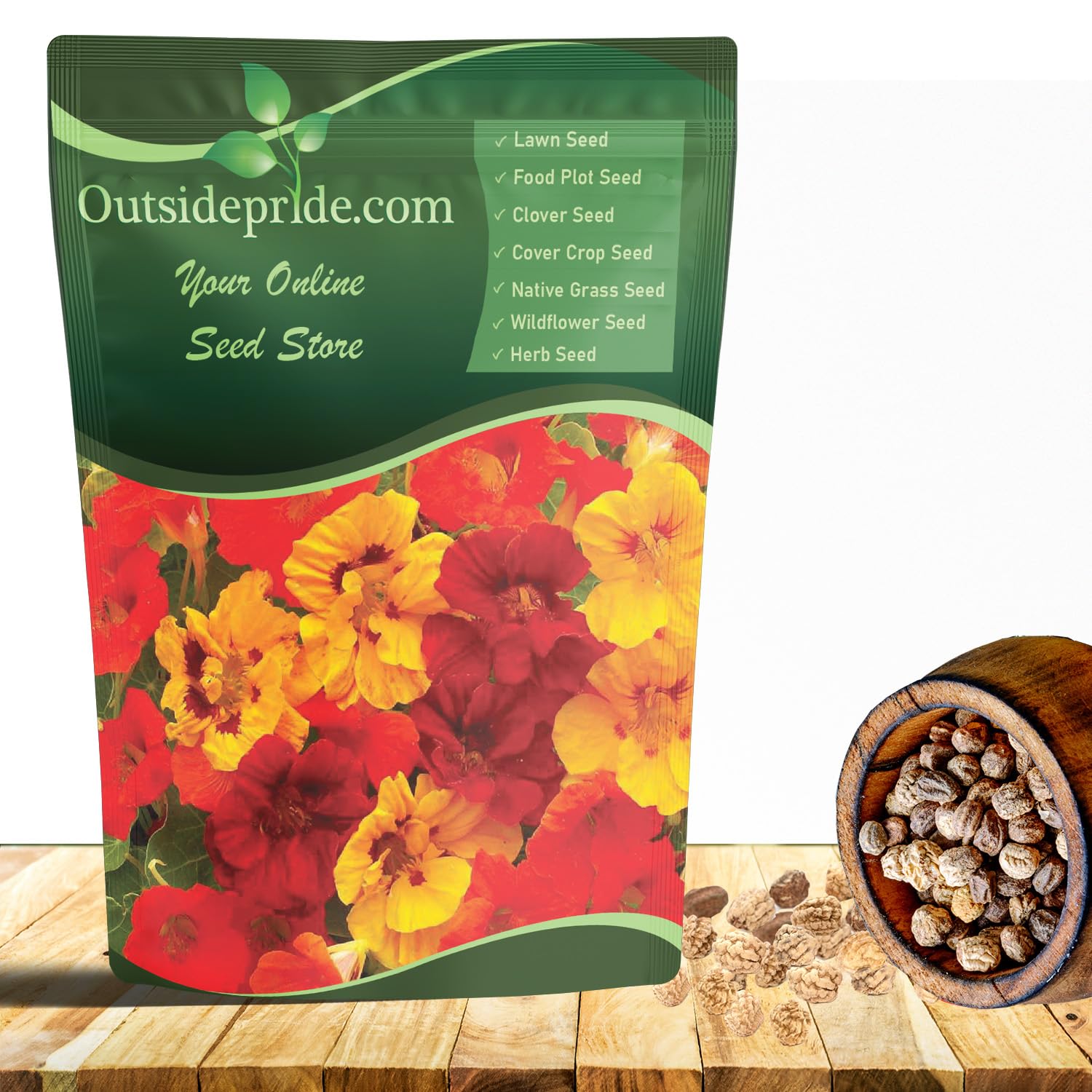


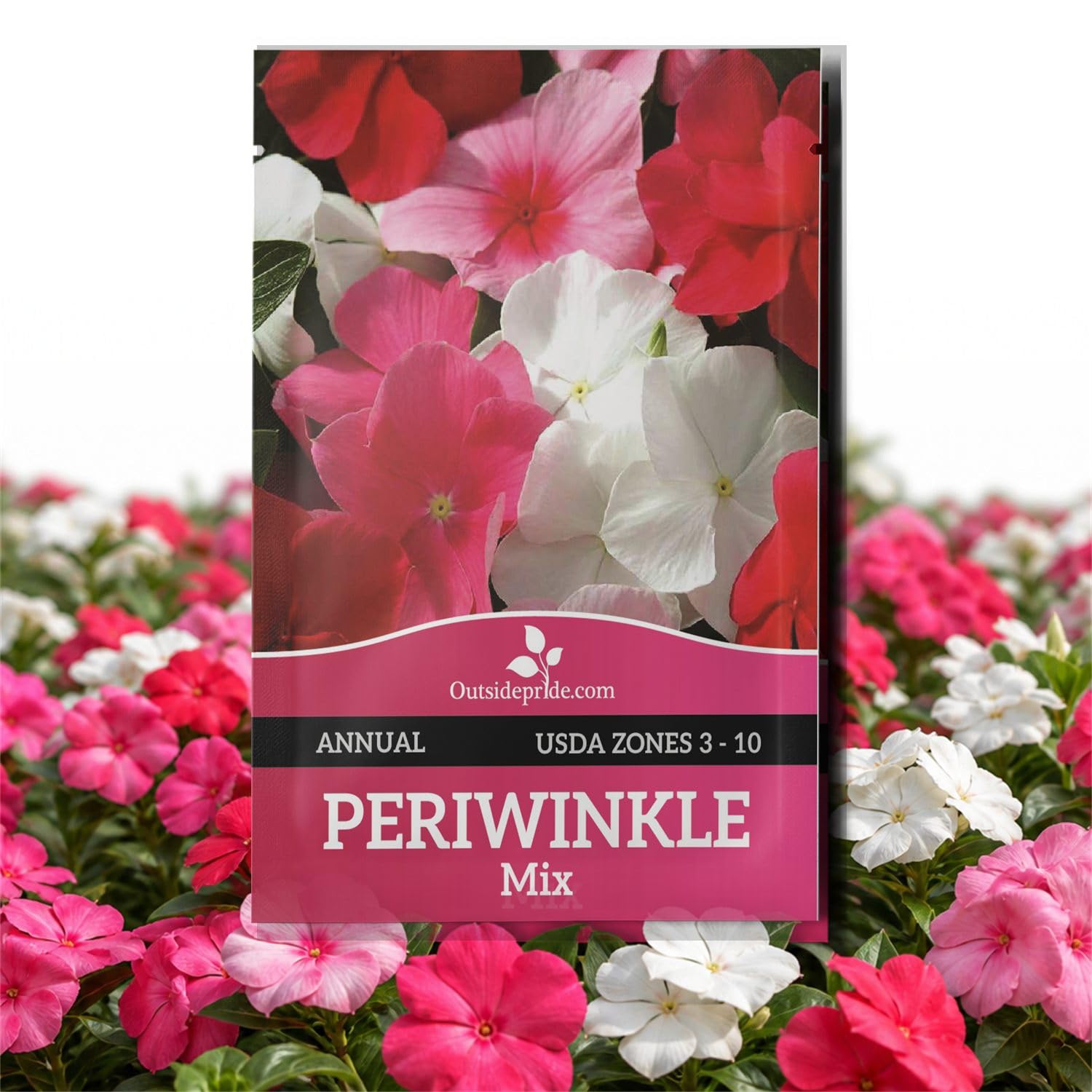
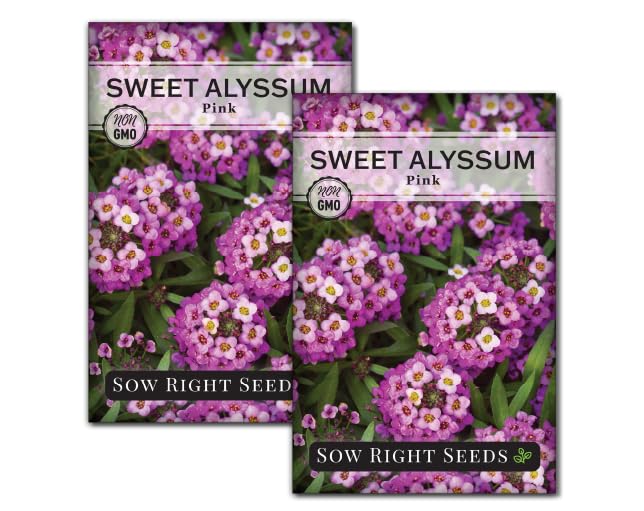
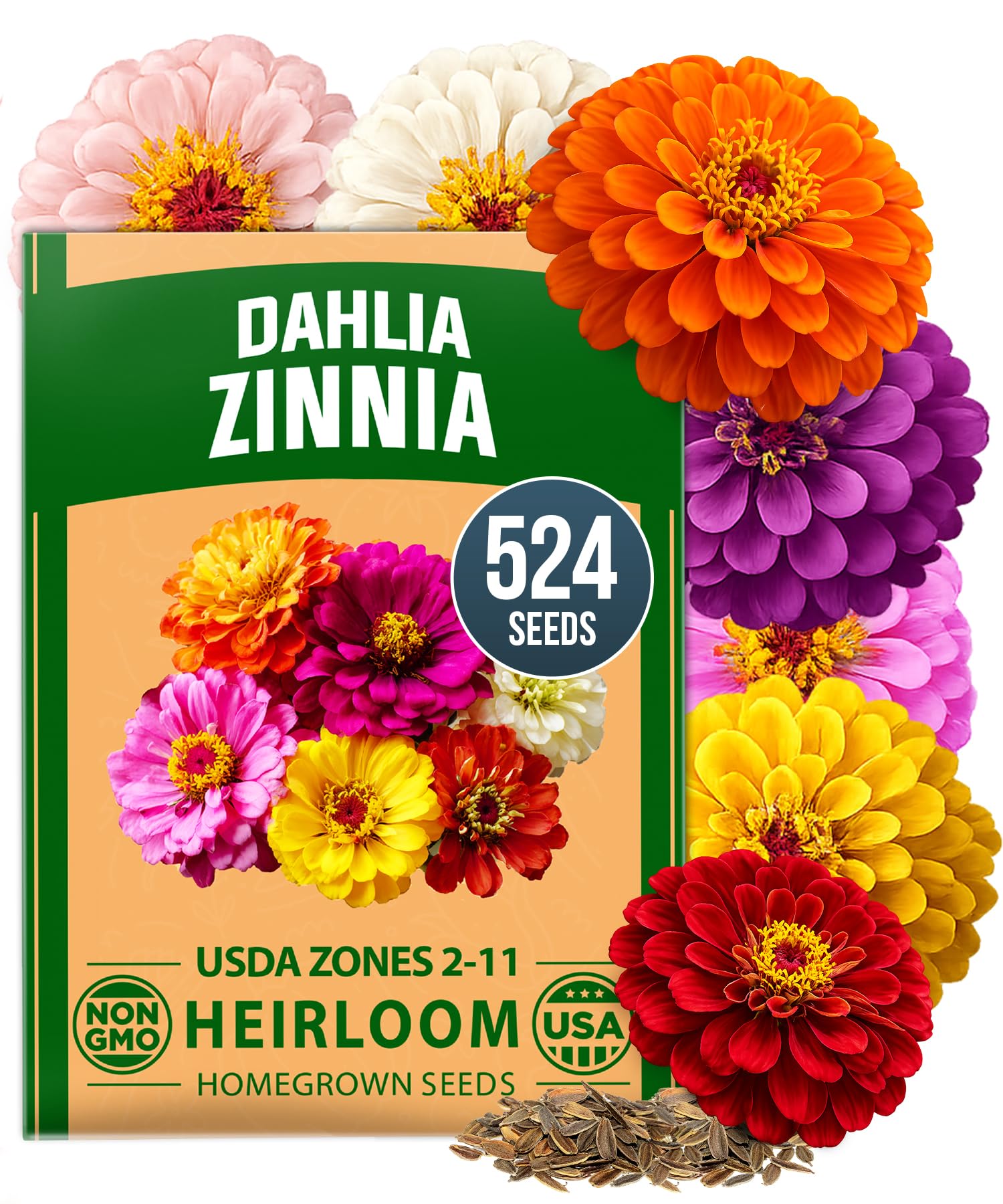

Three Buying Routes at a Glance
Gardeners buy annuals three ways: as starter plants, as seed, and as larger nursery stock. Your bed size and your frost dates should pick the route, not habit.
Starter Plants
Starter plants in cell packs or four inch pots, around $3 to $8 each, give the best balance of speed, certainty, and cost for most beds. You see flower color and plant health before you pay, roots establish within days in warm bed soil, and bloom follows in two to four weeks. The limit is range: unusual colors and less common varieties rarely appear as starters, so seed still wins for collectors.
Seed
Seed, at around $2 to $5 a packet, covers a whole bed for the price of two starter plants, and direct sowing suits fast annuals in warm soil. It is the smart route for long beds, borders, and cutting flowers where you want volume. The trade offs are patience and thinning: crowded seedlings compete and invite disease, so thin bravely to the spacing on the packet even when it feels wasteful.
A Simple Plan for Beginners
Beginners do best with a small set of forgiving starter plants plus a simple layout: one height group at the back, mounding flowers in the middle, and a low edge at the front. Forgiving choices tolerate a missed watering and imperfect spacing while you learn your bed rhythm. Buy a few extra plants, keep tags in the soil for reference, and take phone photos each week so you can see what worked and repeat it next year.
How to Choose the Best Annual Flowers: Buying Guide
Features That Matter for Raised Beds
Raised bed soil warms earlier in spring and drains faster than ground soil, which rewards annuals that root quickly and bloom over a long span. Look for heat tolerance for beds in full sun, since soil at the bed edge can get hot, and choose mildew resistant varieties where air flow is limited by fences or walls. Compact types suit narrow beds, while beds wider than four feet can carry taller back row flowers without shading the path.
Root depth matters in shallow beds. Most annuals root in the top 6 to 10 inches, so a bed with at least 10 inches of good mix gives them room; very shallow beds need the most compact varieties you can find.
Match the Product to Your Garden Size and Layout
Measure each bed and sketch its sun pattern before ordering. A standard four by eight foot bed can hold roughly 24 to 32 starter plants at typical spacing, depending on mature spread. Mixing flowers with vegetables is fine and even helpful for pollinators, but keep tall flowers on the north side so they do not shade peppers or greens.
If you want a dedicated flower bed plan, best flowers for raised beds lays out layout ideas by bed size, and best annuals for raised beds compares planting calendars for successive waves of bloom.
Performance Specs: Spacing, Coverage, Drainage, and NPK
Four specs decide success: mature spread for spacing, days to bloom for timing, sun hours, and fertility needs. Space most annuals at about their listed spread in beds, slightly tighter for a lush look if air flow is good. Coverage per plant tells you real value: a plant spreading 18 inches covers about nine times the area of one spreading 6 inches.
Drainage in raised beds depends on the mix, not the frame. A blend with bark and perlite drains freely while holding moisture. For feeding, work a slow release fertilizer with a balanced NPK into the top inches at planting, then supplement heavy bloomers with liquid feed every two to three weeks. Gardeners comparing soil options should read best soil for raised flower beds before filling a new bed, because the mix decides more than any single flower choice.
Durability and Weather Resistance
Annuals face wind, pounding rain, and heat spikes in an exposed raised bed. Sturdy stems, flexible growth, and petals that shed water recover fastest after storms. In windy sites, choose compact varieties for the bed edges and place taller flowers toward the center or back with light staking. For winter, remember the plants themselves are done at frost; durability then means a bed and frame that store well, with liners and tools cleaned and kept dry.
Frost timing frames the whole season. Tender annuals planted before the last frost date can be lost in one cold night, so keep fleece or old sheets ready to cover beds when a late freeze threatens.
Ease of Use and Storage
Starter plants demand prompt planting, while seed packets store flat in a dry drawer and weigh almost nothing. Plan your buying around your calendar: if you cannot plant for two weeks, seed or a later nursery trip beats a flat of thirsty starters on the porch. Keep packets in a sealed jar with the year marked, and germination will stay strong into the next season for most annuals.
Practical tip: stage plants beside the bed in their pots for a day before planting. You will spot spacing mistakes and color clashes while changes are still free, and the plants get a first taste of the bed light and wind.
Material and Build Quality
For plants, build quality means a compact, sturdy seedling with deep green leaves, no spots, and roots that hold the plug together without circling densely at the bottom. Avoid leggy, pale starters stretched by low light, because they rarely catch up. For the bed itself, sound frames and sound mix are the materials that matter: a mix rich in compost feeds soil life, while a tired, dusty mix needs refreshing with compost each season before flowers go in.
If you also grow long lived plantings, comparing with best perennial flowers for raised beds helps you reserve permanent spots for perennials and keep flexible space for annual color.
Types of Annual Flowers
Organic and Eco Friendly Options
Open pollinated seed and untreated plants let you save seed, welcome pollinators, and keep the bed aligned with organic practice. Single blooms feed bees best. Expect slightly more variation in height and color than hybrid stock, which many gardeners enjoy as a natural look. OMRI listed inputs keep the whole bed consistent when you also grow food nearby.
Premium and Heavy Duty Options
Premium hybrids bred for disease resistance, self cleaning blooms, and heat endurance earn their price in prominent front yard beds and hot climates. They keep flowering through August when bargain plants pause. Use them where the bed is on display daily, and mix in value plants at the back where small flaws hide easily.
Lightweight and Compact Options
Compact annuals bred for edges and small spaces fit narrow beds, shallow frames, and the front row of any layout. They need less staking, less water per plant, and they finish neatly. Their limit is height: a bed built only from compact types can look flat, so add one taller group for shape. Garden layouts in best flowers for raised garden beds show how to combine heights without crowding.
Standard Options
Standard garden annuals, the familiar seed rack and nursery staples, balance price, range, and reliability. They suit most beds and most gardeners, and their care needs are well documented on every packet and tag. When a bed is new and you are still learning its sun and water patterns, standard options are the sensible default for the first season.
Tips to Get the Most From Your Annual Flowers
- Water early in the morning: deep morning watering sends moisture to the roots before heat rises and keeps foliage dry by nightfall.
- Mulch the surface: a thin layer of fine mulch slows evaporation and keeps soil from splashing onto leaves during rain.
- Refresh bed soil with compost each season: annual roots and feeding deplete a bed, and compost restores structure and nutrients.
- Check soil pH every couple of years: most annuals prefer a near neutral pH, and lime or sulfur adjustments work slowly, so test before problems show.
- Deadhead or shear at midsummer: removing spent blooms, or shearing leggy plants back by a third, triggers a fresh flush of flowers.
Annual Flowers: Your Questions Answered
What features matter most in annual flowers for raised beds?
Long bloom span, the right mature size, and tolerance for warm, fast draining soil matter most. Beds reward plants that root quickly and keep flowering without daily attention. Disease resistance deserves special weight where beds sit against a fence, because still air lets mildew spread. Match sun needs to the actual bed, not the bed you wish you had.
How long do annual flowers last in a raised bed?
One season is the honest answer: from planting after frost until the first hard freeze, often five to six months of growth with three to five months of strong bloom. Heat waves can pause flowering; shearing and feeding restart it. Because the plants will not return, some gardeners interplant a few perennials for structure and let annuals supply changing color around them.
Is organic worth it for raised bed flowers?
Organic seed and inputs are worth it when the same bed or the bed beside it grows food, and when you want maximum pollinator activity. Costs stay modest at bed scale. The commitment is attention: organic pest management relies on early detection, healthy soil, and removing badly infested plants promptly rather than reaching for a strong spray later.
How much do I need for my garden?
Work from area and spacing. A four by eight foot bed at 12 inch spacing takes about 32 plants; at 18 inch spacing, about 14 larger plants. Seed users should sow roughly double and thin. Add a small reserve of plants or seed for gaps in the first month, since a unified look depends on filling early losses quickly.
What is the difference between garden soil and potting mix in a raised bed?
Raised beds need a middle ground: a raised bed blend that behaves like rich garden soil but drains like a mix. Plain topsoil compacts and may carry weed seed, while pure potting mix dries too fast and costs too much at bed scale. A blend of topsoil, compost, and an aerating material gives annual roots moisture, air, and food across the whole season.
The Bottom Line
Choose for your sun, space plants by their mature spread, and feed the soil as faithfully as the flowers. With those habits, a raised bed returns months of color for a modest seasonal spend. Review the product table one last time, then order the best annual flowers for raised beds that fit your beds and your calendar.