Best Annuals for Raised Beds at Every Price: What Your Money Really Gets You for 2026
Disclosure: We may earn a commission when you buy through links on this page, at no extra cost to you. As an Amazon Associate I earn from qualifying purchases. Learn more

Best annuals for raised beds by budget: what each price tier delivers in size, speed and reliability.
Prices for best annuals for raised beds range from a few dollars for a small pack of young plants to much more for large, nursery grown specimens, and the gap is not always obvious at the shelf. This guide shows what each price level really delivers in size, speed, and reliability.
A raised bed gives annuals warm, loose, well drained soil, so plants often grow faster here than in the ground. Spend where that speed matters, save where simple fillers do the job, and use the product table to sort your short list.
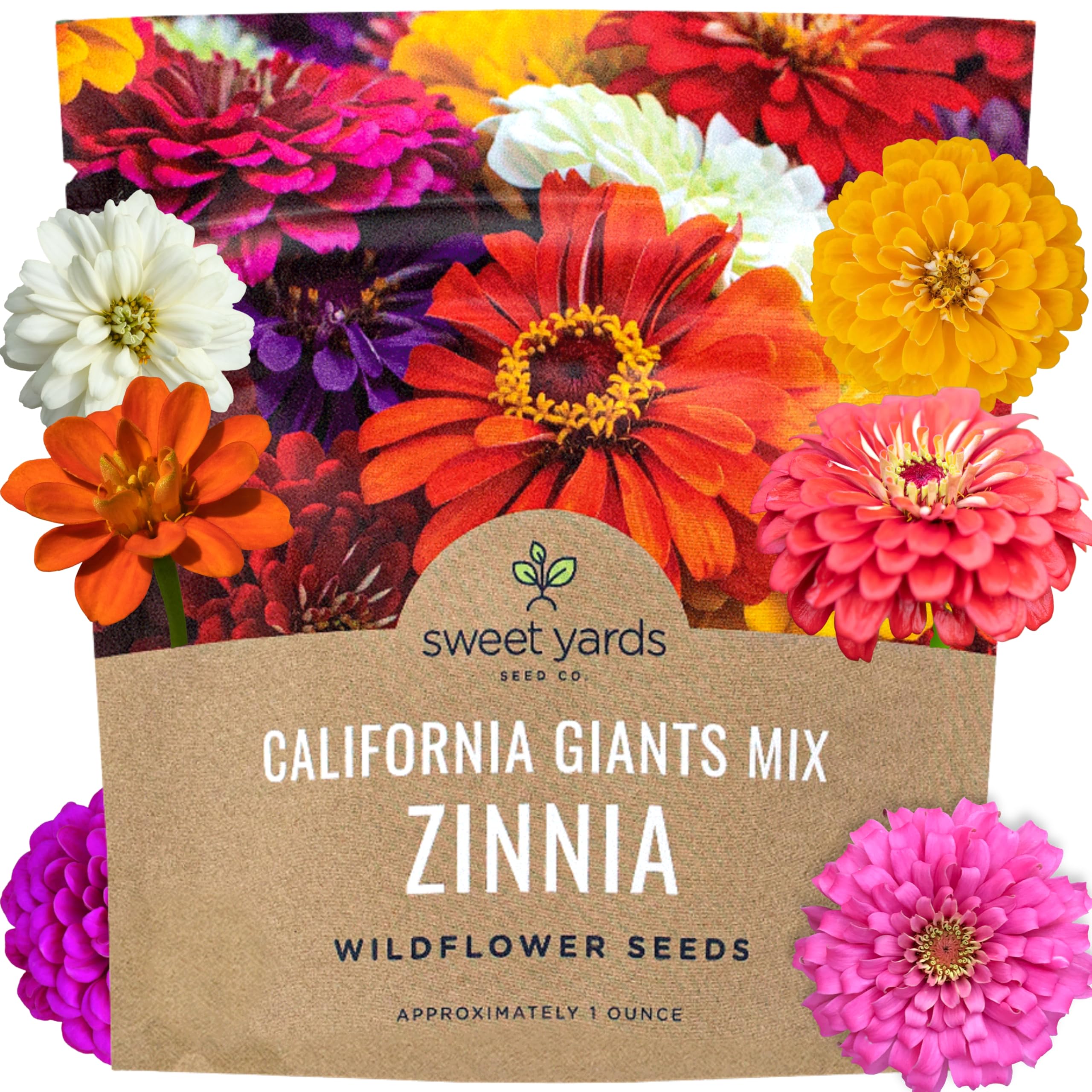
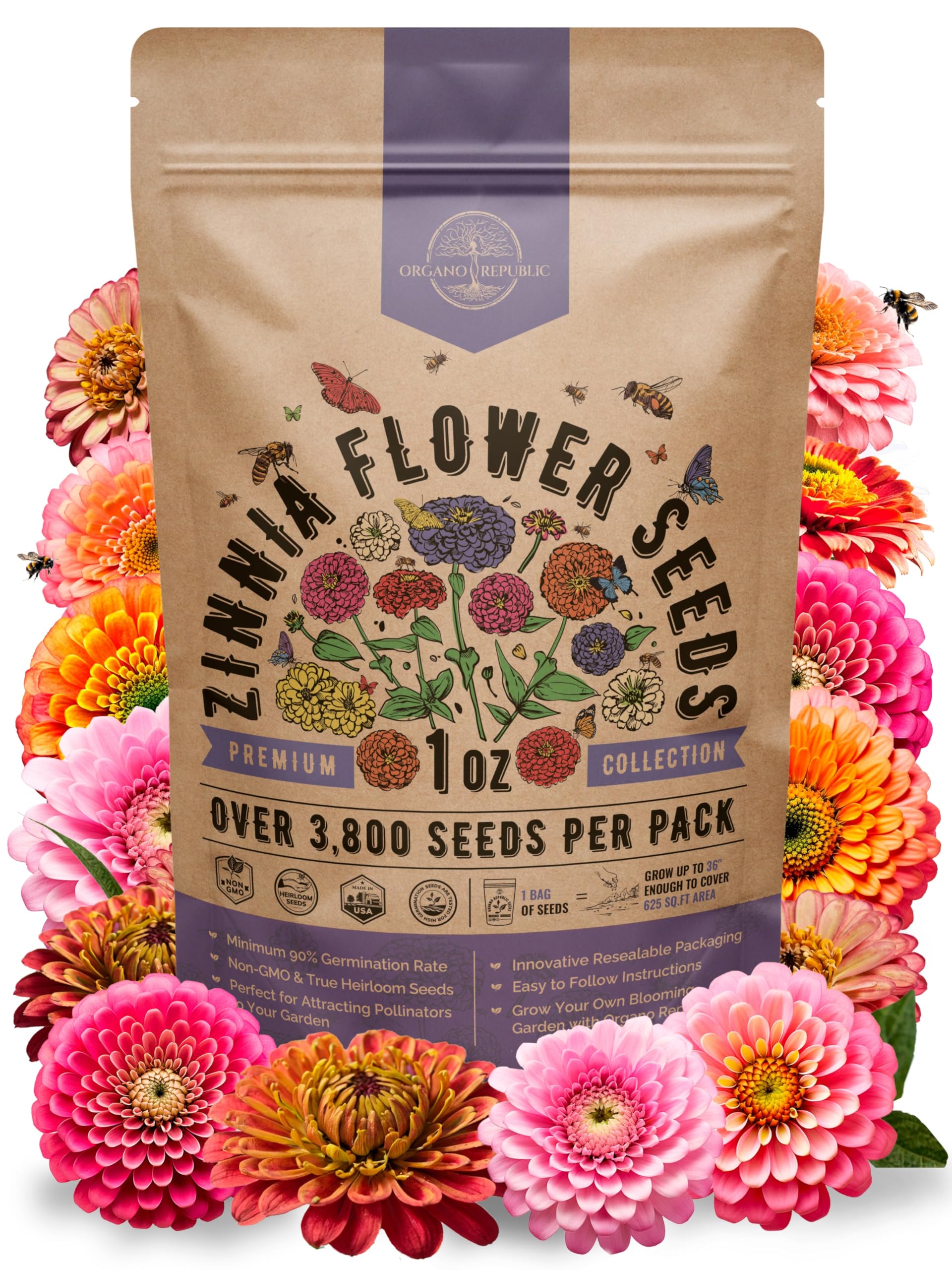
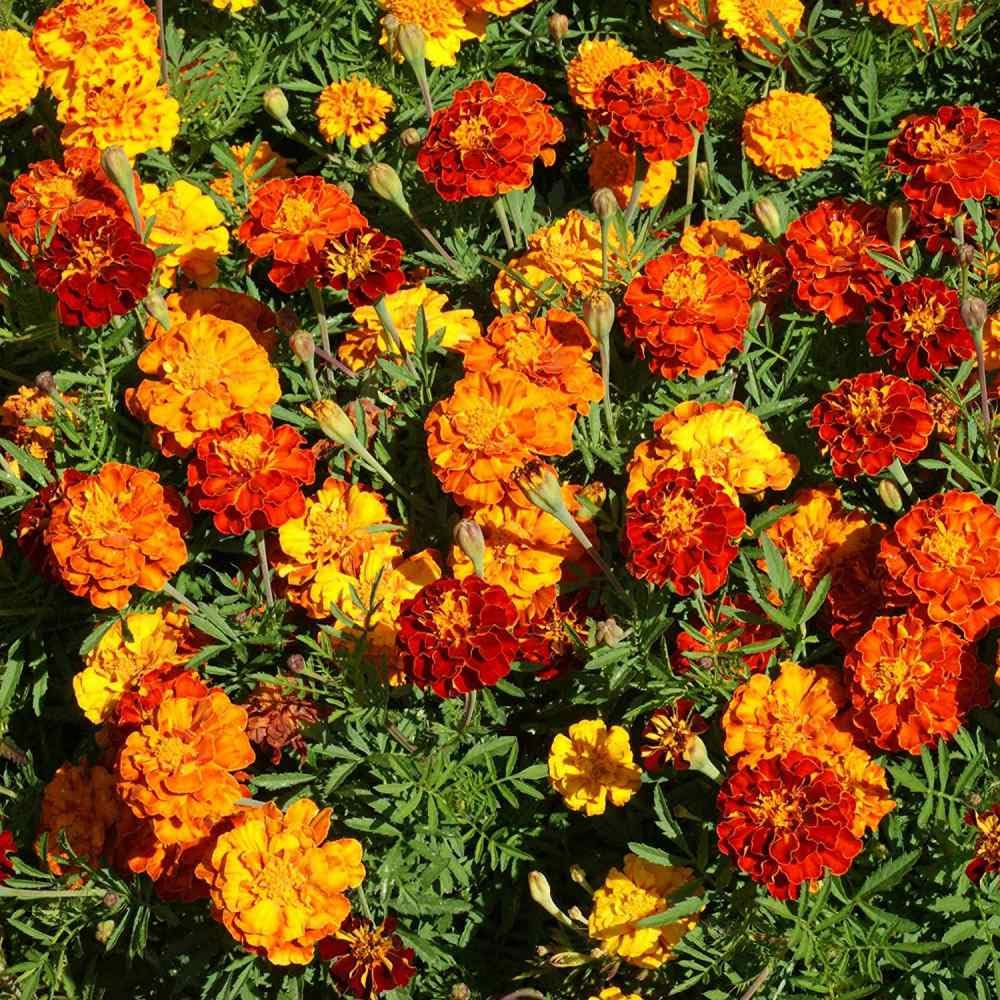



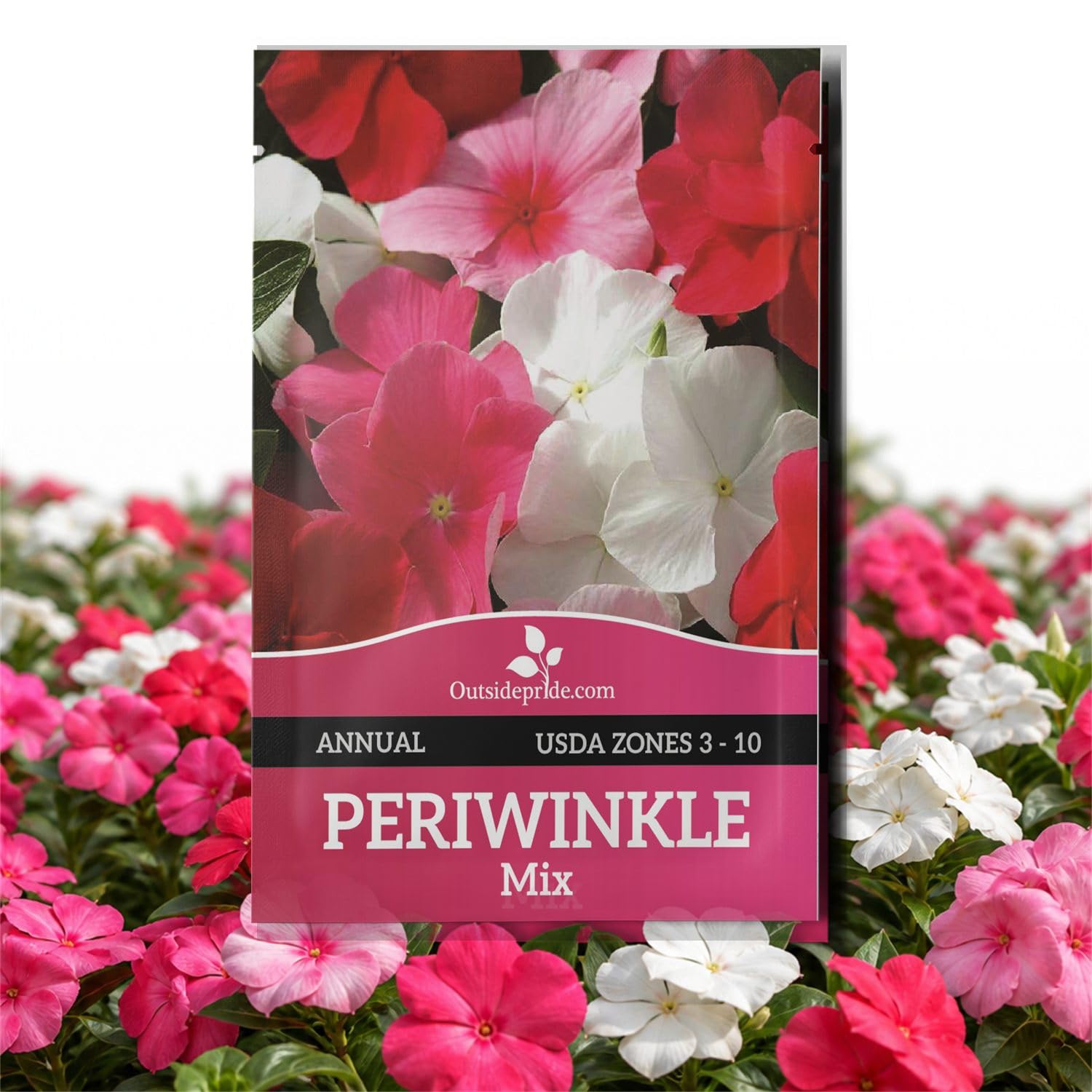
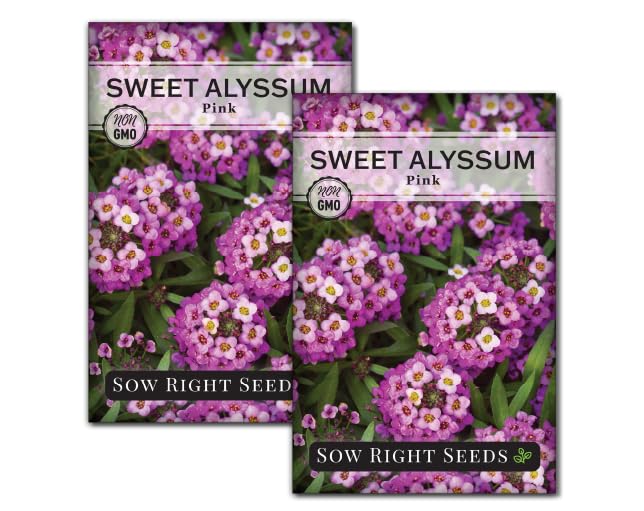
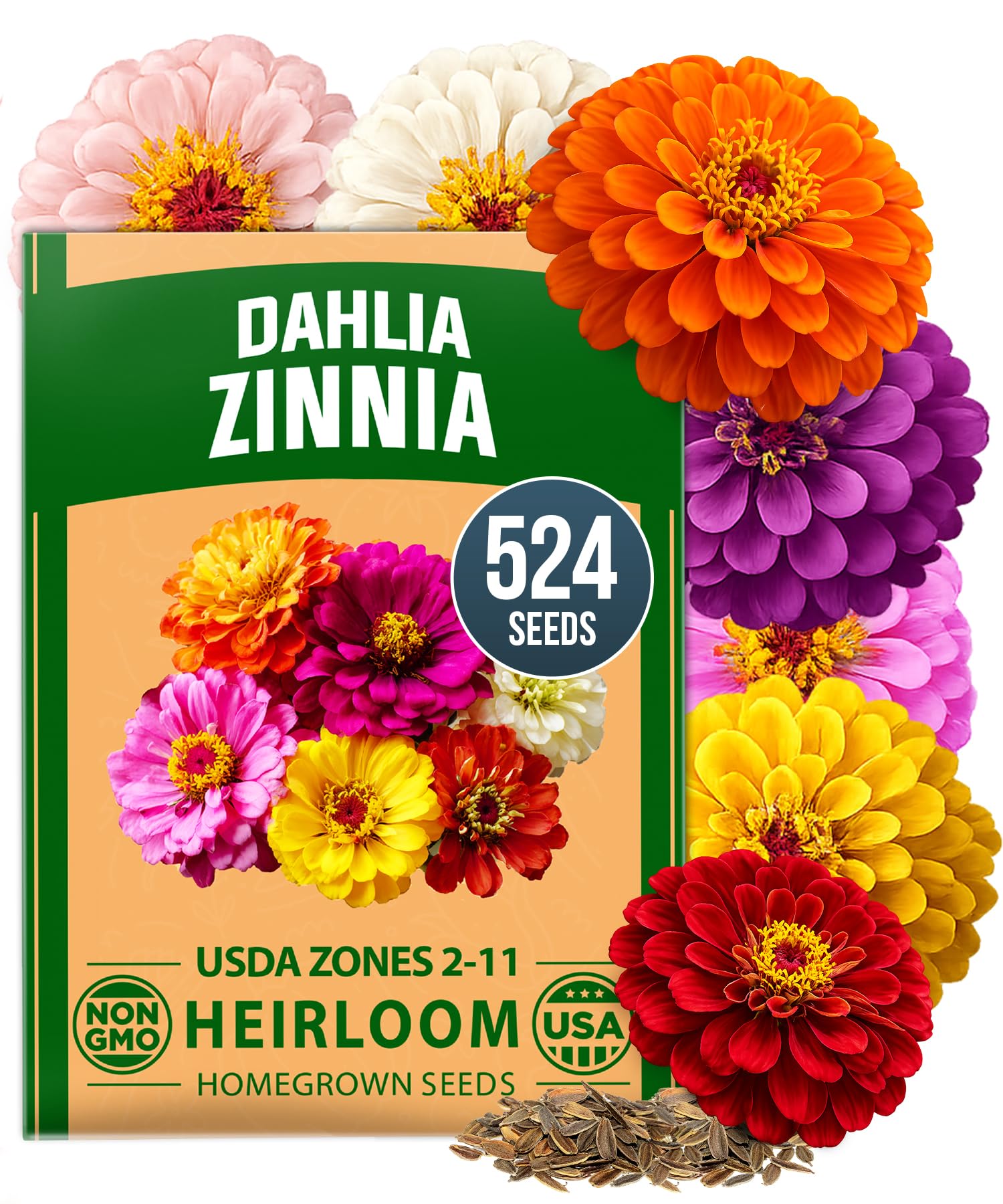

Plant Choices by Budget
Budget Plants
The budget choice is a young plant in a small pot or a value pack, usually around $3 to $6 per plant. It suits gardeners filling a large bed who can wait three to four weeks for full coverage. Strengths are low cost and easy replacement if one plant fails. The limit is size at planting, since small roots need careful watering in the first two weeks. In a warm raised bed, though, healthy budget plants catch up fast, and by midsummer the difference from pricier plants is often hard to see.
Midrange Plants
The midrange choice is a well rooted plant in a quart sized pot, usually around $6 to $12. It suits most home gardeners because it balances instant presence with sane cost across a whole bed. Roots are developed enough to settle quickly, and branching is often already started, so you pinch less. The trade off is that premium flower forms and rare colors are less common at this level. For a bed seen from a patio or path every day, this tier gives the most bloom per dollar for most people.
Premium Plants
The premium choice is a large plant in a gallon sized pot or a specialty type with unusual color, scent, or foliage, usually around $12 to $20 or more. It suits focal spots, front beds, and gardeners who plant late and need instant effect. Strengths are immediate coverage and strong, proven growth. The limit is simple math, since filling an entire large bed at this level costs a lot for plants that still finish at frost. Use premium plants as accents and let midrange plants carry the rest.
What Your Money Gets You at Each Price Tier
Budget Tier: What to Expect
At the budget tier, expect common colors, smaller pots, and plants that need a short grow in period before they fill their space. Quality varies more, so inspect each plant and pick the stockiest one with the most buds. You may also do more of the work yourself, including pinching tips and feeding earlier. Budget plants pair well with seed sown fillers for very large beds. The savings are real, but only if you plant on time in spring, because a late start leaves small plants racing the summer heat.
Midrange Tier: The Sweet Spot for Most Buyers
Midrange plants arrive with better roots, more even branching, and tags with clearer spacing and feeding guidance. Flower choice widens, and plants are often grown in the region, so they handle local weather better than shipped budget stock. This tier also tends to include improved types with better disease resistance, which matters in a raised bed where plants grow close together. Most gardeners should build the bed plan around this tier and then add a few budget fillers or premium accents where each makes sense.
Premium Tier: When Spending More Pays Off
Spending more pays off when time is short, the bed is a focal point, or you want a specific color that common stock does not offer. Premium plants can also carry stronger scent or longer bloom, traits bred into newer lines. It does not pay off for background fill, edging you will barely notice, or beds you replant often for cut flowers. A useful rule is to cap premium plants at about a quarter of the bed, so the display gains impact without the total cost doubling.
If you want flower specific planning before you set the budget, see our guide to the best annual flowers for raised beds for color and season ideas.
Features Worth Paying For (and Ones to Skip)
Match the Product to Your Garden Size and Layout
Bed size drives plant count more than any other factor. A standard bed four feet wide and eight feet long can hold a lot of annuals at twelve inch spacing, so cost per plant multiplies fast. Plan rows or blocks by mature height, tall at the back or center, low at the edges. Leave a path side gap for harvesting and deadheading. Gardeners comparing layouts can also read our wider guide to the best for raised beds to see how annuals fit with other plantings.
Features That Matter for Raised Beds
Raised bed soil warms early and drains fast, so choose annuals that root deeply and tolerate warm soil. Disease resistance matters because beds are planted densely and watered often. Look for strong stems that hold up without staking in a bed exposed to wind. A defined mature height helps you layer the bed without shading low edging plants. Skip types that demand constantly wet soil, since a raised bed dries from the sides as well as the top and will fight you all season.
Value and Coverage per Dollar
Work out coverage per dollar by dividing plant cost by the square feet it will cover at mature spread. A plant costing around $9 that covers two square feet beats a plant costing around $5 that covers less than one. Seed raised fillers cost the least per square foot but need time and thinning. Also price the soil top up and fertilizer for the whole bed, not just the plants. The bed itself is the platform, and our guide to the best dirt for raised beds explains soil costs in detail.
Performance Specs (Length, Coverage, Drainage, NPK)
Read height and spread as your layout specs, and treat bloom period as the performance window you are buying. Drainage in a raised bed depends on the soil mix, so a mix with bark and perlite keeps roots aired after heavy watering. For feeding, NPK on the fertilizer bag shows the nutrient balance. Leafy growth responds to nitrogen, while steady all purpose feeding suits mixed flower beds. Check soil pH every year or two, because raised bed mix drifts as compost breaks down and water adds minerals.
Long Term Costs to Factor In
Beyond plant prices, count fresh mix or compost each spring, since bed levels drop as organic matter breaks down. Add fertilizer, mulch, replacement plants after storms, and water during dry spells. Supports for tall annuals, such as short stakes or rings, are a small yearly cost worth planning. Organic options with an OMRI listing can cost a little more but simplify choices for food garden areas. Over a full season, supplies often equal the plant budget, so a plan that only prices plants will come up short by midsummer.
FAQs
What features matter most in annuals for raised beds?
Deep rooting, disease resistance, and a clear mature size matter most. Add one check many buyers skip: look at the lower leaves for spots before you buy, because crowded raised beds spread leaf problems quickly. A clean plant at planting is worth more than any spray later. Gardeners mixing plant types can compare our guide to the best plants for raised beds for layout balance.
How much do I need for my garden?
Base the count on mature spread and bed area. At twelve inch spacing, a four by eight foot bed holds about thirty two plants, which is why tier choice changes the total so much. Buy a few spares in the same batch for early losses. For soil, a bed that size at twelve inches deep needs about thirty two cubic feet of mix at first fill, less for yearly top ups.
What is the difference between garden soil and potting mix?
Garden soil is blended for ground use and often includes heavier native style material, while raised bed mix and potting mix are lighter and drain faster. In a raised bed you want that drainage plus compost for feeding. Pure garden soil can settle and crust in a bed, slowing water entry. If cost forces a blend, mix garden soil with compost rather than using it alone, and fluff the surface after heavy rain.
Is organic worth it?
Organic feeding is worth it for many raised bed gardeners because beds often sit near herbs and vegetables, and compost based feeding improves the mix each year. The cost per season is modestly higher, and results come a little slower than synthetic feeding. The real gain is soil structure, which helps roots and water flow. If you go organic, start feeding early so nutrients are available when growth speeds up.
Final Thoughts
Build the bed around midrange plants, use budget plants for fill, and save premium plants for the spots your eyes land on first. Check spread and soil needs before color, and the bed will look planned rather than patched together. Start with the best annuals for raised beds that fit your tier mix, then compare your short list with the product table before you order.