
Best Ankle Boots for Walking for 2026: What Your Money Really Gets You
Disclosure: We may earn a commission when you buy through links on this page, at no extra cost to you. As an Amazon Associate I earn from qualifying purchases. Learn more

The best ankle boots for walking depend on fit, cushioning, and traction. See what each price tier delivers and which upgrades matter.
Prices for walking boots vary widely, and the most expensive pair is not always the most comfortable for your feet. This guide to best ankle boots for walking explains what each price tier usually delivers, which features are worth paying for, and which ones you can skip. Use it alongside the product table to match a boot to the miles you actually walk.
Ankle boots for walking sit between shoes and taller hiking boots, giving light ankle coverage without the weight of a full boot. That middle ground suits daily walks, commuting on foot, and light trail use, but it also means fit and cushioning matter more than rugged looks. The sections below walk through spending levels first, then the features that decide comfort over long distances.

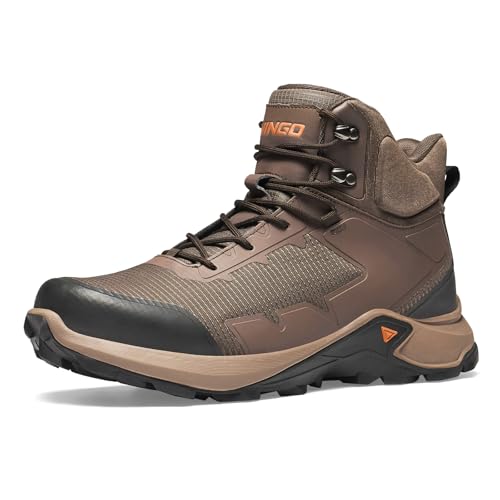
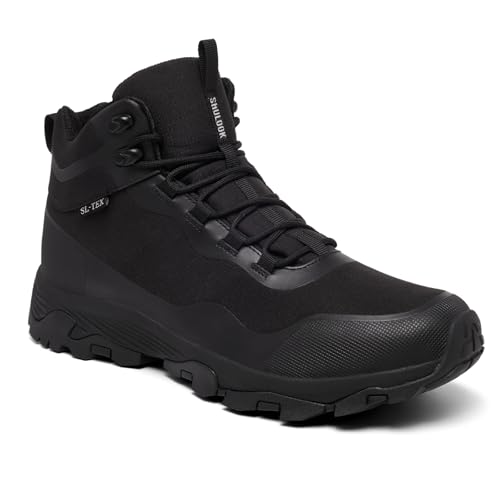
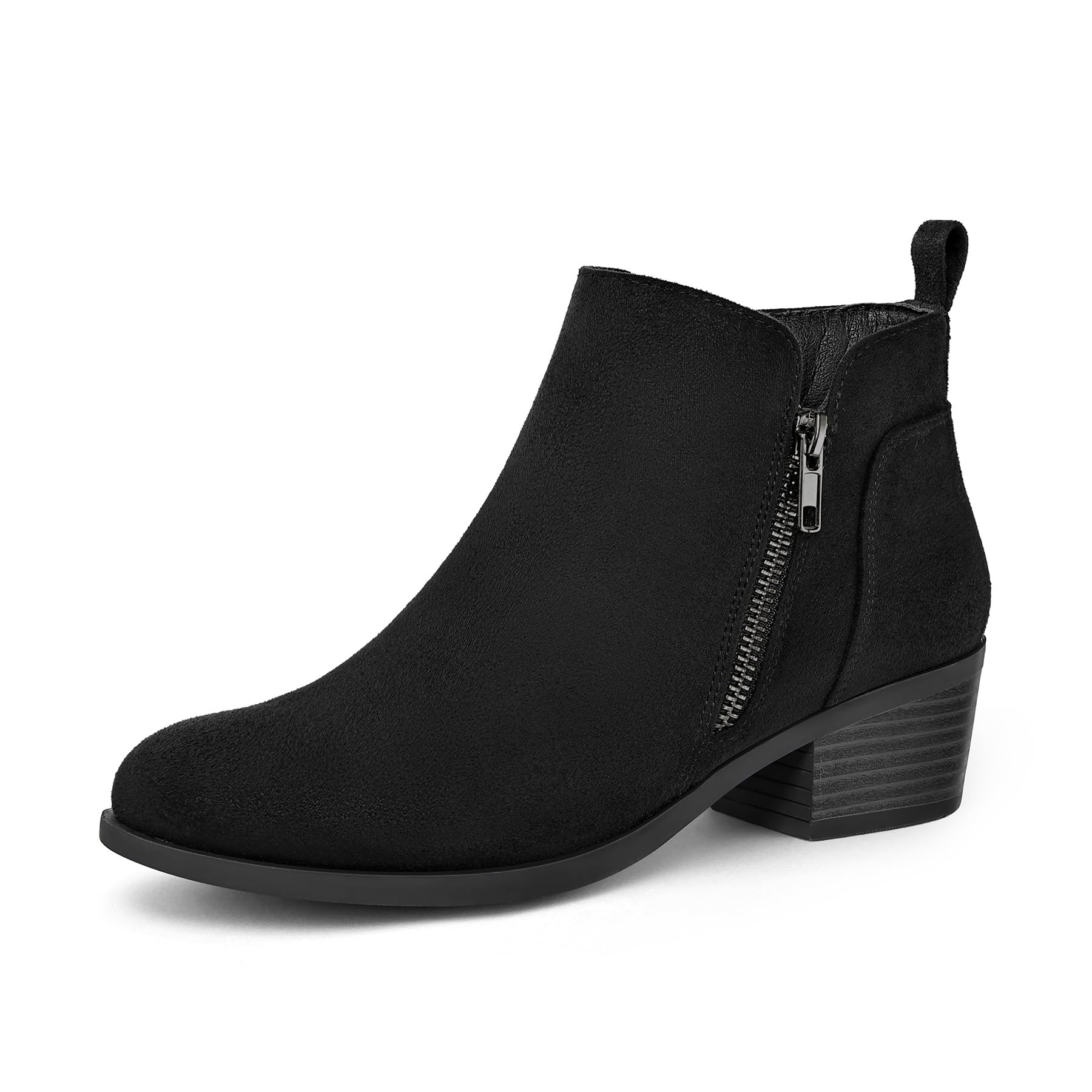

Spending Levels for the Best Ankle Boots for Walking
Think of spending levels as a way to compare what you get, not as a ranking of good and bad boots. A lower priced boot can serve short daily walks well, while a higher priced boot may pay off only if you walk long distances often.
Lower Priced Options Worth a Look
Lower priced walking boots usually offer basic cushioning, a simple lacing system, and a rubber outsole with modest grip. They suit short walks and occasional use, and they are a sensible choice when you are still learning what fit you prefer. Watch for thin insoles and shallow tread, since those are the first places where cost savings show up. If you walk more than a few miles a week, plan to check the cushioning early, because it may compress sooner than in higher priced designs.
Mid Priced Options for Everyday Miles
Mid priced walking boots often add better cushioning, more supportive insoles, and outsoles with deeper lugs for wet pavement and light trails. This level suits most daily walkers, since it balances comfort, durability, and price without paying for heavy duty features you may never need. Look for a roomy toe box, a heel counter that holds your foot steady, and a waterproof membrane only if you walk in rain often. Many walkers find their best value here, because the jump in comfort over the lowest tier is clear while the price stays reasonable.
Higher Priced Options for Long Wear
Higher priced walking boots usually bring premium cushioning foams, more durable uppers, and refined fit details such as padded collars and better arch support. They make most sense for long daily distances, rough surfaces, or walkers who wear one pair for most of the year. The extra cost buys longer lasting comfort rather than a different kind of boot, so weigh it against how many miles you truly cover. If you walk only short distances, the same money may be better spent on a second pair for rotation.
What Your Money Gets You at Each Price Tier
At a Lower Price
At a lower price, expect straightforward construction, synthetic or basic leather uppers, and cushioning that feels good at first but may flatten with heavy use. These boots work well for short walks, errands, and trying a new style without a large outlay. Typical prices run about $30 to $110, though sales and simple designs can fall below that range.
At a Middle Price
At a middle price, expect improved foam cushioning, sturdier stitching, and outsoles that grip better on wet or uneven ground. Water resistant finishes and padded ankle collars become more common here, and the fit tends to feel more refined. Typical prices run about $110 to $180, which suits walkers who cover several miles most days.
At a Higher Price
At a higher price, expect full grain leather or advanced synthetics, long lasting cushioning, and details such as resoleable construction or replaceable insoles. These boots suit high mileage walkers and those who need steady support across varied terrain. Typical prices run about $180 to $280, and the value depends on how often and how far you walk.
Features Worth Paying For and Ones to Skip
Use this section to decide where your money helps and where it does not. A feature is worth paying for only when it matches the ground you walk on and the distance you cover.
Durability and Expected Lifespan
Durability in walking boots shows up in the outsole, the upper, and the midsole foam. Running shoes often last about 300 to 500 miles, and walking boots follow a similar pattern, though sturdier uppers can stretch that range for lighter walkers. Check sole wear at the heel and toe, watch for seams pulling apart, and note when cushioning stops springing back.
A boot with a replaceable insole can last longer, since fresh insoles restore some comfort without replacing the whole boot. Skip fashion only finishes that scuff quickly if you walk daily, since they add cost without adding miles.
Features That Matter for Walking
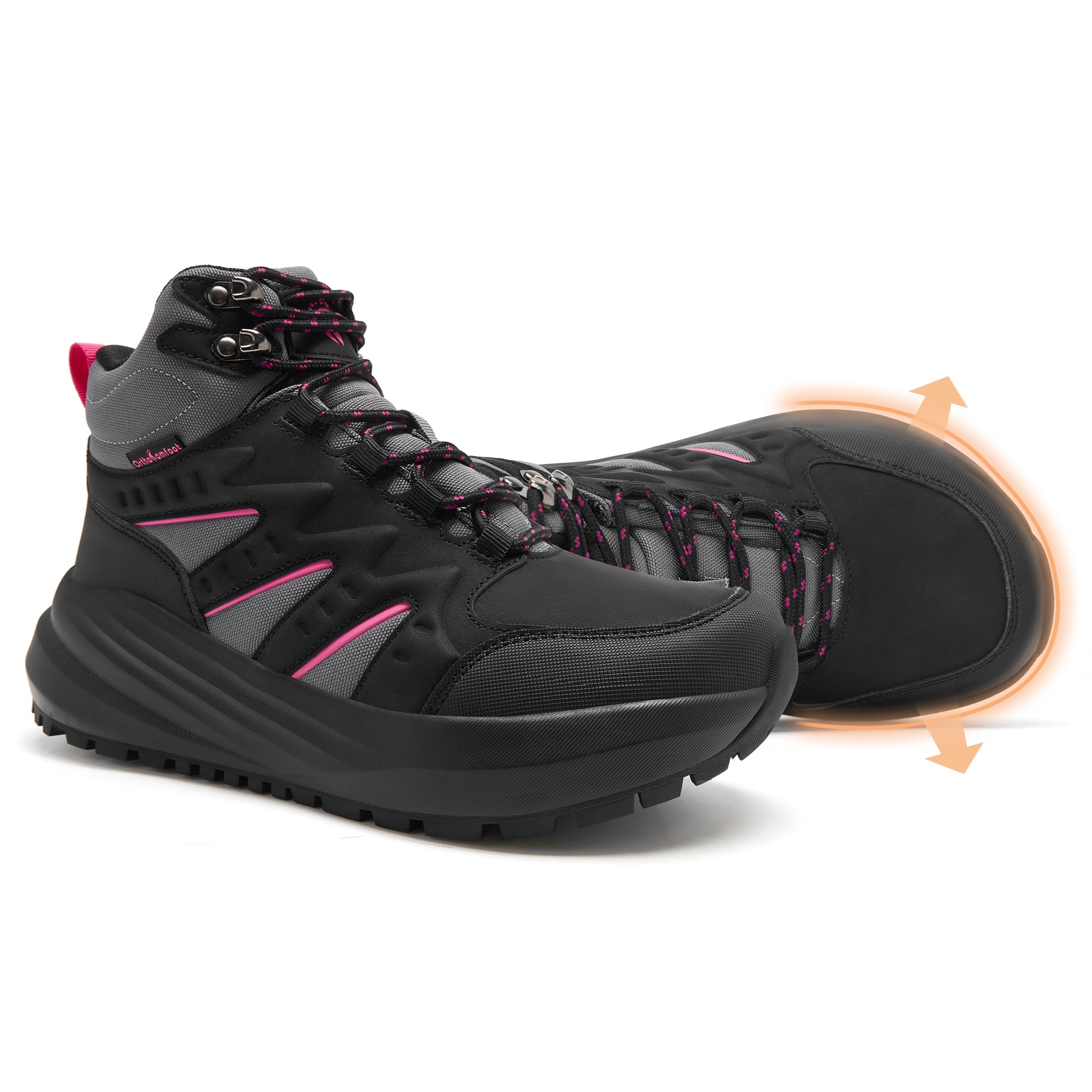
Walking calls for steady forward motion, so look for a rocker shaped sole or gentle toe spring that helps your foot roll through each step. A stable heel counter keeps your foot centered, and a midsole with moderate cushioning absorbs pavement impact without feeling mushy. Lightweight designs reduce fatigue on long walks, while a slightly wider platform adds balance on uneven ground.
If you walk while traveling, see our guide to best walking ankle boots for travel, since packable weight and all day comfort matter more on trips than rugged trail features. Skip heavy mountaineering stiffness for pavement walking, since it adds weight without improving your stride.
Cushioning and Support
Cushioning and support work together: cushioning softens impact, while support keeps your foot aligned through each step. Neutral cushioning suits walkers with a fairly even stride, while stability designs add firmer material on the inner side for feet that roll inward. Heel to toe drop, the height difference between heel and forefoot, affects how your foot strikes the ground, and a moderate drop suits most walkers.
For walkers who need extra ankle steadiness, see our guide to best walking boots for ankle support alongside this section. Skip very soft, thick soles if you feel unsteady, since excess softness can reduce control on uneven paths.
Outsole Traction and Terrain
Outsole traction depends on lug depth, rubber compound, and lug spacing. Shallow lugs grip pavement well and wear slowly, while deeper lugs shed mud and grip loose trails but can feel less stable on smooth floors. A rubber compound that stays flexible in cold weather helps in winter, and widely spaced lugs clear debris better on trails.
If you walk in rain often, look for a waterproof membrane and a tread pattern that channels water away, and see our guide to best waterproof ankle boots for walking for that use. Skip aggressive trail lugs for mostly indoor or pavement walking, since they add weight and can feel awkward on hard floors.
Fit, Sizing, and Toe Box
Fit decides comfort more than any other feature, so measure your feet in the afternoon when they are slightly larger from daily use. A roomy toe box lets your toes spread naturally, which reduces blister risk on long walks, while a snug heel prevents slipping and rubbing. Try boots with the socks you plan to walk in, walk around indoors, and check for pressure on the toes and ankle bones.
If one foot is larger, fit the larger foot and adjust lacing on the smaller side. For a broader look at everyday walking footwear, see our guide to best walking shoes, which covers lower cut options for walkers who prefer less ankle coverage. Skip a pair that pinches anywhere in the store, since walking boots break in only slightly and a tight spot rarely disappears.
Long Term Costs to Factor In
Long term costs go beyond the purchase price and include replacement insoles, waterproofing treatments, and eventual replacement of the boots themselves. Rotating two pairs can extend the life of each, since foam recovers better with rest days between wears. Budget for new insoles once or twice a year if you walk daily, and for a waterproofing spray if you walk in wet weather. Warranties vary, so check what the maker covers for sole separation and stitching before you buy, and keep receipts in case a defect appears early.
Frequently Asked Questions
What features matter most in ankle boots for walking?
Fit, cushioning, and outsole grip matter most in ankle boots for walking, because they decide comfort over miles rather than over minutes. Start with a roomy toe box and a heel that does not slip, then check that the cushioning feels supportive without feeling mushy. Add traction suited to your usual ground, and treat waterproofing as a bonus unless you walk in rain often. A boot that nails these basics will serve you better than one with extra features that do not match your walks.
How long is the break in period for ankle boots for walking?
The break in period for ankle boots for walking is usually one to two weeks of short walks, not a single long outing. Leather uppers soften gradually, while synthetic uppers need less time but still mold slightly to your foot shape. Wear new boots for short walks first, note any rubbing early, and adjust lacing or socks before the spot becomes a blister. If pain stays sharp or focused in one place after two weeks, the fit is likely wrong rather than merely new.
How should ankle boots for walking fit?
Ankle boots for walking should fit snugly at the heel, roomy at the toes, and supportive through the arch without pinching. Your toes should have room to wiggle, and your heel should stay put when you walk uphill. Lace the boots with the socks you plan to wear, and try them on stairs as well as flat ground, since heel slip often shows on inclines. A boot that feels comfortable in the store after ten minutes of walking is a better sign than one that merely looks right.
How often should I replace my ankle boots for walking?
Replace ankle boots for walking when the outsole tread wears smooth, the midsole stops springing back, or the upper develops splits at flex points. Mileage gives a rough guide, with many walkers replacing boots after roughly 300 to 500 miles of regular use, though lighter walkers can go longer. Rotate pairs and track rough mileage if you walk daily, since foam fatigue creeps up gradually and is easy to miss. Persistent foot pain after replacing worn boots deserves a doctor visit, especially if pain is sharp, one sided, or comes with swelling.
Do I need waterproof ankle boots for walking?
You need waterproof ankle boots for walking only if you regularly walk in rain, wet grass, or standing water. A waterproof membrane adds warmth and cost, and it can feel hot on dry summer walks, so dry climate walkers often do better with breathable, water resistant designs. If you do need full waterproofing, check that seams are sealed and the membrane covers the whole boot, not just the lower part. Dry boots thoroughly after wet walks so the lining and insole do not stay damp.
Are expensive ankle boots for walking worth it?
Expensive ankle boots for walking are worth it when you walk long distances often, need durable materials, or wear one pair most days of the year. The higher price usually buys longer lasting cushioning, better uppers, and more refined fit details rather than a different kind of comfort. For short, occasional walks, a mid priced pair often feels just as good and leaves money for replacement insoles. Judge value by miles per dollar over the life of the boot, not by the price tag alone.
Final Thoughts
Choose fit first, then cushioning and traction for the ground you walk most, and let price follow those needs. Mid priced boots suit most daily walkers, while lower priced pairs work for short walks and higher priced pairs pay off for high mileage use. Check the product table above with your usual distance in mind, and remember that best ankle boots for walking are the ones that still feel comfortable at the end of a long walk, not simply the ones that look best on the shelf. Talk with your doctor if foot pain persists, worsens, or comes with numbness or swelling, since comfort gear cannot replace medical advice.


