
Best Boots for Ankle Support in 2026: A Checklist
Disclosure: We may earn a commission when you buy through links on this page, at no extra cost to you. As an Amazon Associate I earn from qualifying purchases. Learn more

A practical checklist for choosing the best boots for ankle support: collar height, heel hold, fit, sole grip, and durability.
Choosing best boots for ankle support starts with fit and structure, not with looks alone. A boot that cups the ankle, holds the heel steady, and flexes in the right place can feel stable on uneven ground. This checklist walks you through the features that matter, and the product table can help you compare the picks side by side.
Use this guide as a practical check before you buy. Try boots later in the day when feet are slightly larger, walk on a firm surface, and check stairs and slopes if you can. If pain, numbness, or weakness persists or worsens, talk with a doctor about your needs before you rely on footwear alone.
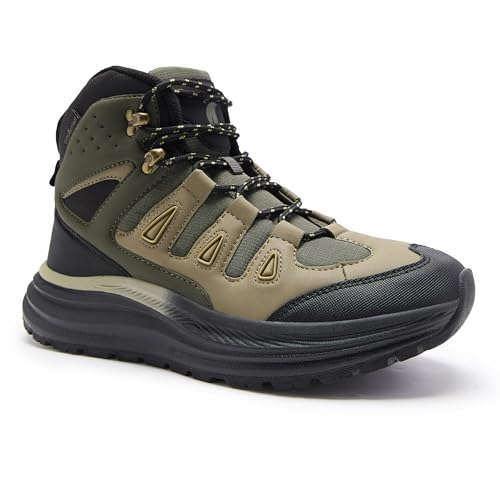


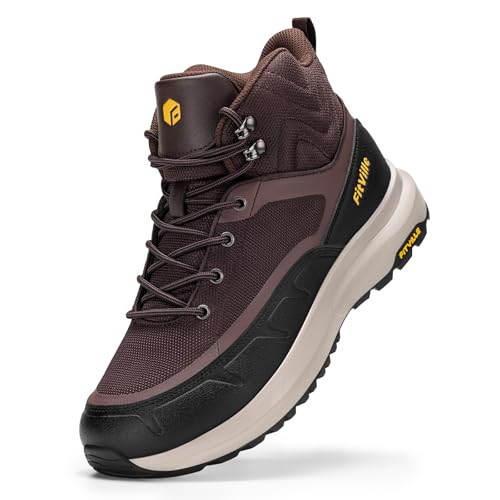

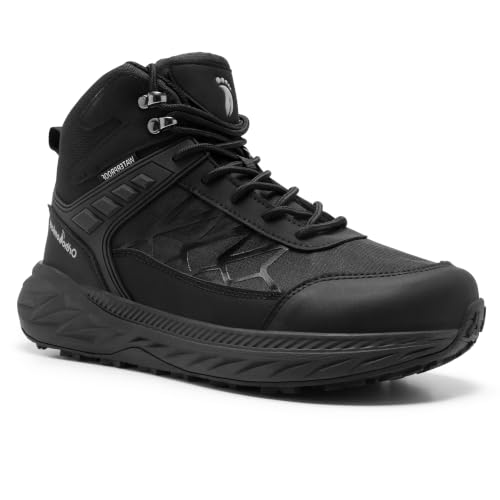
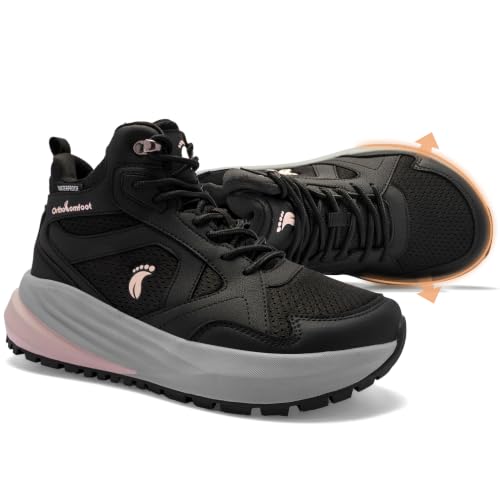
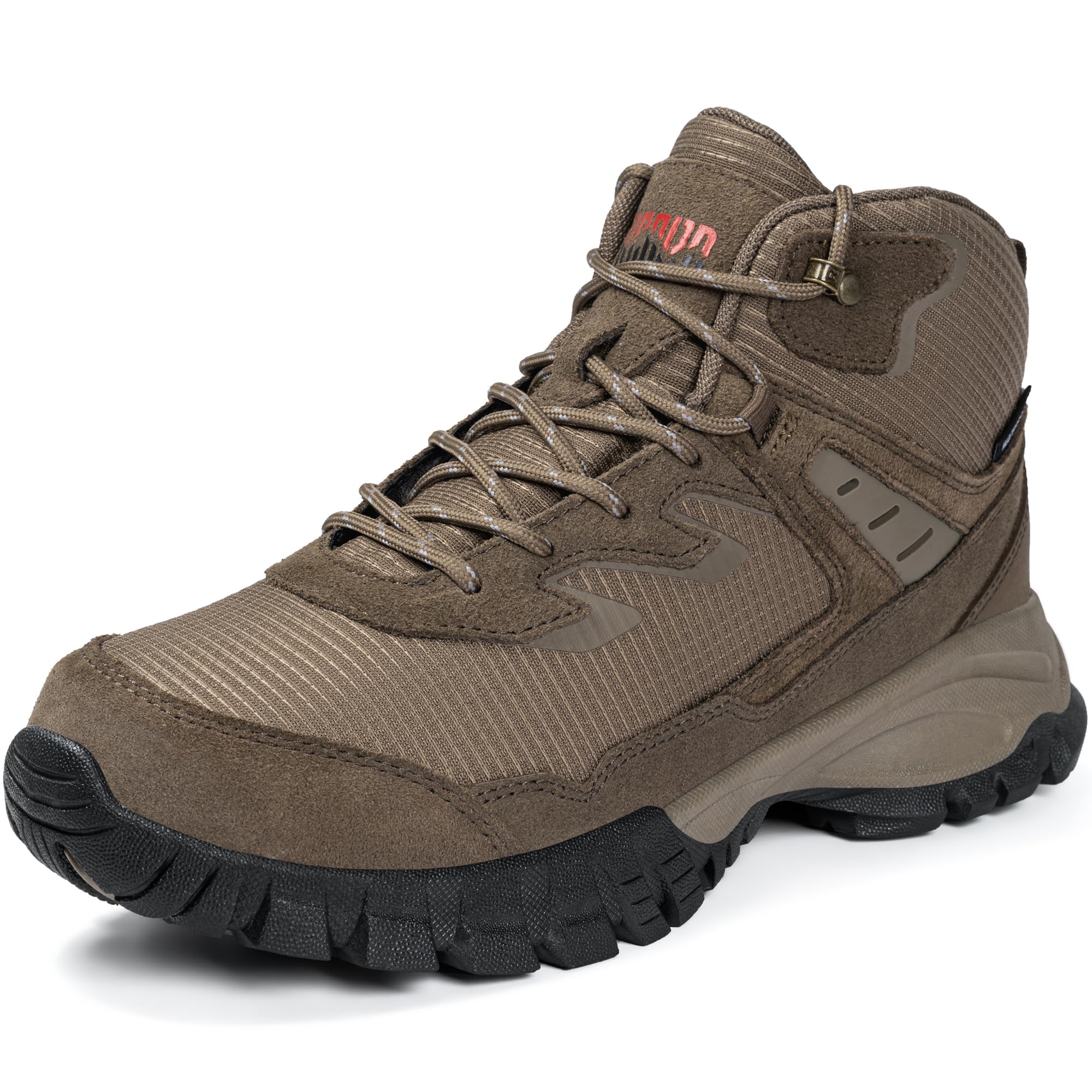
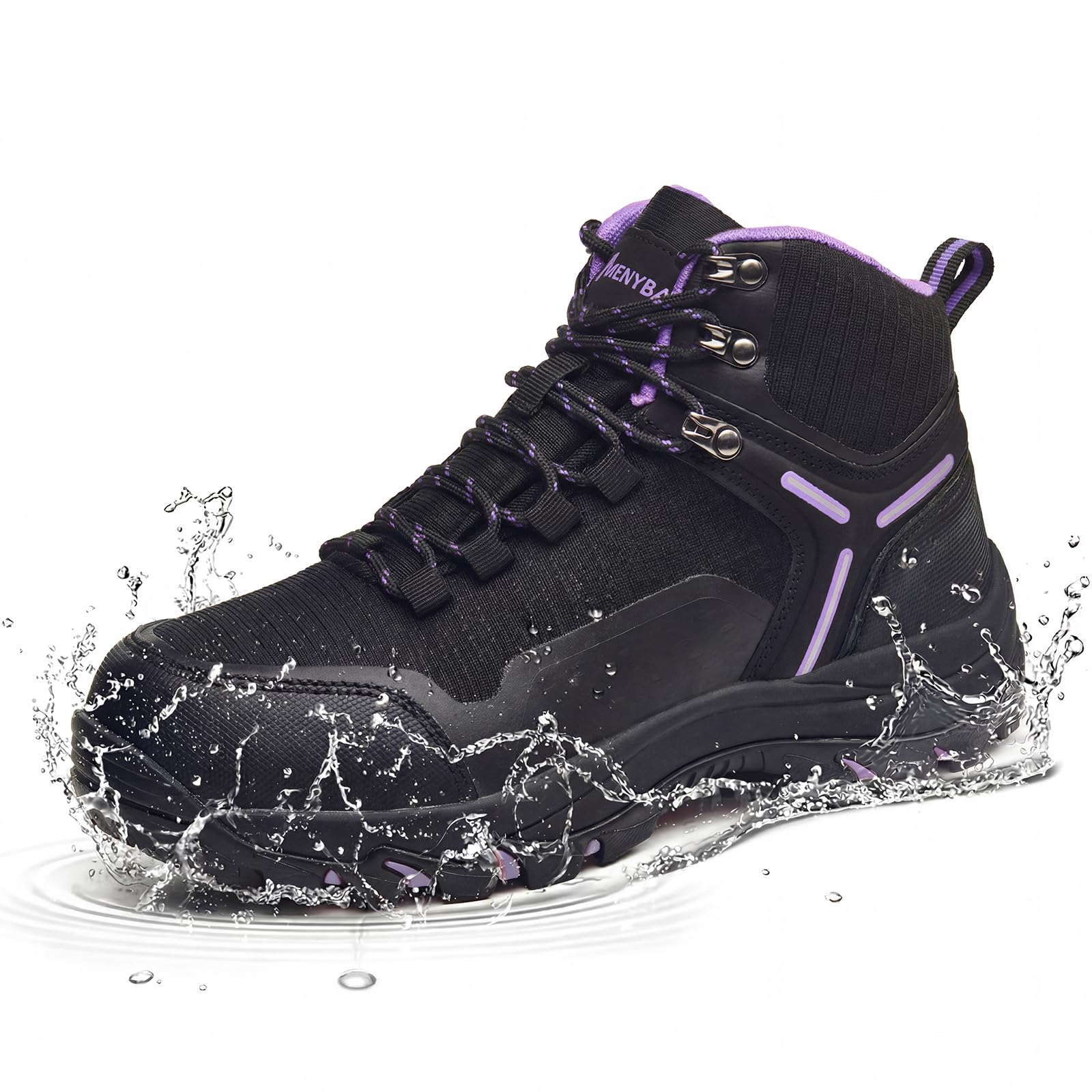
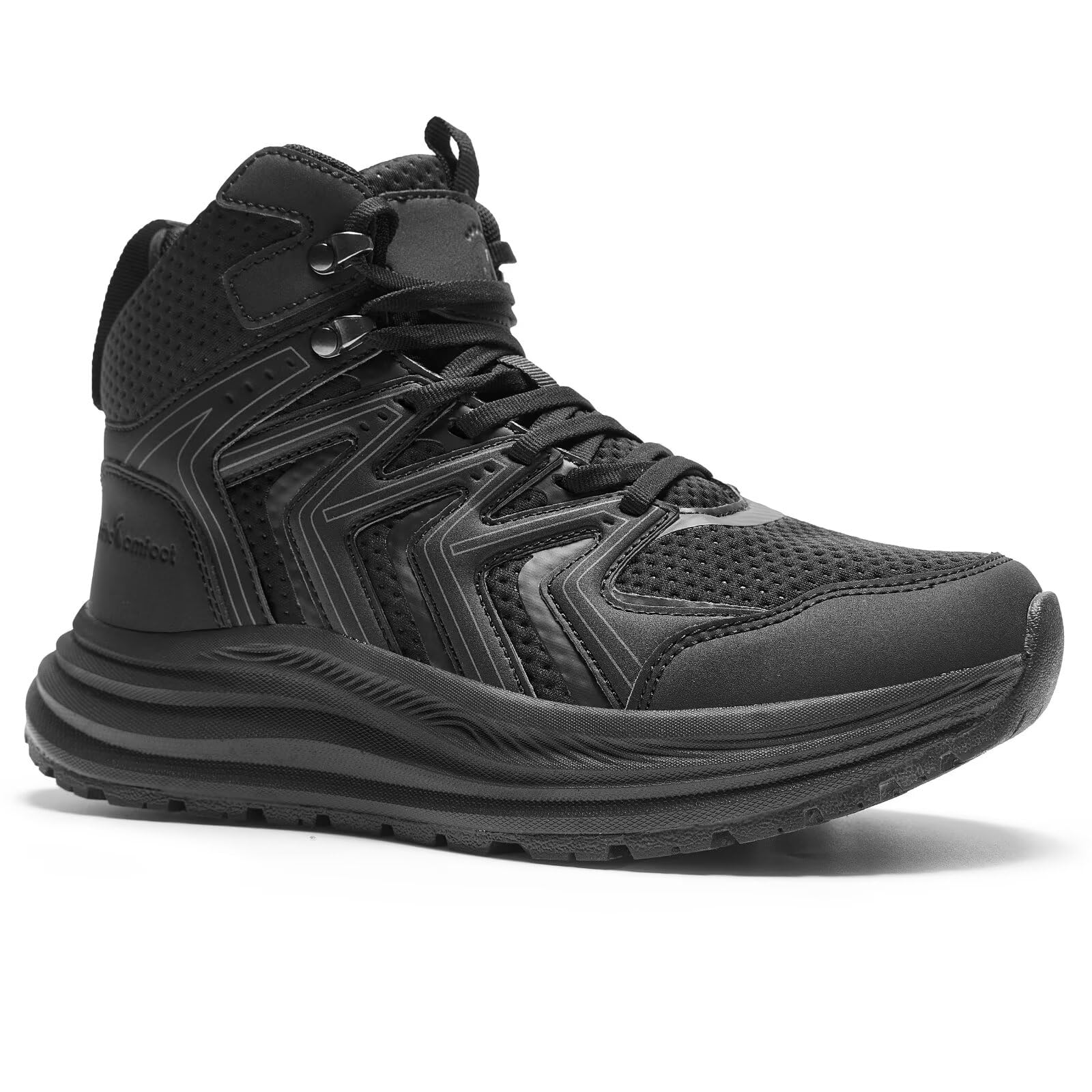
Key Features to Compare in the Best Boots for Ankle Support
Ankle support comes from several parts working together, so judge the whole boot rather than one feature. A tall collar alone will not help if the heel slips or the sole twists too easily. Work through the points below in order, and note which ones matter most for your daily walking, work, or trail use.
Features That Matter for Ankle Support
Ankle support depends on collar height, heel hold, lacing, and sole stability. A mid height or tall collar can steady the ankle, while a firm heel counter keeps the heel from rolling inward or outward. Laces that reach high enough let you adjust snugness around the ankle without cutting off circulation. A stable midsole and a sole that resists twisting add control on uneven ground, especially when you carry a load.
Fit, Sizing, and Toe Box
Fit matters more than any single material or brand claim. Measure both feet in the afternoon, and leave a thumb width of room in front of your longest toe. A roomy toe box lets toes spread naturally, while a snug heel keeps the foot from sliding forward on slopes. If one foot is larger, fit the larger foot, and use lacing or insoles to fine tune the smaller side.
For walking focused options, see our guide to best walking boots for ankle support, which covers daily walking fit.
Waterproofing and Membranes
Waterproof membranes can keep feet drier in rain, mud, and wet grass, but they also reduce airflow. If you work or walk in wet places often, waterproofing may be worth the warmer feel. If you work in heat or walk fast, a breathable boot may feel more comfortable and dry faster after sweating. Check seams, tongue design, and drainage, because water often enters through the top or seams rather than through the main upper material.
Weight and Flexibility
Heavy boots can feel stable, yet they tire legs faster on long days. Light boots feel easier to lift, yet very soft boots may twist too much on rough ground. Look for a balance: a boot that bends at the ball of the foot but resists twisting from side to side. Try a short walk with your usual load, and notice whether your ankles feel guided or forced. Comfort over a full day matters more than a light feel in the first minute.
Durability and Expected Lifespan
Durability depends on upper material, stitching, sole bonding, and how often you wear the boots. Leather uppers often age well with care, while fabric uppers may dry faster but scuff sooner. Check stitching at stress points, heel and toe reinforcement, and sole attachment. Boot wear varies widely with terrain and load, so judge wear by sole depth, heel stability, and upper shape rather than by miles alone.
Upper Materials and Breathability
Leather gives structure and weather resistance, mesh gives airflow and light weight, and knit gives a soft, sock like feel. Many boots mix materials to balance support and comfort. A padded collar and tongue can reduce pressure around the ankle, while a gusseted tongue helps keep out dirt and water. If your feet sweat heavily, favor airflow and removable insoles that you can air out between wears.
Outsole Traction and Terrain
Outsole traction comes from lug depth, lug spacing, and rubber firmness. Deep, spaced lugs shed mud and grip loose trails, while shallow, dense lugs suit pavement and indoor floors. A firm heel edge helps on descents, and a stable platform helps on side slopes. For trail focused options, see our guide to best hiking boots for ankle support. Always check grip on a surface like the one you will use most.
Spending Levels That Fit Different Needs
Instead of naming single winners, use spending levels to match features to your routine. A lower cost pair can work well for light daily walking if fit, heel hold, and sole stability are sound. A middle cost pair often adds better waterproofing, tougher uppers, and more consistent sizing. A higher cost pair may add refined cushioning, stronger materials, and easier resoling or repair.
Set your budget after you know your terrain and hours on foot. If you walk all day on rough ground, durable soles and a stable collar deserve more of your budget than extra padding alone. If you need boots only for short walks, a simpler pair with a good fit may serve you well. For work focused options, see our guide to best work boots for ankle support, which covers long shifts and hard floors.
Quick Buyer Checklist
Run through these questions before you pay, and answer honestly from a real fitting rather than from photos alone.
- Does the collar steady your ankle without pressing hard on the ankle bones?
- Does your heel stay in place when you walk uphill and downhill?
- Do your toes have room to spread without sliding forward?
- Does the boot bend at the ball of the foot but resist side to side twisting?
- Does the sole grip the surfaces you use most?
- Can you lace the boot snugly around the ankle without numbness?
- Does the weight feel manageable after a longer walk, not just a quick try on?
- Do the materials suit your weather, from rain to heat?
Red Flags to Watch For
Some warning signs point to poor quality or a poor match, even when a boot looks sturdy. Watch for vague listings that never state collar height, sole material, or waterproofing type. Be cautious when sizing advice is missing, returns are unclear, or warranty terms are very short. A boot that feels stiff in the wrong place, pinches the ankle bones, or lets the heel lift sharply on stairs is a poor fit, not a boot that simply needs more breaking in.
Also watch for claims that sound absolute, such as promises to fix pain or prevent injury. Footwear can support comfort and stability, but it is not a medical treatment. If a seller avoids clear material details or uses only stock photos with no useful measurements, keep looking. For warm weather options, see our guide to best sandals for ankle support, which covers open footwear and ankle coverage.
Picking the Right Boots for Different Uses
Daily walking, trail use, and work use place different demands on a boot. Daily walking favors light weight, easy lacing, and cushioning that stays comfortable for hours. Trail use favors grip, ankle height, and protection from rocks and roots. Work use favors durable uppers, stable soles, and protection that matches your job rules.
Choose the use you repeat most often, and let occasional uses guide secondary features rather than the main choice.
Steel Toe Boots for Ankle Support
Steel toe boots add a protective toe cap to the same fit and stability checklist used above. Check toe cap room carefully, because a cramped toe box can change how you walk and increase pressure on the ankle. Also check weight, sole grip, and whether your workplace requires a specific safety standard. A steel toe boot should still lace snugly around the ankle, hold the heel steady, and bend at the ball of the foot for a natural step.
Care and Maintenance Tips
Good care keeps support and comfort in place for longer. Air dry wet boots away from direct heat, and remove insoles so moisture can escape. Rotate two pairs for daily wear when you can, because rest days let foam and leather recover shape.
Clean mud and salt from uppers and soles, and reapply suitable conditioner or waterproofing treatment as the maker directs. Replace boots when the heel counter softens, the sole wears unevenly, or ankle stability clearly drops.
Frequently Asked Questions
What features matter most in boots for ankle support?
Collar height, heel hold, lacing range, and sole stability matter most for ankle support. A collar that cups the ankle, a firm heel counter, and laces that adjust around the ankle work together to guide each step. Sole stability matters too, because a sole that twists easily can let the foot roll even when the collar feels tall. Try boots on both feet, walk on slopes when possible, and choose the pair that steadies your step without pinching or forcing your ankle.
Can I wear supportive boots all day?
Many people can wear supportive boots all day when fit, weight, and cushioning suit their routine. Start with shorter wears during the first week so feet and ankles adjust to a new collar height and sole. Take boots off during long seated breaks when you can, and air them out between wears. If you feel numbness, sharp pain, or swelling that persists after you remove the boots, stop and talk with a doctor about fit and foot health.
Do I need waterproof boots for ankle support?
Waterproof boots are useful in rain, mud, and wet grass, but they are not required for ankle support itself. Support comes from collar, heel, and sole design, not from waterproofing. If you rarely face wet conditions, a breathable boot may feel cooler and dry faster after sweating. If you often cross wet ground, choose waterproofing with sealed seams and a gusseted tongue, and remember that water can still enter over the collar in deep puddles.
How should boots for ankle support fit?
Boots for ankle support should fit snugly around the heel and ankle while leaving room for toes to spread. Measure feet in the afternoon, fit the larger foot, and leave a thumb width ahead of your longest toe. Lace from the toes upward, then adjust ankle lacing so the heel stays put without numbness. Walk uphill, downhill, and on side slopes during fitting, because a boot that feels fine on flat ground may slip or pinch on varied terrain.
How long is the break in period for supportive boots?
Break in often takes a few short walks over one to two weeks, depending on leather stiffness and collar padding. Wear new boots for short periods at first, then build up to full days as comfort allows. Mild stiffness is normal, but sharp pain, blistering, or numbness is not a normal part of breaking in. If discomfort stays in the same spot after several wears, try different lacing, socks, or insoles, or consider a different size or last.
The Bottom Line
Focus first on collar support, heel hold, fit, and sole stability, then match waterproofing, weight, and materials to your weather and terrain. Use the product table to compare the picks, and use the checklist in this guide during every fitting. A careful fit check now saves sore feet and wasted returns later. With a well chosen pair of the best boots for ankle support, daily walks, trail days, and long shifts can all feel steadier and more comfortable.


