
Best Boots for Dancing in 2026: Which Type Is Right for You?
Disclosure: We may earn a commission when you buy through links on this page, at no extra cost to you. As an Amazon Associate I earn from qualifying purchases. Learn more

Compare the main types of dance boots by sole, heel and fit so you can pick the best boots for dancing on your floor, in your style, at your price.
Boots that look alike on a shelf can behave very differently once the music starts, because dancing asks a boot to slide, stop and turn in a way that walking never does. Choosing the best boots for dancing starts with sorting the main types by what they do well, where they struggle, and which dance style each one serves. This guide compares those types side by side so the choice becomes clear.
The comparison table below lays out the four main types at a glance. After the table, each type gets a closer look, followed by the features that matter most when you buy.


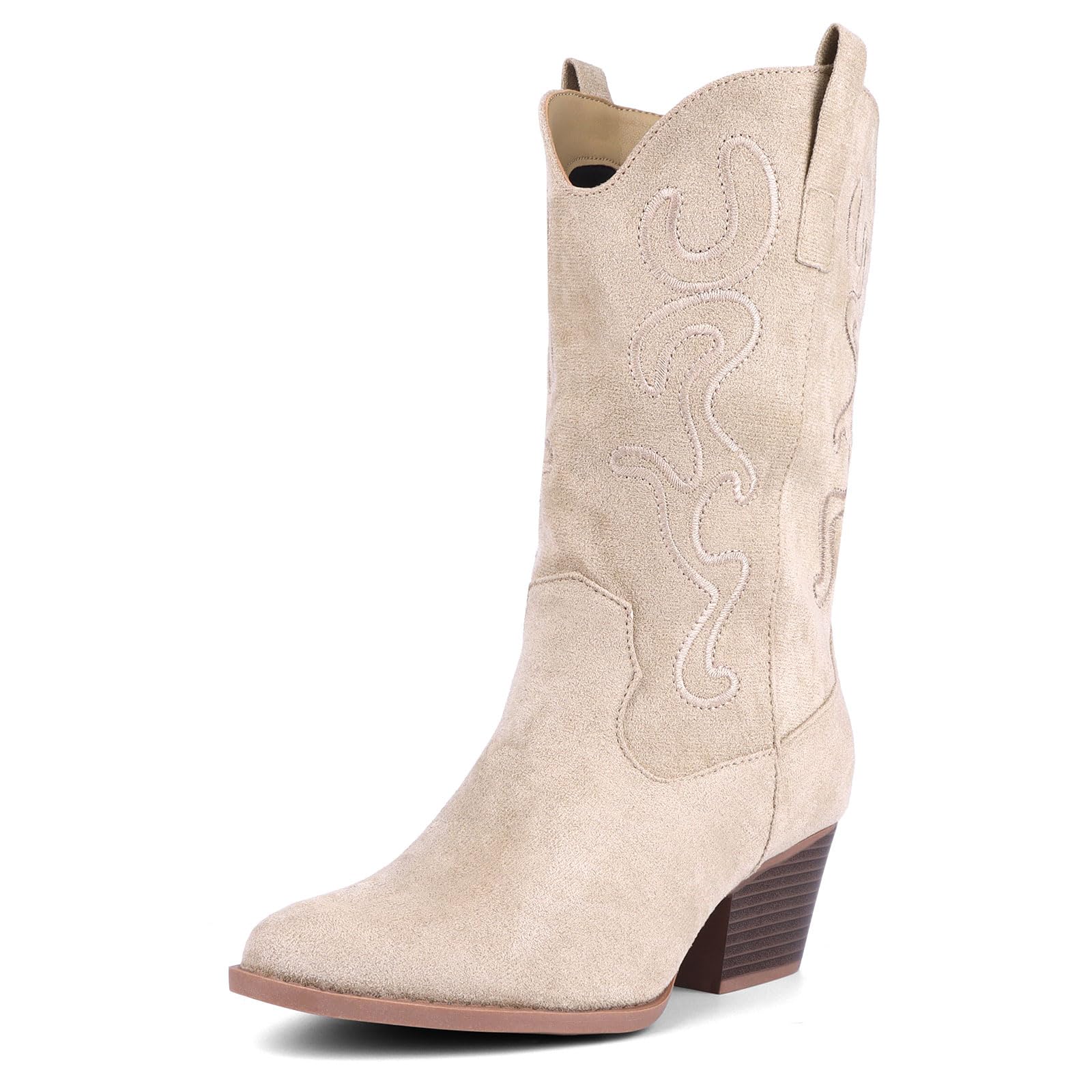
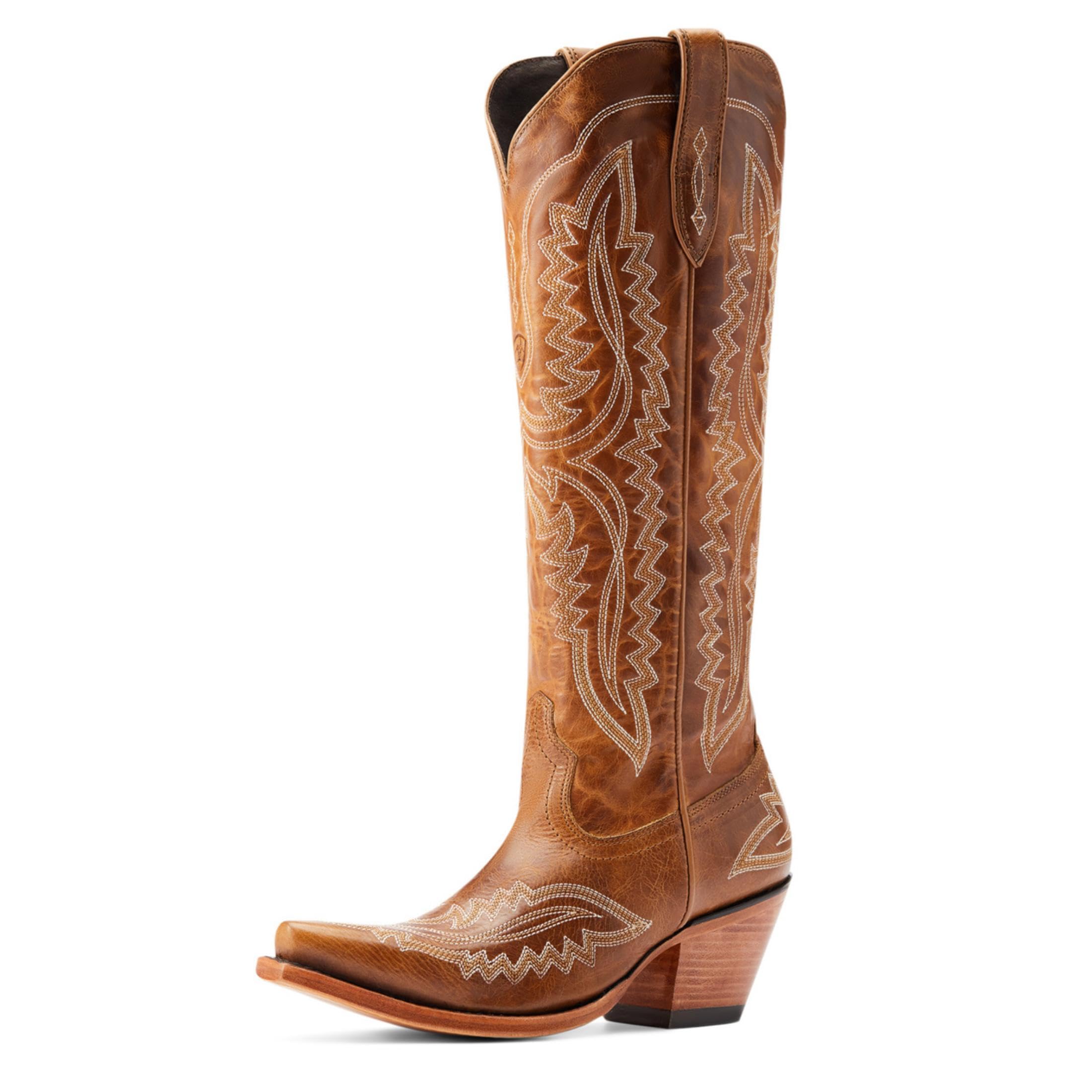

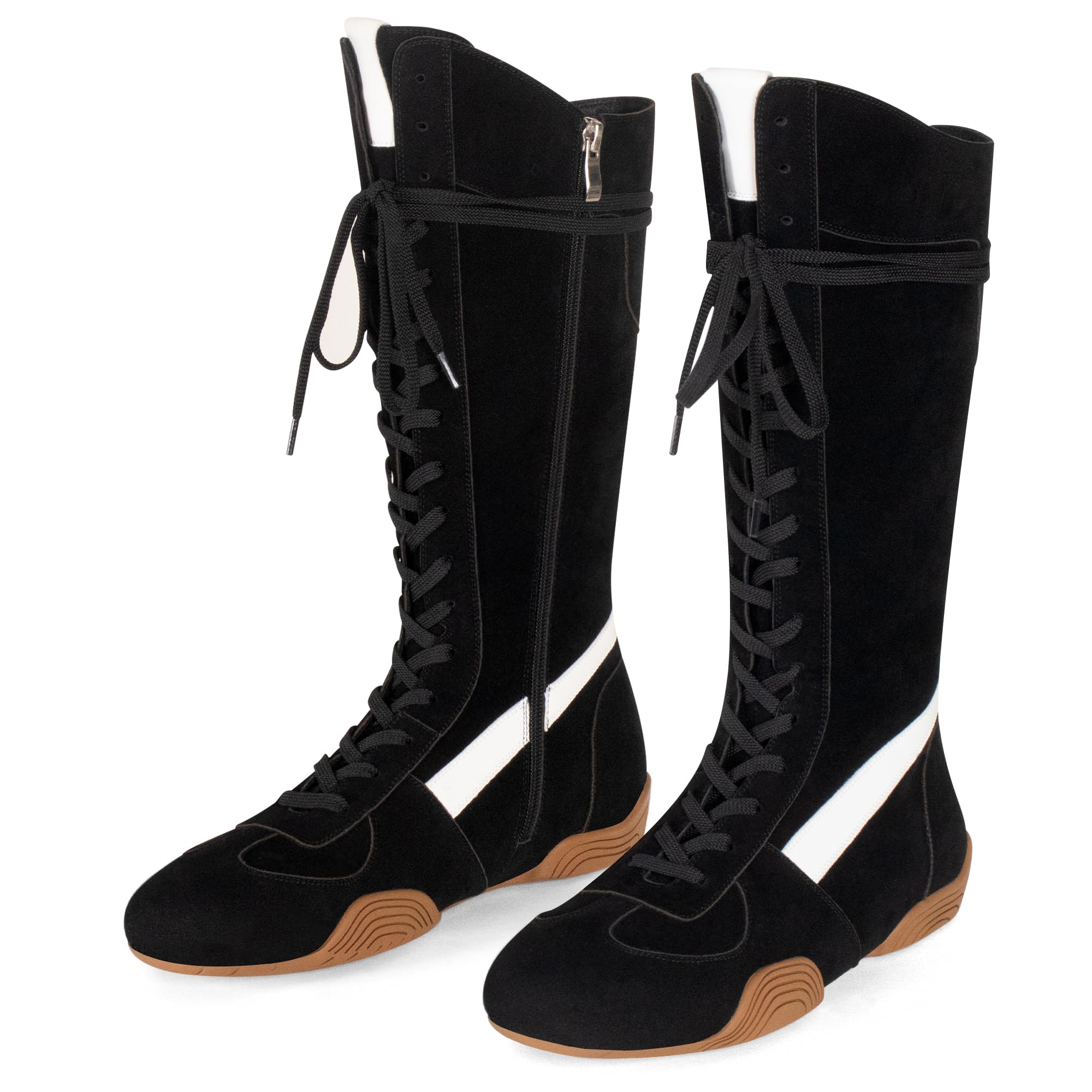
Choosing the Best Boots for Dancing: Types Compared
| Type | Best For | Strengths | Trade Offs | Typical Price |
|---|---|---|---|---|
| Leather sole western boots | Country and partner dancing | Smooth controlled slide, durable upper | Too slippery for rough outdoor floors | about $90 to $220 |
| Suede sole dance boots | Ballroom and studio practice | Balanced slide and grip, kind to knees | Suede needs indoor floors and regular brushing | about $70 to $180 |
| Low heel practice boots | Lessons and long practice sessions | Stable base, gentle on calves and arches | Less dramatic line for performance | about $50 to $130 |
| Flexible split sole boots | Jazz, contemporary and stage work | Full foot bend, light feel | Thin sole gives little support on hard floors | about $60 to $150 |
Leather Sole Western Boots
The classic western boot pairs a smooth leather sole with a stacked heel, the pairing that made it the default boot for country floors. The leather sole glides through turns without grabbing, while the heel gives partner work a steady base. Dancers in this style usually start with the guides to best cowboy boots for dancing and best cowgirl boots for dancing, since the cut and heel differ between the two.
The same smoothness is the limit of the type. On concrete or wet paving the leather sole has almost no bite, and it wears fast as street footwear. Carry it to the venue and change into it there, and it will last far longer.
Suede Sole Dance Boots
Suede sole boots are built for studio floors, where the nap of the suede gives a measured slide that still stops when you plant your weight. That balance is why teachers point new students toward suede for ballroom, swing and social Latin styles. The sole is thinner than a western sole, so you feel the floor clearly and balance corrections come easily.
Suede is a high care surface. It picks up dust, loses its glide when dirty, and is ruined by water, so these boots live indoors and get brushed before each session. For studio dancers, that routine is a fair price for the control.
Low Heel Practice Boots
Practice boots trade drama for hours. A heel of about one inch or less, a cushioned insole and a modest shaft make them the boot you can wear through a two hour lesson without tired calves. Beginners and social dancers who value comfort over silhouette usually get the most from this type.
The low heel changes how some moves read. Dips and lines look flatter, and dancers moving into performance work often add a higher heeled pair later. As a training pair, though, this is the type that gets worn the most, which is what builds skill.
Flexible Split Sole Boots
A split sole leaves the arch area soft or absent, so the foot can point and flex through its full range. Jazz, contemporary and stage dancers choose this type because choreography in those styles asks the foot itself to shape the movement. The boot feels light, almost like a shoe, and packs flat for travel.
The trade is support. With little structure under the arch, long sessions on hard floors tire the feet, and there is minimal protection against a partner stepping on your toes. This type suits trained dancers whose feet are conditioned for the work.
How to Choose the Right Boot
The Sole Decides the Dance
Read every dance boot by its sole first. The sole is the working surface of the boot, and the balance of slide and grip built into it decides which kind of dancing the boot suits. A sole made to slide will betray you on a grippy floor, and a deep work boot tread is the wrong choice on a dance floor, because it grabs when the step needs to travel. Match the sole to the floor you actually dance on, not the floor you wish you had.
Line dancers feel this most sharply, because the style mixes slides with quick weight changes on shared hall floors. If that is your main style, the overview of best boots for line dancing covers sole choices for that floor in more depth. For mixed social floors, suede is the safest first answer.
Heel Height and Shape
The heel sets the balance of the boot. Height shifts your weight toward the ball of the foot, which helps turns and styling but loads the calves and the front of the foot over a long night. Shape matters as much: a wider Cuban style heel spreads the load and feels planted, while a narrow fashion heel demands ankle strength and rewards it with a sharper line.
Style splits the choice. Western styles are built around a moderate heel of about one and a half inches, and the guide to best western boots for dancing explains how that heel serves partner turns. Ballroom practice usually sits lower. Choose the tallest heel you can dance in for two hours, not the tallest you can stand in for two minutes.
Fit and Ankle Support
The fit around the ankle decides how confidently you can turn. A shaft that hugs the ankle without biting lets the foot roll through spins, while a loose shaft lets the heel lift and the foot swim at exactly the moment you need it planted. Try boots on late in the day, when feet are at their largest, and wear the socks you dance in.
Toes need room to spread on landings but not room to slide forward on stops. A thumb width ahead of the longest toe, with the ball of the foot at the widest part of the boot, is the fit most dancers settle on. A boot that hurts in the shop will hurt more at hour two.
Upper Materials and Breathability
Leather uppers mould to the foot over the first weeks and hold their shape for years, which is why most midrange and premium dance boots use them. Suede uppers are softer from the first wear but mark easily and ask for more cleaning. Synthetic uppers keep the price down and shrug off spills, at the cost of heat on a summer night.
Some dancers leave boots entirely for warm weather or for styles danced on smooth outdoor decks, and the guide to best sandals for dancing covers that open footwear class. For most indoor styles, though, the closed boot stays the safer and more versatile buy.
Care and Maintenance Tips
- Brush suede soles before every session with a stiff suede brush to lift dust and restore the nap, because a clogged sole grips when it should glide.
- Let leather boots rest a full day between long sessions, with the shafts held upright, so the leather dries fully and keeps its shape.
- Wipe soles and heels after each outing and check heel tips monthly, since a worn tip changes the balance of the boot and can damage floors.
- Store dance boots in a bag and carry them to the venue, because street grit ground into any dance sole ruins both the sole and the floor.
- Condition leather uppers about every two months with a light leather conditioner, and keep all types away from direct heat when drying.
Boots: Your Questions Answered
What features matter most in boots bought for dancing?
The sole matters most, because its slide and grip balance decides whether turns travel or stick on your floor. After the sole, heel height and ankle fit shape your balance and endurance. A buyer who gets those three right can forgive almost anything else about the boot. Upper material and price band come last, since they change comfort and lifespan rather than how the boot dances.
How long is the break in period for a new pair of dance boots?
Most leather dance boots settle in over about three to five sessions of regular dancing. Wear them for short practice rounds first and let the leather learn your foot before a full evening. Suede and synthetic pairs usually feel right sooner, often within one or two sessions. A boot that still pinches or rubs after five full sessions is the wrong size or shape, not a boot that needs more patience.
Can dance boots be worn comfortably all day?
Low heel practice boots can handle a full day for most people, since their base is built for hours rather than for show. Higher heeled western and fashion styles tire calves and the balls of the feet when worn from morning to night. Wearing any dance sole on the street also wears the sole out fast. Most dancers keep their dance boots for the floor and walk in something else.
Are expensive dance boots worth the higher price?
Higher prices mostly buy better leather, cleaner stitching and a sole that keeps its slide and grip balance for more seasons. A dancer who dances weekly will feel that difference and spread the cost over years of use. A once a month social dancer usually gets the same enjoyment from a sound midrange pair. Spend first on correct sole type and fit, then on price band.
How should dance boots fit when you first try them on?
Dance boots should feel snug at the ankle and midfoot, with about a thumb width of room ahead of the longest toe. The heel should stay seated when you rise and turn, and the ball of your foot should rest at the widest part of the boot. Try them on late in the day with dance socks. Any sharp pinch at the toes in the shop will only grow worse under dance load.
The Bottom Line
Start with the sole that matches your floor, then pick the tallest heel you can dance in for hours, then fit the ankle so turns feel planted. The comparison table above shows how the four types stack up on those points and what each class costs. Chosen that way, the best boots for dancing are simply the pair whose sole, heel and fit serve the style you dance most.


