
Best Boots for HVAC in 2026: Which Type Is Right for You?
Disclosure: We may earn a commission when you buy through links on this page, at no extra cost to you. As an Amazon Associate I earn from qualifying purchases. Learn more

The best boots for HVAC depend on ladder grip, kneeling comfort and breathability. Compare boot types by how you work.
Finding the best boots for hvac is tricky because HVAC work moves between very different places in a single day. You may climb a ladder, kneel on a rooftop, crouch in a crawl space, and walk through a mechanical room, all before lunch.
A boot that is great on a ladder can feel stiff when you kneel, while a soft boot can feel unstable on a rung. This guide compares the main boot types, so you can choose by how you actually move at work. Use the comparison table below as a quick map, then use the detail sections to narrow the choice.


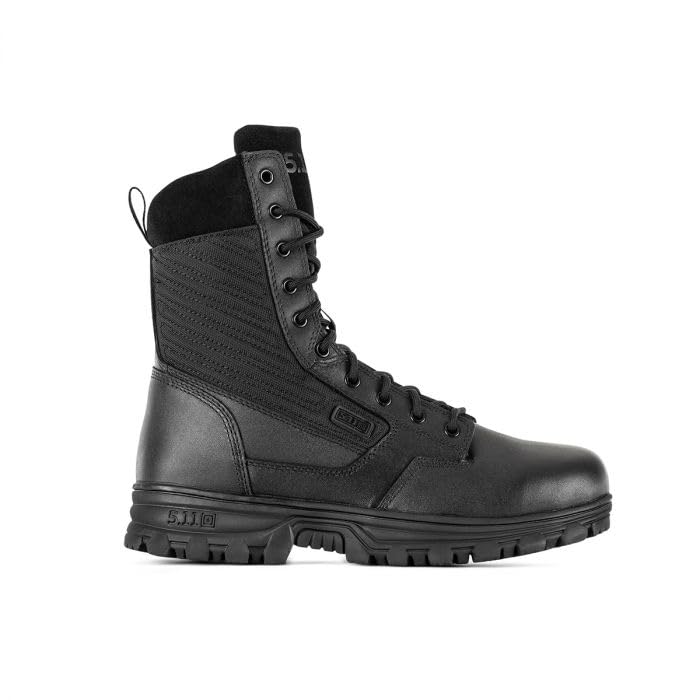

HVAC work also has its own fit demands: a toe box that allows crouching, an outsole that grips metal rungs and dusty surfaces, and an upper that resists scuffs. You also need breathability for attics in summer and support for long days on concrete. The sections below weigh those needs against each other.
Best Boots for HVAC: Types Compared
The table below compares three broad boot styles for different parts of HVAC work. Prices are approximate, and value depends on how often you climb, kneel, or work in wet or dusty spaces.
| Type | Best For | Pros | Cons | Typical Price |
|---|---|---|---|---|
| Lightweight work boots | Ladder work and long days on your feet | Less fatigue, good ladder feel | Less cushioning for long kneeling | About $90 to $180 |
| Stability and support boots | Uneven rooftops and long standing shifts | Firm arch support, stable footing | Heavier, stiffer at first | About $110 to $200 |
| Water resistant work boots | Wet mechanical rooms and outdoor units | Shed splashes, dry faster than sealed boots | Not suited to standing water | About $100 to $190 |
Lightweight Work Boots
Lightweight work boots use lighter midsoles, mesh or knit panels, and a lower profile to reduce leg fatigue. That lightness helps when you climb ladders often, because you can feel the rung under your foot and move your foot into position more easily. It also helps on long walking days between units, trucks, and mechanical rooms, where every extra ounce adds up by late afternoon.
The tradeoff is kneeling comfort and long term support. A very light boot may have a thinner midsole, so kneeling on concrete or a rooftop can feel harder on the knees and the balls of the feet. If you kneel often, pair a light boot with knee pads and a cushioned insole, and check that the toe box flexes without pinching when you crouch. If your employer requires a specific toe type, confirm that the light style offers it before you buy.
Stability and Support Boots
Stability and support boots use a firmer midsole, a structured heel, and a supportive arch to keep the foot steady on uneven surfaces. That stability helps on rooftops with gravel or raised seams, on sloped ground around outdoor units, and during long standing shifts in mechanical rooms. Workers whose feet roll inward often feel less tired in a stability boot, because the midsole resists excess inward motion.
These boots can feel stiff at first, and they weigh more than light boots, so break them in over several shorter shifts. A structured boot still needs a good fit: the heel should stay put on a ladder step, and the toe box should allow your toes to spread when you crouch. If you have ongoing foot pain, reduced feeling, or a circulation condition, talk with a clinician about support and fit.
Water Resistant Work Boots
Water resistant work boots shed light splashes and dry faster than fully sealed waterproof boots, which makes them useful around condensate lines, wet mechanical rooms, and outdoor units after rain. The upper resists surface water, but it will not keep feet dry in standing water, so match the boot to the wetness you actually face. For many HVAC days, that middle level of protection is enough, without the heat buildup of a sealed boot.
Check the tongue and collar design as well as the upper material. A gusseted tongue slows water entry, while a padded collar helps keep debris out when you kneel. After a wet job, air dry boots away from direct heat and remove the insoles. Rotating two pairs helps when wet work is frequent.
Lightweight Boots Compared With Stability Boots: Which Should You Choose?
Lightweight boots and stability boots differ mainly in how they balance fatigue against steadiness. Light boots reduce leg tiredness and give better ladder feel, while stability boots give firmer footing and more arch support on uneven ground. If your day is mostly ladder work, walking, and light kneeling, a light boot often feels better. If your day is mostly standing, rooftop work, or uneven surfaces, a stability boot often feels better.
Kneeling and crouching can tip the choice. A light boot flexes more easily in a crouch, while a stability boot may feel rigid at the ankle when you kneel.
Try both styles in a crouch and on a step, not just standing still, and pay attention to heel slip and toe pressure. Check employer and local rules for toe protection first, because those requirements narrow the options before comfort does. A guide to best hvac work boots can help you compare work specific styles in the same context.
How to Choose the Right Boot
Work through fit first, then HVAC specific features, upper materials, and cushioning. A boot that fits well but lacks grip will disappoint on a ladder, while a grippy boot with a poor fit will cause blisters, so both parts of the checklist matter.
Fit, Sizing, and Toe Box
Measure your feet in the afternoon and wear your work socks, because feet swell during a long day. A roomy toe box lets toes spread when you crouch and climb, while a secure heel prevents slipping on a ladder rung.
Lace the boot snugly across the midfoot, but leave enough room to wiggle your toes. Fit the larger foot if your feet differ in size. Try the boot in a kneeling position before you decide, because a boot that feels fine standing can pinch when you crouch.
Features That Matter for Hvac
HVAC work needs grip on metal rungs, dusty concrete, and rooftop surfaces, plus an outsole that does not trap too much debris. Look for a lug pattern that grips without collecting gravel, a heel edge that catches a ladder rung securely, and a midsole that stays stable when you shift weight.
Toe protection is a separate choice: soft toe, steel toe, and composite toe styles differ in weight and feel, so follow employer rules. For electrical work areas, follow employer and local rules about footwear ratings, and never rely on a boot alone for electrical safety.
Upper Materials and Breathability
Mesh uppers breathe well in hot attics but scuff faster against ducts and rough surfaces. Leather uppers resist scuffs and offer more structure, but they feel warmer and need more break in. Knit uppers sit between the two, with flexibility and moderate breathability, though they may need extra care around sharp edges. Choose the upper by where you spend the most time: mesh for hot indoor work, leather for rough rooftop and crawl space work, and a mixed upper when your day covers both.
Cushioning and Support
Cushioning absorbs impact when you walk on concrete, while support keeps the foot aligned when you stand or climb. A thick soft midsole feels comfortable at first but can feel unstable on a ladder rung, while a firmer midsole feels steadier but harder when kneeling. Heel to toe drop, the height difference between heel and forefoot, affects how the foot lands and how the calf feels over a long day. A removable insole is useful, because it lets you adjust cushioning without changing boot size, and it makes drying easier after wet work.
Care and Maintenance Tips
Brush dust and debris off the outsole after rooftop and crawl space work, because trapped grit affects grip on the next ladder climb. Air dry boots away from direct heat, remove insoles after wet jobs, and rotate pairs when you can. Check stitching around the toe box and the bond between sole and upper, since those areas wear first in HVAC work. Replace insoles when they flatten and laces before they break, because both changes affect fit and ladder safety.
Frequently Asked Questions
What features matter most in boots for hvac?
Ladder grip, a secure heel, and a toe box that allows crouching matter most, followed by support for long standing shifts. A lug pattern that grips metal rungs and dusty concrete helps on ladders, while a stable midsole helps on rooftops and uneven ground. Breathability matters in attics, and toe protection must meet employer rules. Choose the feature that matches your most common task, whether that is climbing, kneeling, or standing, rather than the feature that sounds most advanced.
Do I need waterproof boots for hvac?
You need fully waterproof boots only if you regularly stand in water or work in steady rain. Most HVAC wet work involves splashes, condensate, and damp floors, where water resistant boots dry faster and feel cooler. A sealed waterproof boot traps more heat in attics, so it can feel uncomfortable on hot days. If wet work is frequent, rotate pairs and dry boots fully between shifts, and carry spare socks for long days.
How should boots for hvac fit?
Boots for hvac should fit snugly at the heel, roomy at the toes, and secure across the midfoot. Measure in the afternoon, wear work socks, and check the fit while kneeling and stepping up, not just standing. Your toes should not touch the front on a step up, and your heel should not lift on a ladder rung. If the boot pinches in a crouch or slips on a step, try another size, width, or lacing pattern before you accept the fit.
Are expensive boots for hvac worth it?
Higher priced boots can be worth it when the extra cost buys better grip, more durable stitching, or a fit that suits your foot shape. Price alone does not guarantee ladder safety or kneeling comfort, and a costly boot with the wrong toe type will still disappoint. Compare outsole design, midsole stability, and upper durability at each price level, and spend more only when a specific feature matches your work. A mid priced boot with the right fit often beats a premium boot with the wrong fit.
Can I wear boots for hvac all day?
Yes, boots for hvac can be worn all day when the fit, cushioning, and breathability suit your shift. Break in new boots over several shorter shifts, wear moisture wicking socks, and take boots off during breaks when you can to let feet recover. Soreness that grows through the day usually signals a fit or support problem, not normal fatigue. In that case, try a different insole, width, or boot style.
How often should I replace boots for hvac?
Replace boots for hvac when tread wears smooth, the midsole loses support, or the upper separates from the sole. Ladder work wears the heel edge, rooftop work wears the outsole, and crawl space work scuffs the upper, so check all three areas each month. New foot fatigue, heel slip, or loss of grip are better replacement signals than age alone. Judge by grip, support, and fit, not by appearance.
The Bottom Line
For most HVAC work, start with fit in a crouch and on a step, then choose between light, stability, and water resistant styles by your most common task. Light boots suit ladder heavy days, stability boots suit rooftop and standing work, and water resistant boots suit splash prone mechanical rooms. Check employer and local rules for toe protection first, and remember that no boot guarantees safety on its own. Review the product table, weigh grip, support, and breathability for your typical day, and choose the best boots for hvac for your feet and your work.


