
Best Boots for Flat Feet for 2026: Every Type Explained Side by Side
Disclosure: We may earn a commission when you buy through links on this page, at no extra cost to you. As an Amazon Associate I earn from qualifying purchases. Learn more

Compare the best boots for flat feet by type, from stability support to cushioning and waterproofing, and pick a pair that feels steady all day.
Flat feet change the way your weight spreads across each step. With a low arch, the foot tends to roll inward, which can tire your legs, strain your ankles, and make a poorly chosen boot feel uncomfortable within a few hours. The best boots for flat feet are the pair that supports that inward roll without forcing your foot into a rigid shape, and the comparison table below sets out the main types side by side.
This guide compares boot types for low arches, then explains how arch support, stability, fit, and cushioning work together. Use it to find a boot that feels steady on your daily routes, whether you walk city streets, work on your feet, or head out on trails.
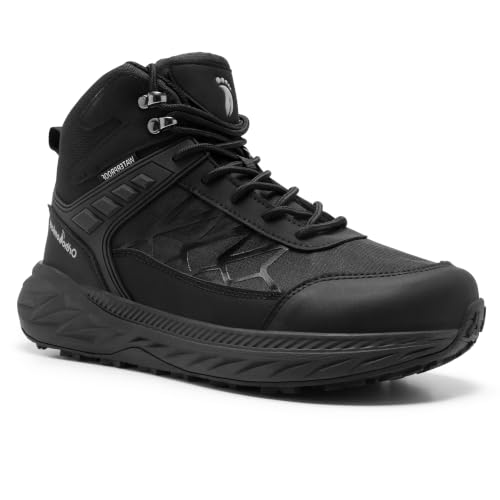
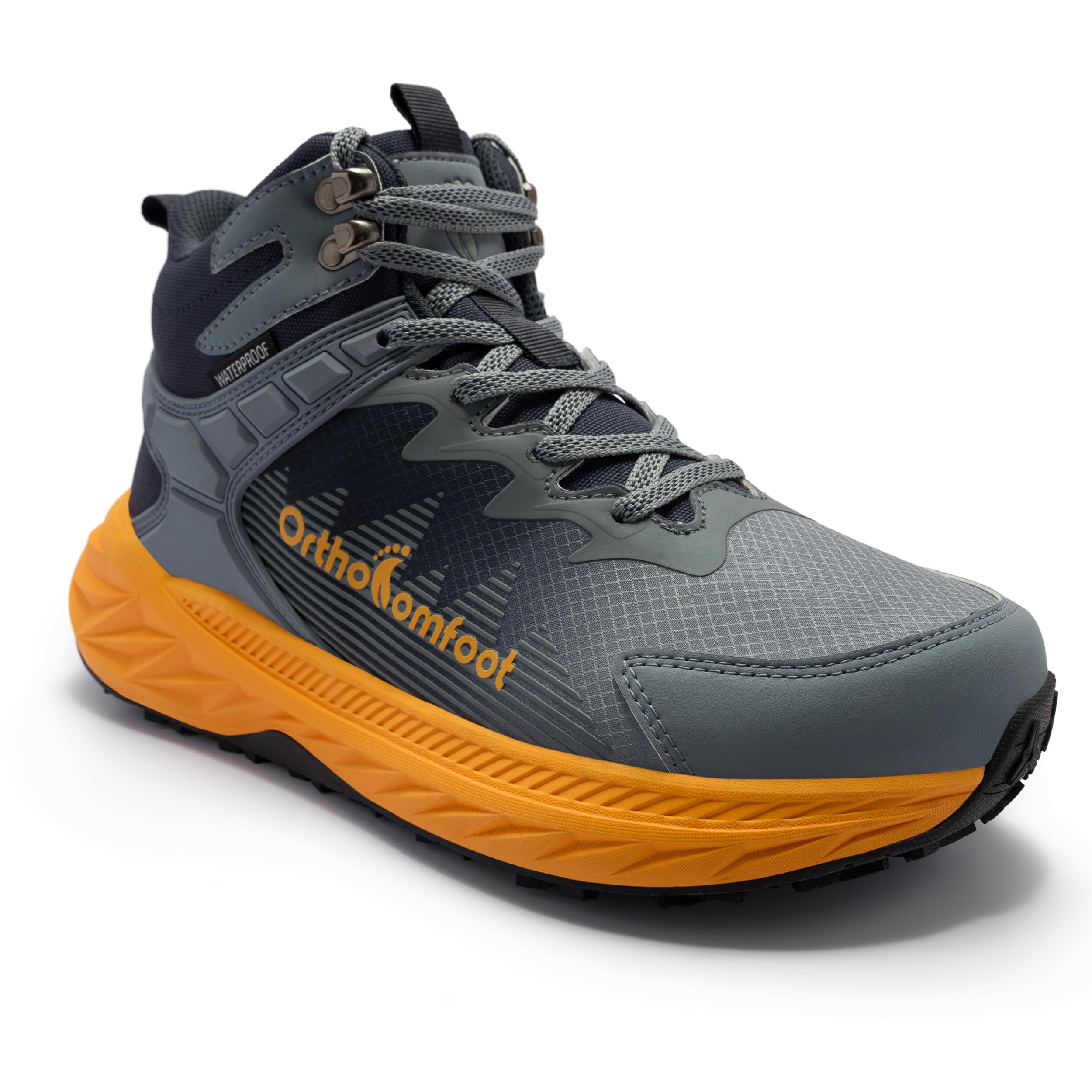
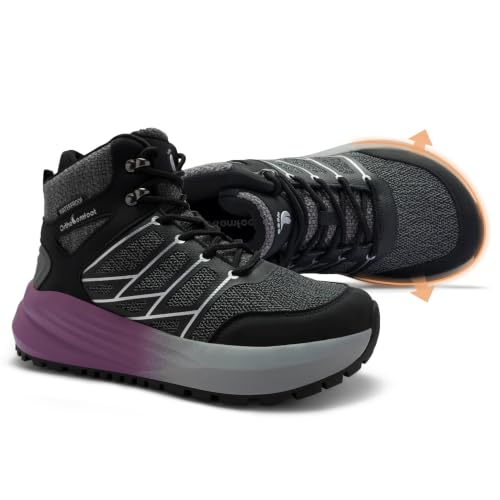

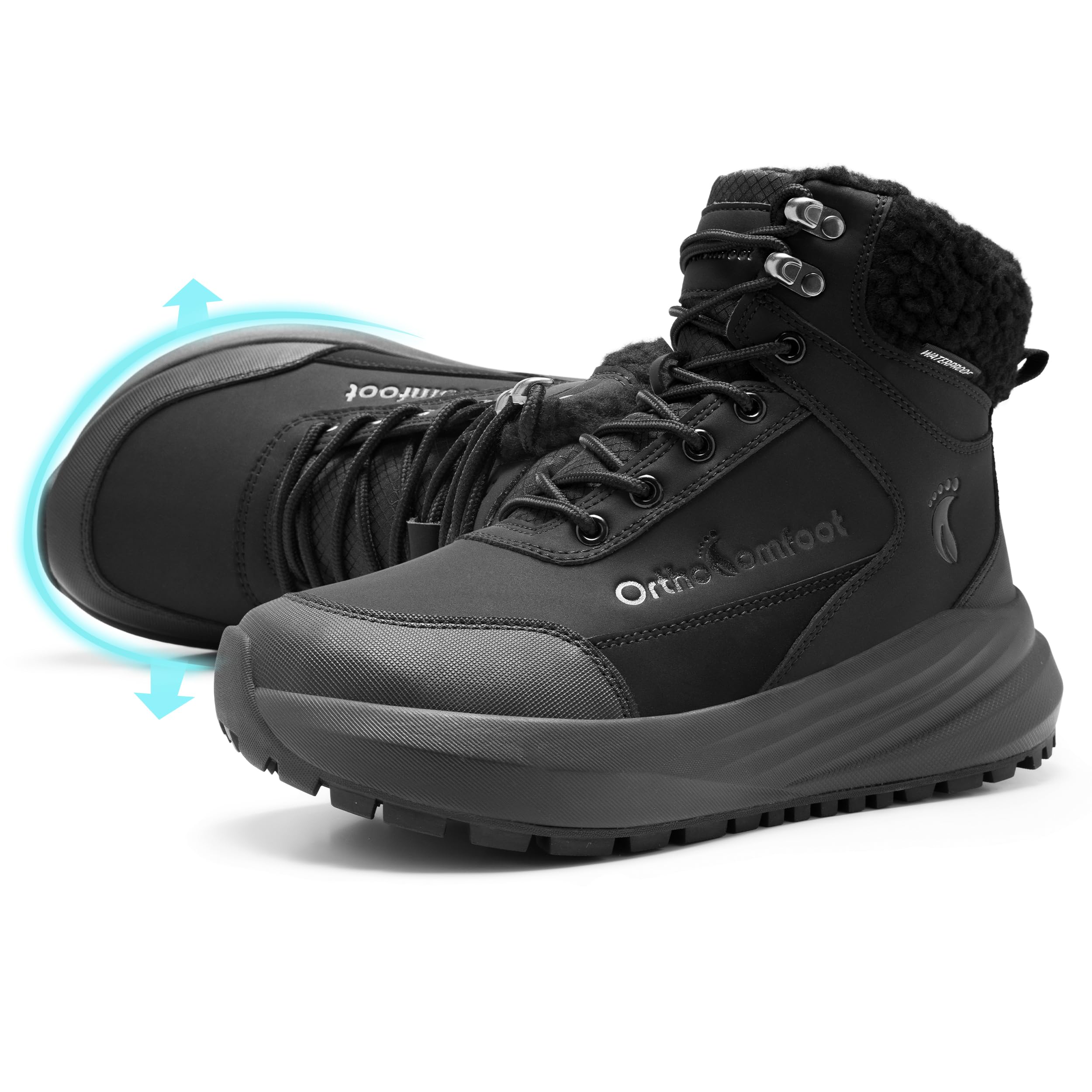
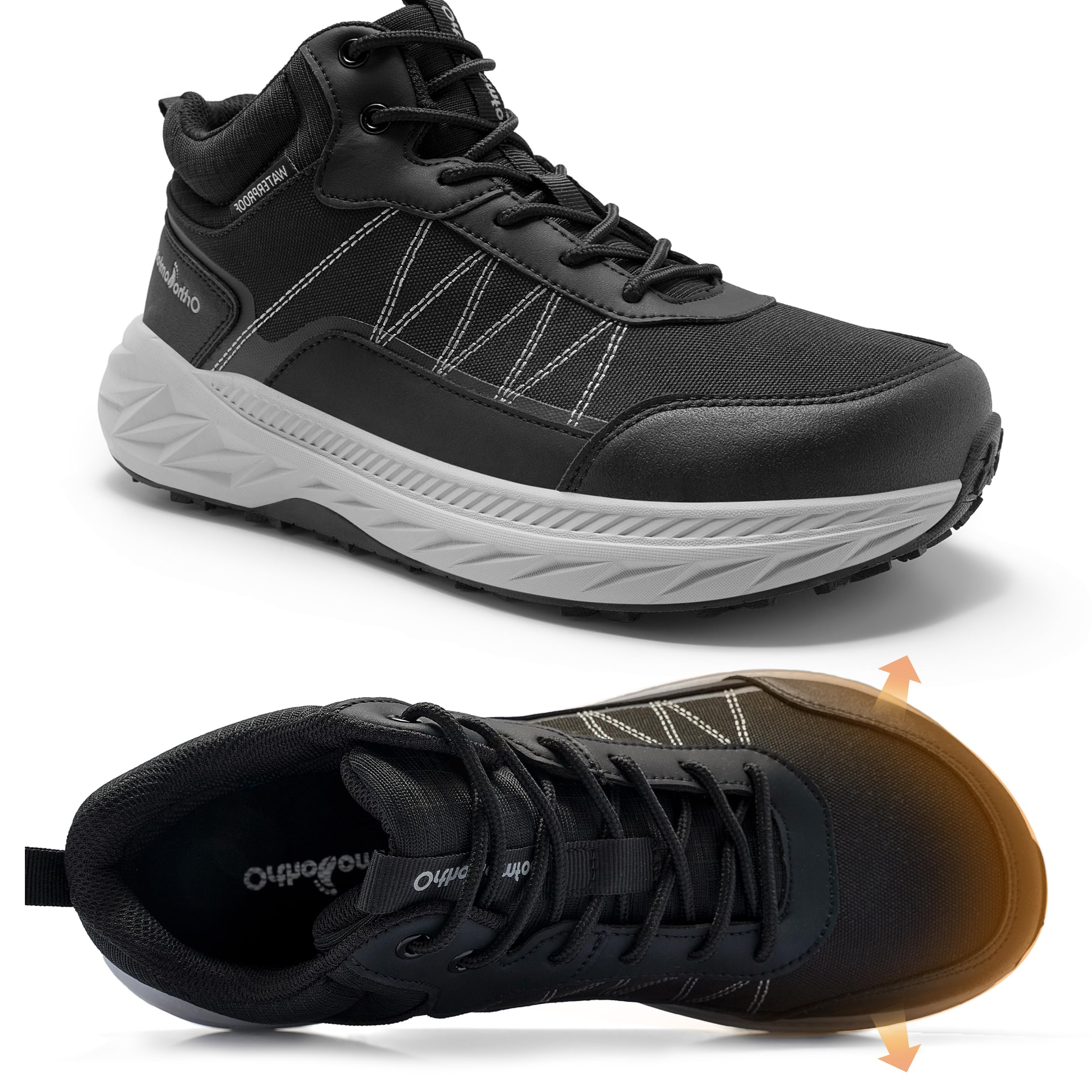
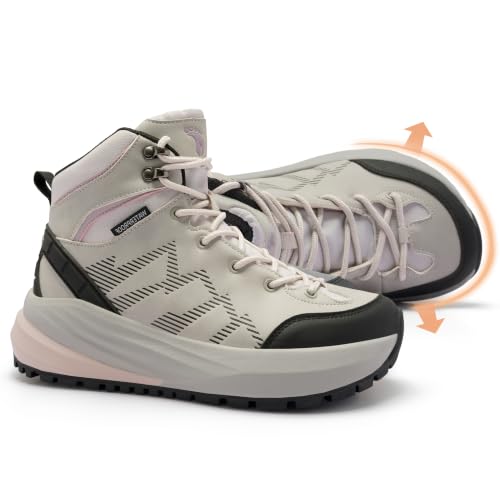
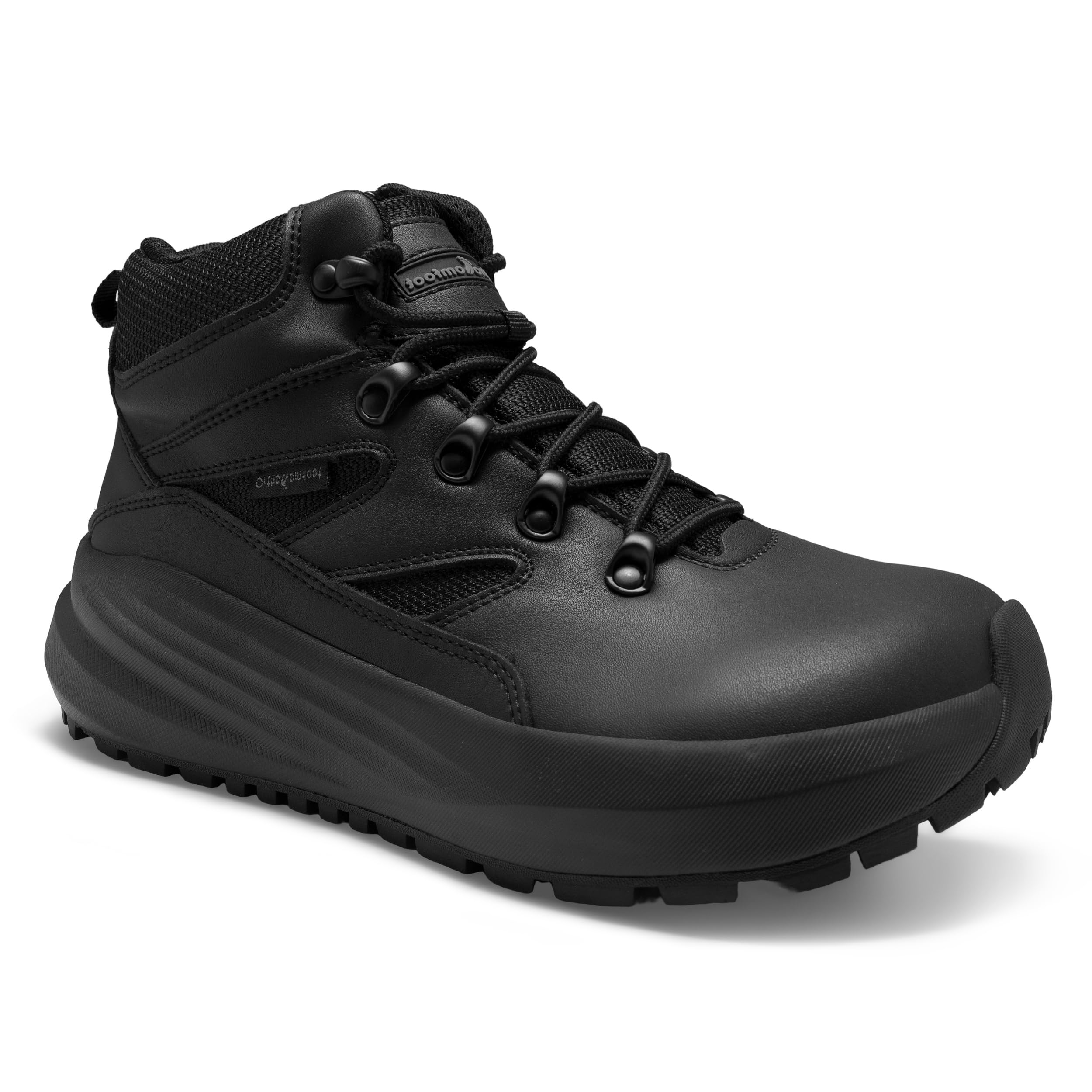
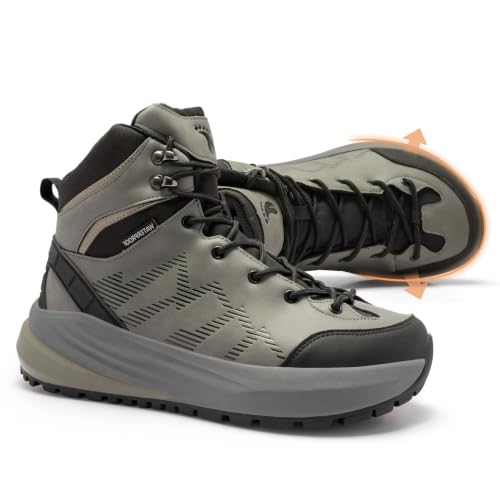
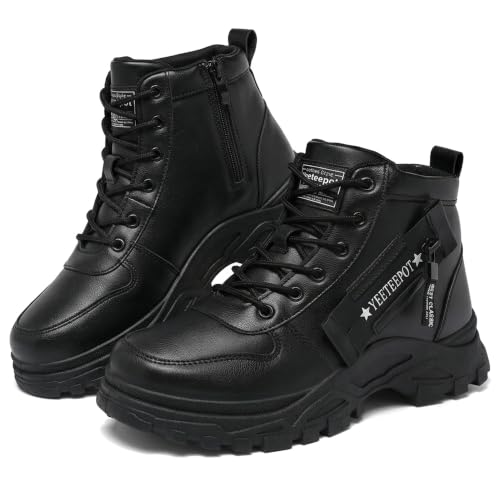
Best Boots for Flat Feet: Types Compared
No single boot suits every low arch. Some feet need firm support, others need gentle guidance plus soft cushioning, and the right balance depends on how far you walk and where you walk. The table below gives a quick view of the main types, and the sections that follow explain each one in more detail.
| Type | Best For | Pros | Cons | Typical Price |
|---|---|---|---|---|
| Stability support boots | Pronation and long walks | Guide the foot and reduce inward roll | Can feel firm at first | About $110 to $200 |
| Neutral cushioned boots | Mild low arches and comfort first | Soft cushioning and easy flex | Less control for strong inward roll | About $90 to $170 |
| Waterproof boots | Wet weather and muddy trails | Keep feet dry in rain and puddles | Warmer and slower to dry inside | About $130 to $220 |
| Lightweight walking boots | Daily errands and travel | Light feel and quick break in | Less structure for long rough routes | About $80 to $150 |
Stability Support Boots
Stability support boots are built to guide a foot that rolls inward. They use firmer foam on the inner side of the midsole, a structured heel counter, and a stable platform under the arch. Together, those parts slow the inward roll and spread pressure more evenly across the foot.
They suit people whose feet tire quickly or whose ankles feel unsteady after a long walk. The firm feel can surprise you at first, so try them with your usual socks and walk on a hard floor before deciding. If the support feels like a hard lump under your arch, the shape is wrong for your foot, even if the category is right.
Neutral Cushioned Boots
Neutral cushioned boots focus on soft, even cushioning rather than firm correction. They work well for mild low arches, where the foot rolls inward only slightly and comfort matters more than control. A roomy toe box and a flexible sole let your toes spread naturally as you walk.
The risk is too little guidance on long days. If your ankles ache or your shoes wear heavily on the inner edge, a neutral boot may not offer enough support for your needs. In that case, a removable insole can add gentle arch support without changing the boot itself.
Waterproof Boots
Waterproof boots use a sealed membrane and treated uppers to keep rain and puddles out. They are a good choice for wet commutes, muddy paths, and winter slush, where dry feet stay warmer and blister less. A sealed boot also helps when you walk through wet grass or shallow standing water.
The trade off is warmth and weight. Sealed boots breathe less, so feet can sweat on mild days, and the membrane adds a little stiffness. If you only face occasional drizzle, a water resistant finish may be enough, but for regular wet weather, full waterproofing is worth considering.
Lightweight Walking Boots
Lightweight walking boots suit daily errands, travel, and short to moderate walks. They use softer materials and thinner soles to keep weight down, which makes each step feel easier and shortens the break in period. Many also have a low collar that moves freely around the ankle.
They are less suited to rough trails or very long days on your feet, where a sturdier platform and deeper tread matter more. Choose this type when comfort and easy movement are your top priorities and your routes are mostly paved or smooth.
Stability Support Boots vs Neutral Cushioned Boots: Which Should You Choose?
Start with how much your foot rolls inward. If your arches collapse visibly when you stand, or your shoes wear down fast on the inner edge, stability support boots are the better starting point. Their firmer inner midsole and heel counter are made to slow that roll and keep your stride steadier.
If your low arches cause little trouble and you mainly want comfort, neutral cushioned boots may be enough. They feel softer from the first wear and flex more naturally with your foot. Try both types if you can, and judge by how your feet and ankles feel after a long walk, not just by how they feel in the shop.
How to Choose the Right Boot
Waterproofing
Waterproofing matters when water is a regular part of your routes. A sealed membrane keeps your socks dry in rain and slush, which helps prevent blisters and cold feet. For mostly dry pavements, a water resistant treatment handles light rain while breathing better than a fully sealed boot.
Care keeps waterproofing working. Clean off mud after wet walks, and reapply a suitable treatment when water stops beading on the surface. Let wet boots air dry fully away from direct heat before wearing them again, since damp linings soften support and invite odor.
Durability and Expected Lifespan
Durability depends on how far you walk and on what surfaces. A boot worn daily on pavements may last about a year, while a pair used only on weekends can last much longer. Watch the midsole as well as the outsole, since flattened cushioning changes support long before the tread wears out.
Running style shoes often need replacement after about 300 to 500 miles, and walking boots follow a similar pattern when used daily. Replace your boots when the inner edge collapses, the heel counter leans, or your feet start aching sooner than they used to.
Arch Support and Foot Type
Arch support should match your foot shape, not just the label on the box. A wet footprint test can show whether your arch is low, medium, or high: a full footprint with little curve on the inner edge usually points to a low arch. That simple check helps you narrow the choice before you try boots on.
Support should feel like a gentle lift, not a hard ridge. If the arch area presses painfully, the boot shape does not match your foot, even if it is marketed for flat feet. A clinician or a trained fitter can help if you have persistent pain, swelling, or a foot shape that makes off the shelf boots hard to wear.
Features That Matter for Flat Feet
For flat feet, a few features matter more than the rest. A firm heel counter keeps the heel from rolling, a stable midsole resists twisting, and a wide platform under the forefoot spreads pressure evenly. A removable insole is also useful, since it lets you swap in an insole that matches your arch.
Cushioning still matters, but it should sit on a stable base. Very soft foam without structure can let the foot roll further inward, which defeats the purpose of the boot. Look for cushioning that feels supportive under the arch and soft under the heel and forefoot, rather than uniformly squishy.
Fit, Sizing, and Toe Box
Measure your feet late in the day, when they are at their largest, and wear the socks you will use for walking. Your toes should have room to spread without touching the front of the boot, and your heel should stay in place as you walk. A boot that slips at the heel will rub blisters into place within a few outings.
If you are between sizes, try the larger size first, since insoles and thicker socks take up room. A wide toe box helps when feet spread under load, and laces let you adjust fit across the instep better than a slip on design. Walk up and down a slope if you can, since downhill steps reveal a poor fit fast.
Best Boots for Specific Needs
Best Western Boots for Flat Feet: Which Type Works Best
Western boots for flat feet need the same support as any other boot, with a few style specific points to check. The best western boots for flat feet usually have a sturdy heel counter, a supportive insole, and a shaft that does not squeeze the calf. A stacked heel changes your stance slightly, so try them on a hard floor and walk for several minutes before deciding.
Look for a roomy toe area and a midsole that resists twisting, since decorative stitching alone does not support a low arch. If the stock insole feels flat, a supportive replacement insole can improve the fit, provided the boot still has room for your toes. Choose a pair that balances the western look with the structure your feet actually need.
How to Make Your Boot Last Longer
Simple care extends the life of any boot. Air dry wet boots away from direct heat, since heaters can crack leather and warp soles. Rotate two pairs for daily wear when you can, because a full day of rest between outings lets the cushioning recover and the lining dry out.
Clean mud from the tread and upper after walks, and check the inner edge of the sole for early collapse. Replace worn insoles before they flatten completely, and replace the boots when support has gone, rather than waiting for the upper to fall apart. For related walking coverage, see our guide to the best walking boots for flat feet.
Frequently Asked Questions
What features matter most in boots for flat feet?
The features that matter most are a firm heel counter, a stable midsole that resists twisting, and arch support that feels like a gentle lift rather than a hard ridge. A roomy toe box lets your toes spread, and a removable insole gives you room to adjust support. Judge a boot by how steady your stride feels after a long walk, not only by how soft it feels at first try.
How should boots for flat feet fit?
Boots for flat feet should fit snugly around the heel and midfoot while leaving room for your toes to move and spread. Try them on late in the day with your walking socks, and walk on a hard floor to check for heel slip. The laces should let you tighten the instep without cutting off circulation, and the arch area should support without pressing painfully into your foot.
How long is the break in period for boots for flat feet?
The break in period is usually a few short walks over one to two weeks, depending on how stiff the boot is. Start with shorter outings and watch for hot spots on your heels, toes, and arches. Mild firmness often eases as the materials soften, but sharp pain or numbness is a sign the fit or the support shape is wrong, not a sign you should push through.
How often should I replace boots for flat feet?
Replace boots for flat feet when the midsole has flattened, the heel counter leans, or the inner edge of the sole has collapsed. For daily use, many boots last about a year, though lighter use can extend that. If your feet start aching sooner than they used to, or your stride feels less steady, the support has likely worn out even if the upper still looks fine.
Do I need waterproof boots for flat feet?
You need waterproof boots only if rain, slush, or muddy paths are a regular part of your routes. A sealed membrane keeps feet dry and warm in wet weather, but it also adds warmth and weight on dry days. For mostly dry walking, a water resistant finish is often enough, and it breathes better than a fully sealed boot.
Can I wear boots for flat feet all day?
You can wear boots for flat feet all day if the fit is right and the support matches your arch. Break new boots in gradually, wear socks that wick moisture, and use insoles that support without pressing. If you notice persistent foot pain, swelling, or numbness, see a clinician for advice, since those signs may point to a need beyond what a boot alone can address.
The Bottom Line
The best choice comes down to how much support your feet need, how far you walk, and how wet your routes are. Start with a stable platform and a heel counter that holds your foot steady, then weigh cushioning, waterproofing, and weight against your budget. The product table can help you compare options before you buy.
Try boots on late in the day, walk on a hard floor, and give new pairs a gradual break in. With the right fit and the right level of support, the best boots for flat feet should feel steady and comfortable from the first mile to the last. For related coverage, see our guide to the best work boots for flat feet, our guide to the best hiking boots for flat feet, and our guide to the best military boots for flat feet.


