Best and Most Affordable Tablets for Every Need: How to Pick the Right One for 2026
Disclosure: We may earn a commission when you buy through links on this page, at no extra cost to you. As an Amazon Associate I earn from qualifying purchases. Learn more

Compare the best and most affordable tablets by use case, screen, battery, and storage with a clear checklist for choosing the right fit first time.
No single tablet is best for everyone, because a device for sofa streaming, a device for sketching, and a device for work calls in hotel rooms are really three different products. The best and most affordable tablets are the ones matched to a clear job, bought once, and kept for years.
This guide starts with who should buy which kind of tablet, then looks at two special cases, children and cameras, before comparing the features that decide daily satisfaction. Check the comparison table below for the main options, then read the sections that match your routine.
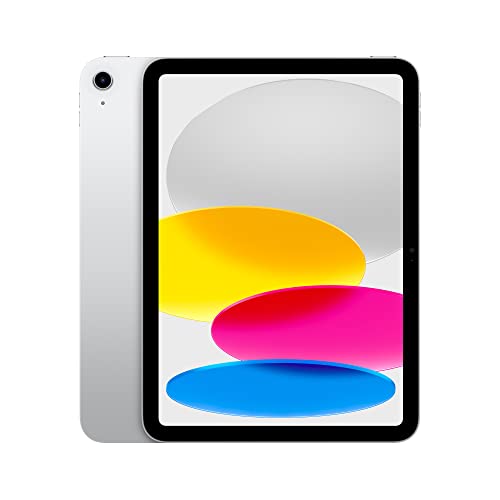
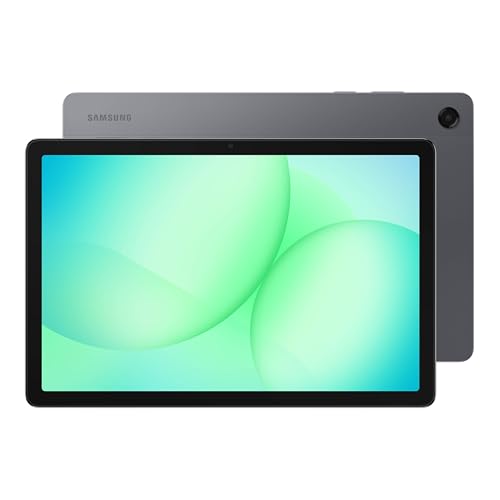

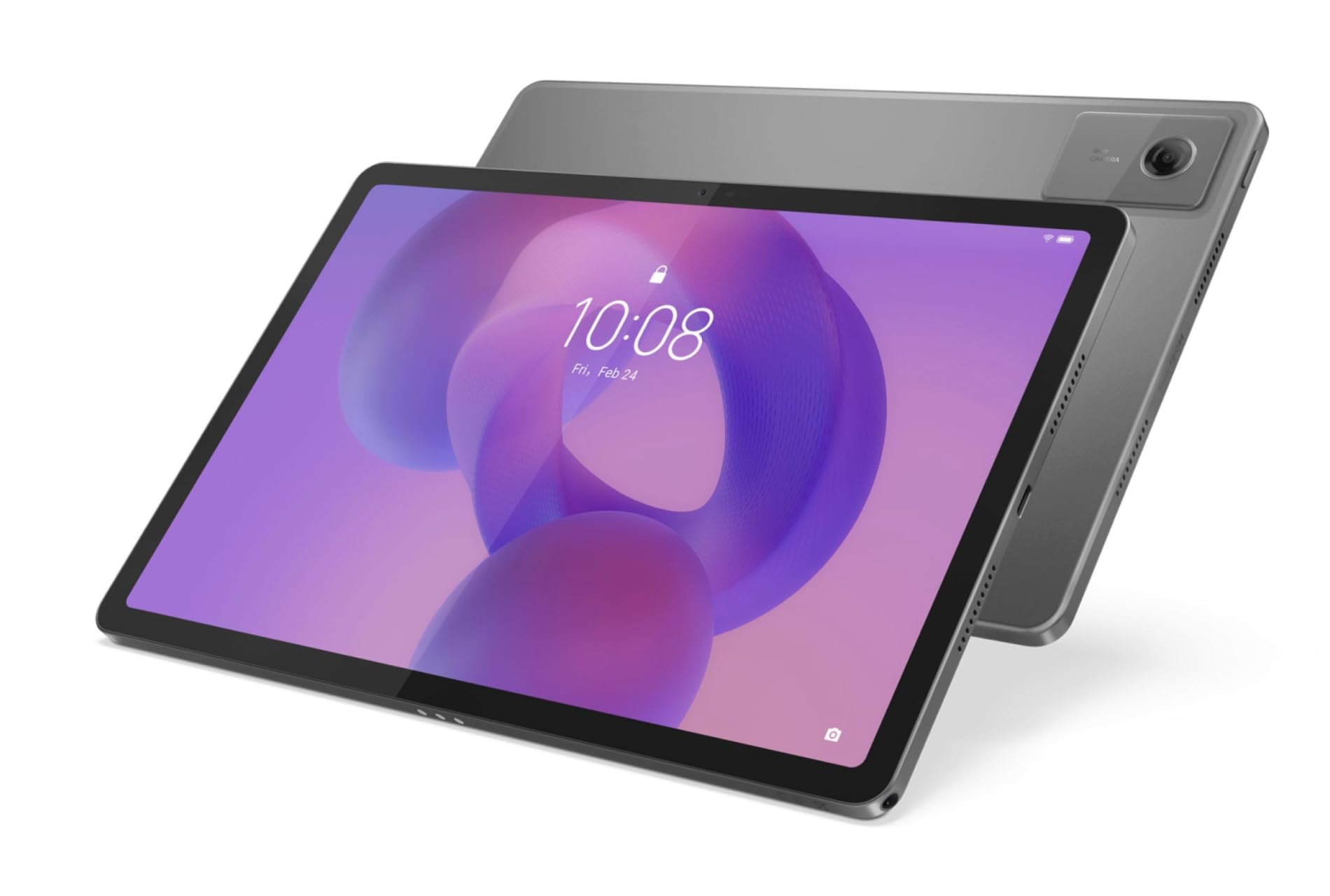
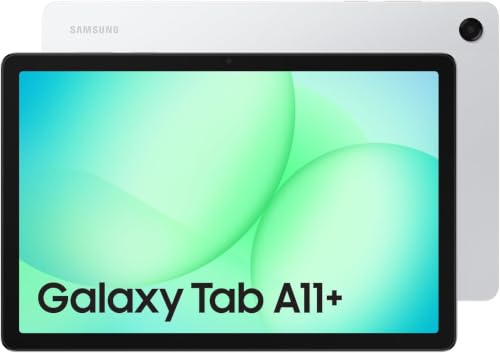
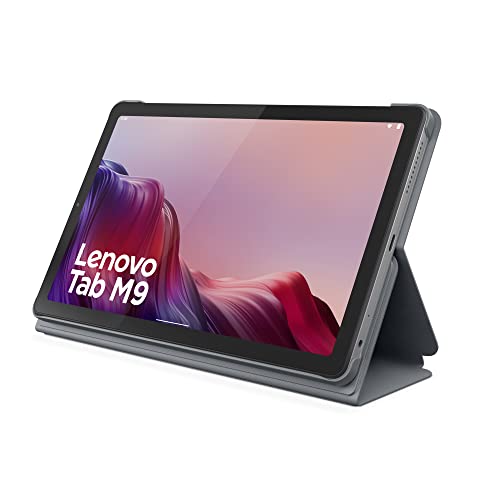

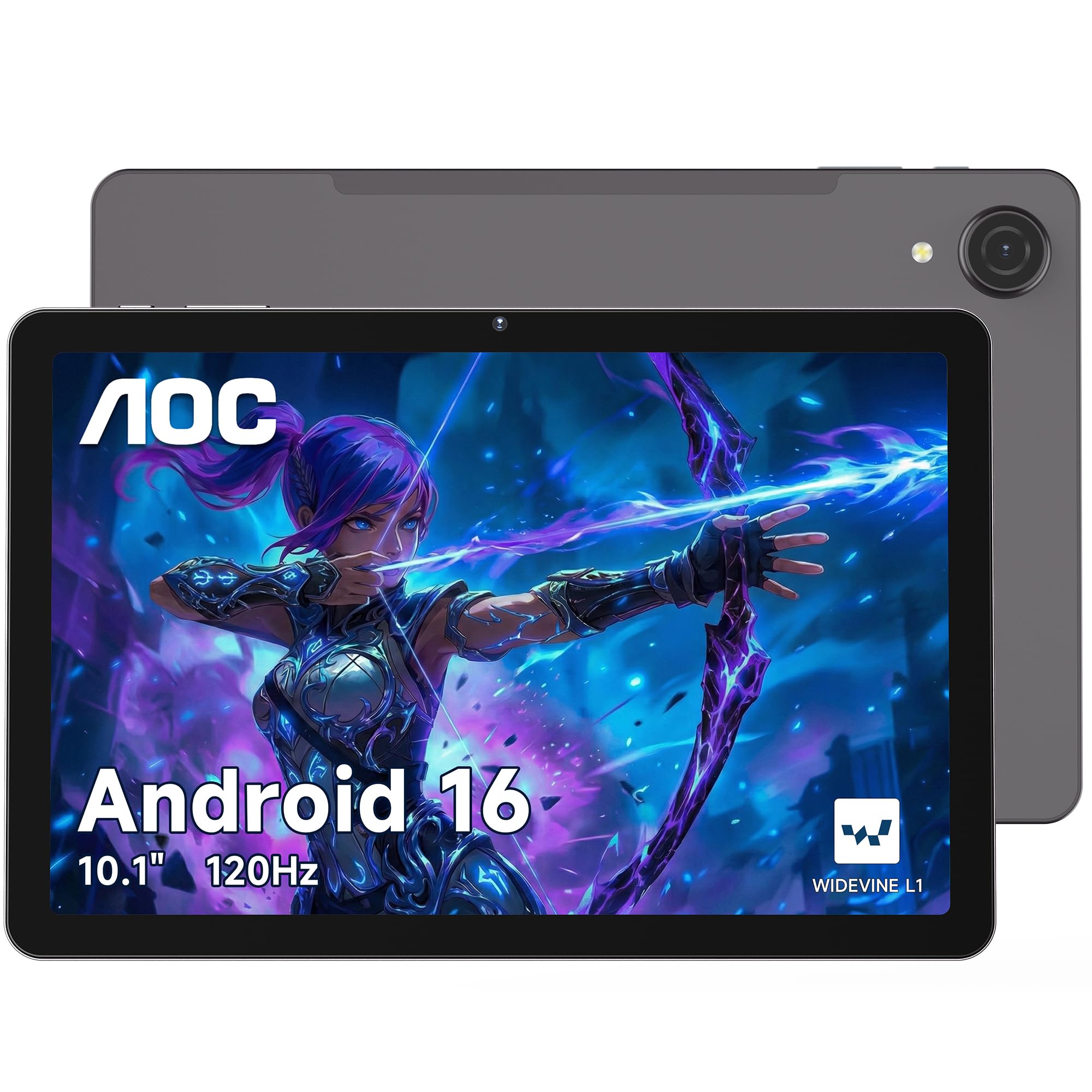
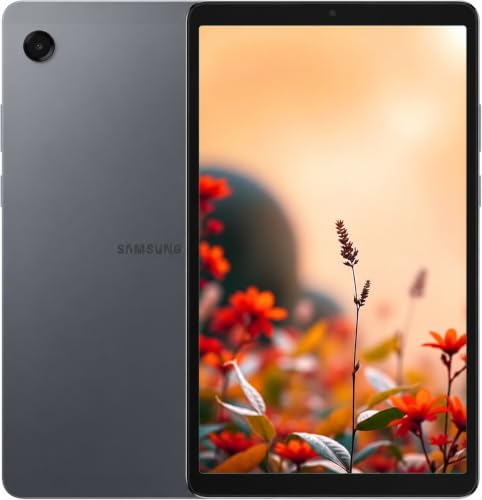

Who Should Buy Which of the Best and Most Affordable Tablets?
For Gamers and Power Users
If you play mobile games seriously, you need a fast processor, a screen with a high refresh rate for smooth motion, and responsive touch with low lag. Speakers matter more than you might expect, because game sound through tablet speakers shapes the whole experience. Storage fills fast with large game files, so 128 GB is a sensible floor, and strong cooling keeps frame rates steady during long sessions. Shoppers focused on play should also read our guide to the best affordable tablets for gaming, which goes deeper on refresh rates and game performance per dollar.
For Students and Everyday Users
For notes, reading, browsing, and streaming, you want a tablet that is stable, light, and kind to your eyes over long sessions. Battery life of a full day means you can leave the charger at home, and a screen around 10 to 11 inches balances reading comfort with one handed holding. A pen can turn lecture slides into annotated notes, but only buy one if you will actually write by hand. This group gets the best value by spending on the screen and storage, not on the fastest processor tier.
For Remote Workers and Creators
Work and creative use demand a good front camera and microphone for calls, a bright and color accurate display, and reliable connections to keyboards, mice, and external drives through USB C. Artists should check pen pressure levels and palm rejection, because those decide how natural drawing feels. Our guides to the best affordable graphics tablets and the best affordable drawing tablets explain pen focused options for sketching and design work in more detail. For general work, also confirm that the apps your job uses have full featured tablet versions before you commit.
Picking the Right Tablet for Different Uses
Best Affordable Tablets for Kids: What to Prioritize
When you choose among best affordable tablets for kids, durability and controls come before speed. A sturdy case, ideally bundled, protects against drops, and built in parental controls let you manage apps, screen time, and content by age. Storage of at least 64 GB avoids constant deleting of games and shows, and a screen that limits harsh brightness helps at bedtime. Supervise young children during use, keep sessions balanced with offline play, and talk with your pediatrician if you have concerns about screen time for your child.
Best Camera Affordable Tablets: What to Prioritize
Shoppers comparing best camera affordable tablets should know that tablet cameras trail phone cameras at the same price, so set expectations sensibly. What matters most is the front camera for video calls, where 1080p video and a wide enough view make you look clear and natural. Rear cameras are handy for scanning documents and photographing whiteboards, tasks where good software matters more than megapixels. Check for autofocus and a flashlight mode for documents, and remember that your phone will still win for family photos.
Key Features to Compare
Graphics (Integrated vs Dedicated GPU)
All tablets use integrated graphics built into the main processor, so the comparison is really between graphics tiers inside different chips. Higher tiers render games at higher frame rates and keep drawing apps smooth when you zoom into detailed artwork. Lower tiers still handle streaming, browsing, and casual games perfectly well. The practical test is your hardest app: a demanding 3D game or a layered drawing file. If your use is video and reading, save money here. If you game daily, the graphics tier is the one place where spending more shows immediately on screen.
Processor and Performance Tier
The processor decides how quickly apps open, how smoothly pages scroll, and how many years of updates the tablet will handle gracefully. Entry level chips suit streaming and reading. Mid range chips add confident gaming and split screen multitasking. Top tier chips serve creators who edit video or work with large images. A useful know how point: software support length matters as much as speed, because a tablet that stops receiving security updates becomes a poor place for banking and email long before it feels slow.
Keyboard, Trackpad, and Build
Most tablets gain laptop like skills from a keyboard case, so judge that accessory as part of the purchase. Good keyboard cases have firm keys, a trackpad that does not wobble, and a hinge or kickstand that holds the screen steady on a desk and a lap. The tablet body itself should feel rigid, with buttons that click cleanly and a finish that resists scratches in a bag. If you plan to type daily, budget for the official keyboard case from the start rather than adding a flimsy one later and replacing it.
Battery Life in Real World Use
Manufacturers quote battery life for video playback at modest brightness, so your real day of browsing, calls, and games will be shorter. In practice, a good affordable tablet gives about eight to ten hours of mixed use, and fast charging over USB C can refill half the battery during a lunch break. Battery size, screen brightness, and refresh rate settings all change the result. A simple habit extends daily life a lot: lower the refresh rate and brightness for reading days, and save the fastest settings for gaming sessions where you notice them.
What You Can Realistically Get on a Budget
Around $150 to $250, expect a solid screen, enough speed for streaming and light games, and 64 GB of storage. Around $250 to $400, you gain a brighter and faster display, 128 GB of storage, better speakers, and pen support on many models. What gets cut at the lowest prices is usually speaker quality, charging speed, and years of software updates. Do not save money by dropping to 32 GB of storage, because apps and downloaded shows will fill it within months. Value hunters who prefer one ecosystem can compare options in our guide to the best affordable android tablets.
Common Mistakes to Avoid When Buying a Tablet
- Choosing on price alone, then discovering the cheap screen strains your eyes during the reading you bought it for.
- Ignoring graphics tier and later finding your favorite game stutters, because integrated graphics cannot be upgraded after purchase.
- Buying too small a screen for split screen study, or too large a tablet for one handed reading in bed.
- Forgetting to check the warranty and update policy, which decide how safe and useful the tablet stays in year three.
- Skipping the cost of essentials like a case, a pen, or a keyboard, which can add a third to the real total price.
Setup and Care Tips
On day one, update the operating system and firmware, set up a screen lock, and turn on device finding so a lost tablet can be located or wiped. Avoid running at 100% charge all the time if your tablet offers a battery care mode, and use a padded sleeve when commuting so the screen survives your bag. A second know how tip: restart the tablet every week or two, because a fresh start clears sluggish behavior that builds up from dozens of sleeping apps.
FAQs
Is a Chromebook enough for school?
A Chromebook can be enough for school when classes run through the browser, and it beats a tablet for long typing thanks to its built in keyboard. A tablet wins when handwriting, drawing, or reading comfort matters more than typing speed. Some students pair a low cost Chromebook for essays with a tablet for notes, though one good device is simpler to manage. Check your school software list first, because a single required program can settle this choice for you.
How much RAM do I need in a tablet?
Four gigabytes of RAM is the workable minimum for browsing, video, and light apps, but 6 GB to 8 GB keeps split screen use and gaming much smoother. Unlike storage, RAM cannot be expanded later on any tablet, so this choice is permanent. Heavy multitaskers who keep a browser, a document, and a call open together should treat 8 GB as their floor. If two models differ mainly in RAM, the higher RAM model usually feels newer for longer, even with the same processor.
Is a dedicated GPU worth it in a tablet?
No tablet offers a separate dedicated graphics card, so the real question is whether a higher graphics tier inside the processor is worth paying for. It is worth it for regular 3D gaming, video editing, and detailed digital art, where frame rates and smooth zooming shape the experience. For streaming, reading, and casual puzzles, it is not, and the money serves you better as extra storage or a better screen. Think of the graphics tier as a permanent decision, since no upgrade path exists later.
Should I buy a laptop or a tablet?
Buy a tablet if your main jobs are reading, watching, sketching, and light typing with a keyboard case. Buy a laptop if you write long documents, run specialist software, or manage complex files every day. Hybrid shoppers sometimes choose a Windows tablet that behaves like both, and our guide to the best pc tablets explains that middle path. For most households, the honest answer follows your longest task: whichever device makes that task comfortable should be the one you own.
How long should a tablet last?
A good tablet should last about four to five years of daily use. The battery fades first, often holding noticeably less charge by year three, while the screen and body can last far longer with a case. Software support is the real deadline, because apps slowly drop old systems. You can stretch the lifespan by keeping storage partly free, replacing a worn case and screen protector, and using the tablet for reading and video in its later years even if you buy a newer device for work.
Our Verdict
Match the tablet to one main job, protect the screen and storage from false savings, and check how many years of updates are promised before you pay. Use the product table above to compare your finalists side by side, and you will find the best and most affordable tablets for your routine without paying for power or size you will never use.