Best Android Based Tablets: Everything to Know Before Your First Purchase for 2026
Disclosure: We may earn a commission when you buy through links on this page, at no extra cost to you. As an Amazon Associate I earn from qualifying purchases. Learn more

Shopping for the best android based tablets for the first time? Learn the terms, compare options, and avoid rookie mistakes with this easy guide.
An Android tablet can be a reading screen, a study tool, a travel companion, or the main device for light work, and the range of prices makes the choice harder than it looks. This beginner guide explains the core terms in plain English, then shows you which specs matter for your main use. By the end, you will know how to compare best android based tablets without paying for power you will never use.
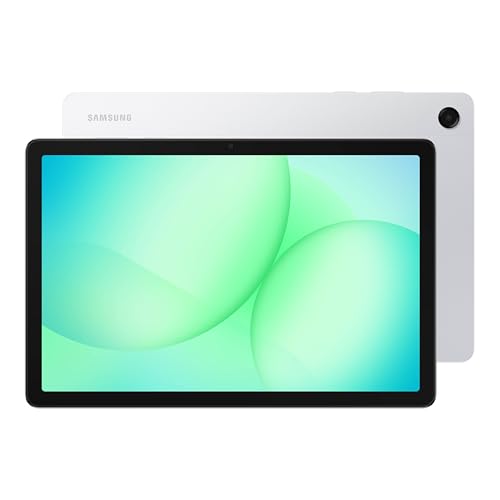
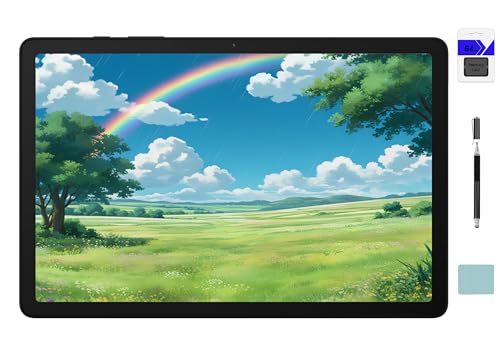
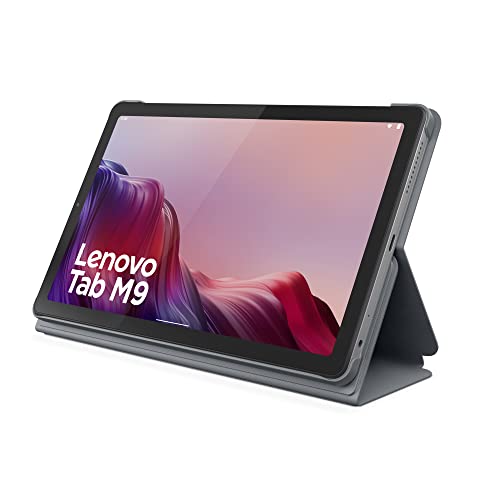
Use the comparison table below for a quick view of screen sizes, storage, and prices, then read on to match those numbers to your daily habits.


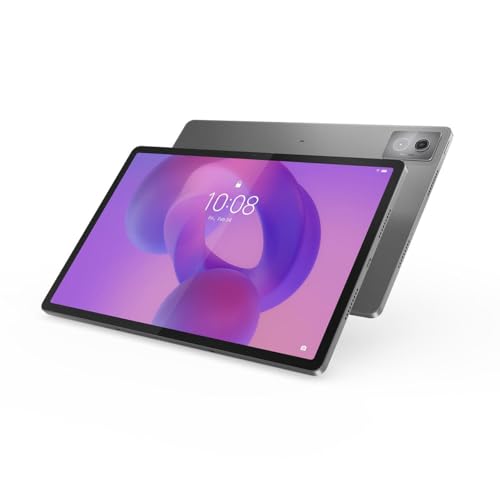

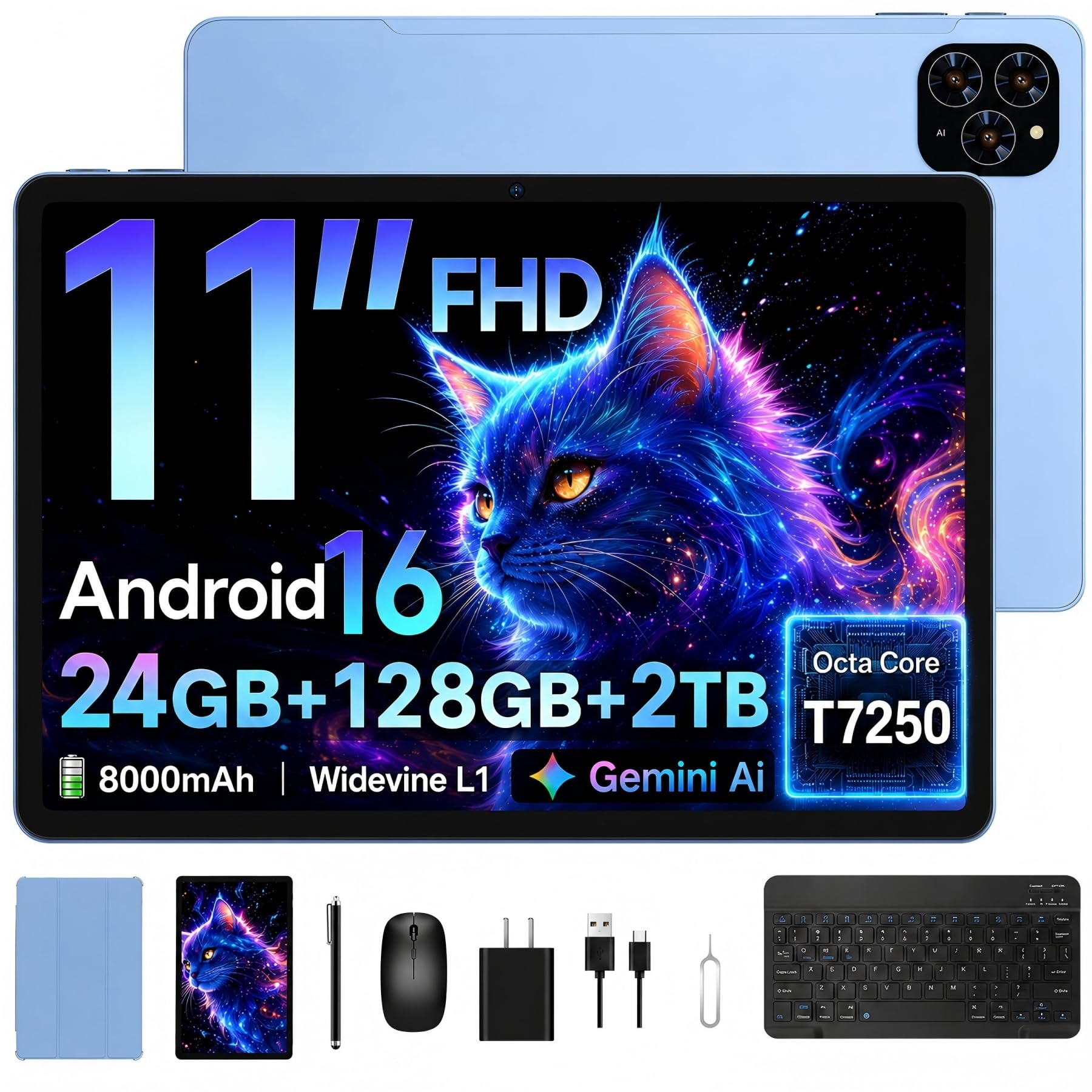
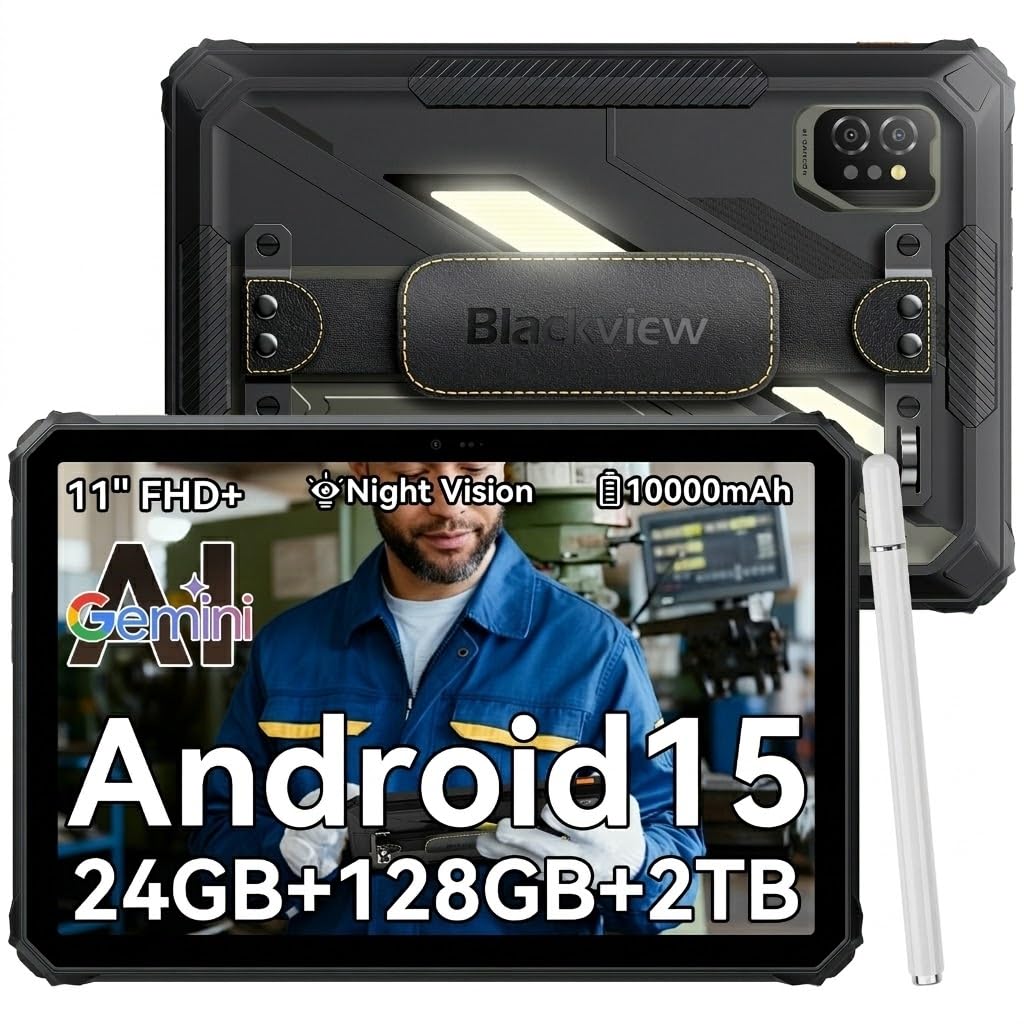
Android Based Tablets 101: The Basics
An Android based tablet is a touchscreen device that runs the Android operating system, the same family of software used on many phones. You install apps from an app store, browse the web, stream video, read books, and in many cases add a keyboard case or stylus for notes and light documents. Unlike a laptop, it starts instantly, weighs far less, and relies mainly on touch.
The basic parts are simple. The processor is the engine that runs apps. RAM is short term memory that keeps apps ready when you switch between them. Storage holds your apps, photos, and downloads. The display, battery, and speakers shape how enjoyable the device feels every day. A tablet that balances those parts well will feel fast for years, while a tablet with a strong screen but too little RAM may slow down as apps grow.
Our guide to the best android tablets gives a broader view of the category if you want to compare this Android focused advice with the wider market before you buy.
Key Specs Explained in Plain English
Processor and Performance Tier
The processor decides how smoothly apps open and games run. Entry level chips handle reading, video, email, and web browsing without trouble. Midrange chips add faster app loading, smoother multitasking, and better game settings. Premium chips suit split screen work, photo editing, and demanding games. For a first tablet, a midrange processor is often the smartest buy because it stays responsive longer than the cheapest tier. If your main use is streaming and reading, save money here and spend more on the screen and storage instead.
Ports and Connectivity
Most modern Android tablets charge and connect through USB C, which also carries data and, on some models, video output to a monitor. Check whether the port supports fast charging and how quickly it transfers large files. WiFi 6 or newer gives faster and more stable connections on busy home networks, and Bluetooth lets you pair headphones, keyboards, and mice. Cellular models add mobile data for travel but cost more and need a data plan. A headphone jack and a memory card slot still appear on some value models and can be genuinely useful.
Display Size, Resolution, and Brightness
Most Android tablets fall between 10 and 13 inches, a range that balances a roomy screen with easy carrying. Resolution matters for text clarity, so look for at least a full HD panel for reading and study. Brightness, measured in nits, decides how well the screen handles a bright room or outdoor shade, and around 400 nits or more feels comfortable in most light. A higher refresh rate, such as 90 or 120 hertz, makes scrolling and stylus writing feel smoother. OLED panels give deeper contrast for movies, while good LCD panels cost less and still look sharp.
Keyboard, Trackpad, and Build
If you plan to type often, test the keyboard case before you commit. Key travel, spacing, and a stable stand matter more than thinness, and a trackpad helps when you edit documents or spreadsheets. Some tablets use a two in one design with a detachable keyboard, while others rely on a separate Bluetooth keyboard. Build quality counts as well. An aluminum body feels sturdy and resists flex, while a plastic body keeps weight and price down. Check how the tablet balances on a desk and on your lap, because a top heavy design can wobble during video calls.
RAM and Storage
RAM affects how many apps stay open without reloading. Treat 4 gigabytes as a bare minimum for light use, 6 to 8 gigabytes as the comfortable range for most buyers, and more as a bonus for heavy multitasking. Storage holds your offline movies, photos, and games, so 64 gigabytes fills quickly, while 128 gigabytes suits most people. A memory card slot lets you expand storage cheaply for media, though apps may still prefer internal space. If you compare with convertible devices, our guide to the best pc tablets shows how Windows based models handle storage and memory differently.
Battery Life in Real World Use
Battery claims depend on screen brightness and what you do. Video playback at moderate brightness is the easiest task and gives the longest hours, while games and video calls drain the battery much faster. Look for real world figures of about 8 to 12 hours of mixed use rather than a single maximum number. Fast charging through USB C matters on travel days, because a short top up can add several hours. To protect battery health, avoid leaving the tablet at 100 percent charge all the time and keep it away from heat.
Picking the Right Tablet for Different Uses
Best Bargain Android Based Tablets: Tips for First Time Buyers
When you shop among best bargain android based tablets, protect three things: a clear full HD screen, at least 6 gigabytes of RAM if you can find it at the price, and a seller who promises several years of software updates. Accept a plastic body and modest cameras to save money, because those cuts affect daily use the least. If study or work is your goal, our guide to the best affordable android tablets adds more value focused advice. A bargain only stays a bargain if the tablet remains secure and responsive.
Rookie Mistakes to Avoid
- Buying storage that is too small. Apps, photos, and offline video grow fast, and a full tablet slows down and blocks updates.
- Ignoring software update support. A cheap tablet with no security updates becomes a risk and loses app compatibility sooner.
- Chasing camera specs. Tablet cameras are fine for documents and calls, but they rarely match a phone, so do not pay a premium for them.
- Forgetting accessories in the budget. A case, screen protector, and keyboard can add a real cost on top of the tablet price.
- Skipping the return window check. Screen comfort and speaker quality are personal, so a fair return policy protects a first time buyer.
Getting Started: Setup and First Use
Start by charging the tablet fully, then connect to WiFi and sign in with your Google account. Run every system update before you install your apps, because updates often fix early bugs and add security patches. Keep the OS and firmware updated on a regular schedule after that, and turn on automatic updates if you tend to forget. Set up a screen lock, find device tools, and a backup for your photos during this first session.
Next, install only the apps you need for your main tasks and arrange your home screen around them. Pair your headphones and keyboard, adjust text size and brightness to a comfortable level, and download a movie or book for offline use to test storage and speakers. Avoid running the tablet at 100 percent charge all the time, unplug it once it is full during daily use, and store it in a padded case when you travel.
Frequently Asked Questions
How much RAM do I need?
Most buyers should aim for 6 to 8 gigabytes of RAM for smooth daily use. Four gigabytes can work for reading and video, but apps reload more often when you switch between them. If you plan to keep the tablet for four years or more, extra RAM is one of the cheapest ways to protect that lifespan.
Is a dedicated GPU worth it?
For a tablet, a separate dedicated GPU is not something you buy on its own, because graphics power is built into the main processor. What matters is the graphics tier of that chip. Casual games run well on midrange chips, while demanding games and video editing benefit from a premium processor with stronger built in graphics and better cooling.
How long should an android based tablet last?
A well chosen tablet should last about 4 to 5 years of daily use. Battery wear and the end of software updates usually set the limit rather than the screen or body. Choosing more storage and RAM than you need today, and confirming the update promise before you buy, gives your tablet the best chance of reaching that lifespan comfortably.
Is a Chromebook enough for school?
A Chromebook can be enough for school when classes rely on web tools and documents, and its keyboard suits long essays. An Android tablet wins on portability, touch input, and media apps, and it works well with a keyboard case for notes. Check your school platform requirements first, because a few courses need specific desktop software that neither option runs well.
Should I buy a laptop or a tablet?
Choose a tablet if your work is reading, notes, video, and light documents, and you value light weight and long battery life. Choose a laptop if you type for hours, run specialized software, or manage many files and windows at once. Many first time buyers start with a tablet plus a keyboard case and only miss a laptop when their tasks grow heavier.
The Bottom Line
Put your money into the screen, enough RAM, and storage you will not outgrow, and confirm the update promise before you pay. Those three choices shape how the tablet feels every day and how long it stays useful. Compare your finalists in the product table above, match them to your main use, and choose the best android based tablets option that fits your budget with room left for a case and the accessories you actually need.