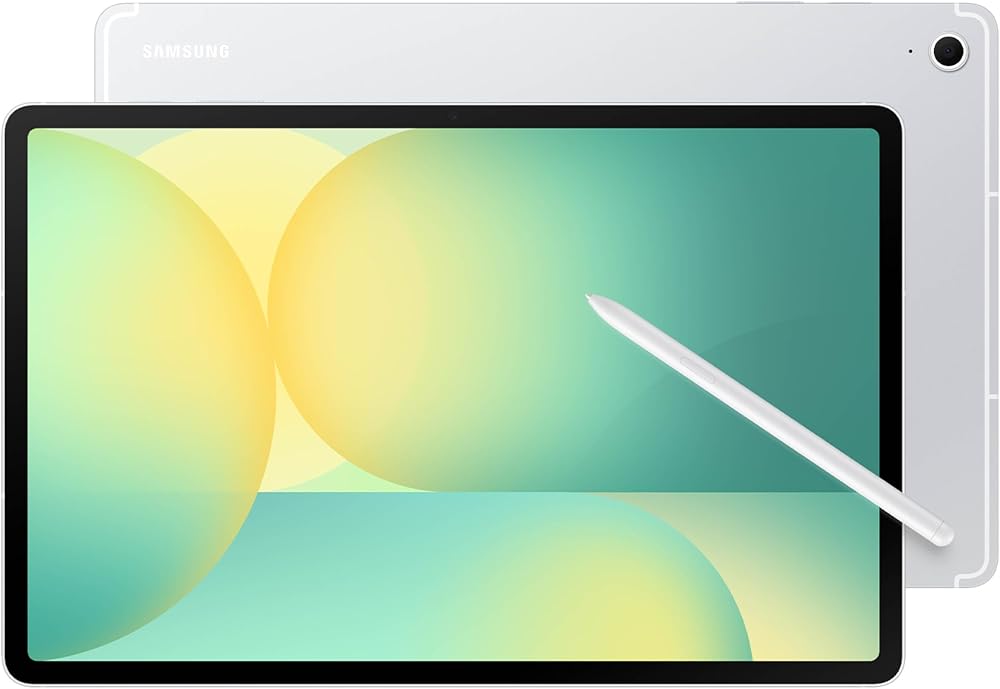
Best And Worst Tablets Made Simple: A Clear Buying Guide for 2026
Disclosure: We may earn a commission when you buy through links on this page, at no extra cost to you. As an Amazon Associate I earn from qualifying purchases. Learn more

Shopping for the best and worst tablets for the first time? Learn the terms, compare options, and avoid rookie mistakes with this easy guide.
Buying your first tablet can feel confusing because the same shop page mixes simple media tablets with powerful machines that can replace a laptop. This guide slows things down and explains the best and worst tablets in plain language, starting with what a tablet actually does well.
You will learn the key terms, the specs that matter, and the mistakes that leave new buyers with a tablet that is too weak, too heavy, or missing the apps they need. The comparison table below gives you a quick way to scan sizes, storage, and prices once the basics make sense.

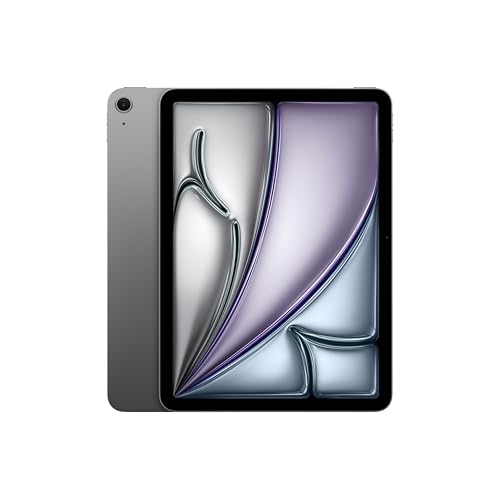

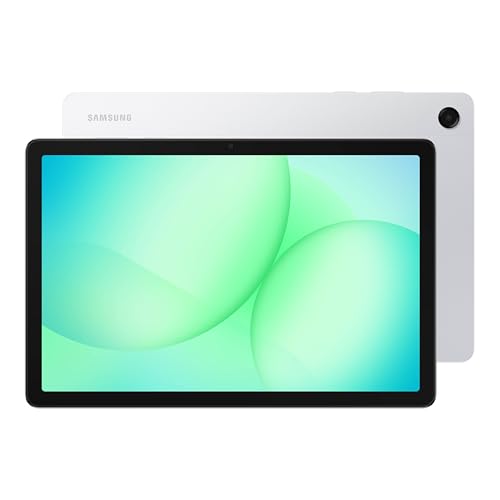


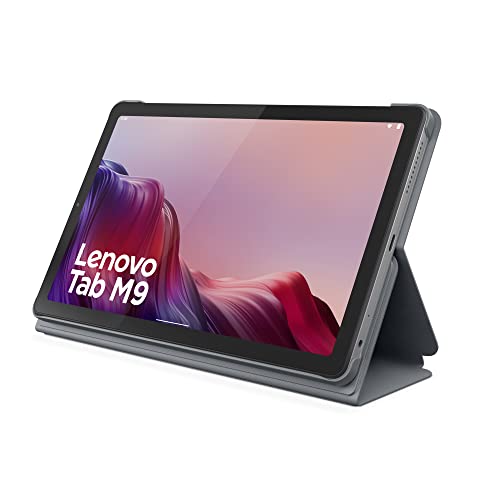


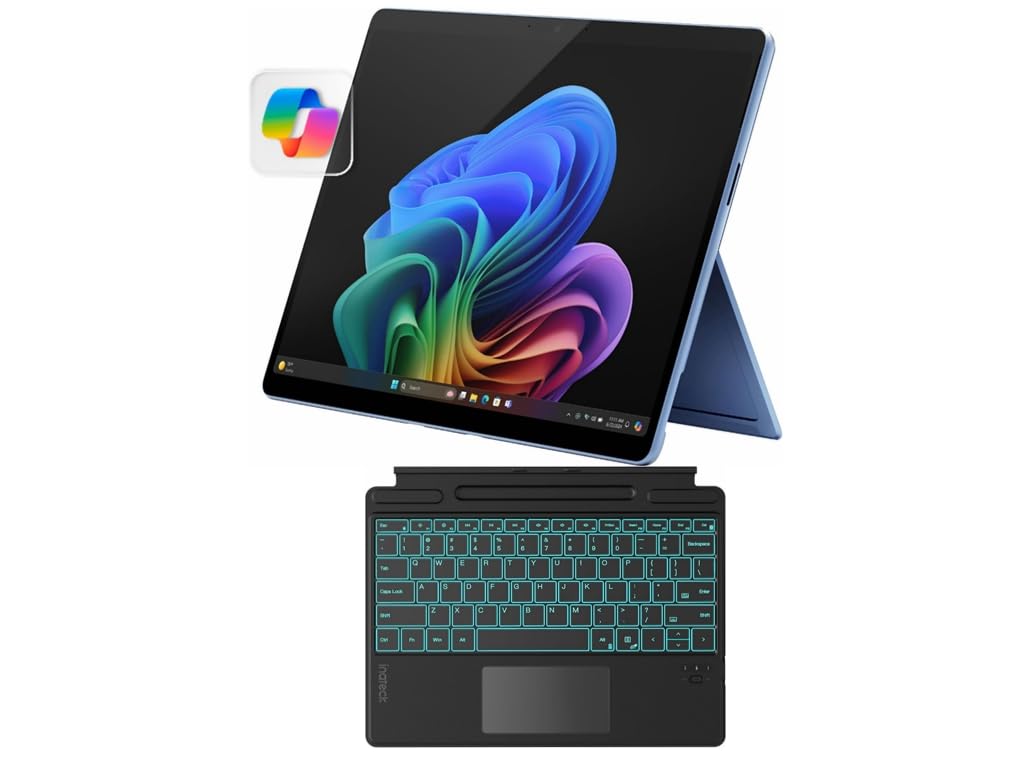
Tablet Basics for First Time Buyers
A tablet is a touchscreen computer that sits between a phone and a laptop. It has a larger display than a phone, so reading, video calls, and watching shows feel more comfortable, but it stays lighter and simpler than most laptops. You interact by tapping the screen, and many models also support a stylus for notes or a detachable keyboard for typing.
Tablets shine for browsing, email, streaming, reading, light document work, and family use around the house. They struggle when you need many windows open at once, heavy spreadsheet work, or specialist desktop software. If your main work already lives in a browser or in common apps, a tablet may cover most of your day.
The good and bad models are usually separated by a few basics rather than by one magic feature. A good tablet feels fast for years, has a bright and clear screen, and gets software updates for a long time. A weak tablet often has too little storage, a dim screen, and a processor that slows down within a year.
Key Specs Explained in Plain English
Processor and Performance Tier
The processor is the brain of the tablet, and it decides how smooth everyday tasks feel. Entry level chips handle web browsing, email, and video well, but they can stutter when you switch between many apps or edit large photos. Mid range and premium chips open apps faster, keep games smooth, and stay useful for more years.
A simple rule helps you choose. If you mostly read, stream, and browse, an entry level or mid range chip is enough. If you draw, edit video, play demanding games, or plan to keep the tablet for four years or more, pay for a stronger tier. Extra performance also protects you as apps grow heavier over time.
Operating System
The operating system is the software that runs your apps, and your phone usually points you toward the easiest choice. Android tablets work well if you use Google services and want a wide range of prices and screen sizes. iPadOS suits people who already use an iPhone or a Mac and want a very large app library built for tablets.
Windows tablets and large convertible models behave more like laptops and can run full desktop programs, which is why guides to the best pc tablets focus so much on keyboards and ports. ChromeOS tablets and convertibles are simple and secure for school and web work. Pick the system that already holds your photos, files, and paid apps, because switching systems often means buying apps again.
Battery Life in Real World Use
Manufacturers quote battery life based on light tasks such as playing a stored video at modest brightness. Real use with WiFi, video calls, games, and a bright screen usually gives you less, so treat the quoted number as a best case. A tablet that claims about ten hours often delivers seven to nine hours of mixed use.
Charging speed matters more than many buyers expect. USB C charging is now standard on most models, and faster charging can refill a large share of the battery in about thirty minutes. If you travel or share one tablet with family, quick charging and a long cable make daily life easier. Also check whether a charger is included in the box, because some premium models leave it out.
Display Size, Resolution, and Brightness
Most tablets fall between about 8 inches and 13 inches measured diagonally. Small models around 8 to 9 inches suit reading and travel, while 10 to 11 inch models balance work and portability for most people. Larger 12 to 13 inch screens help with drawing, split screen work, and watching video with another person.
Resolution describes how sharp the picture looks, and brightness, measured in nits, decides how well you can see outdoors or near windows. Look for at least about 400 nits if you read outside or sit in bright rooms. A higher refresh rate, such as 90Hz or 120Hz, makes scrolling and stylus drawing feel smoother, though it uses a little more battery.
Keyboard, Trackpad, and Build
If you plan to type more than short messages, the keyboard matters as much as the screen. Detachable keyboards vary a lot in key travel and stability, and the best ones feel firm on a desk and include a trackpad that responds without lag. Try to check whether the keyboard is included or sold separately, because that changes the true price.
Build quality shows up in daily handling. Metal bodies usually feel sturdier than thin plastic ones, and even weight distribution makes a tablet easier to hold for reading. Check the total weight with the case or keyboard attached, not just the tablet alone. A model that feels light in a store can feel heavy after twenty minutes on a couch.
Rookie Mistakes to Avoid
- Buying too little storage. Apps, photos, and downloaded shows fill space fast, and many tablets have no card slot. Choose at least 128 GB if you download media or games.
- Ignoring software updates. A low price means little if the tablet stops getting security updates after two years. Check how long the maker supports the model.
- Forgetting accessory costs. A stylus, keyboard, and case can add a large amount to the price. Add them before you compare models.
- Choosing size by price alone. A large screen is tiring to hold for reading, and a small screen is cramped for schoolwork. Match size to your main task.
- Skipping the return policy. Screen comfort and weight are personal. Buy from a seller that allows returns in case the tablet feels wrong at home. Our guide to the best tablets to purchase explains what to check before you order.
Getting Started: Setup and First Use
Start by charging the tablet fully and connecting it to your home WiFi during setup, because the first updates can be large. Sign in with the same account you use on your phone so your photos, contacts, and paid apps appear automatically. Then install only the apps you know you need, and add more later as real needs appear.
Next, set a screen lock, turn on device finding tools, and check the storage screen so you know your starting point. Keep the operating system and firmware updated, since updates fix security issues and often improve battery life. Avoid running the tablet at 100 percent charge all the time if it stays plugged in at a desk, because staying near a full charge for months can age the battery faster. A padded sleeve and a simple case protect the screen during the first weeks while handling still feels new.
Your Questions Answered
Should I buy a laptop or a tablet?
Choose a tablet if your work is mostly browsing, email, reading, video, and common apps. Choose a laptop if you type long documents daily, use specialist software, or need many windows and full size ports. Many students do well with a tablet plus a keyboard for notes, then use a shared or library computer for heavy projects.
Is a Chromebook enough for school?
Yes, a Chromebook is enough for most school work that happens in a browser, such as documents, slides, and classroom platforms. It is simple to manage and usually costs less than a Windows laptop. Check first whether your school requires a specific program that only runs on Windows or macOS, because that single requirement can change the answer.
Do I need a cellular tablet?
Most people do not, because a WiFi tablet connects through home WiFi or a phone hotspot at no extra monthly cost. A cellular model makes sense if you travel often, commute without WiFi, or want a navigation and messaging device on the go. It costs more upfront and needs a data plan from your carrier, so check coverage in your area and compare the plan price before you pay for the extra hardware.
How much RAM do I need?
Most buyers should aim for at least 6 GB to 8 GB of RAM for smooth app switching and several years of use. Light users who only read and stream can manage with 4 GB, but the tablet will feel old sooner. If you edit photos, play demanding games, or use split screen often, 8 GB or more keeps things responsive.
How long should a tablet last?
A well chosen tablet should last about four to five years for everyday tasks. The battery will slowly hold less charge, and app support ends when software updates stop, so update length matters as much as hardware. A mid range model with long update support often outlasts a cheaper model with a slightly bigger screen. Reading wider guides such as best and worst roundups can help you see which brands support their devices longest.
Final Thoughts
Focus on three things and the choice becomes much simpler: a processor tier that matches your apps, enough storage for your downloads, and a screen size you can hold or carry comfortably. Add update length and accessory costs, and you can judge almost any model with confidence.
The product table above is a good place to compare the best and worst tablets side by side once you know your size and storage needs. Pick the model that fits your daily routine, and you will enjoy it far longer than the one with the longest spec list.