Best Android Operating System For Tablets 2026
Disclosure: We may earn a commission when you buy through links on this page, at no extra cost to you. As an Amazon Associate I earn from qualifying purchases. Learn more
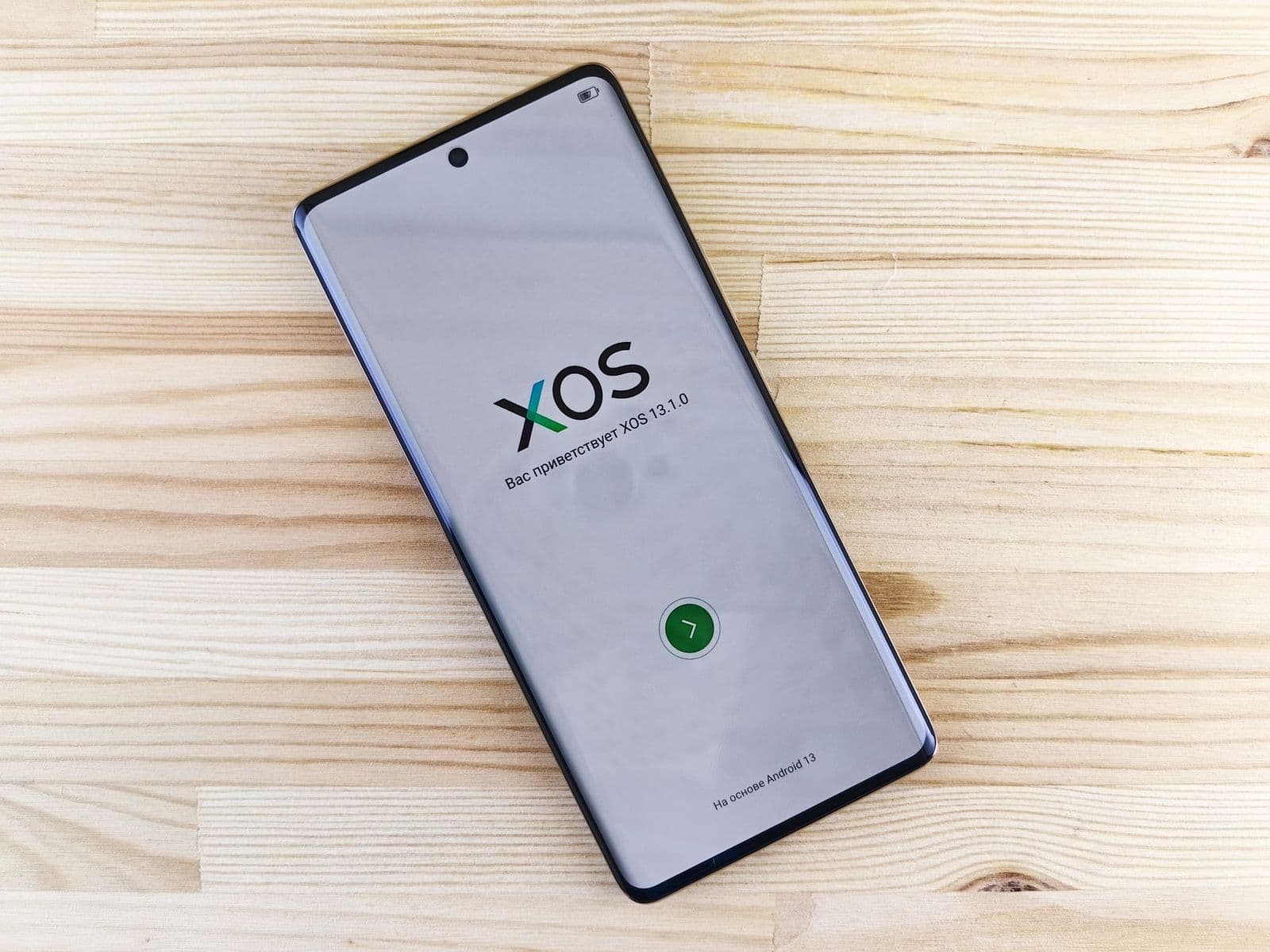
How Android works on tablets: update policies, app compatibility, multitasking, parental controls, and choosing a tablet that stays supported.
Choosing best android operating system for tablets is really about choosing a tablet whose software will stay updated and run the apps you need, because the operating system decides security, multitasking, and app compatibility for the life of the device. Look first at update policy, then at screen, performance, and app support.
Budget, mid range, and premium tablets differ in update length, performance, and display quality, so pick a tier first, then work through the checks in this guide.
Who Should Choose Android on a Tablet
Android suits buyers who want choice across many brands and prices, access to the Google Play store, and flexibility with files, storage, and accessories. It also suits families and schools that need several tablets at a manageable cost.
It is a weaker choice if you depend on a single app that only runs well on another system, or if you want the longest guaranteed update period in the industry. In that case, compare update policies before you commit.
Best Android Operating System for Tablets: Updates and Security Support
Update length matters more than the version number on the box. A tablet with several years of promised security updates stays safe and compatible far longer than a cheaper tablet abandoned after one year.
Check the maker update policy in writing, not just marketing claims. Security updates protect your accounts and data, while major version updates add features and app compatibility.
Apps, Play Store, and Compatibility
Most popular apps run well on Android tablets, but some apps are designed mainly for phones and may look stretched on a large screen. Check the key apps you need, such as note taking, video, reading, and school tools, before you buy.
If you need a specific work or school app, confirm it runs on the exact tablet model and Android version. A quick check with the school or employer saves a return later.
Multitasking and Productivity
Split screen and floating windows help students and workers compare documents, take notes during video, and manage research. Larger screens and more memory make multitasking smoother, while small screens and low memory make it frustrating.
Keyboard and stylus support turn a tablet into a light work machine. Check whether the tablet supports the accessories you plan to use, and whether they connect reliably.
Screen, Performance, and Battery
Screen quality affects reading comfort more than raw resolution alone. Look for good brightness for outdoor use, accurate colours for photos and video, and a size that suits your bag and your hands.
Performance needs depend on use. Video, reading, and browsing run well on modest hardware, while games, video editing, and heavy multitasking need a faster chip and more memory. Battery life should cover a full school or work day.
Parental Controls and Family Use
Android family tools let parents set screen time limits, approve apps, and filter content, which helps when a tablet is shared with children. Set up a separate profile for each child so settings and apps stay appropriate.
Also check account security. Use a strong lock method, keep the system updated, and review app permissions regularly, especially for apps used by children.
Budget and Long Term Value
Spend on update length and memory first, since those traits decide how long the tablet stays useful. A slightly more expensive tablet with longer support often costs less per year than a cheap tablet replaced early.
Compare update policy, screen, and performance together. The right tablet is the one that still runs your apps smoothly in two or three years.
Related Guides Worth Reading Next
If you want to compare nearby options, read our guide to best operating systems for tablets for a closer look at a related choice that may suit a different room, budget, or daily routine.
If you want to compare nearby options, read our guide to best android tablets for a closer look at a related choice that may suit a different room, budget, or daily routine.
If you want to compare nearby options, read our guide to best affordable android tablets for a closer look at a related choice that may suit a different room, budget, or daily routine.
Common Mistakes to Avoid
A common mistake is choosing a tablet by screen size alone while ignoring memory and update support on a tight budget. A large screen on a tablet with too little memory and short support frustrates daily use within a year.
Another mistake is assuming every app works perfectly on a tablet. Some apps are phone focused and look stretched on a large screen, so test your key apps during the return window before committing.
A Final Check Before You Order
Before you order, list your must have apps, check each on the exact model, and confirm accessory support for keyboards and styluses you plan to use. Also confirm account setup for family members if the tablet will be shared.
Check storage needs for downloaded lessons, books, and video. A tablet that fills up quickly forces constant deletions, so choose storage with room for growth.
Living With Your Choice
Keep the system updated, review app permissions regularly, and use a strong lock method, especially on a shared family tablet. Good habits protect accounts and data far better than any single security feature.
Back up important notes, photos, and documents to a cloud service or a computer. A backup turns a lost or damaged tablet from a disaster into a minor inconvenience.
Sharing a Tablet Safely
Sharing a tablet works best with separate user profiles, so each person keeps their own apps, files, and settings. Set up a guest profile for visitors, and keep your main profile locked with a strong method.
Review installed apps together each month and remove ones nobody uses. Unused apps consume storage, request permissions, and slow updates, while a tidy tablet stays faster and safer for everyone.
Frequently Asked Questions
How long will an Android tablet stay updated?
It depends on the maker, with some brands promising several years of security updates and others offering very little, so check the written update policy before you buy. Longer support keeps your tablet safe and compatible with new apps. A tablet without updates should be replaced sooner.
Can Android tablets run school and work apps?
Yes, most school and work apps run well on Android, including documents, video calls, reading, and classroom tools, but you should confirm the exact apps you need on the exact model first. Some apps are phone focused and may look stretched on a large screen. Test key apps during the return window.
Is Android good for children?
Yes, with family tools that set screen time limits, approve app installs, and filter content, plus separate profiles for each child. Set up controls before handing the tablet over, use a strong lock method, and review app permissions regularly. Talk with children about safe online habits too.
Do I need a lot of storage?
Storage needs depend on your use, with video downloads, games, and large documents needing far more space than browsing and reading. A memory card slot helps if the tablet supports one, but not all apps can move to a card. Choose internal storage that covers your main downloads comfortably.
Should I buy a budget Android tablet?
A budget tablet suits light use such as reading, video, and browsing, but it may slow down sooner and receive fewer updates than a mid range model. If you plan heavy multitasking or several years of use, a mid range tablet with longer support usually offers better value over time.
Final Thoughts
Start with the update policy, then choose the screen, memory, and accessories that fit how you will actually use the tablet.
Choosing the best android operating system for tablets means picking the tablet that will still run your apps and stay secure in two or three years.