
Best Analog Cameras 35mm in 2026: How to Pick by How You Shoot
Disclosure: We may earn a commission when you buy through links on this page, at no extra cost to you. As an Amazon Associate I earn from qualifying purchases. Learn more

The best analog cameras 35mm match how you shoot. Compare lens, meter, shutter and focus, then check condition before you buy.
There is no single camera that suits every film shooter. A compact that lives in a jacket pocket, a reflex camera with interchangeable lenses, and a rangefinder with a quiet shutter serve very different days. The best analog cameras 35mm for you are the ones whose focus, meter and lens match the pictures you actually take, and you can sort those choices with the comparison table below.
Start with how you shoot, not with age or fame. Think about your usual subject, how much weight you will carry, and whether you want full manual control or some help from the camera. The sections below match each style to a camera type.
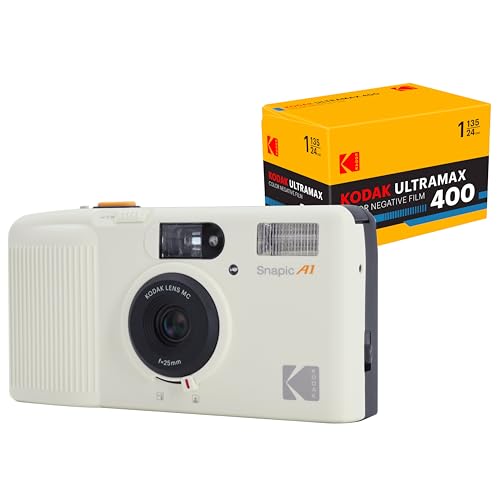


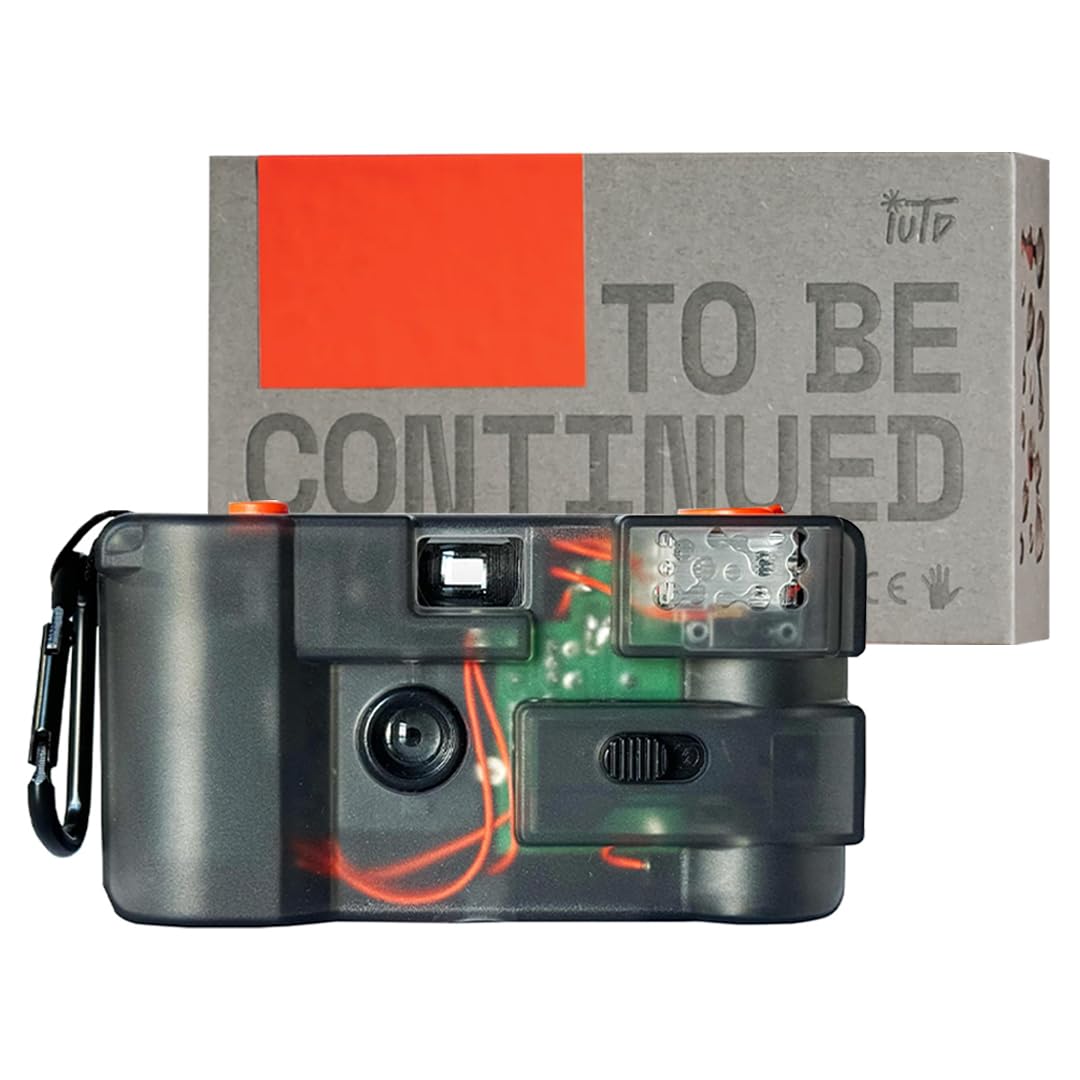


Who Should Buy Which 35mm Analog Camera?
Film rewards a camera that fits your routine, because a body you leave at home takes no pictures at all. Use your most common outing as the test.
Travel and Street Photographers Who Move All Day
You walk for hours, shoot quickly, and often work in crowds where a large camera draws attention. Prioritize a small body, a quiet shutter, and a lens around 35 mm to 50 mm that covers groups, buildings and people without constant swapping. A rangefinder or a quality compact suits this pace well, because both stay ready in a small bag.
Students and First Time Film Shooters
You are learning how aperture, shutter speed and film speed work together, so clear controls matter more than advanced features. Choose a reflex camera with a working meter, a visible needle or light display in the finder, and manual settings you can override. If you are starting from zero, see our guide to the best 35mm cameras for beginners for options built around simple loading and easy reading dials.
Portrait and Slow Paced Shooters Who Plan Each Frame
You set up a scene, wait for expression or light, and often work from a tripod or at a table. Prioritize a bright finder, a lens mount with longer portrait focal lengths around 85 mm, and precise manual focus you can check twice before firing. A larger reflex body is no drawback here, because you carry it to one place and shoot with intent rather than speed.
Key Features of the Best Analog Cameras 35mm
Compare these parts in order, because they decide your hit rate and running costs. In practice, the best analog cameras 35mm share one trait. They meter honestly, focus clearly and advance film without tearing or overlap.
Camera Type: Reflex, Rangefinder or Compact
A reflex camera shows you the scene through the lens, so what you see is close to what the film records, and you can swap lenses. A rangefinder focuses with a bright patch in a separate finder, stays smaller and quieter, but cannot show exact framing up close. A compact fixes the lens and automates more, which suits snapshots. To compare these formats further, see our guide to the best film cameras 35mm.
Lens Mount, Focal Length and Maximum Aperture
The lens shapes your picture more than the body does. A fixed lens keeps things simple, while an interchangeable mount lets you add a wide lens for interiors or a longer lens for portraits. A 50 mm lens at f/1.8 to f/2 suits most subjects and gathers useful light indoors. Check that lenses for the mount are common locally, because a rare mount can make a cheap body expensive to build on.
Focusing System and Focus Aids in the Finder
Manual focus reflex cameras use a split image circle or microprism ring that snaps clear when the subject is sharp, and both aids fade in dim light. Rangefinder patches need contrast on the subject, so a plain wall can be hard to focus on. Later analog models add autofocus, which helps with moving children or pets, but their focus motors are harder to repair. Choose the aid your eyes trust, because missed focus cannot be fixed later.
Metering Pattern and Exposure Modes
The meter reads light and suggests settings, and most 35mm film bodies use center weighted metering that favors the middle of the frame. That works for portraits, but a bright sky behind your subject can fool it, so a manual override earns its keep. Manual modes teach you the most, aperture priority suits faster work, and program modes suit snapshots. Confirm the meter reacts from shade to sun, because a dead meter means guessing every exposure.
Shutter Type, Speed Range and Flash Sync
A cloth or metal shutter controls how long light reaches the film. Mechanical shutters work without a battery, while electronic shutters need power but often hold slow speeds more accurately. Most shooters need speeds from 1 second to 1/1000 of a second, plus bulb for night exposures. Flash sync speed, often around 1/60 to 1/125 of a second, limits fill flash in daylight. Test every speed before you buy, because sticking slow speeds are a common age fault.
Film Advance, Loading and Viewfinder Coverage
A manual advance lever gives you control and costs no battery power, while a motor drive shoots sequences at the price of noise and weight. Quick loading systems that take the film leader automatically help new shooters, but classic take up spools are reliable once practiced. Finder coverage of about 90 to 95 percent is typical, so allow a small margin at the frame edges. A dim finder slows every shot, so judge brightness in room light.
How to Check a 35mm Analog Camera Before You Buy
Many film bodies on the market are decades old, so condition matters as much as the model name, whether a camera is new or older stock. Open the back and look at the foam light seals around the door. If they feel sticky or leave black marks on your finger, budget for new seals, because worn seals leak light onto the film as pale streaks. If you are still choosing a format, see our guide to the best analog cameras.
Fire the shutter at each speed with the back open and watch the curtains move evenly, then advance and confirm the frame counter moves. Look through the lens at a bright light for fungus, haze or heavy cleaning marks, and turn the focus ring to feel for grit. Check the battery compartment for corrosion, because leaking cells are a common cause of dead meters.
Finish with a short test roll before an important trip. Shoot in sun, shade and indoors, note each setting, and compare the negatives after development. Even frame spacing, no light streaks and exposures that match your notes tell you the body is ready.
Common Mistakes to Avoid
- Buying a famous body with a dead meter leaves you guessing exposure on every frame.
- Choosing a rare lens mount makes each extra lens costly and hard to find later.
- Ignoring sticky light seals lets light fog the edges of your first important rolls.
- Paying only for the body leaves no budget for film, developing and a basic service.
- Picking the heaviest system for travel means the camera stays in the hotel room.
- Skipping a test roll turns a fixable fault into a lost holiday or family event.
Care and Maintenance for a 35mm Analog Camera
Clean the lens with a soft lens cloth and a blower, never with a shirt, because grit held in clothing can mark the coating. Keep the camera in a dry padded bag away from heat, and use a silica gel pack in damp climates to slow fungus growth in lenses. Store the body with the battery removed.
Wipe the film chamber gently with a dry cloth between rolls so dust does not scratch the next roll as it advances. Replace light seals when they turn sticky. If slow speeds start to drag, book a service instead of forcing the controls, because forcing a stiff mechanism can bend parts that are no longer made.
FAQ
Which 35mm analog camera setup works best in low light?
A fast lens and fast film matter more than the body in low light. A lens at f/1.8 or f/2 paired with ISO 800 film lets you hold useful shutter speeds in cafes and evening streets. One point the body sections do not cover is push processing. Asking the lab to develop ISO 800 film as ISO 1600 gains a stop, at the cost of stronger grain and deeper shadows.
Is a smartphone enough instead of a 35mm analog camera?
A smartphone is enough for instant sharing, but it does not replace the film process. Film slows you down to a set number of frames and gives negatives you can print from for decades. If instant review and video matter more, see our guide to the best digital cameras instead. Many shooters keep a phone for records and carry film for pictures they plan to print.
What does a 50 mm lens mean on a 35mm analog camera?
A 50 mm lens gives a view close to how your eyes take in a scene, neither squeezing it nor stretching it. That is why so many film bodies were sold with one fitted. The same lens on a smaller format camera would frame tighter, but on a full 35mm frame it stays a true standard lens, safe for portraits, streets and family groups alike.
What should beginners check first on a 35mm analog camera?
Beginners should check that the meter reacts, the shutter fires at fast and slow speeds, and the lens looks clear before anything else. Those three checks predict most early success. One point worth adding is film choice. Start with ISO 400 film, because it forgives small exposure errors in sun and shade while you learn, and every lab can develop common color stock.
How much should I spend on my first 35mm analog camera?
Spend enough to get a working, serviced body rather than the cheapest untested one. Simple student reflex bodies often cost about $100 to $250, while respected rangefinders can run about $300 to $800 or more. Keep part of the budget aside. Fresh seals, a battery, and three rolls with developing can add about $60 to $120.
Final Thoughts
Match the camera type to your day first, then judge the lens, the meter and the shutter. Condition beats reputation with used film gear, so a serviced body will serve you better than a famous name with sticky seals. Use the product table above to compare size, lens options and price.
Chosen that way, the best analog cameras 35mm stop being a list of old models and become a tool you will actually carry. Load a fresh roll, shoot it within a week, and let those frames confirm the camera fits your hands.


