Best Analog Cameras of 2026: Complete Buying Guide
Disclosure: We may earn a commission when you buy through links on this page, at no extra cost to you. As an Amazon Associate I earn from qualifying purchases. Learn more
Learn how to choose the best analog cameras for film photography. Compare formats, lenses, metering, and running costs before you buy your first camera.
Film photography rewards a slower way of shooting, and the camera you choose shapes every frame that follows. The best analog cameras are not the most complex ones, but the ones whose format, lens, and controls match how you like to shoot. Weigh the main camera types, running costs, and condition before you commit.
Analog cameras range from simple point and shoot film cameras to fully manual rangefinders and medium format bodies. Each type trades convenience for control in a different way, and film and developing add an ongoing cost that digital shooters never face. This guide explains those trade offs in plain terms so a first time film buyer can choose with confidence.
Spending Levels for Analog Cameras
At a lower spending level, around $50 to $150, you will mostly find simple point and shoot film cameras and older manual bodies that need a careful condition check. These are a fine way to learn film, provided the light seals, shutter, and meter still work. Expect to budget separately for film and developing, since those costs add up faster than the camera price itself.
In the middle range, around $150 to $400, you gain more reliable meters, sharper lenses, and bodies in better cosmetic and mechanical shape. This is where many regular film shooters settle, because the camera feels solid without demanding expert repair knowledge. At a higher level, around $400 and above, you pay for premium lenses, quieter shutters, and medium format bodies, which suit shooters who already know they love film and print larger images.
How to Choose the Best Analog Cameras: Buying Guide
Film Format and Image Character
Most beginners start with 35mm film, which is widely available, affordable to develop, and forgiving to learn on. Medium format film gives larger negatives and finer detail, but each roll holds fewer frames and costs more to buy and process. Instant film trades image quality for immediate prints and a playful shooting style. Choose the format by how you will share or print the results, not by what sounds most impressive.
Lens and Focus
The lens matters more than the body for image quality, so check its condition first. Look for clear glass without fungus, haze, or deep scratches, and a focus ring that turns smoothly from near to far. A standard lens around 50mm suits everyday shooting, while a wider lens suits rooms and streets and a longer lens suits portraits and distant subjects. Fixed lens cameras simplify the choice, while interchangeable lens bodies let you grow into new focal lengths later.
Metering and Exposure
A working light meter takes much of the guesswork out of film exposure, especially for beginners. Some cameras meter automatically and set the shutter or aperture for you, while fully manual cameras ask you to set both and learn from the results. If the meter is dead, you can still shoot with a phone meter app or a handheld meter, but that adds a step to every frame. Check the meter against a known light level before you buy, and ask whether it needs a battery type that is still easy to find.
Size, Weight, and Handling
A camera you leave at home takes no pictures, so size and weight deserve real weight in the decision. Compact point and shoot cameras slip into a coat pocket, rangefinders balance well for street shooting, and medium format bodies demand a bag and a slower pace. Hold the camera if you can, check that the dials fall under your fingers, and carry it for a few minutes to judge comfort. A slightly heavier camera with controls you enjoy will beat a lighter one that frustrates you.
Running Costs and Film Availability
Film, developing, and scanning form the true long term cost of analog shooting. Color negative film is the easiest to develop in most labs, while slide film and black and white film suit shooters who enjoy a specific look or home developing. Check that your chosen format is still stocked by labs near you, and price a roll plus developing before you buy the camera. A cheap body paired with an expensive format can quickly cost more than a pricier body in a common format.
Condition and Serviceability
Most analog cameras are bought used, so condition checks matter more than brand claims. Check the shutter at slow and fast speeds, listen for a clean click, and look at the film door seals for sticky or crumbling foam. Ask whether the camera has had a recent service, and whether a local repair shop still works on that model. A camera with a fresh service and available parts is often a better buy than a rarer model with no repair support.
Types of Analog Cameras
35mm SLR Cameras
A 35mm SLR shows you the scene through the taking lens, so framing and focus match what the film will record. These cameras offer interchangeable lenses, reliable meters in many models, and a huge used market, which keeps prices fair. They suit learners who want manual control without giving up a helpful meter. For a broad view of film options, see our guide to the best analog film cameras before you narrow to one body style.
Rangefinder Cameras
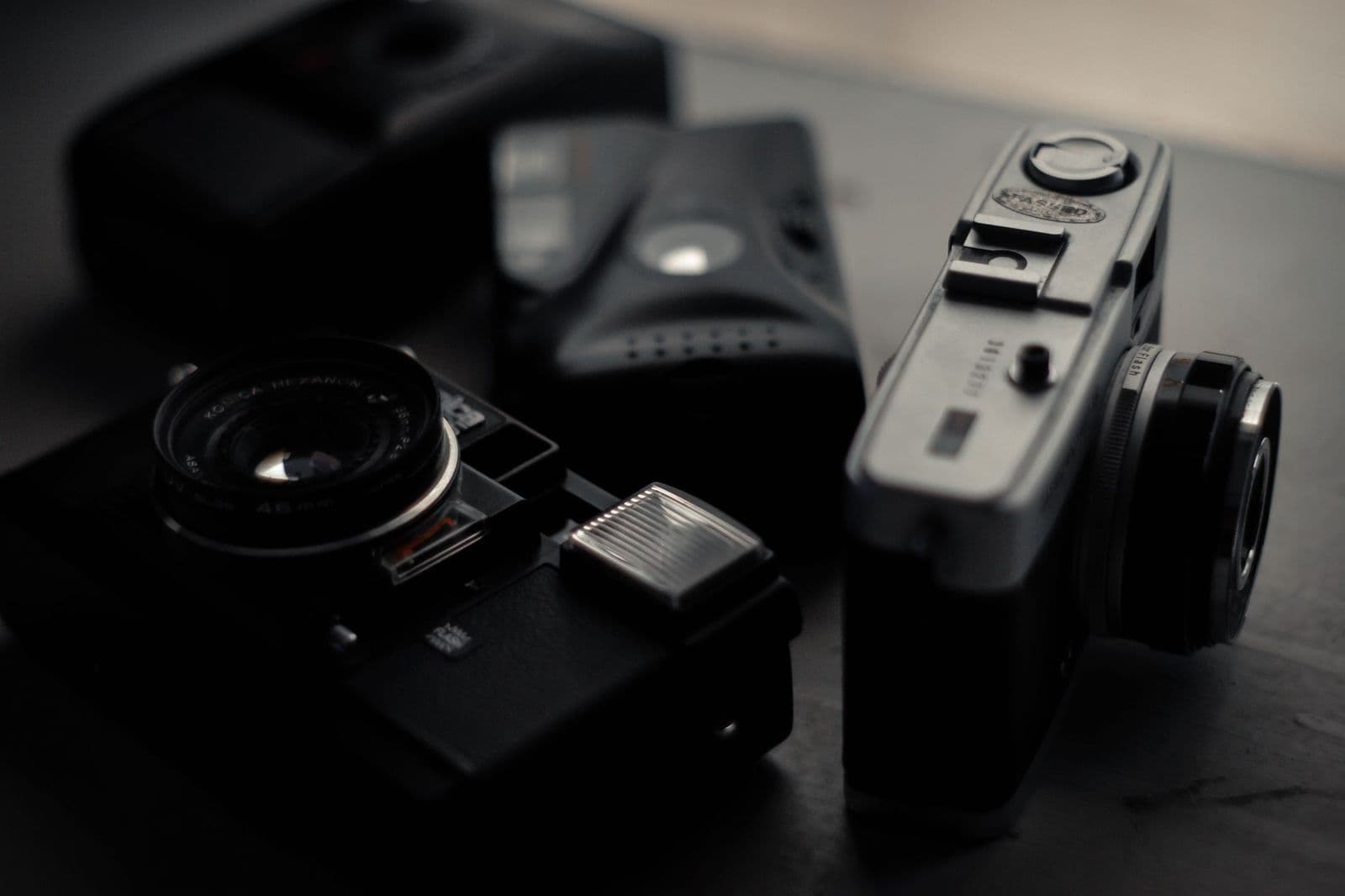
Rangefinders focus through a separate viewfinder window, which makes them quieter and often smaller than SLRs. They excel at street and travel photography, where a discreet camera and a sharp standard lens matter most. The trade off is that close focus and very long lenses are harder to judge through the rangefinder window. Collectors also prize many rangefinders, so check prices against condition carefully, and see our guide to the best vintage analog cameras if an older model appeals to you.
Point and Shoot Film Cameras
Point and shoot film cameras automate focus and exposure, which makes them the easiest entry into film. They suit casual shooters, travel, and anyone who wants the film look without learning manual controls first. Image quality varies widely, so look for a clean lens, a working flash, and a light meter that still responds. Their simplicity is also a limit, since you cannot change lenses or fully control exposure on most models.
Medium Format Cameras
Medium format cameras use larger film and produce negatives with finer grain and more detail for large prints. They suit portrait and landscape shooters who work slowly and value image quality over speed. The costs run higher, both for the body and for each roll, and the cameras are larger and heavier than 35mm models. If you print big or scan at high resolution, the extra detail can justify the slower pace and higher running cost.
Instant Cameras
Instant cameras produce a print seconds after the shot, which makes them fun for parties, travel journals, and gifts. Film packs cost more per frame than 35mm rolls, and the small prints suit sharing more than enlarging. Controls are usually minimal, so you trade creative control for immediacy. They work best as a second camera or a social camera rather than a main learning tool for exposure.
Choosing Analog Cameras for Your Situation
Best Wireless Analog Cameras
The phrase wireless analog camera usually points away from film and toward home monitoring, where an older style analog signal reaches a receiver without a long cable run. If that is your need, judge the camera by signal range through walls, night vision, and weather sealing. Follow local placement and recording rules, keep cameras out of bedrooms and bathrooms, and tell household members where cameras watch shared spaces. For that separate use, see our guide to the best analog surveillance cameras.
Setup and Care Tips
- Use a lens cloth, not your shirt, since grit on fabric can scratch coatings over time.
- Carry a spare battery for the meter, and note which battery type your camera needs before a trip.
- Store the camera in a dry, padded bag, away from damp basements and hot car interiors.
- Check light seals and foam each year, and replace crumbling seals before they leak light onto film.
- Wind film gently and never force a stuck advance lever, since forcing it can tear film or damage gears.
- Keep a simple log of film stock and exposure notes, which speeds up learning from each developed roll.
Analog Cameras: Your Questions Answered
Which film format should a beginner start with for analog cameras?
Start with 35mm film, because it is widely stocked, affordable to develop, and available in many camera types. A 35mm camera lets you learn exposure, focus, and composition without the higher per frame cost of larger formats. Once you enjoy the process and want larger prints, medium format becomes a natural next step. Also pick a format your nearest lab develops in house to avoid long waits and mail in fees.
How much should I spend on my first analog camera?
Budget around $50 to $200 for a first camera in good working order, plus film and developing for your first few rolls. Spending less is fine if the shutter, meter, and seals all check out, while spending more mainly buys better lenses and cleaner condition. Do not spend your whole budget on the body alone, since film costs will arrive with every roll. Confirm a local shop can service the model before you pay a premium price.
Is a smartphone enough instead of analog cameras?
A smartphone is enough if you want instant sharing, low cost per shot, and automatic exposure in every scene. An analog camera suits you if you enjoy a slower pace, the look of film grain, and prints with a distinct character. The two are not direct rivals, since film adds developing time and cost that a phone avoids entirely. Phone images invite heavy filters, while film rewards getting exposure and framing right at the moment of shooting.
What does ISO mean for film?
ISO on film describes how sensitive the film is to light, with higher numbers suiting darker scenes and lower numbers suiting bright daylight. A 400 speed film works well indoors and on cloudy days, while a 100 speed film gives finer grain in bright sun. Unlike a digital camera, you cannot change ISO frame by frame, since the whole roll shares one speed. Choose the roll speed for the light you expect most, and carry a second body or wait for the next roll if conditions change sharply.
What specs matter most for beginners choosing analog cameras?
A working meter, a clean standard lens, and a shutter that fires cleanly at all speeds matter most for beginners. Those three checks decide whether the camera will expose correctly and produce sharp images, while other features are secondary. Lens mount matters next, since a common mount gives you affordable lens choices later. Also open and close the film door to confirm the latch holds firmly, since a loose door can ruin a whole roll with light leaks.
The Bottom Line
Choose the format first, then the camera type that fits how you shoot, then check condition and running costs before you pay. A 35mm camera in good repair is the safest first step for most buyers, while medium format and instant cameras suit clearer, more specific goals. Keep some budget back for film and developing. The best analog cameras are the ones you will actually carry, load, and enjoy shooting frame after frame.