
Best Amplifier for Bose 301 Speakers for 2026: A Complete Buying Guide
Disclosure: We may earn a commission when you buy through links on this page, at no extra cost to you. As an Amazon Associate I earn from qualifying purchases. Learn more

The best amplifier for bose 301 speakers is a clean 40 to 80 watt model with the inputs you need. See the specs and setup tips that matter.
Bose 301 speakers have filled living rooms with easy, room friendly sound for decades, but they only give their best when the amplifier behind them is a sensible match. Finding the best amplifier for bose 301 speakers is not about chasing the biggest watt number. It is about clean power in the right range, the inputs your sources need, and controls that suit the way you listen. This guide explains each decision in plain terms, so you can compare the comparison table below and choose once, with confidence.
The 301 design reflects some sound off the walls, which makes placement and amplifier tone control more important than raw output. A modest, well made amplifier usually beats a powerful but rough one with these speakers.
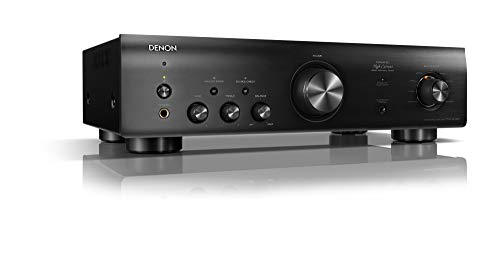
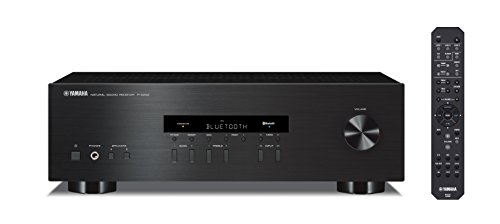

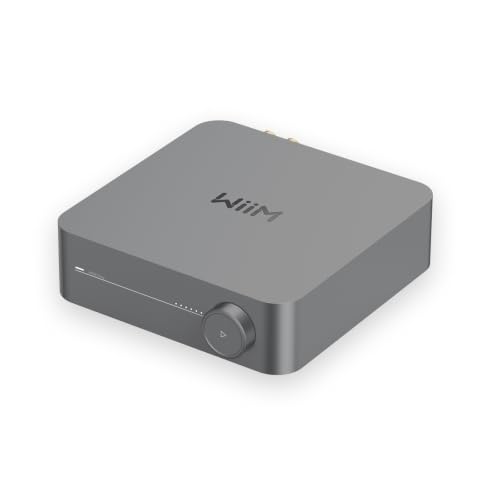


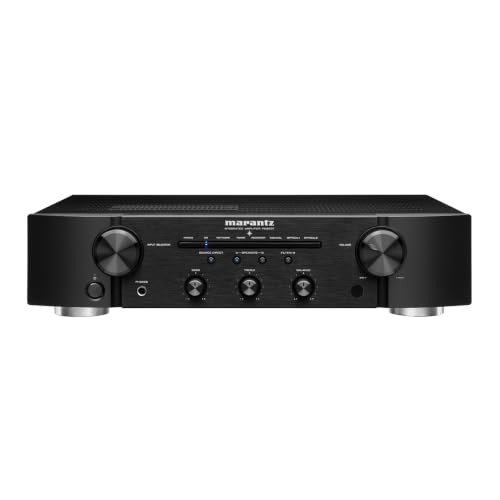
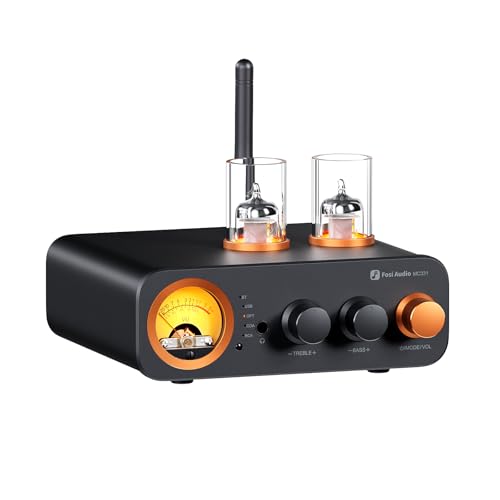
What Each Price Tier Delivers
Instead of ranking individual models, it helps to know what each price tier generally buys you with speakers like the 301. Use these tiers to set a budget before you look at the product table above.
The Balanced Tier
Around $250 to $500, integrated amplifiers offer the best balance for most 301 owners. You typically get about 50 to 80 watts per channel into 8 ohms, a built in DAC, Bluetooth or WiFi streaming, and solid metal construction. This tier suits a main living room system where the speakers play music and TV sound every day. Remote control, a subwoofer output, and tone controls are common here, and build quality is good enough to keep the unit in service for many years.
The Value Tier
Under about $250, compact and entry level amplifiers still drive the 301 speakers happily in small and medium rooms. Expect roughly 30 to 50 watts per channel, Bluetooth streaming, and one or two wired inputs. What you give up is usually refinement at high volume, extra inputs, and heavy build quality. For a bedroom, office, or first system, this tier is the smart spend, especially if you put the savings toward speaker stands and sensible placement.
The Simple Tier for Beginners
If this is your first separate amplifier, the simplest tier is a basic stereo unit with a volume knob, a Bluetooth input, and clear speaker terminals, often under $150. Fewer features mean fewer setup mistakes, and the 301 speakers are forgiving partners that do not demand exotic power. Start here if you are upgrading from a mini system, and learn what you value before spending more. Owners of other models in the range can also read our guide to the best amplifier for bose 901 speakers to see how needs change with a very different design.
How to Choose the Best Amplifier for Bose 301 Speakers: Buying Guide
This section walks through the specs and features that actually change what you hear from 301 speakers. Read it once and every product page becomes easier to judge.
Features That Matter for Bose 301 Speakers
The 301 speakers are rated for amplifiers in a broad range, roughly 10 to 150 watts per channel, with 8 ohm impedance. In practice, about 40 to 80 clean watts per channel covers nearly every home. Prioritize low distortion at normal listening levels, because these speakers spend their lives at moderate volume where clarity matters more than peaks. A loudness or tone control helps at low volume, and a balance control is handy because the reflected sound design can favor one side of an uneven room.
Sound Quality and Tuning
The 301 sound leans warm and spacious rather than sharply detailed, so an amplifier with a neutral character keeps the balance honest. Bass and treble controls let you adjust for a bright room with hard floors or a soft room full of fabric. Avoid heavy equalizer presets that boost both extremes, since that can make vocals sound recessed. If you stream most of your music, a good built in DAC improves clarity from digital sources more than a small step up in wattage does.
Placement and Room Size
Bose designed the 301 speakers to use the room, reflecting part of the sound off side walls for a wider effect. Place them on stands or a sturdy shelf, roughly at ear height, with some open space beside each speaker for that reflection to work. In a small room, a compact amplifier with modest power is all you need. In a large open plan space, choose the upper end of the power range and consider a subwoofer, because the 301 cabinets are bookshelf sized and their bass has natural limits.
Ecosystem and App Features
Streaming amplifiers add an app for volume, input choice, and sometimes room correction or equalizer presets. Check that the app supports the services you use and that the brand still updates its firmware, because streaming platforms change over time. A simple Bluetooth only model avoids app dependence entirely and can be the wiser long term choice for a second room. Think about who else in the house will use the system, since the easiest control wins daily arguments.
Connectivity
List your sources before you shop: TV, turntable, CD player, phone, or computer. A TV needs an HDMI ARC or optical input, a turntable needs a phono input or a separate phono stage, and a computer benefits from a USB DAC input. Bluetooth 5.0 or newer gives stable range from a phone, while WiFi streaming avoids compression for music you care about. If you are building a wider setup around the brand, our overview of the best bose speakers shows how the different ranges fit together.
Build Quality and Ventilation
A home amplifier does not need outdoor water resistance, but it does need honest build quality and room to breathe. Look for a metal case, firm binding posts, and vents on top that stay uncovered in your furniture. Class D designs run cool and suit closed cabinets, while many class AB designs run warmer and reward open shelving. Keep the unit away from dust buildup and direct sunlight, and it will serve for a long time.
Size, Weight, and Cabinet Fit
Measure your shelf or cabinet before ordering, including depth for cables behind the unit. Compact amplifiers suit desks and small media furniture, while full width models match other hi fi components and offer bigger, easier controls. Weight is a rough guide to power supply size, but modern efficient designs can be light and still sound strong. Leave at least two inches above the vents, and avoid stacking a streaming box or console directly on top of the amplifier.
Types of Amplifiers
Streaming and Bluetooth Models
These amplifiers build wireless streaming into the box, so a phone or tablet becomes the remote and the library. They suit casual listeners who mostly play music from apps. The trade off is dependence on an app and a platform that must stay supported. Sound quality from WiFi streaming is excellent, and Bluetooth covers quick listening from any device in the room.
Models for Game and Movie Rooms
Amplifiers aimed at TV rooms add HDMI ARC, sometimes a center focused dialogue mode on receiver style units, and low delay signal paths. They suit viewers who want the 301 speakers to handle film and game sound with clear voices. If you later want full surround sound, a receiver is the better tool, and our general guide to the best amplifier for speakers explains where amplifiers end and receivers begin.
Compact Models
Small amplifiers trade maximum power for a tiny footprint and cool running. They fit desks, kitchens, and shelves where a full size unit cannot go. Paired with 301 speakers in a modest room, they give satisfying volume with simple controls. If size is your main limit, our guide to the best small amplifier for speakers focuses on exactly that corner of the market.
Wired Models
A traditional wired integrated amplifier skips streaming and puts the budget into the power stage and parts quality. It suits listeners with a turntable, CD player, or a separate streamer they already like. There is nothing to go obsolete on the wireless side, and the sound per dollar is often the best of any type. Add a small Bluetooth receiver later if you ever miss wireless playback.
Care and Maintenance Tips
- Keep firmware updated. Streaming models gain fixes and service support through updates, so check the app a few times a year.
- Dust the vents and case. A dry cloth every few months keeps airflow free and prevents heat buildup inside the cabinet.
- Check speaker connections yearly. Tighten binding posts gently and look for frayed strands that could touch the wrong terminal.
- Avoid maximum volume for long sessions. If the sound turns harsh, the amplifier is asking for mercy; turn it down a little and the speakers will thank you.
- Power down during storms. A surge protector is cheap insurance for any amplifier that stays plugged in all year.
Amplifiers: Your Questions Answered
What features matter most in amplifiers for bose 301 speakers?
Clean power in the 40 to 80 watt per channel range matters most, along with tone controls for room tuning. The 301 speakers are 8 ohm and easy to drive, so almost any honest amplifier works. Spend attention on inputs for your sources and a remote you like using, because those affect daily life more than small spec differences between similar models.
How much power do Bose 301 speakers need?
About 50 watts per channel fills an average living room to satisfying levels with these speakers. More power adds headroom for loud passages and large rooms rather than changing the basic character. What matters more is that the watts are honest, measured with low distortion. A modest amplifier from a reputable maker will outperform an inflated rating from an unknown one.
Can I use a receiver instead of an amplifier with 301 speakers?
Yes, a stereo or AV receiver drives 301 speakers perfectly well and adds radio, HDMI switching, and room for extra speakers. Choose a receiver if you plan a TV centered system that may grow. Choose an integrated amplifier if music is the priority and you want the budget spent on two channels done well. Either route works because these speakers are not demanding loads.
Where should I place Bose 301 speakers for the best sound?
Place them at about ear height with open space to the sides, because the design reflects sound off nearby walls for a spacious effect. Keep them a similar distance from the listening seat and angle them slightly inward if voices seem vague. Avoid corners, which boom the bass, and avoid deep shelves that block the side firing drivers. Small moves of a few inches can change the balance clearly.
Do Bose 301 speakers need a subwoofer?
They do not need one for most music, but a subwoofer helps with film soundtracks and bass heavy playlists in larger rooms. If you add one, choose an amplifier with a subwoofer output and set the crossover around 80 Hz as a starting point. Blend the level so you notice the subwoofer only when it is switched off. In small rooms, careful placement often gives enough bass without extra gear.
Wired or wireless: which sounds better with 301 speakers?
The speakers themselves are always wired to the amplifier, so the question is how music reaches the amp. A wired digital input or WiFi streaming carries the full signal and sounds best. Bluetooth is close behind for everyday listening and far more convenient from a phone. Use wireless for convenience and wired inputs for the albums you sit down to enjoy properly.
Our Verdict
Choose clean power in a sensible range, the inputs your sources require, and a size that fits your furniture with room to breathe. Everything else is refinement. Check your shortlist against the product table above, and remember that the best amplifier for bose 301 speakers is the one that makes these friendly speakers sound open and easy in your room, day after day, without fuss or strain.


