
Best Amplifier for Bose 901 Speakers for 2026: A Buying Guide
Disclosure: We may earn a commission when you buy through links on this page, at no extra cost to you. As an Amazon Associate I earn from qualifying purchases. Learn more

The best amplifier for bose 901 speakers needs an equalizer connection and clean power. Learn what to check on loops, power and inputs.
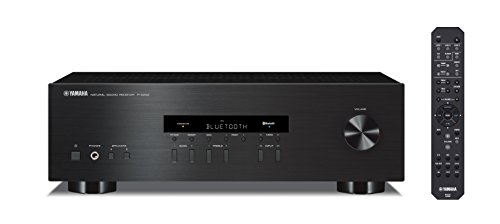
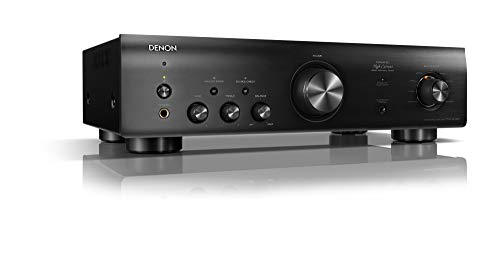
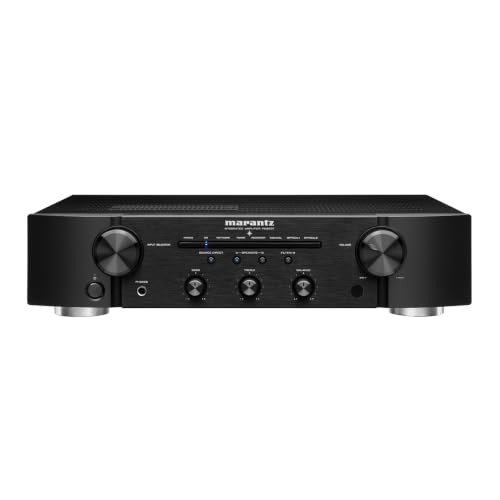
The best amplifier for Bose 901 speakers has more to prove than most, because the 901 system is not a plain pair of speakers. It relies on an external Active Equalizer that must sit in the signal path, and most modern amplifiers do not have the connections it expects. This guide explains how to pair an amplifier or receiver with 901 speakers, what power to aim for, and what to check before you buy. The product table above lists current stereo amplifiers and receivers to shortlist.
The 901 design places nine small drivers in each cabinet, with most sound reflected off the rear wall. That gives a wide, enveloping sound in a large room, but it also makes placement and equalization essential.



Who Should Buy the Best Amplifier for Bose 901 Speakers
This guide suits owners of 901 speakers who are replacing a failed receiver, building a modern system around vintage speakers, or buying their first 901 pair and need a partner for it. If you already own the Active Equalizer, the checks below matter even more. Owners of other Bose models can compare our guide to the best bose speakers and the wireless range in best bose wireless speakers.
The Equalizer Problem: Tape Loop or Processor Loop
The 901 Active Equalizer connects between the source and the power amplifier. On vintage receivers it is wired through the tape monitor loop: the equalizer takes the signal out through the tape output and returns it through the tape input. Many current amplifiers have dropped the tape loop, which means you must look for one of three things:
- A tape monitor (or processor) loop on a receiver or integrated amplifier.
- Separate preamp outputs and power amplifier inputs, so the equalizer can sit in between.
- A preamp with a loop, driving a separate power amplifier.
Confirm the connection in the specifications before you order, not after. If you want a related shortlist, see best receiver for bose 901 speakers.
How Much Power Do 901 Speakers Need
The 901 system is inefficient compared with typical bookshelf speakers, so it appreciates solid power. Aim for a clean 50 to 100 watts per channel for living room listening, and consider more for large rooms. Follow the maker guidance in your owner manual, and keep volume sensible, because the equalizer can add strong bass boost that loads the amplifier.
Key Features to Compare
Stable power supply
A heavy transformer or a strong switching supply helps with the bass lift from the equalizer. Look for a published 4 ohm rating as a sign of current delivery.
Inputs
List your sources: a turntable (phono), a TV (optical or HDMI ARC), a streamer (RCA) and a phone (Bluetooth). One spare input is a wise cushion.
Cooling
Boosted bass makes an amplifier work harder. Leave space above the vents and do not enclose the amp in a closed cabinet.
Remote and controls
A remote and a smooth volume control are easy to appreciate when the speakers sit far from the listening seat.
Types of Amplifiers That Can Work
Stereo receivers with a tape loop
Receivers often keep the tape monitor loop, so they are the easiest route to a working 901 system.
Integrated amplifiers with preamp outputs
Integrated amplifiers with preamp out and power amp in jacks let you insert the equalizer between the sections.
Separate preamp and power amplifier
The most flexible but most expensive route, and it gives clear headroom for large rooms.
Budget Expectations
A capable receiver or integrated amplifier with the right connections usually costs $250 to $700. Premium separates cost more but offer greater power reserves. Spending more is justified when you listen loudly in a large room or plan to keep the system for many years. Keep some budget back for good speaker cable, a surge protector and any adapter cables the equalizer needs, because small connection problems can look like major faults. Also allow for the cost of a service check if you buy older equalizers or speakers.
Placement and Setup Tips
Place the cabinets with space behind them so the rear-firing drivers can use the wall. Connect the equalizer exactly as the manual directs, set levels with care, and start with the volume low. Check speaker polarity, because reversed polarity thins the sound. Keep the amplifier ventilated and the cables tidy.
Vintage or Modern: Which Route Suits You
Many 901 owners search for a vintage receiver from the same era, because it already has the tape loop and the right feel. That route is charming but carries risk: worn controls, aging capacitors and no warranty. A modern receiver or integrated amplifier with a tape loop or preamp outputs gives you a warranty, better inputs such as optical and Bluetooth, and cleaner power. Because listings change, always verify the loop on the rear panel photos or in the manual before you buy.
Room and Placement Notes
Every room reacts differently to the 901 design, which is why owners spend time experimenting. Bose designed the 901 system to bounce most of its sound off the wall behind the speaker, so the room matters as much as the amplifier. Large rooms with hard rear walls give the widest effect; small rooms can feel crowded. Try several positions and toe-in angles, listen with familiar music, and adjust the equalizer settings in small steps. A good amplifier gives you clean headroom, but placement decides the stereo image. If the sound feels vague, check that both cabinets sit the same distance from the rear wall and that the equalizer is set for the correct speaker series.
Buying Checklist
- Verify a tape monitor loop, processor loop or preamp outputs on the amplifier.
- Check that the amplifier is stable into 4 ohms for safety.
- Count the inputs you need and add one spare.
- Confirm the warranty and return terms.
- Leave ventilation space around the unit.
Common Mistakes to Avoid
- Buying an amplifier without a tape loop or preamp outputs, then discovering the equalizer cannot connect.
- Assuming 901 speakers can run without the equalizer.
- Choosing a very low-power amplifier for a large room.
- Pushing the volume with the equalizer bass boost until the amplifier clips.
Frequently Asked Questions
Do Bose 901 speakers need the Active Equalizer?
Yes. The system is designed around it, and the sound is thin and unbalanced without it. Make sure your amplifier has a way to connect it.
Can I use a modern amplifier without a tape loop?
Only if it has preamp outputs and power amp inputs, or if you add a separate processor loop. Check the rear panel photos and the manual before ordering.
How much power do 901 speakers need?
Most listeners do well with 50 to 100 clean watts per channel. Larger rooms benefit from more headroom.
Does Bluetooth work with the equalizer?
Bluetooth feeds the amplifier input, so it passes through the equalizer loop like any other source if the loop is active.
Where should I place 901 speakers?
Give them space from side walls and keep the rear wall within a few feet so the reflected sound can build a wide image.
Final Thoughts
The best amplifier for Bose 901 speakers is the one with a verified equalizer connection, enough clean power for your room and the inputs you use. Check the loop first, then the power, then the extras, and use the product table above to shortlist current models.


